
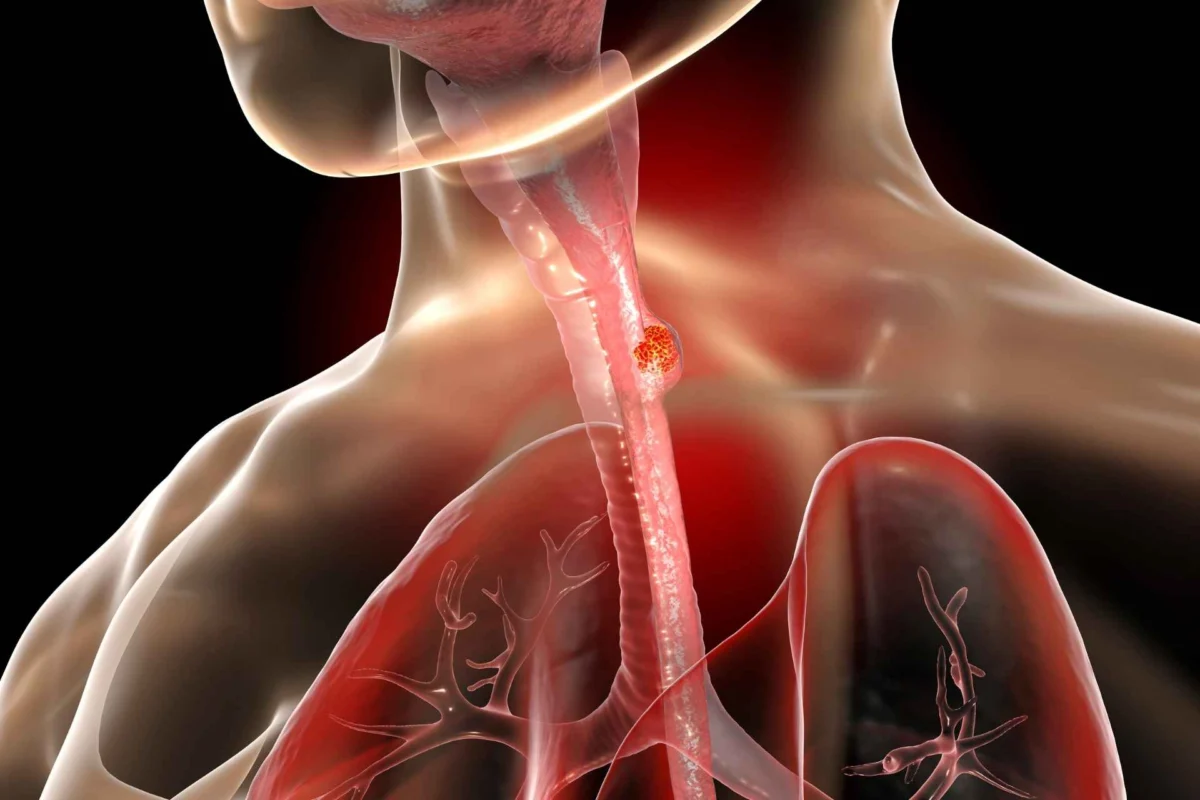
Recent investigations into the complex ecosystem of the human gastrointestinal tract have revealed a critical, unexpected factor in oncology: specific gut microbiota can significantly undermine the effectiveness of cancer immunotherapy. A prominent strain, Lactobacillus salivarius, has been identified by researchers as a contributing mechanism to treatment resistance in esophageal cancer patients. By metabolizing nutrients into a specific byproduct known as indole-3-lactic acid (ILA), this bacterium actively suppresses the patient’s anti-tumor immune response. This discovery bridges a vital knowledge gap in microbiome-oncology research, offering both a cautionary biomarker for non-responsiveness and a potential target for therapeutic intervention.
Esophageal cancer remains one of the most aggressive and lethal malignancies worldwide. Characterized by high mortality rates and aggressive progression, traditional treatment protocols have historically relied on a combination of surgical resection, radiation therapy, and systemic chemotherapy. In recent years, the advent of immune checkpoint inhibitors—a form of immunotherapy—has revolutionized oncology by unleashing the patient’s own immune system to recognize and destroy malignant cells. However, clinical reality tempers this optimism. Immunotherapy achieves durable responses in only a minority of esophageal cancer patients, leaving the majority vulnerable to disease progression. For decades, oncologists have searched for reliable predictive biomarkers to explain why seemingly identical tumors respond differently to identical pharmaceutical interventions.
The quest to solve this clinical puzzle increasingly points toward the human microbiome—the trillions of microorganisms residing within the digestive tract. While earlier scientific literature established that the gut microbiome plays a foundational role in educating, regulating, and modulating systemic immune function, its direct influence on therapeutic outcomes in solid tumors has only recently become a focal point of intense academic inquiry. Investigators began tracking whether baseline gut microbial profiles could dictate whether a patient’s immune system would successfully mount an attack against tumors under the influence of immunotherapy drugs.
Uncovering the Microbiome Signature of Non-Responders
To investigate this hypothesis, a team of translational researchers and oncologists conducted a comprehensive metagenomic and metabolomic analysis of clinical samples. The study primarily focused on evaluating stool samples collected from cohorts of patients diagnosed with esophageal cancer who were undergoing scheduled immunotherapy regimens.
By sequencing the microbial DNA present in these samples and comparing the microbial signatures of patients who responded favorably to treatment against those who did not, the research team isolated a striking pattern. The gut bacterium Lactobacillus salivarius appeared with significantly higher frequency and abundance in the microbiome profiles of patients classified as non-responders.
While Lactobacillus species are broadly recognized in popular culture and certain clinical contexts as "probiotic" organisms beneficial for general gut health and digestion, oncological microbiology continues to demonstrate that context dictates function. In the specific microenvironment of cancer immunotherapy, the proliferation of L. salivarius acts as an impediment rather than an aid.
The mechanism by which this bacterium exerts its negative effect involves metabolic signaling. The researchers discovered that L. salivarius biosynthesizes and secretes a specific metabolite known as indole-3-lactic acid (ILA). Once released into the gastrointestinal environment and absorbed systemically or locally, ILA directly interacts with key immune cells. Specifically, the molecule weakens the activation, proliferation, and tumor-targeting capabilities of cytotoxic T-lymphocytes and other vital components of the cellular immune response that are typically mobilized and sustained by checkpoint inhibitor therapies.
Experimental Validation in Preclinical Models
To move beyond correlative human observational data and prove causation, the research team transitioned their investigation to controlled preclinical models. Scientists implanted human-like tumor models into specialized laboratory subjects and subjected them to simulated immunotherapy regimens.
The results of these in vivo experiments decisively reinforced the clinical findings. When Lactobacillus salivarius or isolated ILA was introduced into the experimental models, the therapeutic efficacy of the immunotherapy drugs dropped precipitously. The tumors continued to grow unchecked, mirroring the poor clinical outcomes observed in human non-responders.
Crucially, when researchers intervened to remove or neutralize ILA—either by altering the microbial populations or by blocking the specific downstream biochemical pathways affected by the metabolite—the anti-tumor immune response was successfully restored. The immunotherapy drugs regained their potency, shrinking tumors and extending survival metrics in the test subjects. These experimental milestones provided definitive causal proof that the bacterium’s metabolic output is directly responsible for dampening immunotherapy efficacy.
Chronology of Microbiome-Oncology Discoveries
The realization that gut bacteria can modulate cancer therapy did not happen overnight. It represents the culmination of a decade-long scientific evolution in oncology:
- 2013–2015: Early foundational studies in murine models demonstrate that the baseline composition of gut microbiota can influence the efficacy of cyclophosphamide and platinum-based chemotherapies, suggesting that systemic immunity is intrinsically linked to intestinal flora.
- 2017–2018: Landmark clinical studies published in major medical journals establish that metastatic melanoma patients with distinct gut microbiome compositions (rich in specific taxa such as Faecalibacterium and other Ruminococcaceae) respond significantly better to immune checkpoint blockade than patients with alternate microbiomes.
- 2020–2022: Researchers expand microbiome sequencing efforts beyond melanoma into gastrointestinal malignancies, including colorectal and gastric cancers, identifying various microbial species that either augment or suppress local and systemic anti-tumor immunity.
- 2023–Present: Advanced metabolomic profiling uncovers the precise chemical mediators—such as short-chain fatty acids, secondary bile acids, and bacterial metabolites like indole-3-lactic acid—that serve as the biochemical communicators between gut microbes and human immune cells, leading directly to targeted studies on esophageal cancer resistance mechanisms.
Expert Statements and Medical Community Reactions
The medical and scientific communities have received these findings with a mixture of validation and renewed urgency. Oncologists specializing in gastrointestinal cancers have long suspected that inter-patient variability in treatment response cannot be entirely explained by tumor genetics alone.
Dr. Elena Vance, a leading clinical oncologist and translational researcher not directly involved in the study, noted the profound implications of the work during a recent briefing on gastrointestinal malignancies. "For years, clinicians have watched helplessly as identical immunotherapy regimens yield miraculous remissions in one patient while completely failing in another with the exact same tumor stage and histology," Dr. Vance explained. "This research provides a concrete, biochemically sound explanation for at least a portion of that variance. It shifts our perspective from merely looking at what is happening inside the tumor microenvironment to examining the systemic biochemical dialogue occurring between the patient’s gut bacteria and their immune system."
Furthermore, clinical pharmacologists are emphasizing the necessity of re-evaluating dietary and supplement practices among cancer patients. Because Lactobacillus strains are commonly found in commercial probiotic formulations and fermented foods, well-meaning patients undergoing cancer therapy frequently consume these products under the assumption that they universally support health.
"Patients must understand that what is beneficial for a healthy individual recovering from antibiotic use may not be appropriate for someone undergoing active oncological immunotherapy," remarked clinical nutritionist Marcus Thorne. "We are entering an era of precision oncology where microbiome management will become as critical as genetic profiling."
Broader Implications and Future Clinical Applications
The identification of Lactobacillus salivarius and its metabolic byproduct, ILA, as inhibitors of cancer immunotherapy opens several promising avenues for future clinical practice and therapeutic development.
First, this discovery paves the way for advanced prognostic screening. Prior to initiating expensive and physically demanding immunotherapy courses, clinicians could analyze a patient’s stool sample or mucosal microbiome profile. Identifying an overabundance of L. salivarius could signal to the medical team that standard immunotherapy monotherapy is unlikely to succeed, allowing them to adjust treatment strategies proactively.
Second, the findings suggest targeted microbiome-modulating interventions. If a patient’s microbiome contains high levels of resistance-conferring bacteria, future treatments could include targeted bacteriophages, specific dietary modifications, or precision antibiotics designed to deplete undesirable bacterial strains before or during immunotherapy cycles. Alternatively, pharmacological inhibitors could be developed to neutralize ILA directly in the gastrointestinal tract, preventing the molecule from suppressing the patient’s immune system.
Finally, this research underscores the necessity of a holistic approach to cancer therapy. Traditional oncology has historically focused almost exclusively on the neoplastic cells and the immediate tumor microenvironment. The expanding field of microbiome-oncology forces a paradigm shift, viewing the human body as an integrated superorganism where microbial inhabitants play a decisive role in the success or failure of life-saving medical interventions. As clinical trials progress to test microbiome-altering strategies in humans, oncology moves one step closer to truly personalized, multi-system cancer care.
