
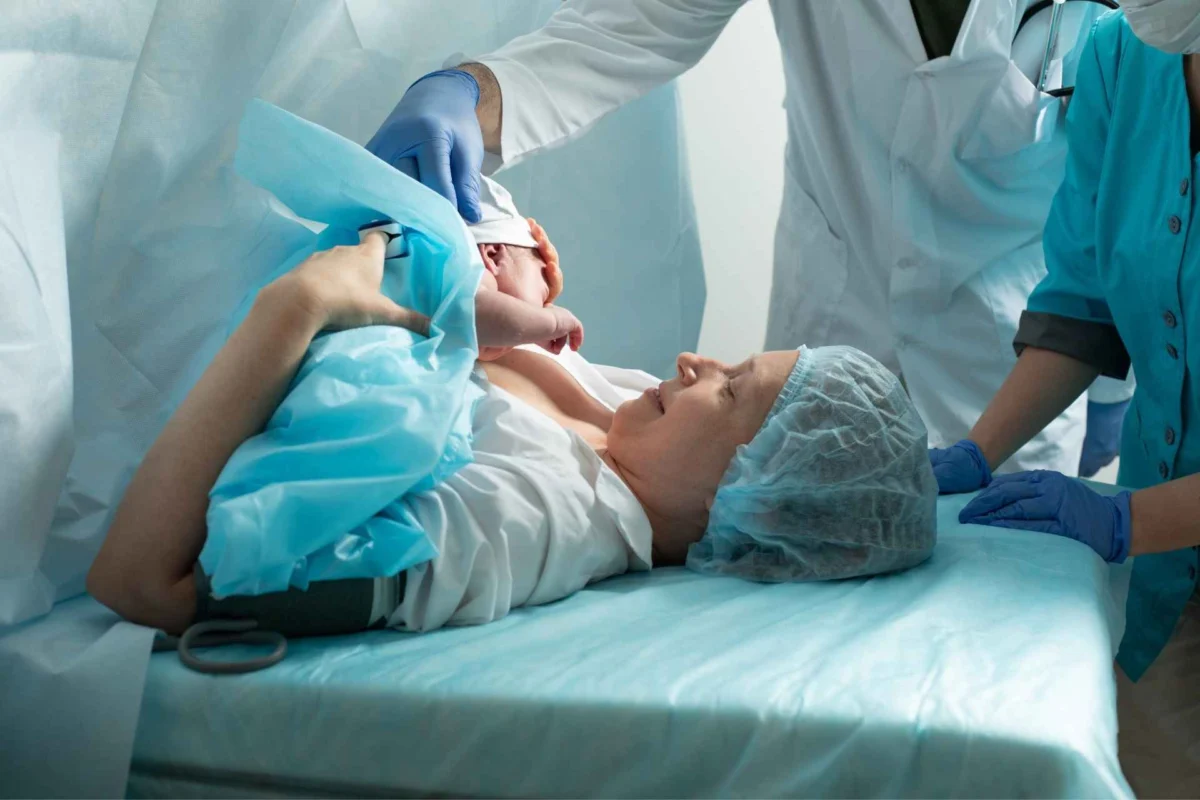
The modern medical community has long observed an epidemiological correlation between Cesarean section deliveries and subsequent elevations in long-term neurodevelopmental and metabolic risks. While infants delivered vaginally are immediately inoculated with a dense consortium of maternal vaginal and fecal microbes, those born via C-section bypass this crucial initial environmental exposure. Historically, pediatric and microbiological research has largely concentrated on how this absence affects the developing infant gut microbiota, overlooking the immediate cutaneous interface. However, groundbreaking research published in the journal Cell Host & Microbe has shifted the paradigm toward the skin, demonstrating that specific microbes transferred during vaginal birth generate bioactive compounds capable of traversing the skin barrier, entering the bloodstream, and ultimately influencing early brain development.
Led by principal investigator Hao Liu and a multidisciplinary team of researchers at Southern Medical University in Guangzhou, China, the study introduces a novel biological mechanism: a mother-to-infant lipid metabolic circuit. By applying maternal vaginal fluids to the skin of newborns delivered via C-section, the researchers successfully replicated key aspects of the natural microbial landscape, offering a potential therapeutic avenue to mitigate the developmental discrepancies historically associated with surgical births.
Background Context and the C-Section Paradox
Over the past several decades, global rates of Cesarean section deliveries have risen exponentially. While C-sections are frequently life-saving surgical procedures necessary to manage complex obstetric emergencies, dystocia, or fetal distress, their rapid normalization has prompted widespread scientific inquiry into unintended physiological consequences. Epidemiological studies consistently indicate that children born via C-section face a marginally higher statistical risk of developing immune-mediated conditions, such as asthma and allergies, as well as neurodevelopmental challenges, including attention deficits and motor coordination delays.
The prevailing hypothesis to explain these phenomena has centered on the "missing microbes" theory. During a conventional vaginal delivery, the neonate is thoroughly coated in maternal secretions rich in Lactobacillus, Prevotella, and various bacterial species. This initial exposure acts as a foundational template for the infant’s immune system and microbiome. Conversely, infants born in sterile operating environments via C-section lack this immediate exposure, acquiring instead a skin microbiota dominated by environmental hospital flora and maternal skin contaminants such as Staphylococcus and Corynebacterium species.
Despite widespread recognition of this microbial deficit, interventions designed to correct it have remained crude. The practice of "vaginal seeding"—whereby gauze soaked in maternal vaginal fluids is manually applied to a newborn’s face and body immediately following a C-section—has gained popularity in some patient communities. However, until this latest study by Liu and colleagues, the precise molecular mechanisms driving the purported benefits of vaginal seeding lacked rigorous, controlled experimental validation, particularly regarding neurological outcomes.
Chronology and Experimental Methodology of the Study
The research team structured their investigation to bridge the gap between clinical observation and cellular microbiology, utilizing both human infant cohorts and rigorous murine models to trace the fate of maternal microbes.
The initial phase of the research involved human observational and interventional tracking. Researchers monitored infants born via both vaginal delivery and C-section, analyzing skin swab samples to map the natural acquisition and succession of cutaneous microbial communities over the neonatal period. Building on these baselines, the team tested the viability and impact of vaginal microbiota transfer in controlled settings.
In parallel preclinical trials using mouse models, researchers administered maternal vaginal fluids topically to the skin of neonatal pups delivered via C-section. Crucially, the team also tested oral administration of the same fluids to determine whether gut colonization alone accounted for any observed developmental changes.
The chronological progression of the experiment yielded a surprising divergence: topical application on the skin significantly improved early motor development metrics in the C-section pups, whereas oral treatment failed to produce the same neurological enhancements. This discovery redirected the scientific focus entirely toward the skin as an active, immunologically and metabolically responsive organ capable of systemic signaling.
Skin Bacteria and the Discovery of N-bc2S1P
Upon analyzing the skin microbiota of C-section infants and mice treated with maternal vaginal fluids, the researchers observed a marked compositional shift. The treated infants’ cutaneous microbiome rapidly converged toward a profile resembling that of vaginally delivered infants. Specifically, two distinct bacterial species—Lactobacillus crispatus and Bacteroides fragilis—became exceptionally enriched on the skin surface.
Further biochemical analysis of the neonatal skin revealed the presence of a previously unidentified bioactive fatty molecule, designated by the research team as N-bc2S1P. This compound was found to be a metabolic byproduct synthesized cooperatively by specific bacterial strains present in the transferred vaginal microbiota. Across both human infant samples and murine models, higher concentrations of N-bc2S1P on the skin correlated strongly with accelerated and robust early developmental milestones.
To track the systemic trajectory of the molecule, the researchers utilized advanced tracing techniques in newborn mice. They discovered that when N-bc2S1P was applied topically to the skin, it successfully penetrated the cutaneous barrier, entered the systemic circulation, crossed the blood-brain barrier, and accumulated specifically within the hippocampus—the region of the mammalian brain fundamentally responsible for spatial navigation, learning, and memory consolidation.
Genetically Engineered Probiotics and Neural Maturation
Once localized within the hippocampal tissue, N-bc2S1P acted as a potent biochemical signal. The molecule measurably increased the transcriptional activity of genes associated with specific intracellular signaling pathways critical for neurogenesis, axonal growth, and the structural maturation of central nervous system cells. Consequently, treated mice exhibited observable enhancements in early motor behaviors.
However, a significant limitation arose during the initial phase: because N-bc2S1P is a transient metabolic product, its positive neurological effects began to fade as the molecule naturally degraded and cleared from the murine brain.
To overcome this pharmacokinetic hurdle, the research team employed advanced synthetic biology techniques. They genetically engineered a common, benign commensal skin bacterium, Staphylococcus epidermidis, to continuously synthesize and secrete N-bc2S1P directly on the surface of the skin.
When applied to C-section-born mice, these engineered probiotic bacteria maintained a steady, sustained supply of the neuroactive lipid. The resulting outcomes were striking: the animals colonized with the engineered microbe demonstrated sustained, comprehensive improvements in motor function, enhanced learning and memory retention, and a significant reduction in anxiety-related behaviors compared to untreated C-section control mice.
Broader Impact and Clinical Implications
The implications of these findings extend far beyond basic microbiology, offering a sophisticated framework for future neonatology and preventive medicine. By mapping out a complete mother-to-infant lipid metabolic circuit, the study demonstrates that the skin is not merely a passive protective barrier, but an active endocrine and metabolic organ capable of shaping central nervous system development through microbial symbiosis.
Medical professionals and pediatric researchers have responded to the publication with cautious optimism. While the concept of transferring maternal vaginal microbes is not entirely new, this study provides the rigorous mechanistic data that clinical regulators require before endorsing widespread medical interventions. The identification of a specific, identifiable molecule—N-bc2S1P—shifts the clinical horizon away from crude whole-fluid transfers and toward targeted, pharmaceutical-grade applications.
Furthermore, the successful deployment of a genetically engineered skin bacterium opens the door to an entirely new therapeutic category: probiotic metabolic engineering. Rather than relying on temporary supplementation, future clinical strategies might involve the precise application of tailored, engineered commensal microbes designed to make up for specific biochemical deficits incurred during atypical birth procedures.
Future Directions and Safety Considerations
Despite the promising nature of the findings, the transition from murine models to human clinical application requires extensive validation. Researchers emphasize that while the lipid metabolic circuit operates similarly in mice and humans, the long-term safety, colonization persistence, and precise dosage control of engineered bacteria in human infants must be evaluated through stringent, multi-phase clinical trials.
Moreover, the clinical practice of vaginal microbiota transfer currently exists in a regulatory gray area. Obstetricians and pediatricians have previously voiced safety concerns regarding the potential transmission of occult maternal infections—such as Group B Streptococcus, herpes simplex virus, or cytomegalovirus—via unstructured vaginal seeding. The identification of specific active metabolites like N-bc2S1P suggests a safer clinical future: rather than exposing an infant to complex biological fluids, future neonates born via C-section might simply receive a purified, topical biochemical formulation that delivers the exact developmental benefits without the microbiological risks.
As research in the burgeoning field of the skin-brain axis continues to accelerate, studies of this caliber underscore the intricate, evolutionary dependencies shared between human hosts and their microbial partners. By decoding the molecular signals passed from mother to child during the birthing process, modern science moves closer to ensuring that every newborn, regardless of delivery method, is given an optimal foundation for neurological health and lifelong cognitive vitality.
