

Polycystic Ovary Syndrome (PCOS) and Irritable Bowel Syndrome (IBS) are two of the most prevalent chronic conditions affecting women of reproductive age, and recent clinical data suggests a significant and complex overlap between the two. While PCOS is traditionally categorized as an endocrine disorder and IBS as a functional gastrointestinal (GI) disorder, emerging research into the gut-brain-hormone axis indicates that they are frequently comorbid. Clinical studies reveal that women diagnosed with PCOS are nearly twice as likely to suffer from IBS compared to the general population, with some data suggesting a prevalence rate as high as 42% among PCOS patients. This intersection presents a unique challenge for healthcare providers and patients alike, requiring a multidisciplinary approach to symptom management that addresses both hormonal imbalances and digestive dysfunction.
The Clinical Landscape of PCOS and IBS
Polycystic Ovary Syndrome is a complex hormonal condition characterized by irregular menstrual cycles, hyperandrogenism (elevated levels of male hormones like testosterone), and polycystic ovaries. It affects approximately 8% to 13% of reproductive-aged women and is a leading cause of infertility. Beyond reproductive health, PCOS is associated with metabolic issues, including insulin resistance and chronic low-grade inflammation.
Irritable Bowel Syndrome, conversely, is a disorder of the large intestine. It is characterized by a cluster of symptoms including abdominal pain, bloating, gas, and altered bowel habits—ranging from diarrhea to constipation. Unlike Inflammatory Bowel Disease (IBD), which involves visible inflammation or damage to the bowel wall, IBS is a functional disorder where the gut appears normal during routine examinations but does not function correctly.
The statistical correlation between these two conditions is striking. While the global prevalence of IBS in the general population sits at approximately 11%, research published in "Health and Quality of Life Outcomes" indicates that the prevalence rises to 20% in women with PCOS. Some specialists, including Dr. Felice Gersh, author of "PCOS SOS," suggest that when accounting for subclinical symptoms, the overlap could be even higher.
Chronology of Research and Emerging Biological Links
The scientific understanding of the PCOS-IBS link has evolved significantly over the last decade. Early observations focused primarily on the shared symptom of abdominal bloating, which was often dismissed as a side effect of the hormonal fluctuations inherent in PCOS. However, a timeline of research from 2010 to 2024 has identified several underlying biological mechanisms that connect the two syndromes.
In 2010, studies began focusing on the role of exercise and lifestyle in managing PCOS, noting that physical activity improved both metabolic markers and gastrointestinal transit times. By 2014, the classification of IBS subtypes—IBS-C (constipation-predominant), IBS-D (diarrhea-predominant), and IBS-M (mixed)—allowed researchers to identify that women with PCOS are most frequently diagnosed with the IBS-C subtype.
The most critical breakthrough occurred around 2020, with a surge in research regarding the gut microbiome. Studies published in "Geburtshilfe und Frauenheilkunde" highlighted that women with PCOS tend to have significantly less diverse gut bacteria. This condition, known as gut dysbiosis, is believed to be a primary driver of both syndromes. Dysbiosis can lead to increased intestinal permeability (often called "leaky gut"), which allows endotoxins to enter the bloodstream, triggering the chronic inflammation that exacerbates insulin resistance in PCOS and visceral hypersensitivity in IBS.

Furthermore, hormonal imbalances play a direct role in gut motility. Elevated levels of Luteinizing Hormone (LH) and Follicle-Stimulating Hormone (FSH), which are hallmarks of PCOS, have been linked to slower colonic transit times. This provides a physiological explanation for why the constipation-predominant subtype of IBS is so prevalent among this patient demographic.
Supporting Data: The Impact of Gut Health on Hormonal Regulation
The gut microbiome is now recognized as a "virtual endocrine organ" because of its role in regulating hormones. For women with PCOS, the health of the microbiome dictates several key physiological outcomes:
- Insulin Sensitivity: Specific strains of gut bacteria influence how the body processes glucose. Dysbiosis can worsen insulin resistance, leading to weight gain and higher androgen production.
- Androgen Metabolism: The gut is involved in the excretion and reabsorption of sex hormones. An imbalanced microbiome can lead to the recirculation of testosterone, worsening symptoms like acne and hirsutism.
- Inflammatory Signaling: Chronic inflammation originating in the gut can interfere with the signaling of the ovaries, further disrupting the ovulation cycle.
A 2020 review of the relationship between gut microbiota and PCOS found that stabilizing the microbiome through diet and probiotics not only eased digestive distress but also led to measurable improvements in reproductive health markers.
Management Strategies: Diet, Probiotics, and Lifestyle
The management of comorbid PCOS and IBS requires a nuanced approach, as treatments for one condition can sometimes aggravate the other. For instance, high-fiber diets often recommended for PCOS can trigger severe bloating and pain in IBS patients.
The Low FODMAP Protocol
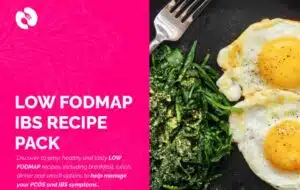
The Low FODMAP diet has emerged as a gold-standard intervention for IBS. FODMAPs (Fermentable Oligosaccharides, Disaccharides, Monosaccharides, and Polyols) are short-chain carbohydrates that are poorly absorbed in the small intestine. When these sugars reach the colon, they ferment, causing gas and drawing water into the bowel.
Research in "Clinical and Experimental Gastroenterology" confirms that a 3-to-6-week elimination phase of high-FODMAP foods—such as garlic, onions, wheat, and certain legumes—can significantly reduce IBS symptoms. For women with PCOS, this diet must be carefully managed to ensure it remains low-glycemic to avoid spiking insulin levels. Once symptoms stabilize, foods are systematically reintroduced to identify specific triggers.
Targeted Probiotic Therapy
Given the role of gut dysbiosis, probiotic supplementation has become a primary recommendation. Clinical trials suggest that multi-strain probiotics can improve the diversity of the microbiome. Specifically, strains that support the intestinal barrier can help reduce the systemic inflammation that fuels PCOS symptoms. Experts suggest looking for live culture strains specifically tested for "spastic colon" or IBS-related discomfort.
Therapeutic Exercise
While high-intensity interval training (HIIT) is often touted as beneficial for PCOS-related weight loss, it can occasionally trigger GI distress in IBS sufferers due to the mechanical jarring and stress response. Data published in the "Journal of Osteopathic Medicine" suggests that "mindful" exercise may be more effective for this specific patient group. A randomized controlled trial found that a one-hour yoga class practiced three times weekly lowered testosterone levels by 29% in women with PCOS. Similarly, walking has been shown to improve the waist-to-hip ratio and cardiovascular health without overstimulating the digestive system.
Analysis of Implications for Women’s Healthcare
The high rate of comorbidity between PCOS and IBS suggests that medical screenings for one should ideally trigger a screening for the other. Currently, many patients undergo a "diagnostic odyssey," seeing separate specialists—gynecologists for PCOS and gastroenterologists for IBS—who may not coordinate care. This siloed approach often overlooks the systemic nature of these conditions.
The implications of this link extend to mental health. Both PCOS and IBS are associated with higher-than-average rates of anxiety and depression. The physical discomfort of IBS, combined with the hormonal fluctuations and self-esteem challenges of PCOS, creates a significant psychological burden. A 2020 study in "Health and Quality of Life Outcomes" noted that women with both conditions reported significantly lower quality of life scores than those with only one of the syndromes.
From a public health perspective, there is a growing need for integrated care models. Nutritionists and dietitians are increasingly playing a central role, as dietary intervention is the most effective way to manage the symptoms of both conditions simultaneously.
Broader Impact and Future Outlook
As the medical community moves toward personalized medicine, the intersection of PCOS and IBS serves as a primary example of how interconnected body systems truly are. Future research is expected to delve deeper into the "Estrobolome"—the collection of bacteria in the gut which are dedicated to metabolizing and equilibrating the body’s estrogen. Understanding how to manipulate the estrobolome could lead to revolutionary treatments for PCOS that start in the digestive tract.
In the interim, the most effective tool for patients remains a combination of data-driven dieting, such as the Low FODMAP approach, and meticulous self-tracking. Clinical evidence supports the use of food journals to identify the specific intersection of dietary intake, menstrual cycle phases, and digestive flare-ups.
The synthesis of current research confirms that PCOS and IBS are not merely coincidental companions but are linked by shared pathways of inflammation and microbial imbalance. By addressing the gut, clinicians may find a more effective "back door" to managing the hormonal and metabolic disruptions of Polycystic Ovary Syndrome, ultimately providing a more holistic path to recovery for millions of women worldwide.
