
The World Health Organization (WHO) has released its comprehensive 2026 Global Hepatitis Report, revealing a complex landscape where significant medical and preventative milestones are being undermined by systemic inequities and a lack of access to life-saving care. Unveiled today at the World Hepatitis Summit, the report indicates that while global initiatives have successfully curtailed new infection rates and reduced child prevalence, viral hepatitis remains one of the leading causes of death from infectious diseases worldwide. According to the latest 2024 data, hepatitis B and C—the two primary strains responsible for the vast majority of the disease burden—claimed an estimated 1.34 million lives, a figure that places the disease on par with other major global health threats like tuberculosis and HIV/AIDS.
The report highlights a critical juncture for global health authorities. While the tools to eliminate hepatitis as a public health threat by 2030 are physically and scientifically available, the pace of implementation is currently insufficient to meet the targets set a decade ago. Every day, approximately 4,900 people are newly infected with viral hepatitis, amounting to 1.8 million new infections annually. This persistent transmission, despite the existence of effective vaccines and curative treatments, underscores a "implementation gap" that the WHO warns must be closed through immediate and aggressive intervention.
Historical Context and the Road to 2030
The journey toward hepatitis elimination gained significant momentum in 2016 when the World Health Assembly adopted the first Global Health Sector Strategy on viral hepatitis. This strategy established ambitious targets for 2030, including a 90% reduction in new chronic infections and a 65% reduction in mortality. The 2026 report serves as a vital ten-year assessment of these goals, documenting the achievements made since the 2015 baseline.
Since the adoption of these targets, the global health community has seen measurable successes. The annual number of new hepatitis B infections has decreased by 32% globally, a testament to the success of expanded childhood immunization programs. Furthermore, hepatitis C-related deaths have fallen by 12%. One of the most significant triumphs noted in the report is the reduction of hepatitis B prevalence among children under the age of five. This figure has dropped to 0.6% globally, with 85 countries already achieving or surpassing the 2030 target of 0.1% prevalence in this age group.
However, these gains are described as "uneven and fragile." The report suggests that the initial momentum generated in 2016 has stalled in several high-burden regions, particularly as health systems struggled with the disruptions caused by the COVID-19 pandemic and shifting geopolitical priorities. The WHO emphasizes that while the 2030 targets remain technically achievable, the window for action is rapidly closing.
The Global Burden: A Tale of Two Viruses
The 2026 report provides a detailed breakdown of the 287 million people currently living with chronic hepatitis B or C. These infections are often referred to as "silent killers" because they can remain asymptomatic for decades, slowly damaging the liver until the onset of cirrhosis or hepatocellular carcinoma (liver cancer).
Hepatitis B continues to be the more prevalent and deadly of the two, accounting for 1.1 million deaths in 2024 alone. The burden is heavily concentrated in the WHO African and Western Pacific Regions. In the African Region, the situation is particularly dire; while it accounts for 68% of all new hepatitis B infections globally, the coverage for the crucial hepatitis B birth-dose vaccine remains alarmingly low at just 17%. This vaccine is the primary defense against mother-to-child transmission, which is a major driver of chronic infection in the region.
Hepatitis C, while responsible for fewer total deaths (240,000 in 2024), presents a different set of challenges. Unlike hepatitis B, for which there is a preventative vaccine but no definitive cure for chronic cases, hepatitis C is curable. Since 2015, highly effective direct-acting antiviral (DAA) treatments have been available, offering a cure rate of over 95% with a simple 12-week oral regimen. Despite this, only 20% of people living with hepatitis C have received treatment. Furthermore, 44% of new hepatitis C infections in 2024 were among people who inject drugs (PWID), highlighting the critical need for harm reduction services—such as needle and syringe programs—that are often politically marginalized or underfunded.
Regional Disparities and the Ten-Country Concentration
The WHO report identifies a striking concentration of the hepatitis burden within a small number of nations. Ten countries currently account for nearly 70% of the global hepatitis B death toll: Bangladesh, China, Ethiopia, Ghana, India, Indonesia, Nigeria, the Philippines, South Africa, and Viet Nam. These nations face unique challenges ranging from high population density and strained healthcare infrastructure to the high cost of diagnostic testing and treatment.
For hepatitis C, the burden is slightly more dispersed but still concentrated, with ten countries accounting for 58% of global deaths: China, India, Indonesia, Japan, Nigeria, Pakistan, the Russian Federation, South Africa, the United States, and Viet Nam. The inclusion of high-income nations like the United States and Japan in this list illustrates that hepatitis is not exclusively a disease of poverty; rather, it is a disease of marginalized populations and missed opportunities in screening.
In the Western Pacific and African regions, liver cancer is a leading cause of cancer-related mortality, driven primarily by untreated hepatitis B. The report notes that in many of these high-burden countries, the cost of treatment has plummeted due to the availability of generics, yet the "last mile" of delivery—getting the medicine to the patient in a rural or underserved setting—remains the primary obstacle.
Official Responses and Strategic Imperatives
Dr. Tedros Adhanom Ghebreyesus, WHO Director-General, addressed the summit with a message that balanced optimism with a stern warning. "Around the world, countries are showing that eliminating hepatitis is not a pipedream; it’s possible with sustained political commitment, backed by reliable domestic financing," Dr. Tedros stated. He pointed to the successes in countries like Egypt, which transitioned from having one of the highest hepatitis C rates in the world to being on the verge of elimination through a massive national screening and treatment campaign.
However, Dr. Tedros also noted that "progress is too slow and uneven," citing stigma and weak health systems as major barriers. "Many people remain undiagnosed and untreated… While we have the tools to eliminate hepatitis as a public health threat, urgent scale-up of prevention, diagnosis, and treatment is needed if the world is to meet the 2030 targets."
Dr. Tereza Kasaeva, Director of the WHO Department for HIV, TB, Hepatitis, and Sexually Transmitted Infections, emphasized the need for integration. "Every missed diagnosis and untreated infection due to chronic viral hepatitis represents a preventable death," she said. Dr. Kasaeva called for hepatitis services to be integrated into primary healthcare systems rather than being treated as standalone specialty programs. This "decentralization" of care is seen as essential for reaching the millions of people who currently lack access to specialized hepatology clinics.
Priority Actions for the Path Forward
The 2026 report outlines several priority actions that member states must adopt to get back on track for the 2030 goals:
- Scaling Up Treatment for Hepatitis B: There is an urgent need to expand treatment for chronic HBV, particularly in the African and Western Pacific regions where the death toll is highest. This includes making antiviral medications more affordable and accessible at the community level.
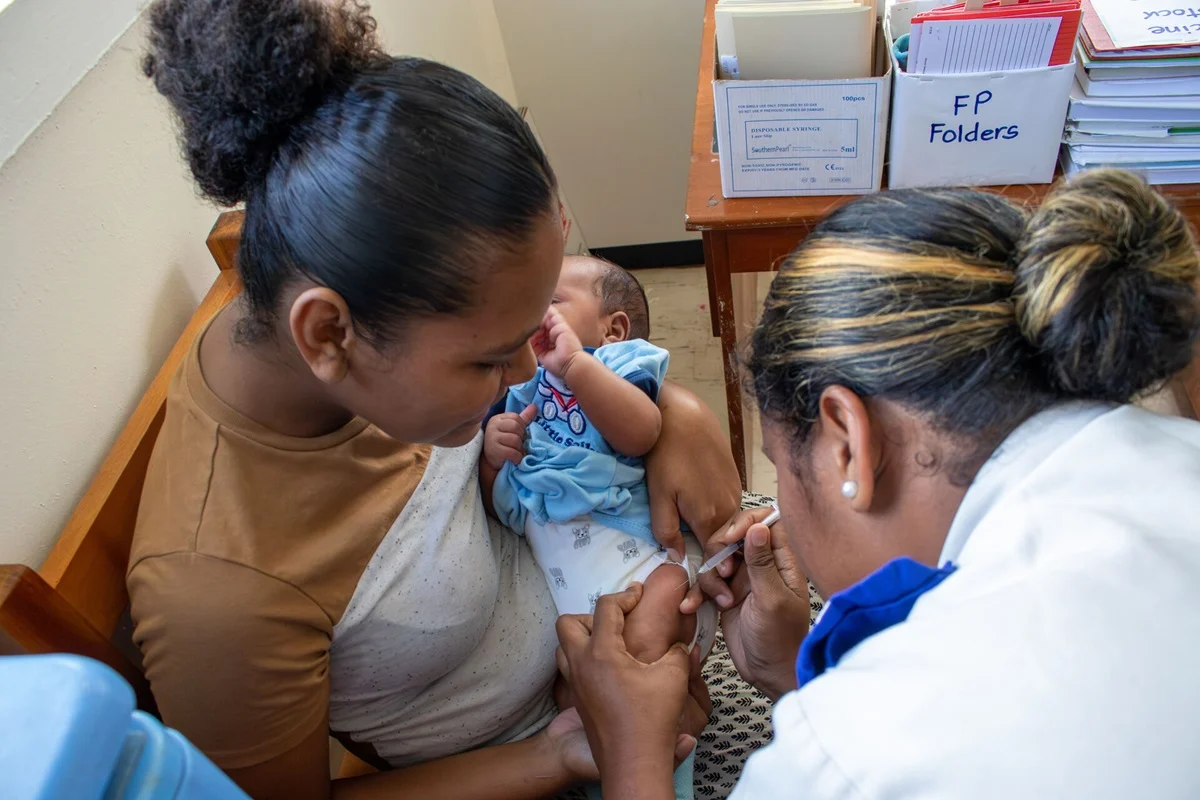
- Expanding Birth-Dose Vaccination: Increasing the coverage of the hepatitis B vaccine given at birth is the most effective way to prevent new infections in the African Region. The report calls for this to be a cornerstone of maternal and child health programs.
- Broadening Hepatitis C Access: In the Eastern Mediterranean and South-East Asian regions, expanding access to DAAs is critical. The report suggests that simplified "test and treat" protocols can significantly increase the number of people cured.
- Improving Injection Safety and Harm Reduction: To combat the 1.8 million new infections occurring annually, countries must strengthen harm reduction services for PWID and ensure 100% injection safety in all healthcare settings.
- Financing and Political Will: The WHO advocates for increased domestic financing. While international aid is helpful, the report argues that sustainable elimination requires national governments to incorporate hepatitis care into their universal health coverage (UHC) budgets.
Economic and Social Implications
The failure to address viral hepatitis has profound economic consequences. The report suggests that the cost of inaction—measured in lost productivity, the high cost of treating end-stage liver disease, and the expenses associated with liver transplants—far outweighs the investment required for screening and treatment. Chronic liver disease often strikes individuals in their most productive years, placing a significant burden on families and national economies.
Furthermore, the social stigma associated with hepatitis, particularly when linked to drug use or certain social behaviors, remains a formidable barrier. The WHO report emphasizes that "destigmatizing" the disease is essential for encouraging people to come forward for testing. In many parts of the world, a hepatitis diagnosis can lead to social isolation or workplace discrimination, which discourages the very testing and treatment required to stop the spread of the virus.
Conclusion
The WHO 2026 Global Hepatitis Report serves as both a celebration of medical progress and a sobering reminder of the work that remains. With 1.34 million annual deaths and millions more living with chronic infections, viral hepatitis remains a formidable global health adversary. However, the success stories of nations like Egypt, Georgia, Rwanda, and the United Kingdom provide a roadmap for others. The consensus from the World Hepatitis Summit is clear: the science is ready, the tools are available, and the targets are set. The only remaining variables are the political will and the financial investment required to turn the goal of elimination into a global reality by 2030.
