
The year 2022 was a pivotal period for discussions surrounding food and nutrition, underscored by the landmark White House Conference on Hunger, Nutrition, and Health. This event, the first of its kind since 1969, culminated in the unveiling of a comprehensive national strategy aimed at eradicating hunger and significantly boosting healthy eating and physical activity by the year 2030. While the strategy outlines ambitious and promising initiatives, such as the expansion of nutrition assistance programs and the potential inclusion of medically tailored meals under Medicare, experts from the Department of Nutrition at Harvard T.H. Chan School of Public Health have identified notable omissions. These include the critical need to shield children from the pervasive marketing of unhealthy foods and the imperative to fundamentally transform the global food system in the face of escalating climate change concerns.
The National Strategy: Ambitions and Critiques
The Biden-Harris Administration’s national strategy, released in September 2022, represents a significant governmental effort to address long-standing issues of food insecurity and poor dietary habits. The strategy’s core objectives are multifaceted, encompassing increased access to nutritious food, promotion of physical activity, and improved health outcomes for all Americans. Key components include strengthening the Supplemental Nutrition Assistance Program (SNAP), enhancing school meal programs, and exploring innovative solutions like medically tailored meals for individuals with chronic diseases, which could dramatically improve health outcomes and reduce healthcare costs for vulnerable populations. For instance, studies have shown that adherence to medically tailored meals can lead to significant reductions in hospitalizations and emergency room visits for individuals with conditions like diabetes and heart disease.
However, a critical analysis by leading nutrition scientists, including Drs. Frank Hu, Walter Willett, and Lilian Cheung from Harvard’s Department of Nutrition, pointed out significant gaps in the proposed plan. Their commentary highlighted the absence of robust policies to regulate the marketing of unhealthy foods to children, a practice that has been demonstrably linked to childhood obesity and the development of lifelong poor eating habits. Data from the Centers for Disease Control and Prevention (CDC) indicates that childhood obesity rates have more than tripled since the 1970s, with a significant portion of this increase attributed to environmental factors, including pervasive food marketing.
Furthermore, the experts emphasized the urgent need for the strategy to address the profound impact of the food system on climate change and vice versa. The current global food system is a major contributor to greenhouse gas emissions, deforestation, and water pollution. Conversely, climate change poses a significant threat to food production through extreme weather events, shifting agricultural zones, and reduced crop yields. The omission of comprehensive food system transformation in the national strategy represents a missed opportunity to tackle these intertwined crises. As Drs. Hu, Willett, and Cheung articulated, "To have a significant impact, the administration must bring together the public and private sectors, along with philanthropists, academia, and individuals to develop truly sustainable food systems that support both public and planetary health."
A Historical Context: Decades of Effort
The 2022 White House Conference on Hunger, Nutrition, and Health was a significant moment, echoing the aspirations of the first such conference held in 1969. That earlier conference spurred the creation of programs like SNAP (then known as the Food Stamp Program) and initiatives to improve school lunches, laying the groundwork for federal involvement in addressing food insecurity. However, despite these efforts, challenges have persisted and, in many areas, intensified. The intervening decades have witnessed rising rates of diet-related diseases such as obesity, type 2 diabetes, and cardiovascular disease, disproportionately affecting low-income communities and communities of color.
The resurgence of a national dialogue on these issues in 2022 reflects a growing recognition that the existing approaches are insufficient. The conference served as a catalyst for a renewed commitment to action, bringing together a diverse array of stakeholders, from policymakers and researchers to community leaders and food industry representatives. The development of a national strategy was a direct outcome, aiming to provide a coordinated framework for addressing the complex web of factors contributing to hunger, poor nutrition, and related health disparities.
The Call for Systemic Change and Individual Action
The recognition that policy alone may not be enough underscores the importance of a dual approach: advocating for systemic change while encouraging individual healthy behaviors. The current food system, characterized by industrial agriculture, processed food manufacturing, and extensive distribution networks, often prioritizes profit over health and sustainability. This can lead to the widespread availability of cheap, calorie-dense, nutrient-poor foods, while making healthier options less accessible and more expensive, particularly in underserved areas.
The implications of this system are far-reaching. It contributes to a national health crisis, with diet-related chronic diseases accounting for a significant portion of healthcare spending and leading to reduced quality of life and premature deaths. Moreover, the environmental footprint of our food production and consumption patterns is substantial, exacerbating climate change and threatening the long-term viability of food systems globally.
In this context, the Harvard experts’ call for collaboration among public and private sectors, academia, and individuals is particularly relevant. Transforming the food system requires a concerted effort to:
- Promote sustainable agriculture: Supporting farming practices that reduce environmental impact, enhance soil health, and conserve water resources.
- Reform food marketing: Implementing stricter regulations on the advertising of unhealthy foods, especially to children.
- Improve food access: Ensuring that all communities have access to affordable, nutritious, and culturally appropriate foods.
- Reduce food waste: Implementing strategies to minimize waste at all stages of the food supply chain.
- Support healthy diets: Encouraging consumption of plant-rich diets, whole grains, and lean proteins, while reducing intake of processed foods, added sugars, and unhealthy fats.
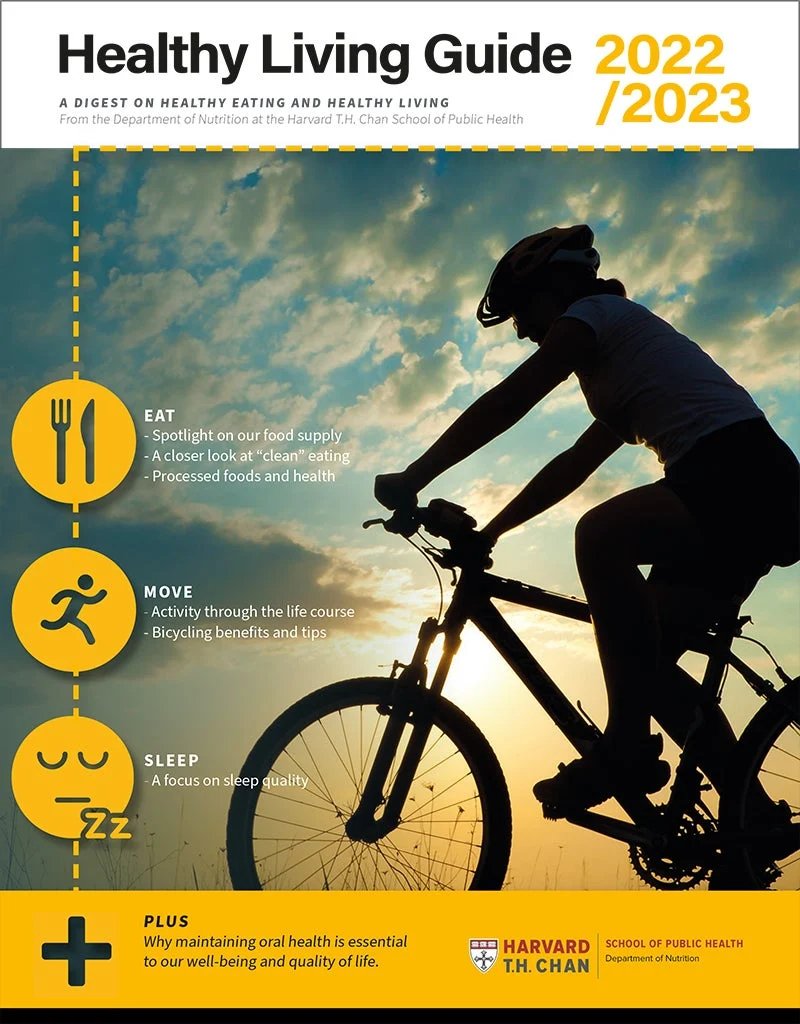
While these systemic changes are critical, the message from Harvard also acknowledges the power of individual action. The "Healthy Living Guide" offered by the institution provides practical tools and information for individuals to make healthier choices in their daily lives. This includes downloadable tip sheets and summaries that offer actionable advice on nutrition, physical activity, and overall well-being. The emphasis on "no change is too small" reflects a pragmatic approach, recognizing that incremental shifts in behavior can accumulate to create significant positive impacts on individual health.
Looking Ahead: A Sustainable Future
The journey towards ending hunger, improving nutrition, and fostering healthy living is a long and complex one. The national strategy, while a step forward, highlights the need for continued dialogue, robust policy development, and widespread public engagement. The insights provided by nutrition experts underscore that true progress requires addressing the interconnectedness of public health, planetary health, and the fundamental structure of our food systems.
As individuals, embracing healthy eating and living habits can contribute not only to personal well-being but also to the broader movement for a healthier and more sustainable future. The availability of resources like the Healthy Living Guide serves as a valuable reminder that informed choices and consistent efforts, however small, play a crucial role in shaping a healthier world for generations to come. The hope is that by combining ambitious policy reforms with empowered individual action, the ambitious goals set forth by the national strategy can be realized, paving the way for a more food-secure, healthier, and environmentally responsible society. The coming years will be critical in determining the effectiveness of these initiatives and the commitment of all stakeholders to achieving a truly sustainable food system.
