
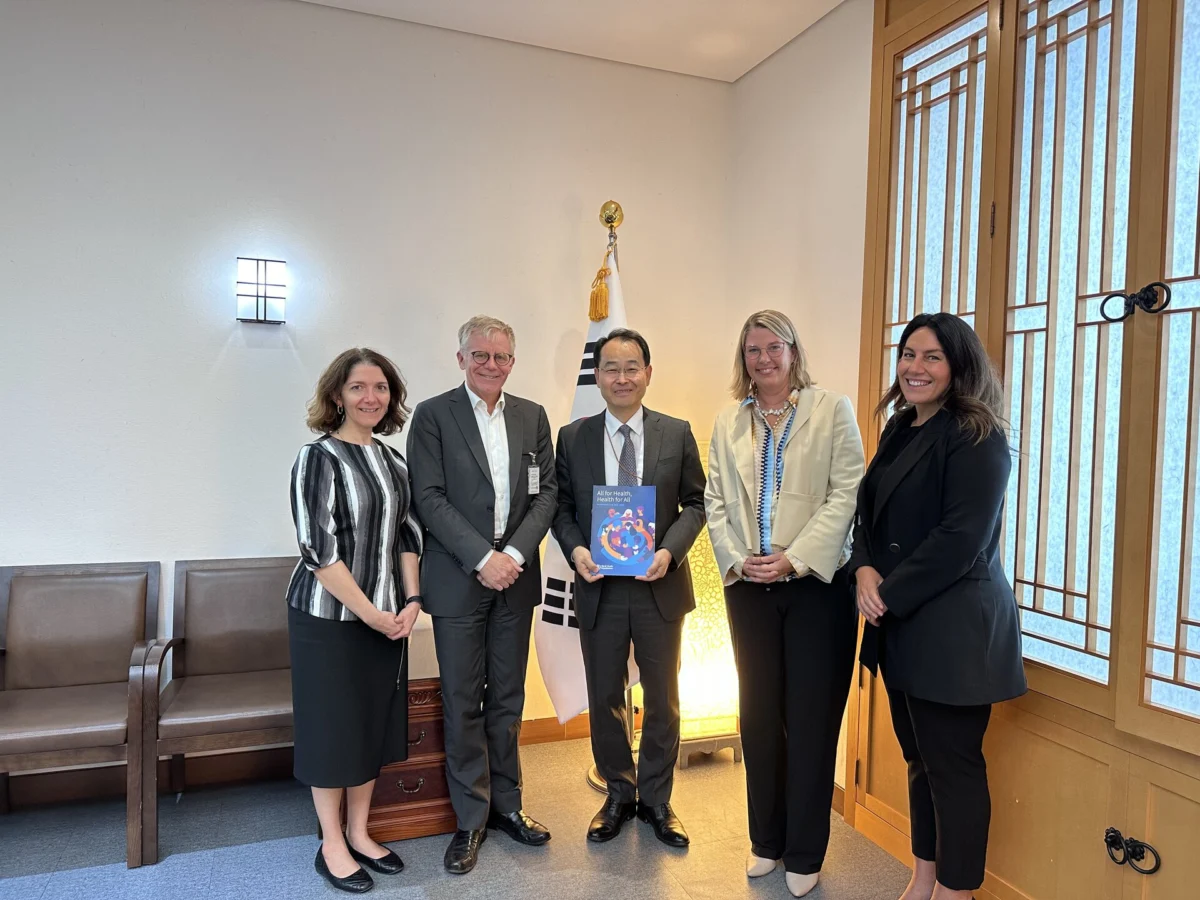
The partnership between the World Health Organization (WHO) and the Republic of Korea has evolved into a cornerstone of international health architecture, marking over 75 years of diplomatic and technical collaboration. This relationship has undergone a profound transformation, mirroring the Republic of Korea’s own socioeconomic trajectory. Once a recipient of humanitarian aid following the Korean War in the 1950s, the nation has matured into a top-tier donor and a proactive architect of global health policy. This transition reached a new milestone on August 28–29, 2024, when representatives from both entities convened in Seoul for the second WHO-Republic of Korea Strategic Dialogue, a summit aimed at synchronizing long-term health priorities and reinforcing a shared commitment to global security.
A Legacy of Transformation and Mutual Growth
The historical context of this partnership is essential to understanding its current weight. In the decades immediately following the 1953 armistice, the WHO provided critical technical assistance to help the Republic of Korea rebuild its decimated healthcare infrastructure. As the nation transitioned through a period of rapid industrialization—the "Miracle on the Han River"—its public health indicators soared. Today, the Republic of Korea stands as a leader in universal health coverage (UHC), digital health innovation, and vaccine manufacturing capacity.
This evolution has allowed the partnership to shift from a vertical, donor-recipient dynamic to a horizontal, peer-to-peer strategic alliance. The Republic of Korea now contributes significantly to the WHO’s core budget and specialized funds, focusing on pandemic preparedness, health system resilience, and the equitable distribution of medical countermeasures. By hosting the second Strategic Dialogue, the Korean government has signaled its intent to leverage its domestic success to address systemic inequities in the global health landscape.
The Seoul Summit: Objectives and Participation
The two-day summit in Seoul was designed to move beyond general cooperation and toward concrete, actionable alignment. Dr. Catharina Boehme, WHO Assistant Director-General for External Relations and Governance, headed the WHO delegation. The inclusion of representatives from all three tiers of the Organization—headquarters in Geneva, regional offices, and in-country personnel—underscored the holistic nature of the discussions.
The Republic of Korea’s delegation was equally high-level, led by Dr. Hye-Jin Kim, Deputy Minister for Planning and Coordination at the Ministry of Health and Welfare. The breadth of the delegation, which included Dr. Young-Mee Jee, Commissioner of the Korea Disease Control and Prevention Agency (KDCA), as well as senior officials from the Ministry of Foreign Affairs and the Ministry of Food and Drug Safety, highlights the multifaceted nature of health policy today. The presence of these specific agencies indicates that the dialogue addressed not only clinical medicine but also the intersection of health with diplomacy, trade, regulatory oversight, and national security.

Integrating Legislative Champions into Global Strategy
A novel aspect of this year’s dialogue was the active engagement with the National Assembly of the Republic of Korea. Recognizing that sustainable health policy requires robust legislative support, the WHO delegation engaged in high-level discussions with parliamentarians who are vocal proponents of global health initiatives.
This legislative focus is part of a broader WHO strategy to foster "health diplomacy" at the parliamentary level. By sensitizing lawmakers to the nuances of global health funding and international health regulations, the WHO aims to ensure that national budget allocations and legislative agendas remain supportive of global health security, even amidst domestic political shifts. This collaboration is expected to provide the Republic of Korea with a more stable framework for long-term international health commitments.
Data-Driven Priorities: The Investment Case
A primary focal point of the discussions was the WHO Investment Case, a comprehensive report detailing the funding and structural reforms required to sustain the organization’s mission through 2030. During the meetings, the WHO delegation shared insights from this report with Mr. Jonghan Park, Director-General of Development Cooperation at the Ministry of Foreign Affairs.
The Investment Case underscores a critical reality: for every US$ 1 invested in the WHO, the potential return on investment in global health, productivity, and economic stability is estimated to be significantly higher. For a donor country like the Republic of Korea, this data is vital. It justifies the allocation of Official Development Assistance (ODA) toward global health, transforming it from a "charitable expense" into a "strategic investment" in regional and global stability. The dialogue provided a platform to align Korea’s specific funding priorities with the gaps identified in the WHO’s global roadmap.
Implications for Global Health Security
The implications of this enhanced partnership extend far beyond the bilateral relationship. As the world navigates the post-pandemic era, the need for a more agile, better-funded, and more transparent WHO has never been greater. The Republic of Korea’s expertise in data management, rapid diagnostic deployment, and pandemic surveillance makes it an ideal partner for the WHO’s Health Emergencies Programme.
Furthermore, the collaboration touches on several key pillars of international health:

- Regulatory Harmonization: With the Ministry of Food and Drug Safety involved, the dialogue explored pathways to streamline the approval of essential medicines and vaccines, which is crucial for low-to-middle-income countries during health crises.
- Digital Health and Innovation: Korea’s prowess in information technology provides a blueprint for the WHO’s digital transformation initiatives, particularly in remote patient monitoring and the digitization of health records in developing nations.
- Universal Health Coverage (UHC): By sharing the lessons of its own National Health Insurance system, Korea provides a scalable model for other countries aiming to achieve the UN Sustainable Development Goal 3 (Good Health and Well-being).
Official Perspectives and Future Outlook
While specific internal policy shifts remain confidential, the consensus from both sides suggests a move toward more "predictable and flexible" funding models. Official statements released following the dialogue emphasized that the alignment of priorities will allow for a more rapid response to emerging health threats, such as climate-related health risks and the growing burden of non-communicable diseases.
The Ministry of Health and Welfare noted that the Republic of Korea remains committed to "solidarity and cooperation," viewing global health security as an extension of its own national security. For its part, the WHO praised the Republic of Korea’s evolution, with Dr. Boehme highlighting that the country’s journey from beneficiary to benefactor serves as a powerful testament to the impact of sustained, evidence-based health investments.
Strategic Analysis: A Model for Future Partnerships
The second Strategic Dialogue serves as a template for how the WHO intends to engage with middle-to-high-income nations in the coming decade. By institutionalizing these high-level summits, the WHO moves away from transactional donor relations toward a strategic partnership model that integrates research, policy, and funding.
The challenge, however, remains the geopolitical volatility that often influences health policy. The Republic of Korea’s ability to navigate these complexities, while maintaining a firm commitment to multilateralism, is a critical asset for the WHO. As the organization prepares for future pandemics and the challenges posed by an aging global population, the expertise and resources of the Republic of Korea will be instrumental in bridging the gap between global health ambitions and on-the-ground reality.
In conclusion, the successful completion of the Seoul dialogue represents more than just a bureaucratic milestone. It marks the consolidation of a strategic partnership that is vital for the stability of the global health order. By aligning the legislative, regulatory, and diplomatic arms of the Republic of Korea with the technical and normative mandate of the WHO, both parties have set a trajectory that prioritizes global health equity, resilience, and proactive cooperation in an increasingly interconnected world. The outcomes of these meetings will likely influence future ODA strategies, regional health initiatives in the Asia-Pacific, and the broader global health security agenda for years to come.
