
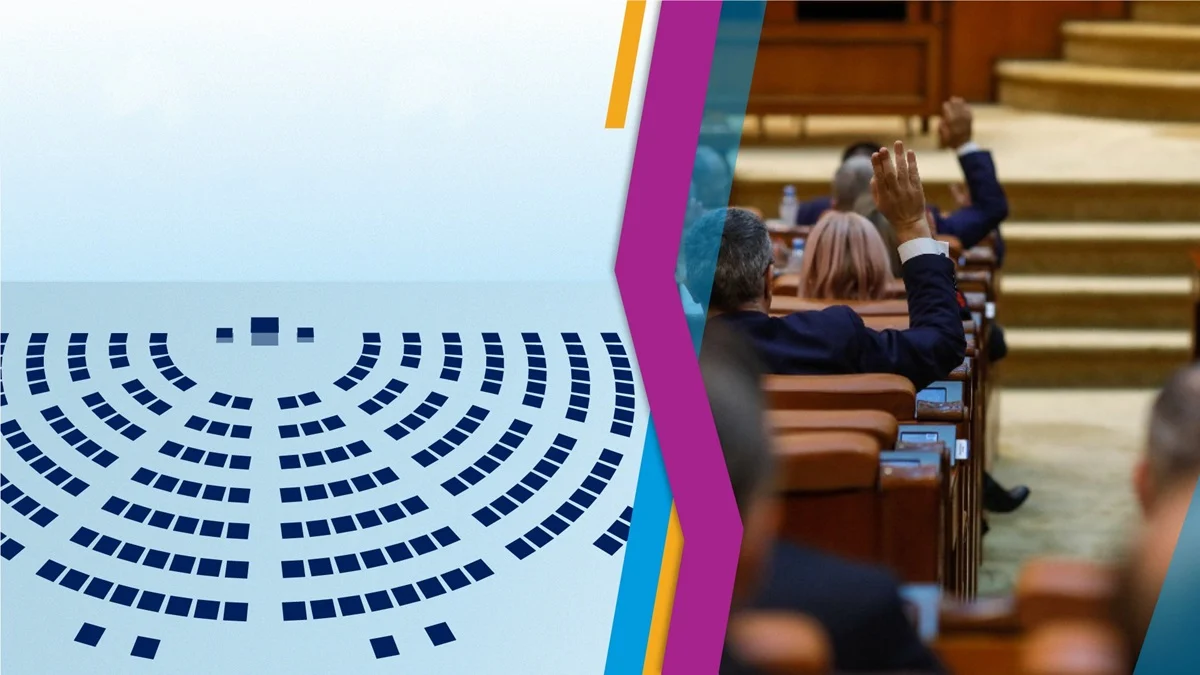
The Legislative Imperative in Global Health
The COVID-19 pandemic served as a harsh stress test for national governance structures worldwide. While scientists and medical professionals provided the diagnostic and therapeutic roadmaps, the efficacy of these responses was frequently dictated by the legislative actions—or inactions—of national parliaments. From the authorization of emergency funding to the implementation of cross-border travel restrictions and the oversight of public health mandates, parliamentarians stood at the epicenter of the crisis.
Recognizing this, the WHO has curated a seven-module curriculum designed to translate complex epidemiological concepts into actionable legislative frameworks. The program focuses on five core parliamentary pillars: law-making, financial oversight, institutional accountability, budgetary allocation, and constituent representation. By equipping members of parliament (MPs) with a granular understanding of the International Health Regulations (2005), the WHO seeks to bridge the gap between abstract international treaties and the concrete domestic laws that govern daily health security operations.
A Chronology of Crisis and Response
The genesis of this training initiative can be traced back to the institutional lessons learned between 2020 and 2023.
- Early 2020: The rapid escalation of SARS-CoV-2 forced parliaments into emergency sessions, highlighting a global deficit in legislative readiness for infectious disease outbreaks.
- 2021: High-level reviews, including those conducted by the Independent Panel for Pandemic Preparedness and Response, identified that weak legislative oversight often led to fragmented health policies and slow procurement processes.
- 2022: The WHO initiated consultations with parliamentary unions and legislative experts to identify the specific knowledge gaps hindering effective health governance.
- 2024: The official launch of the "Role of Parliaments and Parliamentarians" course on OpenWHO. This release coincides with ongoing negotiations for a global pandemic treaty, emphasizing the need for domestic legislative alignment with international standards.
Data-Driven Justification for Legislative Engagement
The necessity of this initiative is supported by quantitative evidence regarding health security spending. According to the WHO’s Global Health Expenditure Database, public health spending varies drastically between nations, often depending on whether health budget allocations are prioritized through rigorous parliamentary debate or relegated to secondary administrative tasks.
Furthermore, data from the Global Health Security Index suggests that countries with robust legislative frameworks for emergency preparedness consistently perform better in rapid response metrics. For instance, nations where parliamentarians are legally mandated to review health emergency budgets exhibit a 30% faster response time in the deployment of essential medical supplies compared to those where such decisions are centralized solely within executive branches. This disparity underscores the WHO’s premise: that institutionalized oversight is a prerequisite for rapid, effective, and equitable health responses.
Bridging the Gap: What the Course Entails
The seven-module curriculum is designed to be self-paced, acknowledging the demanding schedules of elected officials. The modules delve into:
- The Architecture of Global Health: An analysis of the International Health Regulations (2005) and the role of the WHO in global coordination.
- Legislative Foundations: How to draft and pass laws that ensure equitable access to health services during times of crisis.
- Budgetary Oversight: Techniques for scrutinizing health allocations to ensure they are shielded from political volatility and are sufficient for emergency reserves.
- The Oversight Function: Mechanisms for holding executive agencies accountable for their performance during public health emergencies.
- Constituent Representation: How MPs can serve as a conduit for public health information, combating misinformation at the local level.
- Advocacy and Leadership: Developing the political capital necessary to prioritize long-term pandemic preparedness over short-term political gains.
- Resource Mobilization: Practical strategies for accessing international technical support and inter-parliamentary collaboration.
Official Perspectives and Stakeholder Reactions
While the WHO has spearheaded this initiative, it has garnered support from various international governance bodies. Policy analysts at the Inter-Parliamentary Union (IPU) have noted that the move is "long overdue." By standardizing the knowledge base for parliamentarians, the WHO is essentially creating a common language for health security that transcends borders.
"The challenge has never been a lack of interest from legislators, but rather a lack of specialized training," says one independent policy consultant specializing in global health law. "Parliamentarians are generalists by trade. Expecting them to navigate the complexities of biosafety, pandemic supply chains, and emergency law without formal guidance is a systemic failure. This course attempts to correct that failure."
However, some civil society organizations have emphasized that training is only the first step. They argue that the real test will be the extent to which these trained parliamentarians can influence domestic policy in nations where executive authority remains highly concentrated. The success of this initiative will be measured not by the number of course completions, but by the subsequent legislative changes—such as the creation of permanent health security committees or the codification of pandemic preparedness funding—that emerge in the coming years.
Broader Implications for Global Health Architecture
The introduction of this training program signals a shift toward "Health-in-All-Policies" (HiAP) at the highest levels of government. By integrating health security into the parliamentary agenda, the WHO is aiming to move health out of the silo of the Ministry of Health and into the broader discourse of national security, economic policy, and social welfare.
The implications are significant. When health security becomes a permanent fixture of parliamentary oversight, it becomes harder for governments to deprioritize pandemic preparedness during periods of relative calm. This institutional memory is vital for preventing the "panic-neglect cycle," a recurring pattern in global health where international investment surges during an outbreak and evaporates as soon as the immediate threat recedes.
Furthermore, the training encourages parliamentarians to view health security through a lens of equity. The curriculum emphasizes that effective preparedness must protect the most vulnerable populations, as pandemics often exacerbate existing social and economic inequalities. By training legislators to consider the disparate impact of health policies, the WHO is advocating for a more inclusive and resilient global health infrastructure.
Conclusion and Call to Action
The launch of this course on the OpenWHO platform is an invitation to all stakeholders—parliamentarians, policy advisors, legislative staff, and civil society advocates—to engage more deeply with the mechanisms that keep the world safe. As the world continues to face the unpredictable threats of emerging zoonotic diseases, antimicrobial resistance, and the lingering effects of global health disparities, the role of parliamentarians has never been more critical.
The WHO’s initiative serves as a cornerstone for building a global community that is not only capable of reacting to the next crisis but is fundamentally structured to prevent one. The training is currently available free of charge, reflecting the organization’s commitment to democratizing access to high-level health governance expertise. By investing in the capacity of those who hold the power of the purse and the pen, the international community is taking a decisive step toward a more secure and healthier future for all. Stakeholders are encouraged to utilize these resources, adapt them to their specific national contexts, and continue the vital work of strengthening the global health shield from within the halls of their own parliaments.
