
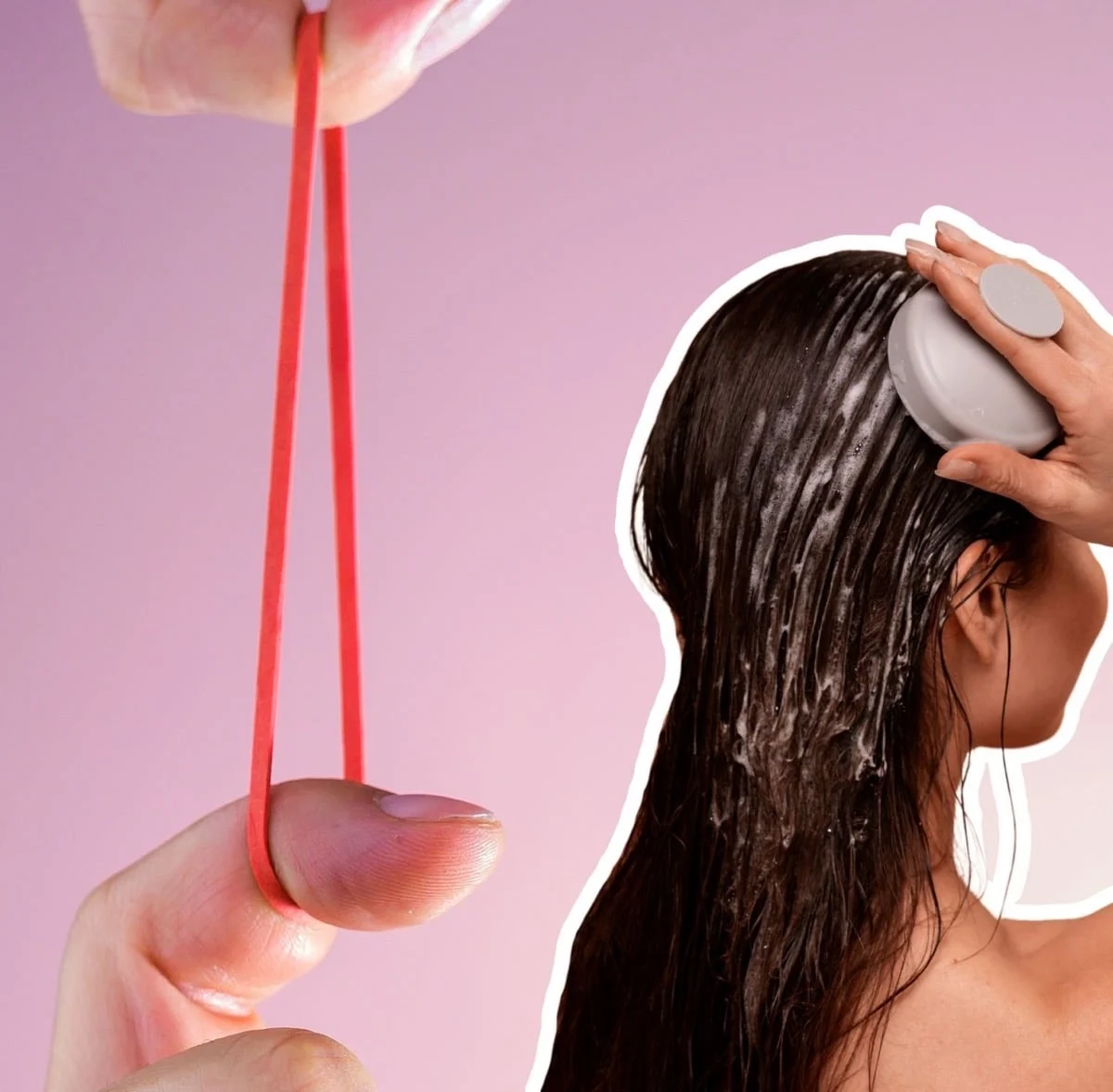
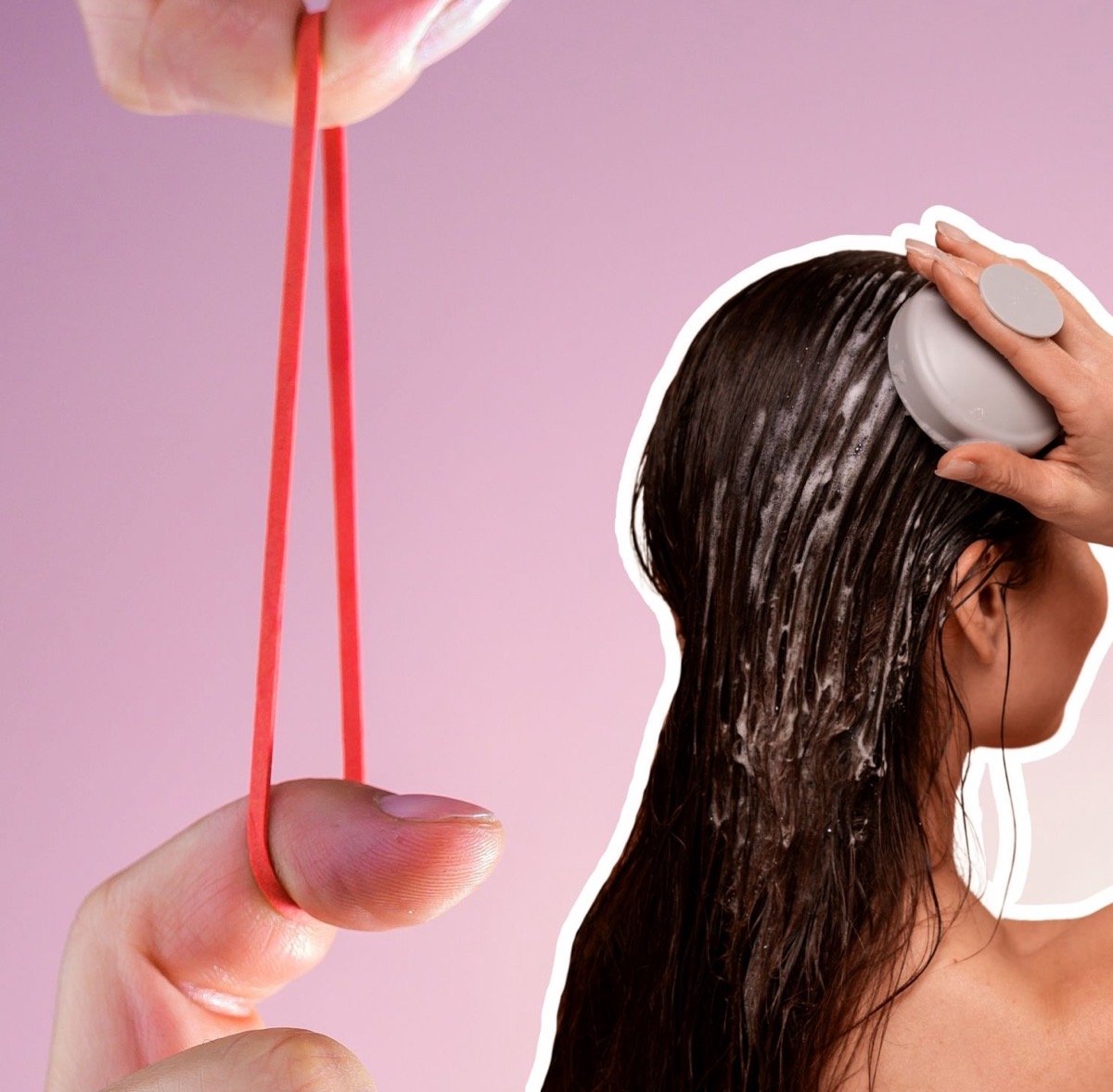
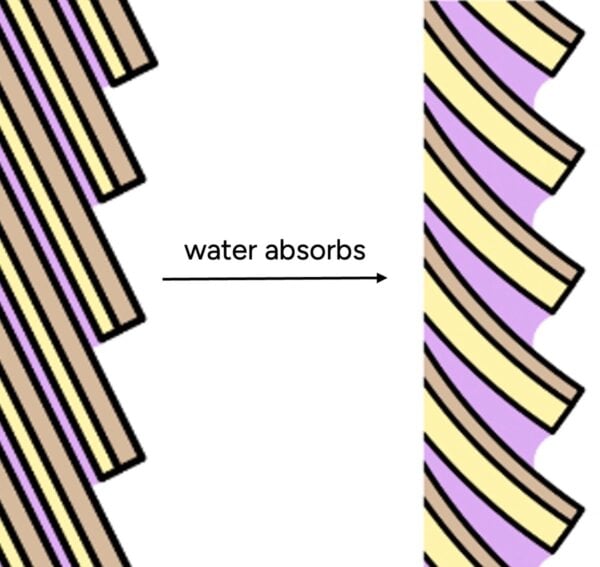
For decades, modern beauty culture and hair care routines have been built upon a foundation of unverified assumptions, folklore, and marketing-driven anxieties. Among the most pervasive of these beliefs is the concept of "hygral fatigue"—a term frequently cited across lifestyle blogs, digital forums, and even select peer-reviewed dermatological papers. According to this widely accepted narrative, the repetitive act of wetting and drying human hair causes structural degradation. The hypothesis posits that as water floods the hair shaft, it swells the cortex, forcing the protective cuticle layers outward. As the hair subsequently dries, it contracts. Proponents of the theory argue that this continuous mechanical stress cycle mimics the behavior of a stretched rubber band, eventually fatiguing the protein matrix and leading to structural snapping, split ends, and premature breakage.
Consequently, millions of consumers have adopted restrictive washing schedules, meticulously avoiding daily cleansing out of fear that water itself is secretly eroding their hair’s integrity. However, an examination of hair chemistry, molecular physics, and rigorous dermatological science reveals that hygral fatigue is largely a myth. Water going into and out of hair does not inherently cause structural damage. While wet hair is undeniably more fragile and susceptible to physical trauma, the fundamental mechanism of water absorption and desorption operates entirely differently than mechanical fatigue in synthetic polymers. Understanding the true science of hair hydration requires looking past cosmetic marketing and examining how molecular bonds actually respond to moisture.
At the heart of the misunderstanding lies a fundamental confusion regarding chemical bonding versus mechanical wear. In consumer advice columns, the rubber band analogy is frequently deployed to illustrate hygral fatigue. When a rubber band is stretched beyond its limits, permanent covalent bonds within the elastomer break down, creating microscopic tears that accumulate over time until the material snaps. Hair, however, is a complex biological structure composed primarily of keratin protein, bound together by a combination of strong disulfide bonds and weak, reversible hydrogen bonds.
When water molecules penetrate the hair fiber, they do not break permanent structural bonds; instead, they temporarily disrupt and replace hydrogen bonds between adjacent protein chains. These hydrogen bonds reform effortlessly as soon as the hair dries. A far more accurate analogy involves assembling and disassembling brand-name plastic building blocks rather than stretching an elastic band. The atoms and molecules participating in hydrogen bonding do not wear down, fracture, or fatigue through repeated hydration and dehydration cycles. The water content of human hair is dynamic, fluctuating naturally in response to ambient relative humidity in the environment regardless of whether an individual has washed their hair that day or simply stepped outside into a humid climate.
Despite the molecular realities of keratin and hydrogen bonding, the concept of hygral fatigue has managed to infiltrate scientific literature, largely originating from misinterpretations of historical hair drying and oil treatment studies. The persistence of the myth in academic circles can be traced back to a series of studies examining hair drying techniques and the protective efficacy of cosmetic oils.
A prominent point of reference frequently cited by proponents of hygral fatigue is a 2011 study investigating hair shaft damage resulting from various drying methods and temperatures. In this research, scientists observed distinct morphological anomalies, specifically localized bulges, in air-dried hair samples. The original researchers concluded that these structural deformations were the direct result of prolonged swelling caused by natural air drying, which supposedly induced physical stress on the hair fiber.
Independent hair scientists and dermatological reviewers have heavily scrutinized this conclusion, pointing out significant methodological vulnerabilities. Air drying is a universal human baseline; if natural drying processes routinely caused structural bulges and fiber fatigue, similar anomalies would be ubiquitous across virtually all microscopic analyses of human hair. It is far more plausible that the observed bulges were anomalies tied to specific pre-experimental variables—such as pre-existing environmental UV degradation or thermal damage—inherent to the specific donor hair samples utilized in the study, rather than a universal consequence of water exposure.
Further entrenching the myth of hygral fatigue are decades-old studies evaluating the efficacy of coconut oil as a protective pre-wash treatment. Multiple clinical investigations dating back to the late 1990s and 2000s proposed that coating hair in coconut oil could block moisture absorption, thereby supposedly shielding the hair fiber from hygral fatigue. While these studies accurately documented the undeniable benefits of coconut oil, they frequently referenced hygral fatigue as an established phenomenon without providing empirical citations or direct proof of its occurrence.
Subsequent critiques by advanced hair scientists, such as researcher Trefor Evans, highlighted experimental flaws in how moisture vapour sorption data was interpreted. Earlier studies measured hair weight before and after oil application in varying humidities, concluding that oil-treated hair absorbed less water because its weight increased by a smaller percentage. However, because the hair fiber weighed more initially due to the added mass of the oil coating, calculating water absorption as a percentage of total weight inherently skewed the mathematical results.
Furthermore, structural biology demonstrates that the human hair cuticle resembles a series of overlapping scales, akin to a pinecone. Microscopic water molecules are exceptionally small, easily navigating the natural gaps between cuticle edges. Consequently, no topical oil or cosmetic treatment can completely hermetically seal a hair fiber against atmospheric or liquid water. The notion that an oil barrier can prevent water from entering or leaving the hair shaft contradicts the fundamental porous nature of human keratin.
The debunking of hygral fatigue does not render hair care products or protective routines obsolete. While water itself does not chemically degrade hair through simple wetting and drying cycles, the physical state of wet hair introduces distinct vulnerabilities. When human hair is thoroughly saturated with water, its tensile strength temporarily drops, and the cuticle scales soften and lift slightly. This leaves the internal cortex significantly more susceptible to mechanical friction, aggressive towel-drying, rough detangling, and styling pressure.
Therefore, individuals who wash their hair frequently are not damaging their strands via hygral fatigue; rather, they are subjecting their hair to a higher frequency of mechanical manipulation while the hair is in its most fragile state. If an individual handles their wet hair aggressively every day, cumulative mechanical damage will occur. Conversely, individuals who practice gentle handling, utilize appropriate detangling tools, and apply softening conditioners can wash their hair daily without experiencing accelerated structural deterioration.
The commercial implications of the hygral fatigue myth are vast, influencing consumer spending habits across the global hair care industry. For years, marketing campaigns for "pre-shampoo treatments," specialized sealants, and low-frequency washing regimens have capitalized on consumer fears surrounding water damage. By convincing the public that daily washing is inherently destructive, brands have successfully marketed specialized barrier oils and dry shampoos as necessary protective shields.
A fact-based reassessment of hair science shifts the focus away from irrational fears of water and toward proper mechanical handling and formulation chemistry. Coconut oil and other botanical lipids do not prevent water absorption, but they continue to hold significant value in cosmetic science for entirely different reasons. Research confirms that coconut oil possesses a unique molecular structure capable of penetrating deeper into the hair fiber than many other mineral or vegetable oils. By infiltrating the intercellular cement—the lipid-rich cell membrane complex situated between the structural protein cells of the cortex—coconut oil effectively lubricates the internal matrix, reducing internal friction and cracking during mechanical stress.
Ultimately, the scientific consensus clarifies that water is not an enemy to human hair health. The anxiety surrounding hygral fatigue is an artifact of misunderstood molecular mechanics and misconstrued laboratory experiments. Consumers can safely discard the restrictive rules dictating infrequent washing schedules, provided they exercise proper care and gentleness when managing wet hair. By aligning hair care routines with verified biochemical principles rather than internet myths, consumers can optimize their maintenance practices and achieve healthier, more resilient hair.
