
Polycystic Ovary Syndrome (PCOS) remains one of the most prevalent and complex endocrine disorders, affecting approximately 8% to 13% of women of reproductive age globally. While historically viewed through the lens of reproductive health, modern clinical consensus now identifies PCOS as a systemic metabolic condition. For the majority of diagnosed patients, the most significant and distressing symptom is weight gain, specifically central adiposity, which is often resistant to conventional diet and exercise interventions. Medical researchers and healthcare practitioners are increasingly turning to targeted nutritional supplementation as a secondary line of defense to address the underlying hormonal and metabolic dysfunctions that drive weight gain in this population.
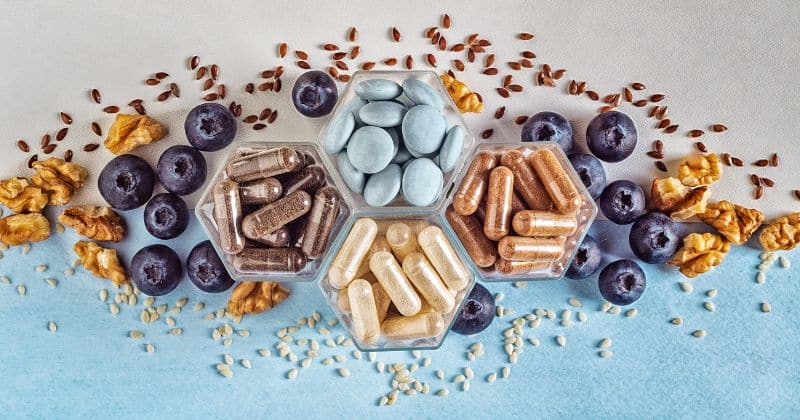
The difficulty in managing weight with PCOS is rooted in a physiological "vicious cycle" involving insulin resistance and hyperandrogenism. Between 50% and 70% of women with PCOS exhibit some degree of insulin resistance, regardless of their Body Mass Index (BMI). When the body’s cells become less responsive to insulin, the pancreas compensates by overproducing the hormone. High levels of circulating insulin not only promote fat storage—particularly in the abdominal region—but also stimulate the ovaries to produce excess testosterone. This hormonal imbalance further impairs glucose metabolism and increases appetite, making weight loss an uphill battle for those affected. To combat these systemic issues, five specific supplements have emerged in clinical literature as particularly effective: Inositol, N-acetylcysteine (NAC), Omega-3 fatty acids, Berberine, and Vitamin D.
The Evolution of PCOS Management: From Fertility to Metabolism
The medical community’s understanding of PCOS has evolved significantly since it was first described by Irving Stein and Michael Leventhal in 1935. Originally known as Stein-Leventhal Syndrome, the condition was initially treated as a purely gynecological issue centered on polycystic ovaries and infertility. However, the 1980s and 1990s brought a paradigm shift as researchers identified the critical role of insulin resistance in the syndrome’s pathogenesis.
By the time the Rotterdam Criteria were established in 2003—providing the current standard for diagnosis—it was clear that PCOS was a lifelong metabolic risk factor, predisposing women to Type 2 diabetes, cardiovascular disease, and non-alcoholic fatty liver disease (NAFLD). This shift in understanding has led to a more integrative approach to treatment. While pharmaceuticals like Metformin and hormonal contraceptives remain common, there is a growing demand for evidence-based nutraceuticals that offer fewer side effects and address the root causes of metabolic dysfunction.
1. Inositol: The Gold Standard for Insulin Sensitization
Inositol, specifically in the forms of Myo-inositol (MI) and D-chiro-inositol (DCI), is perhaps the most extensively researched supplement for PCOS management. Often classified as a pseudovitamin (Vitamin B8), inositol is a sugar alcohol that serves as a second messenger for insulin signaling. In women with PCOS, a deficiency in the conversion of Myo-inositol to D-chiro-inositol is frequently observed, leading to impaired insulin action and poor oocyte quality.
Clinical data suggests that a combination of these two isomers is more effective than either alone. A 2013 study published in the journal of Prevalence and Clinical Profile of Insulin Resistance in Young Women highlighted that inositol supplementation significantly reduces serum insulin levels and improves the HOMA-IR index, a standard measure of insulin resistance. By enhancing insulin sensitivity, inositol reduces the body’s need for high insulin production, which in turn lowers testosterone levels. This hormonal stabilization is a critical precursor to weight loss. The industry-standard ratio for supplementation is 40:1 (Myo to D-chiro), mimicking the natural physiological ratio found in healthy plasma.

2. N-acetylcysteine (NAC): Antioxidant Support and Glucose Regulation
N-acetylcysteine (NAC) is a derivative of the amino acid L-cysteine and serves as a precursor to glutathione, the body’s most potent endogenous antioxidant. While NAC has been used for decades in emergency medicine for acetaminophen overdoses and as a mucolytic agent, its role in PCOS is linked to its ability to reduce oxidative stress and improve insulin receptor activity.
A landmark study published in Fertility and Sterility compared the effects of NAC to Metformin in women with PCOS. The researchers found that NAC not only improved insulin sensitivity but also led to a significant decrease in BMI and waist-to-hip ratio. Furthermore, NAC has shown promise in improving ovulation rates and fertility outcomes. By neutralizing reactive oxygen species (ROS) that contribute to chronic low-grade inflammation—a hallmark of PCOS—NAC helps to break the inflammatory cycle that often leads to weight gain and metabolic stagnation. Clinical dosages typically range from 600 mg to 1,800 mg daily, divided into multiple doses to ensure steady plasma levels.
3. Omega-3 Fatty Acids: Combating Inflammation and Lipid Dysfunction
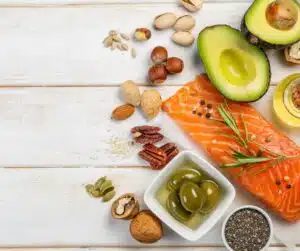
Omega-3 fatty acids, primarily found in fish oil (EPA and DHA), are essential nutrients that play a vital role in regulating lipid profiles and reducing systemic inflammation. Women with PCOS often present with dyslipidemia, characterized by high triglycerides and low HDL (good) cholesterol, both of which are exacerbated by abdominal obesity.
Research published in Reproductive Biology and Endocrinology in 2018 conducted a systematic review and meta-analysis on the effectiveness of Omega-3s for PCOS. The findings indicated that Omega-3 supplementation significantly reduced testosterone levels and increased levels of Sex Hormone-Binding Globulin (SHBG). SHBG is a protein that binds to testosterone in the blood; when SHBG is low, more "free" testosterone is available to cause symptoms like acne, hair loss, and weight gain. By increasing SHBG and reducing inflammation, Omega-3s help regulate the metabolic rate and decrease the adipose tissue’s production of pro-inflammatory cytokines. This makes it easier for the body to mobilize stored fat for energy.
4. Berberine: A Natural Alternative to Metformin
Berberine is an alkaloid extracted from several plants, including goldenseal and barberry. In the world of metabolic health, it is often referred to as "natural Metformin" due to its ability to activate the enzyme Adenosine Monophosphate-activated Protein Kinase (AMPK). AMPK is often called the "metabolic master switch" because it regulates how the body uses and stores energy.
A study featured in Verywell Health and various endocrinology journals notes that Berberine can be as effective as Metformin in reducing blood glucose and improving insulin resistance. However, Berberine offers unique advantages for weight loss; it has been shown to inhibit the differentiation of adipocytes (fat cells) and improve the health of the gut microbiome. A healthy gut microbiome is increasingly recognized as a key factor in weight management, as certain bacteria can influence calorie absorption and cravings. For women with PCOS, Berberine provides a multi-targeted approach by lowering androgens, improving the lipid profile, and directly assisting in the reduction of visceral fat.
5. Vitamin D: The Hormonal Regulator
Despite its name, Vitamin D functions more like a pro-hormone than a traditional vitamin. It is estimated that between 67% and 85% of women with PCOS are deficient in Vitamin D. This deficiency is not merely a byproduct of the condition but a contributing factor to its severity. Vitamin D receptors are located throughout the body, including in the pancreas and the ovaries, where they influence insulin secretion and follicular development.
Adequate Vitamin D levels are essential for glucose metabolism. Low levels are strongly correlated with insulin resistance, obesity, and increased risk of cardiovascular disease. Clinical trials have demonstrated that Vitamin D supplementation can lead to a decrease in fasting glucose and a reduction in the markers of inflammation. Moreover, Vitamin D plays a crucial role in mood regulation by assisting in the production of serotonin. Given that women with PCOS are at a higher risk for depression and anxiety—which can lead to emotional eating—maintaining optimal Vitamin D levels (typically above 30 ng/mL) is a foundational requirement for any weight loss strategy.
Analysis of Implications: A Shift Toward Integrative Care
The integration of these supplements into standard PCOS care represents a significant shift in the medical landscape. For decades, the "pill for every ill" approach dominated PCOS treatment, often masking symptoms without addressing the underlying metabolic dysfunction. The emerging data on Inositol, NAC, Berberine, and others suggest that a "nutraceutical-first" or "integrative" approach may offer a more sustainable path for long-term health.
Endocrinologists and nutritionists are increasingly advocating for personalized supplement protocols tailored to a patient’s specific "PCOS phenotype." For example, a patient with primary insulin resistance might benefit most from Berberine and Inositol, while a patient with high inflammatory markers might prioritize NAC and Omega-3s. This move toward precision medicine allows for better patient outcomes and a reduction in the metabolic complications associated with the syndrome.
Broader Impact and Future Outlook
The broader impact of utilizing supplements for PCOS weight loss extends beyond aesthetics. By managing weight and improving insulin sensitivity through these natural compounds, women can significantly lower their risk of developing Type 2 diabetes and metabolic syndrome. This has profound implications for public health, as the economic and social burden of chronic metabolic diseases continues to rise.
However, medical professionals caution that supplements are not a "magic pill." They are most effective when used as part of a comprehensive management plan that includes a low-glycemic diet, regular resistance training, and adequate stress management. Exercise, in particular, works synergistically with supplements like Berberine and Inositol to enhance GLUT4 translocation, the process by which cells pull glucose from the bloodstream.
As research continues to unfold, the role of the gut-brain-skin axis in PCOS is becoming a new frontier for study. Future clinical trials are expected to look deeper into the role of probiotics and their interaction with supplements like Berberine to further refine weight loss strategies. For now, the evidence supporting Inositol, NAC, Omega-3s, Berberine, and Vitamin D provides a robust framework for women with PCOS to reclaim their metabolic health and achieve sustainable weight loss. Patients are advised to consult with a healthcare provider to determine the correct dosages and ensure there are no contraindications with existing medications. With the right combination of clinical oversight and evidence-based supplementation, the "constant battle" of PCOS weight loss can be transformed into a manageable and successful journey toward wellness.
