
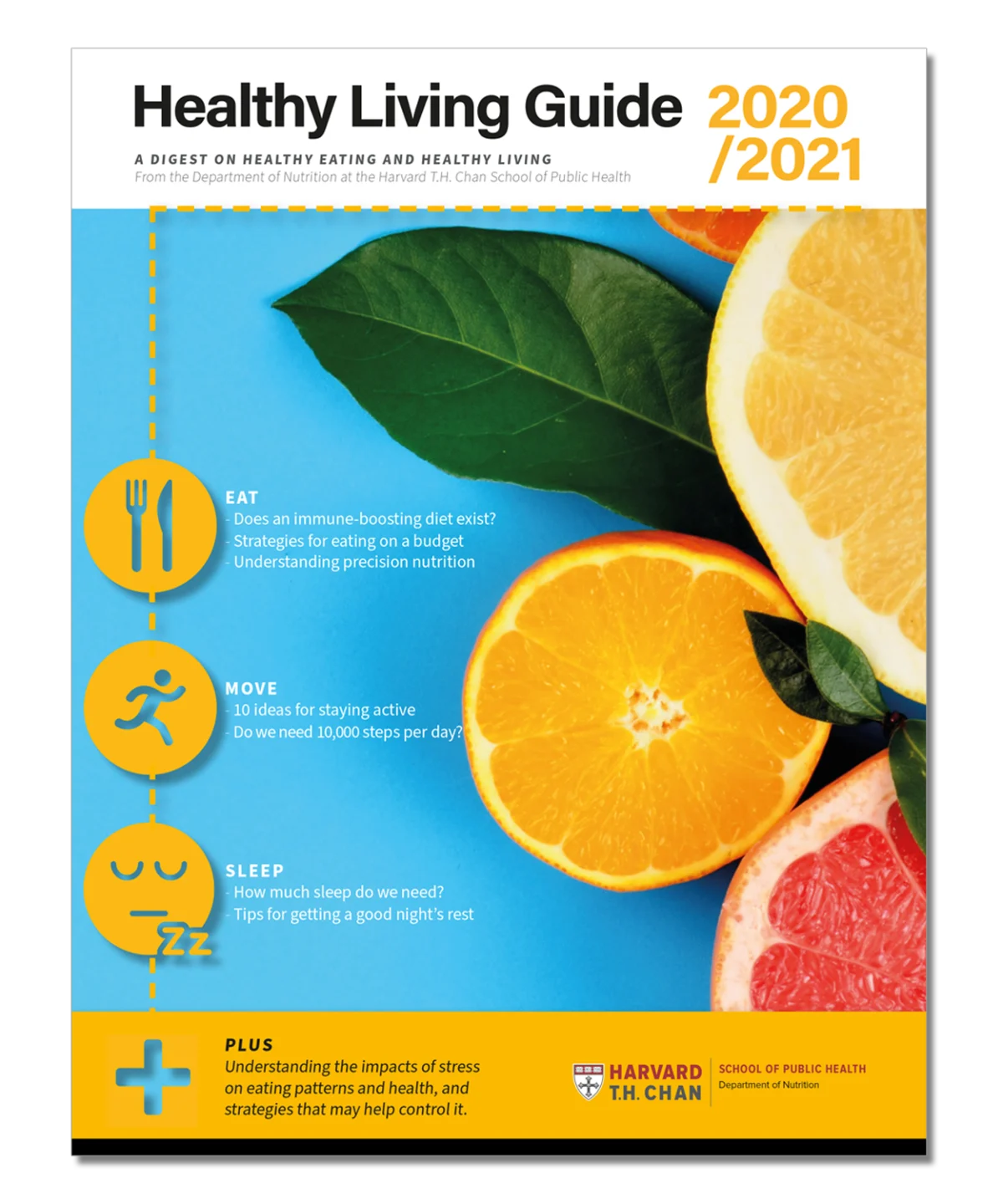
The launch of the fourth edition of the Healthy Living Guide marks a significant moment for the Department of Nutrition, ushering in the new year with a comprehensive resource for promoting well-being. This latest iteration, released at the start of 2024, not only consolidates crucial advice on nutrition, physical activity, and sleep but also deeply integrates the principles of mindfulness, a core tenet of the recently established Thich Nhat Hanh Center for Mindfulness in Public Health. The guide, available as a downloadable PDF, aims to empower individuals and communities with evidence-based strategies for healthier lives, reflecting a growing understanding of the interconnectedness of personal health and societal well-being.
The Genesis of the Healthy Living Guide and the Thich Nhat Hanh Center
The Healthy Living Guide has evolved over its four editions into a cornerstone publication for the Harvard T.H. Chan School of Public Health’s Department of Nutrition. Each year, it distills complex scientific findings into actionable advice, covering fundamental pillars of health. The 2023-2024 edition, however, represents a notable expansion of this mission, directly influenced by the establishment of the Thich Nhat Hanh Center for Mindfulness in Public Health.
The Center, launched in 2023, is dedicated to exploring and implementing mindfulness practices to enhance public health outcomes on a global scale. Its inception signifies a strategic investment in understanding how mental states and practices can be leveraged to foster healthier populations, moving beyond individual-level interventions to address systemic well-being. A primary area of focus for the Center is mindful eating and its multifaceted impact on both individual health and the health of the planet. This aligns perfectly with the Healthy Living Guide’s commitment to providing holistic health recommendations.
The integration of mindfulness into the guide is not merely thematic; it is rooted in emerging research demonstrating the profound effects of present-moment awareness on dietary choices, physical activity engagement, and sleep quality. By emphasizing mindful eating, the guide encourages a more conscious and appreciative relationship with food, potentially leading to better digestion, improved satiety, and a reduction in impulsive or unhealthy food consumption. This approach also extends to physical activity, promoting enjoyment and consistency, and to sleep, fostering a calmer pre-sleep routine.
Key Themes and Research Highlights in the 2023-2024 Guide
The 2023-2024 Healthy Living Guide delves into several critical areas of health research, offering both insights and practical recommendations. Among the prominent topics are:
-
Ultra-Processed Foods and Mental Health: This section addresses the growing body of evidence linking the consumption of ultra-processed foods (UPFs) to adverse mental health outcomes. UPFs, often characterized by high levels of added sugars, unhealthy fats, and artificial ingredients, and low in essential nutrients and fiber, have been increasingly scrutinized for their detrimental effects. Research published in journals like JAMA Psychiatry has indicated associations between higher UPF intake and an increased risk of depression and anxiety. The guide likely provides context on the mechanisms behind these links, such as inflammation, gut microbiome dysbiosis, and nutrient deficiencies, and offers strategies for reducing UPF consumption by prioritizing whole, unprocessed foods.
-
The Power of Movement: Zumba and Physical Activity: Recognizing the importance of enjoyable and accessible forms of exercise, the guide highlights initiatives like Zumba. This popular dance fitness program combines Latin and international music with easy-to-follow dance moves, offering a dynamic and engaging way to improve cardiovascular health, burn calories, and boost mood. By featuring such programs, the guide encourages individuals to find physical activities they genuinely enjoy, which is crucial for long-term adherence and motivation. Data from the American Heart Association consistently shows that regular physical activity can reduce the risk of heart disease, stroke, type 2 diabetes, and certain cancers, underscoring the guide’s emphasis on movement.
-
Sleep Chronotypes and Health: The guide also explores the concept of sleep chronotypes – an individual’s natural inclination to sleep and wake at certain times. Understanding whether one is an "early bird," "night owl," or somewhere in between is crucial for optimizing sleep health and, consequently, overall well-being. The guide likely presents research on how aligning daily routines with one’s chronotype can improve sleep quality, cognitive function, and metabolic health. Disruptions to natural sleep-wake cycles, often associated with modern lifestyles and shift work, have been linked to increased risks of obesity, diabetes, and mood disorders. The guide aims to educate readers on recognizing their chronotype and making informed decisions about sleep scheduling.
Broader Implications and Expert Perspectives
The approach taken by the Department of Nutrition, as exemplified by the Healthy Living Guide, reflects a broader shift in public health discourse. The increasing recognition of mental well-being as an integral component of physical health, and the acknowledgment of the environmental impact of dietary choices, are critical developments.
Dr. Walter Willett, a leading figure in nutritional epidemiology and former Chair of the Department of Nutrition at Harvard, has consistently advocated for a systems-level approach to health. His work emphasizes the interconnectedness of diet, lifestyle, and chronic disease prevention, and the need for public health strategies that address both individual behavior and the broader food environment. The inclusion of mindfulness principles in the guide aligns with this holistic perspective, suggesting that cultivating a more conscious and intentional approach to living can yield significant health benefits.
The Thich Nhat Hanh Center’s focus on applying mindfulness to public health is particularly timely. As global health challenges become increasingly complex, innovative approaches are needed. Mindfulness, with its emphasis on awareness, compassion, and interconnectedness, offers a powerful framework for fostering individual resilience and promoting collective well-being. The Center’s commitment to research in this area promises to yield valuable insights into how these practices can be scaled to impact population health effectively.
The implications of this integrated approach are far-reaching. By empowering individuals with knowledge about nutrition, physical activity, sleep, and mindfulness, the guide contributes to the prevention of chronic diseases, the reduction of healthcare costs, and the enhancement of overall quality of life. Furthermore, by highlighting the links between personal health and planetary health, it encourages more sustainable choices, such as those related to food production and consumption.
Accessibility and Engagement
The Healthy Living Guide is designed for broad accessibility. The downloadable PDF format allows individuals to print key sections, including tip sheets and summaries, making the information readily available in various settings. The inclusion of direct links to full online articles provides an avenue for those seeking deeper dives into specific research topics. This tiered approach caters to diverse learning preferences and levels of engagement.
Moreover, the guide incorporates elements of interactive learning. The inclusion of a "Test your healthy living knowledge" section, with answers found in the previous year’s guide, encourages active recall and reinforces learning. This gamified approach can enhance retention and make the process of health education more engaging and enjoyable. By prompting readers to revisit the 2022-2023 edition, the department also ensures continued engagement with its valuable resources.
Looking Ahead: A Mindful Future for Health
The publication of the 2023-2024 Healthy Living Guide represents a forward-looking vision for health and well-being. By championing a holistic approach that integrates nutrition, physical activity, sleep, and mindfulness, the Department of Nutrition at Harvard T.H. Chan School of Public Health is providing a roadmap for a healthier future. The commitment to research, dissemination of evidence-based information, and the embrace of innovative practices like mindfulness, as spearheaded by the Thich Nhat Hanh Center, positions this guide as an essential resource for individuals and communities striving for fulfilling and healthy lives in 2024 and beyond. The message is clear: a healthy life is not just about what we consume or how we move, but also about how we cultivate our inner state and our connection to the world around us.
