
Polycystic Ovary Syndrome (PCOS) remains one of the most prevalent endocrine disorders among women of reproductive age, affecting approximately 8% to 13% of the global female population. While many individuals experience menstruation as a manageable monthly occurrence characterized by mild discomfort, those diagnosed with PCOS often face a significantly more debilitating reality. The condition, characterized by hormonal imbalances, excess androgen levels, and the presence of small cysts on the ovaries, frequently manifests through irregular cycles and severe menstrual pain, medically known as dysmenorrhea. For this demographic, traditional over-the-counter remedies often prove insufficient, necessitating a multi-faceted and clinical approach to pain management that encompasses pharmacological interventions, lifestyle modifications, and nutritional therapy.
The Physiological Basis of PCOS-Related Pain
To understand why PCOS sufferers experience heightened levels of pain, it is essential to examine the biological mechanisms of menstruation. Menstrual cramps are primarily driven by prostaglandins, lipid compounds with hormone-like effects that are synthesized in the lining of the uterus. These compounds trigger the uterine muscles to contract in order to expel the endometrial lining. While this is a standard physiological process, elevated levels of prostaglandins lead to more intense and frequent contractions, which can restrict blood flow to the uterine tissue, resulting in significant pain.
In the context of PCOS, this pain is often categorized as secondary dysmenorrhea because it is linked to an underlying reproductive disorder. Unlike primary dysmenorrhea, which typically decreases with age or after childbirth, secondary dysmenorrhea associated with PCOS can be persistent and may involve additional complications such as heavy menstrual bleeding (menorrhagia) and the passage of large blood clots. These symptoms not only increase physical distress but also elevate the risk of secondary conditions like iron-deficiency anemia, further contributing to the fatigue and dizziness reported by many patients.
Clinical Analysis of Dysmenorrhea Symptoms
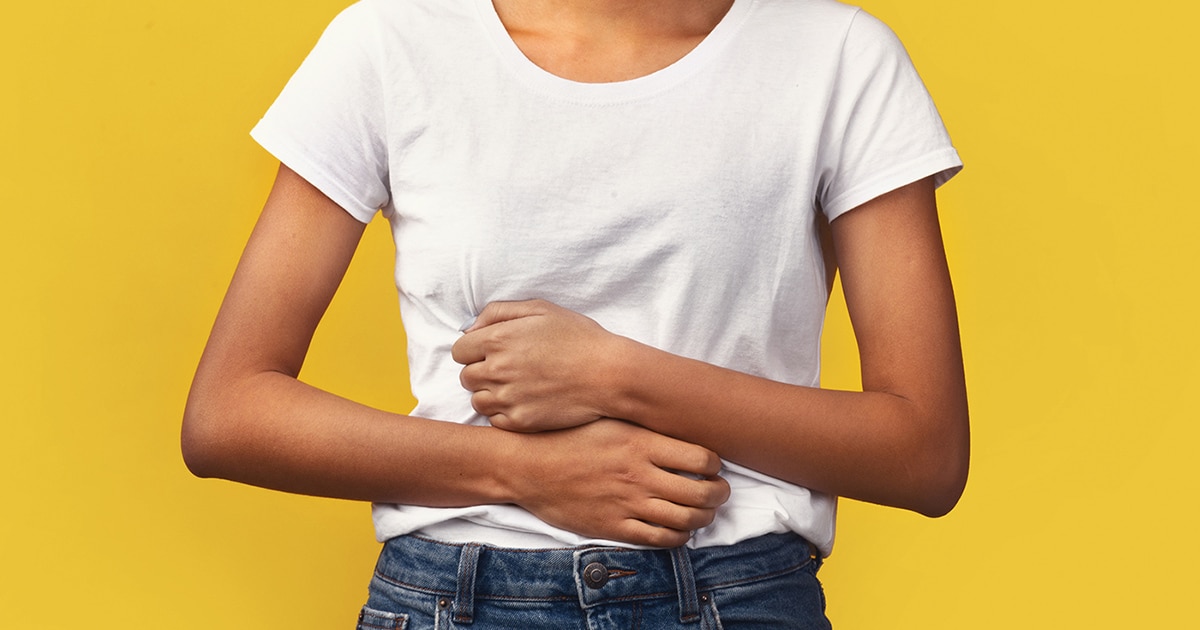
The pain associated with PCOS-related dysmenorrhea is often described as a deep, throbbing ache or sharp, stabbing sensations localized in the lower abdomen. However, the impact is rarely confined to the uterus. Patients frequently report referred pain radiating to the lower back, hips, and down the thighs. Systematic reviews of patient experiences indicate that these episodes are often accompanied by systemic symptoms, including gastrointestinal distress (such as nausea and loose stools), migraines, and significant emotional exhaustion.
A 2019 study published in Obstetrics & Gynecology Science highlighted a specific correlation between polycystic ovarian morphology and the severity of primary dysmenorrhea in young women. The findings suggested that the structural changes in the ovaries and the associated hormonal volatility could exacerbate the inflammatory response during the menstrual phase, leading to pain levels that leave many women incapacitated and unable to fulfill professional or personal obligations.
Pharmacological Interventions: NSAIDs and Hormonal Regulation
For many years, Non-Steroidal Anti-Inflammatory Drugs (NSAIDs) such as ibuprofen and naproxen have been the first line of defense against menstrual pain. Their primary mechanism involves the inhibition of cyclooxygenase (COX) enzymes, which are responsible for the production of prostaglandins. By reducing prostaglandin levels, NSAIDs can effectively diminish the intensity of uterine contractions. Furthermore, clinical data suggests that NSAIDs can reduce the volume of menstrual blood loss in women with PCOS, addressing the issue of heavy bleeding.
When over-the-counter NSAIDs are insufficient, medical professionals often turn to hormonal contraceptives. These include combination oral pills (containing both estrogen and progestin), progestin-only "mini-pills," vaginal rings, and transdermal patches. Hormonal birth control works by suppressing ovulation and thinning the endometrial lining, which leads to lighter, more regular, and significantly less painful periods. For women with PCOS, these treatments offer the added benefit of managing other symptoms, such as hirsutism (excess hair growth) and hormonal acne, by regulating androgen levels.

The Role of Physical Activity in Symptom Mitigation
While the instinct during a painful menstrual episode is often to remain sedentary, evidence suggests that regular physical activity can serve as a potent tool for long-term pain management. A 2017 evidence-based review in the Saudi Journal of Sports Medicine found that exercise significantly improves menstrual regularity in women with PCOS. Physical activity helps improve insulin sensitivity, which is a core metabolic concern for the majority of PCOS patients.
Experts recommend a variety of exercise modalities depending on the individual’s comfort level. During the menstrual phase, low-impact activities such as swimming, brisk walking, or aquatic aerobics can maintain circulation without placing undue stress on the body. In the broader context of the menstrual cycle, incorporating strength training and high-intensity interval training (HIIT) has been shown to assist in weight management and the reduction of systemic inflammation, both of which are critical for reducing the severity of monthly cramps.
Heat Therapy and Metabolic Benefits
Heat therapy is a traditional remedy that has recently gained renewed scientific interest for its metabolic implications in PCOS patients. The application of heat via electric pads, hot water bottles, or warm baths works by increasing blood flow to the pelvic region and relaxing the uterine muscles.
Beyond immediate pain relief, research published in the American Journal of Physiology-Endocrinology and Metabolism in 2019 indicated that regular heat therapy might offer systemic benefits for obese women with PCOS. The study observed improvements in glucose tolerance and adipose tissue insulin signaling following consistent heat treatments. This suggests that heat therapy may do more than just dull pain; it may play a role in improving the overall metabolic health of women struggling with the syndrome.

Nutritional Strategies and Micronutrient Supplementation
Dietary choices play a pivotal role in modulating the inflammatory environment of the body. Women with PCOS are encouraged to adopt an anti-inflammatory diet rich in whole foods. Specific micronutrients have been identified as particularly beneficial:
- Vitamin D: Approximately 85% of women with PCOS are deficient in Vitamin D. This deficiency is linked to increased inflammation and insulin resistance. Supplementation has been shown to help regulate the menstrual cycle and reduce the severity of dysmenorrhea.
- Magnesium and Vitamin E: Both nutrients are known for their ability to relax smooth muscle tissue and inhibit the inflammatory pathways that lead to prostaglandin production.
- Omega-3 Fatty Acids: Found in fatty fish, walnuts, and flaxseeds, Omega-3s are potent anti-inflammatory agents that also help in lowering testosterone levels, a common goal in PCOS management.
Conversely, the consumption of caffeine and refined sugars is discouraged. Caffeine acts as a vasoconstrictor, which can tighten the blood vessels and the uterus, potentially worsening cramps. High sugar intake can lead to blood sugar spikes and increased inflammation, further exacerbating the pain response.
Holistic Approaches and Hydration
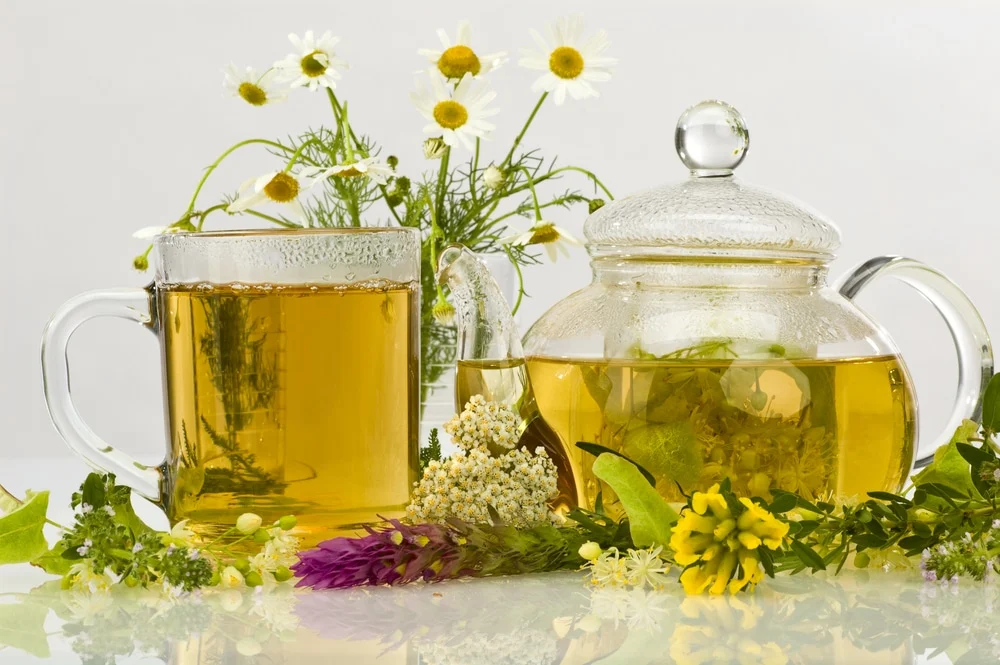
Complementary therapies, such as the use of herbal infusions, have gained traction in the management of PCOS. Adaptogenic teas, such as Red Reishi, may help the body manage the physiological stress associated with hormonal fluctuations. Similarly, stinging nettle tea (Urtica dioica) is noted for its anti-inflammatory properties and its potential to lower blood sugar and testosterone levels.
Hydration also remains a fundamental, yet often overlooked, component of pain management. Adequate water intake helps the body flush out excess sodium, thereby reducing bloating. Since pelvic bloating can increase the pressure on the uterus and worsen the sensation of cramping, maintaining proper fluid balance is essential. Drinking warm water, in particular, can have a soothing effect on internal muscles.
Socio-Economic Impact and the Need for Specialized Care
The implications of untreated or poorly managed PCOS-related pain extend beyond the individual. There is a significant socio-economic burden associated with the condition, characterized by "presenteeism" (reduced productivity while at work) and absenteeism. Many women feel forced to take "sick days" every month, which can impact career progression and financial stability.
Furthermore, the psychological toll of living with chronic, recurring pain cannot be ignored. There is a documented higher prevalence of anxiety and depression among women with PCOS, often fueled by the unpredictability of their cycles and the severity of their physical symptoms.
Future Outlook and Medical Implications
As the medical community continues to broaden its understanding of women’s health, the approach to PCOS is shifting from merely managing symptoms to addressing the root endocrine and metabolic disturbances. Future research is expected to focus on personalized medicine, utilizing genetic profiling to determine which patients will respond best to specific hormonal or nutritional interventions.
The current consensus emphasizes that women should not be resigned to a life defined by menstrual pain. Through a combination of evidence-based medical treatments and proactive lifestyle adjustments, it is possible to mitigate the impact of PCOS. Patients are encouraged to work closely with gynecologists and endocrinologists to develop a tailored management plan that addresses their unique hormonal profile and lifestyle needs. By integrating pharmacological support with nutritional and physical strategies, the "pause button" that PCOS often forces on a woman’s life can be effectively removed, allowing for greater autonomy and improved quality of life.
