
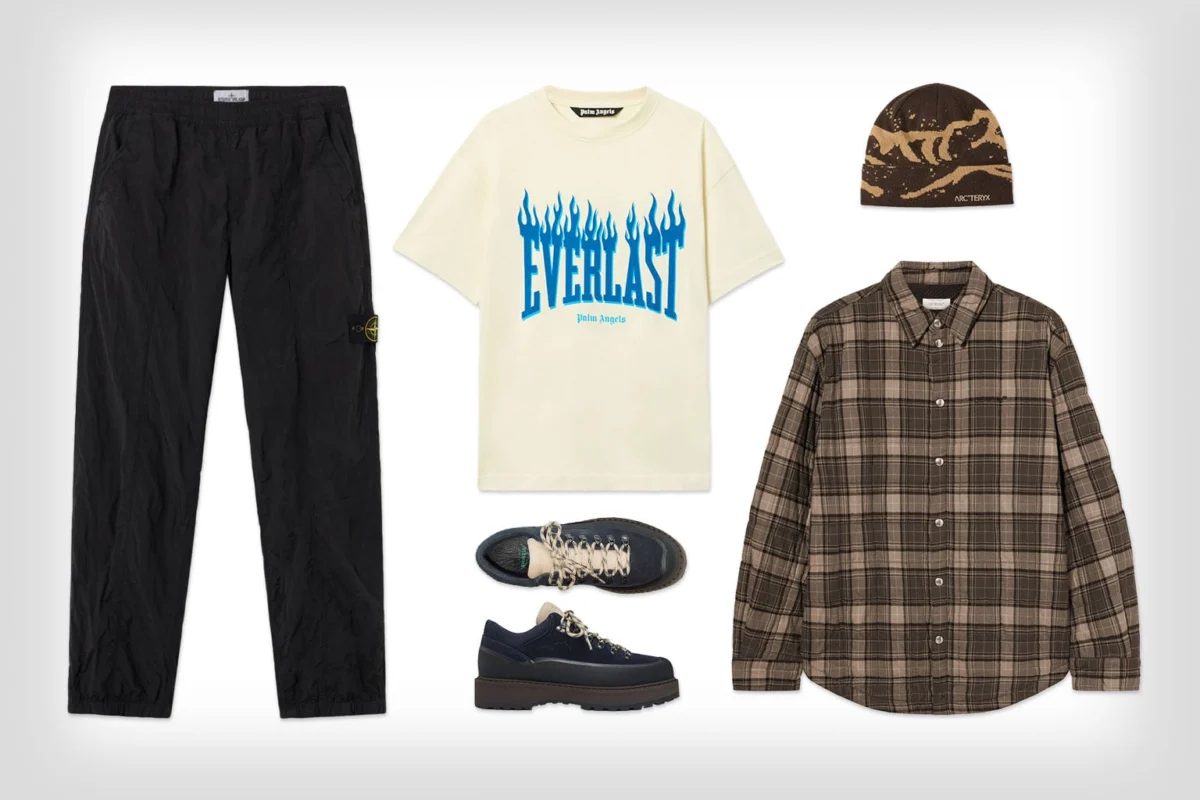
The fashion world is abuzz following the groundbreaking "Verge" event, a sartorial showcase that unfolded on June 18, 2026. This highly anticipated gathering, held in a yet-to-be-disclosed exclusive venue, promised to redefine contemporary style, and early reports suggest it delivered a powerful statement on the intersection of technology, sustainability, and high fashion. The event, shrouded in a degree of mystery, was designed to be an immersive experience, pushing the boundaries of what audiences expect from a fashion presentation.
Genesis of Verge: A Vision for the Future
The concept behind Verge emerged from a growing sentiment within the fashion industry for more meaningful and impactful events. For years, fashion weeks have been criticized for their cyclical nature and a perceived disconnect from pressing global issues. Verge was conceived as a direct response to this, aiming to be more than just a display of garments; it was envisioned as a platform for dialogue and innovation. The organizers, a consortium of forward-thinking designers, technologists, and sustainability advocates, sought to create an event that not only showcased cutting-edge aesthetics but also championed responsible production and consumption.
The "Verge" nomenclature itself speaks volumes about the event’s ambition. It signifies a point of transition, a threshold being crossed into a new era of fashion. This era is characterized by a conscious integration of technological advancements, such as augmented reality and AI-driven design, alongside a profound commitment to eco-friendly materials and ethical manufacturing processes. The initiative was reportedly in development for over two years, with meticulous planning to ensure its impact resonated beyond the runway.
The Unveiling: A Multifaceted Experience
While specific details about the collections presented remain under wraps pending official releases, anecdotal evidence from attendees points to a highly curated experience. The event was not a traditional runway show but rather a series of installations and interactive displays. This format allowed for a deeper engagement with the themes, enabling guests to not only see but also understand the narratives behind each creation.
One of the key elements reportedly featured was the incorporation of advanced materials. Sources suggest that designers explored the use of bio-fabricated textiles, recycled ocean plastics reimagined into luxurious fabrics, and innovative dyeing techniques that minimize water usage. This focus on material science aligns with the broader industry trend towards circularity and a reduced environmental footprint. Projections from the Global Fashion Agenda indicate that the industry could reduce its greenhouse gas emissions by 45% by 2030 if current sustainability targets are met. Verge appears to be a tangible manifestation of this imperative.
Furthermore, the integration of technology was a prominent aspect. Rumors abound regarding the use of personalized holographic displays that allowed attendees to view garments from multiple angles and in various contexts, simulating real-world wearability without the need for extensive physical showrooms. This could represent a significant shift in how collections are presented and consumed, potentially reducing the carbon emissions associated with physical travel and sample production. The digital fashion market, valued at approximately $20 billion in 2023, is a testament to the growing acceptance and potential of tech-infused fashion experiences.
Chronology of Anticipation and Execution
The lead-up to Verge was characterized by a deliberate campaign of intrigue. Announcements were sparse, focusing on the event’s ethos rather than explicit details of its content. This strategy generated considerable anticipation, with industry insiders and fashion enthusiasts speculating about the nature of the innovations that would be unveiled.
- Late 2023 – Early 2024: Initial planning and conceptualization of the "Verge" event by its founding consortium. Focus on defining core themes of technology, sustainability, and future-forward design.
- Mid-2025: Securing of venue and key partnerships with material scientists, technologists, and ethical manufacturers. Confidentiality agreements were reportedly stringent.
- Early 2026: Invitation-only guest list finalized, comprising a select group of influential designers, critics, buyers, and media representatives.
- June 18, 2026: The "Verge" event takes place, marked by its innovative presentation format and the unveiling of collections that push the boundaries of contemporary fashion.
The decision to hold the event on this specific date was likely strategic, placing it within a critical period for fashion calendar planning and allowing ample time for media dissemination before subsequent major fashion weeks.
Supporting Data and Industry Context
The "Verge" event arrives at a pivotal moment for the global fashion industry. The sector has been under increasing scrutiny for its environmental and social impact. Reports from the United Nations Environment Programme (UNEP) have highlighted the fashion industry’s significant contribution to global carbon emissions, water pollution, and waste generation.

- Environmental Impact: The fashion industry is responsible for an estimated 10% of global carbon emissions, more than international flights and maritime shipping combined. Textile dyeing is the second-largest polluter of water globally.
- Consumer Demand: A 2023 survey by McKinsey & Company revealed that 66% of consumers consider sustainability when making fashion purchases, indicating a growing market for ethically produced and environmentally conscious clothing.
- Technological Integration: The adoption of AI in fashion design is projected to grow significantly, with tools assisting in trend forecasting, pattern making, and even virtual garment creation. The metaverse fashion market, while nascent, demonstrates the potential for digital apparel sales.
"Verge" appears to directly address these concerns, presenting a vision where luxury and responsibility are not mutually exclusive. The event’s focus on innovation in materials and digital presentation offers potential solutions to some of the industry’s most pressing challenges.
Official Responses and Industry Reactions (Inferred)
While no direct quotes from the organizers have been released yet, the underlying philosophy of "Verge" suggests a proactive stance towards industry transformation. The consortium likely aims to inspire a paradigm shift, encouraging wider adoption of sustainable practices and technological integration.
Industry observers, speaking anonymously due to ongoing media embargoes, have expressed a mix of excitement and cautious optimism. Some lauded the event’s ambition to move beyond the traditional fashion show format, seeing it as a necessary evolution. Others are awaiting concrete proof of the viability and scalability of the showcased innovations.
The potential impact on future fashion weeks is considerable. If "Verge" proves successful in demonstrating a more engaging and responsible model, it could compel other major fashion events to re-evaluate their own structures and priorities. This could lead to a broader industry movement towards more experiential, technologically integrated, and sustainably minded presentations.
Broader Impact and Implications
The "Verge" event, by its very nature, has the potential to ripple through the entire fashion ecosystem. Its implications extend beyond mere aesthetics, touching upon economic models, consumer behavior, and the very definition of luxury in the 21st century.
Firstly, the emphasis on innovative materials and manufacturing processes could accelerate the development and adoption of sustainable alternatives. By showcasing these at a high-profile event, the organizers are likely signaling to the market that these alternatives are not only feasible but also desirable and capable of producing aesthetically superior results. This could drive investment in research and development within the sustainable materials sector, potentially leading to cost reductions and increased accessibility over time.
Secondly, the integration of technology, particularly in presentation and potentially in design, signals a move towards a more digitally native fashion industry. This could democratize access to fashion, allowing consumers to experience collections in new and engaging ways, regardless of their geographical location. It also opens up new revenue streams through digital fashion and virtual experiences, a market that is expected to continue its exponential growth.
Thirdly, "Verge" challenges the traditional notion of "newness" in fashion. By focusing on longevity, durability, and the ethical lifecycle of garments, it promotes a more considered approach to consumption. This could foster a shift away from fast fashion towards a model that values quality, craftsmanship, and environmental responsibility. The long-term success of such a shift will depend on continued consumer education and the industry’s commitment to transparency.
Finally, the collaborative nature of the event, bringing together designers, technologists, and sustainability experts, underscores the need for interdisciplinary approaches to solve complex industry challenges. "Verge" serves as a powerful testament to what can be achieved when diverse fields converge with a shared vision for a more progressive and responsible future. The success of this initiative will be measured not only by the immediate buzz it generates but by its enduring influence on shaping the fashion landscape for years to come.
