
The year 2021 presented a complex landscape for public health and individual well-being, marked by a continued adaptation to what has become known as the "new normal." This period saw a delicate balance emerge between a return to pre-pandemic routines and the integration of new habits and hobbies cultivated during the extensive lockdowns of 2020. Within this evolving environment, consumer behaviors related to food and eating underwent notable shifts, according to a comprehensive U.S. consumer survey conducted by the International Food Information Council (IFIC). While certain pandemic-induced eating patterns began to recede, other concerning trends, particularly regarding food security, persisted, underscoring the multifaceted impact of the COVID-19 pandemic on daily life and health.
Shifting Consumer Habits in the Post-Lockdown Era
The IFIC’s 2021 Food & Health Survey revealed a significant decrease in specific dietary behaviors that had surged in 2020. For instance, the percentage of Americans reporting an increase in snacking dropped from 32% in 2020 to 18% in 2021. Similarly, the proportion of individuals admitting to "eating more in general" declined from 20% in 2020 to 11% in 2021. This suggests a partial return to pre-pandemic eating schedules and portion control for a segment of the population.
However, this shift was not universally positive. The survey also indicated a decrease in another behavior that had become a hallmark of pandemic living: cooking at home. In 2020, 60% of consumers reported cooking more meals at home. By 2021, this figure had fallen to 47%. This decline may be attributed to several factors, including the reopening of restaurants, increased work-related travel, and a potential sense of pandemic fatigue leading to a desire for convenience. The implications of reduced home cooking are significant, as it often correlates with a decreased intake of nutrient-dense, home-prepared meals and a potential increase in reliance on processed or restaurant-based foods, which can be higher in sodium, unhealthy fats, and added sugars.
The Persistent Shadow of Food Insecurity
Beyond these shifts in individual eating habits, the IFIC survey also underscored the persistent and, in some cases, exacerbated issue of food insecurity. While the article does not provide specific data on this aspect for 2021, it references the survey’s findings as "underscoring significant disparities in food security." This highlights a critical public health challenge where access to sufficient, nutritious food remains a significant barrier for many households, a problem that the pandemic has demonstrably amplified. Factors contributing to food insecurity include job losses, reduced income, and disruptions to food supply chains. The disparity in food security suggests that the economic impacts of the pandemic have disproportionately affected vulnerable populations, leading to a widening gap in access to basic necessities.
The Ongoing Pandemic and Global Health Imperatives
The article also contextualizes these dietary shifts within the broader, ongoing reality of the COVID-19 pandemic. The emergence of new disease variants throughout 2021 served as a stark reminder of the virus’s continued threat and the critical need for global vaccination efforts. The text specifically emphasizes the urgency for increased vaccination, particularly in low- and lower-middle-income countries, where access to vaccines has been significantly limited. This global health imperative is intrinsically linked to individual and community well-being, as widespread vaccination is essential for controlling the spread of the virus, reducing severe illness and death, and ultimately paving the way for a more stable global recovery, which in turn supports better health outcomes.
Navigating Towards a Healthier Future: The Healthy Living Guide
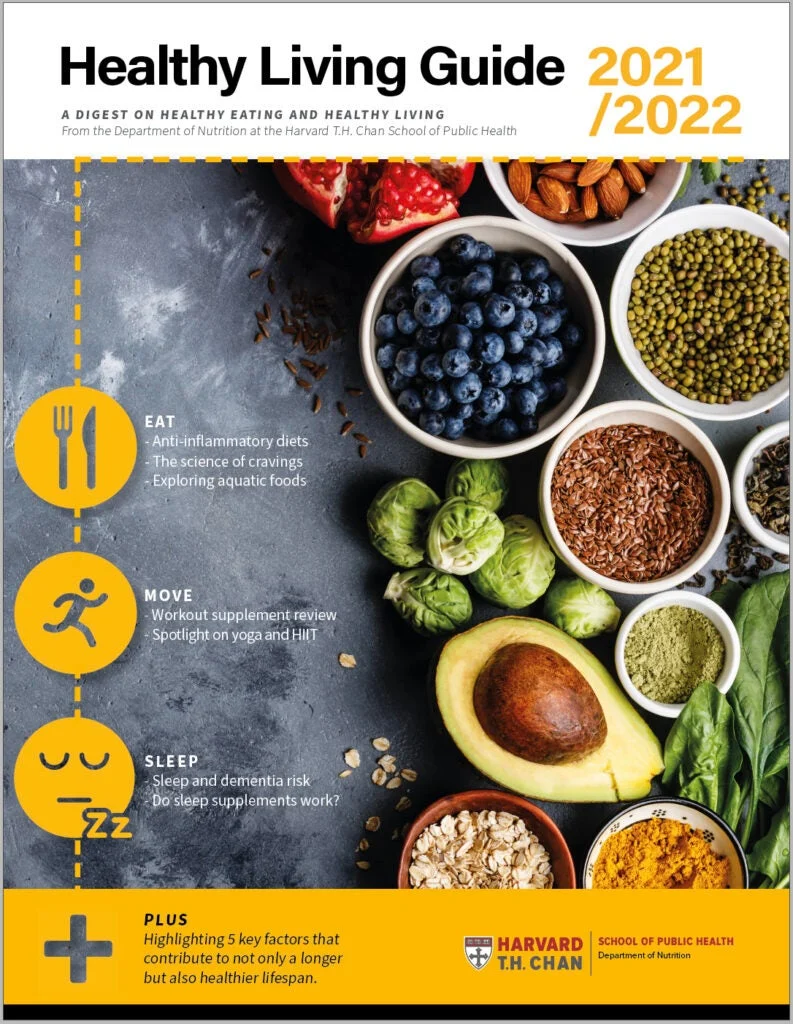
In response to these evolving challenges and the enduring need for guidance on healthy living, the Nutrition Source at Harvard T.H. Chan School of Public Health has once again released its "Healthy Living Guide." This publication serves as a valuable resource, offering practical advice and evidence-based information to help individuals incorporate healthy behaviors into their daily lives. The 2021-2022 edition, as highlighted in the article, revisits core themes of eating well, maintaining physical activity, and ensuring adequate sleep. It aims to provide readers with selected research highlights and in-depth discussions on popular nutrition and lifestyle topics.
The guide’s release signifies a proactive approach to public health education, acknowledging that even amidst global health crises, fundamental principles of well-being remain paramount. The cyclical nature of its release—referencing the previous year’s guide for a knowledge quiz—demonstrates a commitment to ongoing learning and reinforcement of healthy habits.
Key Features and Focus Areas of the 2021-2022 Healthy Living Guide
While the provided excerpt does not detail the specific content of the "Key features this issue" list, based on the overarching themes and the nature of such guides, it can be inferred that these features would delve into actionable strategies for:
- Optimizing Dietary Choices: This could include guidance on balanced macronutrient intake, the importance of micronutrients, strategies for increasing fruit and vegetable consumption, understanding whole grains, and making informed choices about protein sources. It might also address navigating the complexities of processed foods and added sugars in the modern food environment.
- Promoting Physical Activity: The guide likely offers recommendations for different types of exercise, the benefits of regular movement for both physical and mental health, strategies for incorporating activity into busy schedules, and advice on overcoming barriers to exercise.
- Prioritizing Sleep Hygiene: Recognizing sleep as a cornerstone of health, the guide would likely provide evidence-based tips for improving sleep quality and duration. This could include advice on establishing a consistent sleep schedule, creating a conducive sleep environment, and managing factors that interfere with sleep, such as stress and screen time.
- Mental Well-being and Stress Management: In the context of the ongoing pandemic, mental health has become an even more critical focus. The guide may offer strategies for managing stress, building resilience, and fostering positive mental health, which are closely intertwined with physical health and eating habits.
- Navigating Nutrition Misinformation: With the proliferation of health-related content online, the guide likely provides tools and advice for discerning credible information from misinformation, empowering readers to make informed decisions about their health.
The inclusion of a quiz testing knowledge against the previous year’s guide suggests an emphasis on knowledge retention and application, encouraging readers to actively engage with the material and integrate its lessons into their lives. This interactive element aims to foster a deeper understanding and commitment to healthy living principles.
Broader Implications and Future Outlook
The data presented and the context provided by the Harvard T.H. Chan School of Public Health’s "Healthy Living Guide" offer a snapshot of the public health landscape at the close of 2021. The observed shifts in consumer behavior, while indicating a partial return to normalcy, also highlight persistent challenges. The decrease in home cooking, for example, could have long-term implications for population health if not counteracted by increased awareness and access to healthy eating options outside the home.
Furthermore, the persistent issue of food insecurity underscores the need for continued policy interventions and community support systems. Addressing this fundamental need is a prerequisite for achieving broader public health goals. The ongoing pandemic also serves as a potent reminder of the interconnectedness of global health and the critical importance of equitable access to healthcare and preventive measures like vaccination.
The "Healthy Living Guide" itself represents a crucial component of public health outreach. By providing accessible, evidence-based information, it empowers individuals to take agency over their health, even in the face of external challenges. The guide’s focus on core pillars of healthy living—nutrition, physical activity, and sleep—reinforces their foundational importance. As individuals continue to navigate the complexities of the post-pandemic era, resources like this become increasingly vital in fostering resilience and promoting sustained well-being. The aspiration for a "very healthy and fulfilling 2022" articulated in the article is a hopeful outlook, contingent on continued individual effort, supportive societal structures, and global cooperation in addressing public health challenges.
