
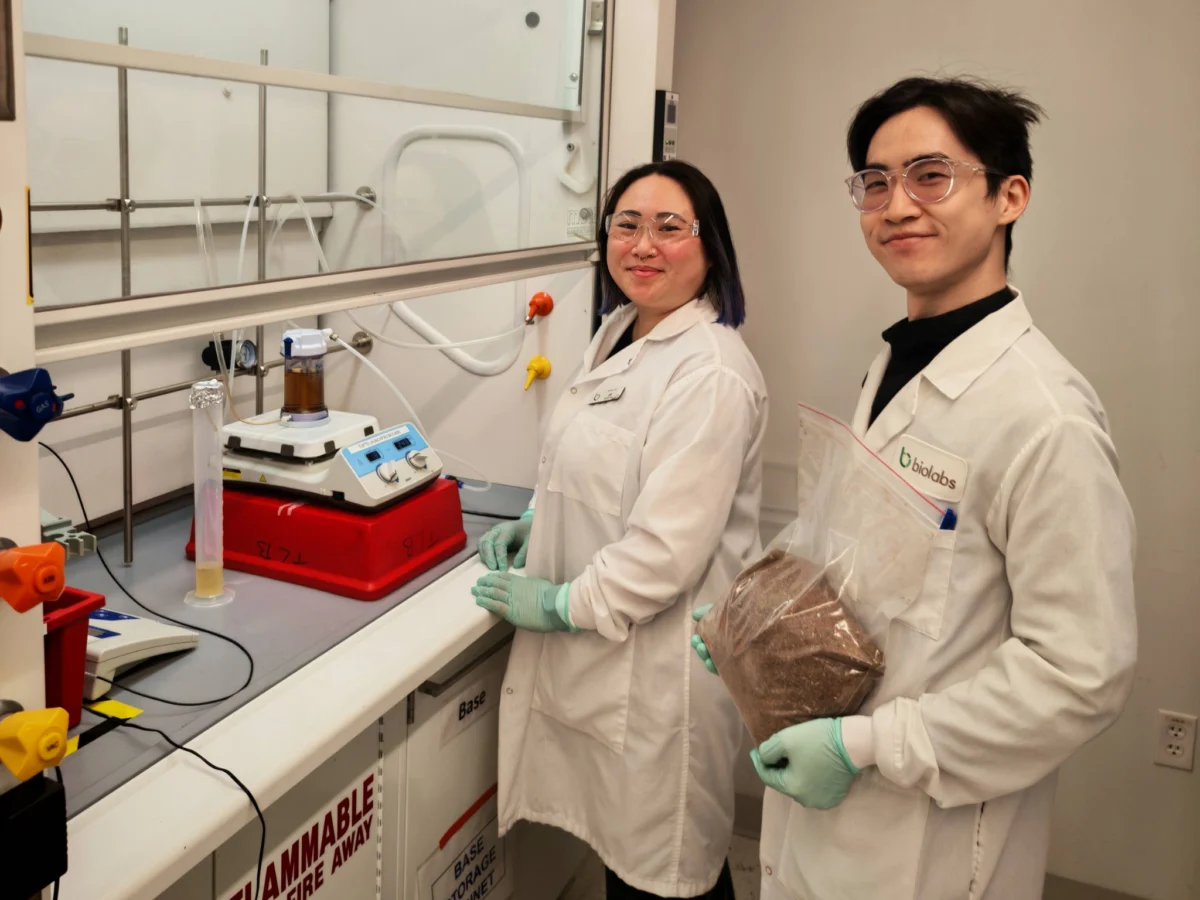
The quest for sustainable and scalable alternatives to conventional animal agriculture has found a significant champion in Deco Labs, a burgeoning startup that has emerged from the innovative ecosystem of Tufts University. In a move poised to dramatically reshape the economics of cultivated meat, Deco Labs has successfully developed a plant-derived replacement for albumin, a protein that stands as one of the most costly components in the culture media essential for growing animal cells outside of their original source. This breakthrough addresses a critical bottleneck that has long hindered the widespread adoption and price parity of lab-grown meat, potentially ushering in a new era of affordable and accessible cellular agriculture.
The inherent challenge in cultivated meat production lies in replicating the complex biological environment required for cell growth. Culture media, a meticulously formulated nutrient broth, provides the sustenance and signals cells need to proliferate and differentiate. However, these media formulations are notoriously expensive, with animal-derived components, particularly albumin, contributing a disproportionately large share of the overall cost. Albumin, the most abundant protein in animal serum, plays a crucial role in transporting vital molecules like fatty acids and water, and critically, in promoting cell viability, growth, and differentiation. The sheer volume of albumin required to meet projected industry demand by 2030, estimated by the Good Food Institute (GFI) to be up to 10,000 tonnes, far outstrips current market availability, further exacerbating cost and supply chain concerns.
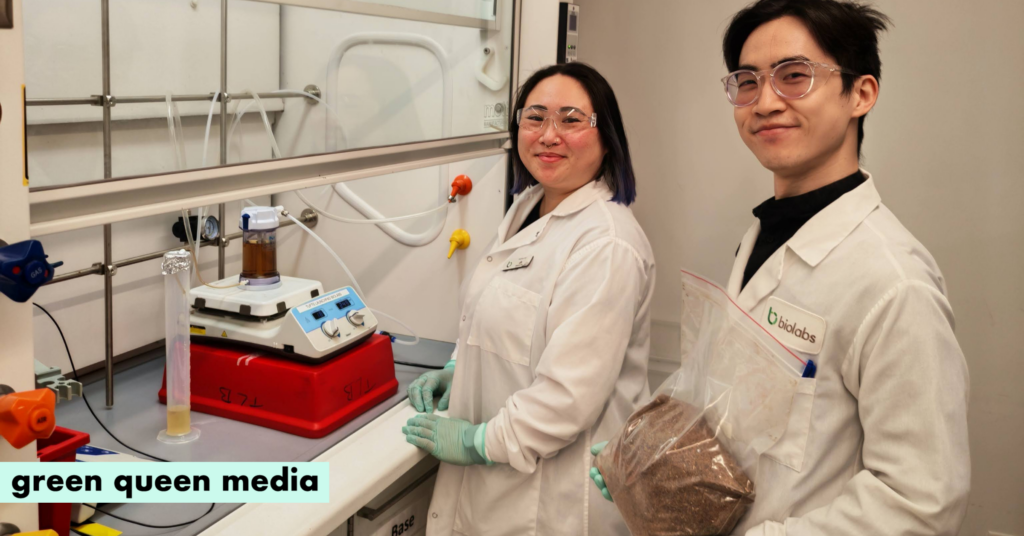
Deco Labs’ innovative solution, dubbed "cAlbumin," leverages a byproduct of the canola oil industry – rapeseed meal. Traditionally relegated to animal feed, this agricultural surplus is transformed by Deco Labs into a highly functional plant-based protein isolate. This upcycling process not only provides an abundant and sustainable source for a critical ingredient but also offers a compelling economic advantage. "There’s a huge need for an albumin solution that is 100% animal-free, enables price parity, is highly effective, and abundantly available," stated Natalie Rubio, co-founder and CEO of Deco Labs. "cAlbumin is a functional plant protein isolate that outperforms today’s albumin solutions in serum-free media."
The Economic Imperative: Tackling the High Cost of Culture Media
The financial landscape of cultivated meat production is heavily influenced by the cost of its inputs. Estimates suggest that conventional albumin, alongside other key proteins like transferrin, can add nearly $100 per kilogram to the total production cost of cultivated meat. This significant expense has been a major barrier to achieving price parity with conventionally produced meat. Deco Labs’ cAlbumin aims to dismantle this barrier by offering a cost-effective alternative that not only matches but, in many respects, surpasses the performance of traditional albumin.
"cAlbumin both costs less than albumin and is effective at a much lower concentration; compounding cost reduction," explained Rubio. "At scale, cAlbumin will contribute [around] $0.02 per litre to our customers’ media costs." This dramatic reduction in media expenditure is a game-changer for cultivated meat companies seeking to scale their operations and make their products competitive in the mainstream market.
The reliance on animal-derived albumin in conventional serum-free media presents several significant drawbacks. While fetal bovine serum (FBS) naturally contains albumin, its use is ethically and environmentally scrutinized, and it introduces variability. When transitioning to serum-free media, companies have historically relied on purified bovine serum albumin (BSA), which, despite its efficacy, is expensive, prone to lot-to-lot inconsistencies, and remains animal-derived. Recombinant human albumin, while animal-free, is even more costly and has been observed to have lower performance than its animal-derived counterparts, alongside potential regulatory hurdles due to its human origin. Recombinant bovine albumin, another option, is prohibitively expensive. Some companies have attempted to adapt their cell lines to grow with reduced or no albumin, but this often comes at the expense of growth rates, particularly in large-scale bioreactor systems. Deco Labs’ cAlbumin offers a compelling solution by providing a plant-based, cost-effective, and high-performing alternative that directly addresses these limitations.
From Canola Byproduct to Cellular Growth Catalyst: The Development Journey
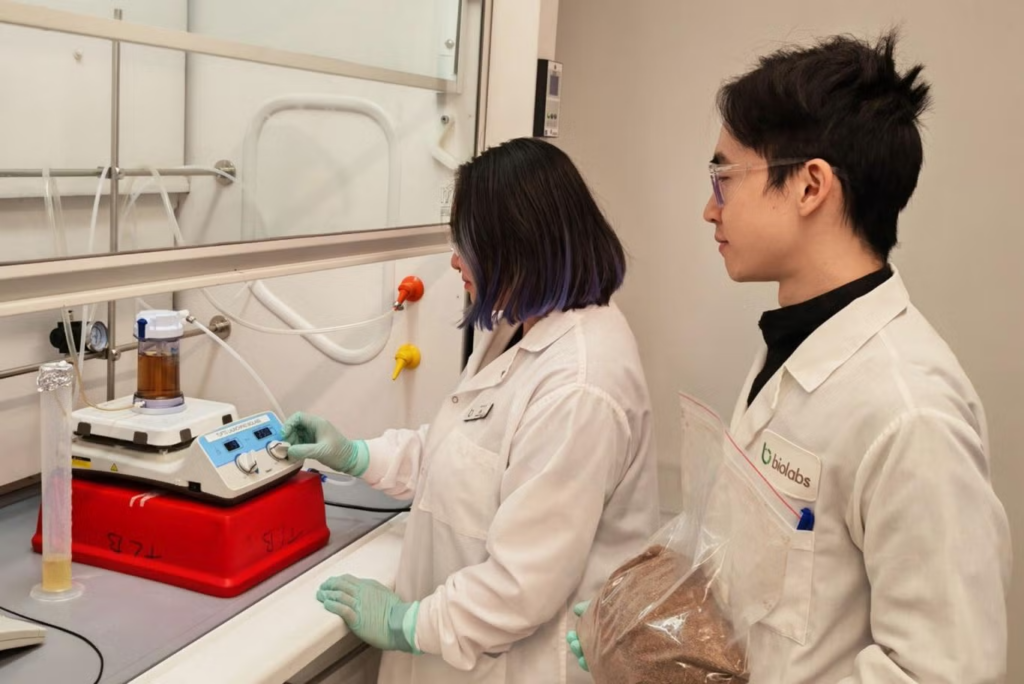
The development of cAlbumin was the culmination of a rigorous scientific process. Deco Labs’ team meticulously screened a diverse array of plant proteins, evaluating their capacity to stimulate cell proliferation. The research focused on identifying proteins with similar functional properties to animal albumin. Following the identification of promising candidates, the team optimized an extraction and purification process. This process was specifically designed to ensure the resulting protein isolate retained its efficacy, consistency, solubility, and stability – critical attributes for its application in sensitive cell culture environments.
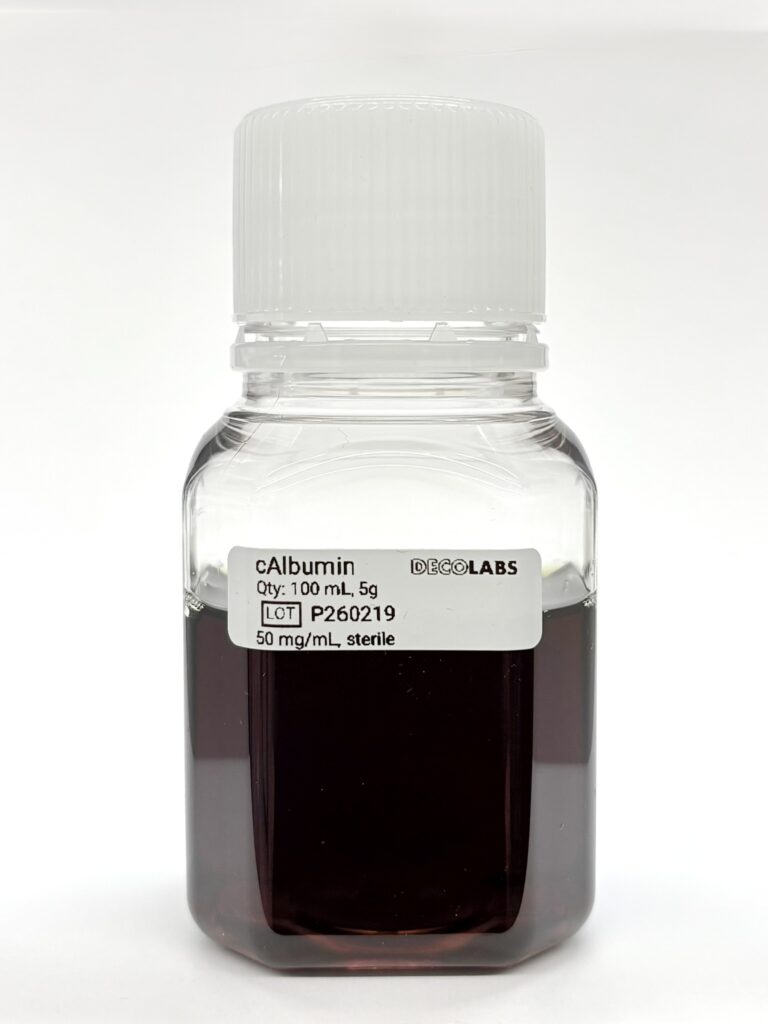
"We have validated cAlbumin across over a dozen different cell types and have seen it consistently outperform albumin (both recombinant albumin and bovine serum albumin)," Rubio affirmed. The company’s commitment to quality and reliability is evident in their rigorous testing protocols. "After testing multiple prototypes of the formulation, we’ve optimized a product that promotes fast cell proliferation across multiple passages, with consistent performance between lots. We know that cultivated companies really value batch consistency, so we validate every batch of cAlbumin for stable growth for 10+ cell doublings before shipping it out." This dedication to batch-to-batch consistency is paramount for industrial-scale bioprocessing, where predictable performance is essential for maintaining product quality and operational efficiency.
Expanding the Horizon: Deco Labs’ Pipeline of Innovations
Deco Labs’ ambition extends beyond just albumin replacement. The company is actively developing a suite of innovative ingredients designed to further reduce the cost and improve the sustainability of cell culture media. Among these is "cAminos," an amino acid supplement derived from plant hydrolysates. This product is engineered to replace synthetic amino acids commonly found in basal culture media. The current iteration of cAminos can substitute approximately 15% of the basal media volume, with future formulations expected to replace the majority of essential amino acids. This move towards natural, plant-derived components aligns with the growing consumer demand for "clean label" food products, even in the cultivated meat sector.
Another significant development is "pFactor1," a bioactive plant compound formulation engineered to fully replace fibroblast growth factor 2 (FGF-2). FGF-2 is a commercially available protein that signals mammalian cells to proliferate, and its inclusion in culture media is a substantial cost factor. Deco Labs reports that their pFactor1 formulation has demonstrated 111% of the performance of FGF-2 in their internal cell line (bovine mesenchymal stem cells), indicating a potentially more effective and certainly more cost-efficient alternative.
Beyond ingredient development, Deco Labs is also making strides in process automation. The company is advancing a system for end-to-end cell culture experiment automation, powered by an AI agent named Pascal. This initiative, which saw Deco Labs’ CTO, John, and his team win the AIxBio hackathon at Boston TechWeek, aims to streamline research and development processes, accelerate innovation, and further enhance operational efficiency within the cultivated meat and broader biotechnology sectors.
Funding the Future: Investment and Strategic Partnerships
Deco Labs’ journey from university spinout to a promising innovator in the cultivated meat supply chain has been supported by a combination of university backing and strategic grants. The company has received research grants from the Good Food Institute (GFI), a leading non-profit organization dedicated to advancing food technology and innovation. Furthermore, Deco Labs secured a financial award by winning Supply Change Capital’s Women in Ag & FoodTech pitch competition, highlighting the caliber of their leadership and the potential of their technology.
Currently, Deco Labs is actively engaged in raising its seed funding round, with Replicator VC leading the investment. This capital infusion is earmarked for critical next steps, including the pilot scale-up of their cAlbumin production and the submission for Generally Recognized As Safe (GRAS) filing. The GRAS designation is a crucial regulatory milestone for food ingredients in the United States, paving the way for commercialization.
"By replacing synthetic cell culture media ingredients with natural plant compounds, we can step towards making cell culture media ‘clean label’ and enabling our customers to achieve (and exceed) price parity with reliable and scalable supply chains," Rubio concluded. This vision underscores Deco Labs’ dual commitment to both economic viability and consumer acceptance, positioning them as a key player in the future of food. The success of cAlbumin and the broader innovation pipeline at Deco Labs signals a significant advancement in the journey towards making cultivated meat a mainstream, sustainable, and affordable food source. The implications of this development are far-reaching, potentially impacting not only the food industry but also other biotechnological fields reliant on cell culture, such as regenerative medicine, cell therapy, and vaccine manufacturing.
