
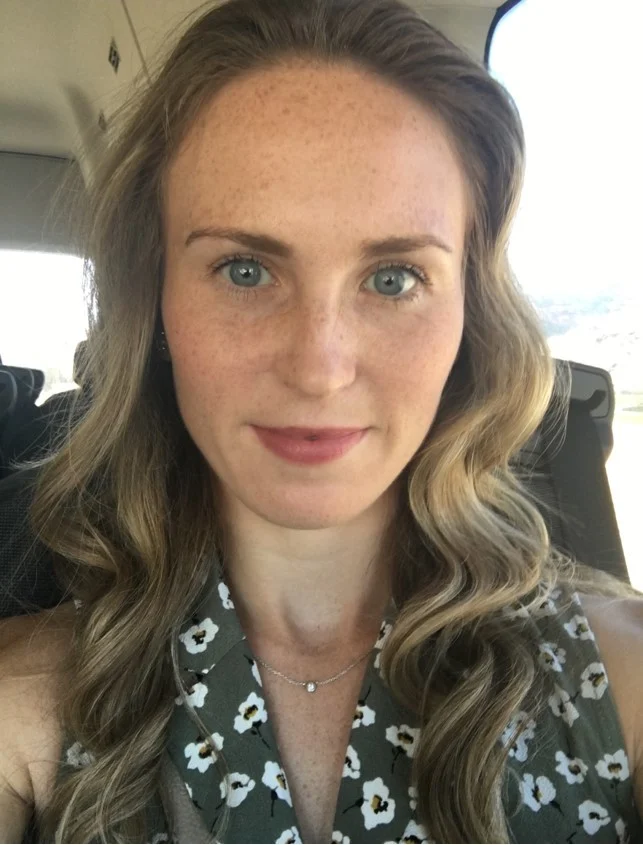
For Brittany McKertcher, a 32-year-old nurse residing in Alberta, acne is not merely a fleeting adolescent phase but a persistent, often debilitating condition that has profoundly shaped her life for two decades. Her ongoing struggle, which began at the tender age of 13, encapsulates the physical, emotional, and social toll that chronic skin conditions can exert, underscoring the critical need for early intervention, comprehensive dermatological care, and continued research into effective treatments.
The Early Onset: A Teenage Ordeal
McKertcher’s journey with acne commenced in her early teenage years, around the age of 13. What started as "a lot of surface acne with pustules" quickly escalated to include "cystic acne, deep bumps under the skin that were painful." This severe manifestation, often linked to hormonal fluctuations common during puberty, presented a significant challenge for the young teen. The initial response was typical for many adolescents: a reliance on over-the-counter remedies. "At that time I did not seek medical care for it," McKertcher recalls. "I was just trying over the counter things like different face washes and topicals that would hopefully help heal the acne." Simultaneously, she embarked on a relentless search for cosmetic solutions, particularly foundations that could offer coverage without exacerbating dryness. However, the deep, painful cystic lesions proved largely unmaskable, their presence discernible even beneath layers of makeup.
The psychological impact on McKertcher’s nascent self-esteem was immediate and profound. As an active teenager, her social life became increasingly constrained by her skin condition. "I did not have any clear days of healing. The acne completely affected my self-esteem where I would not want to go swimming or in hot tubs or things like floating on the river. I did not want to do anything that would compromise the makeup on my face and expose the acne," she explains. This sentiment is echoed by countless individuals who experience severe acne, where the fear of exposure or judgment dictates daily choices and curtails participation in activities that are fundamental to adolescent development and social bonding. She even carried makeup to gymnastics practices to reapply after sweating, a testament to the pervasive anxiety acne instilled. The feeling of isolation was compounded by the perception that she was "the only one with serious acne" among her high school peers, a common but often mistaken belief among sufferers, given the widespread prevalence of acne.
Navigating the Treatment Labyrinth: A Chronology of Care
Within a year of her symptoms appearing, McKertcher sought medical attention from her family doctor, initiating a long and often frustrating treatment odyssey. Her first prescription was for topical medications, which she found "did not make much of a difference." This early lack of efficacy is not uncommon; while topical retinoids and antibiotics are foundational for many acne cases, severe inflammatory or cystic acne often requires more systemic intervention. At approximately age 14, McKertcher was prescribed birth control pills, a common approach for hormonal acne in female adolescents, aiming to regulate androgen levels.
The complexity of her condition soon necessitated a referral to a dermatologist, marking a significant escalation in her treatment strategy. Over the ensuing years, McKertcher underwent a series of treatments, including "a whole bunch of antibiotics," which are typically used for their anti-inflammatory and antibacterial properties but carry concerns about antibiotic resistance with prolonged use. Within a couple of years, she was prescribed isotretinoin, commonly known by its former brand name Accutane. Isotretinoin is a powerful oral retinoid reserved for severe, recalcitrant acne that has not responded to other therapies. While it can be highly effective, it comes with a well-documented profile of side effects. McKertcher experienced significant dryness, including nosebleeds, and required a humidifier and thick moisturizers for her face and body, highlighting the intensity of the medication. Despite these challenges, her acne "improved to a degree."
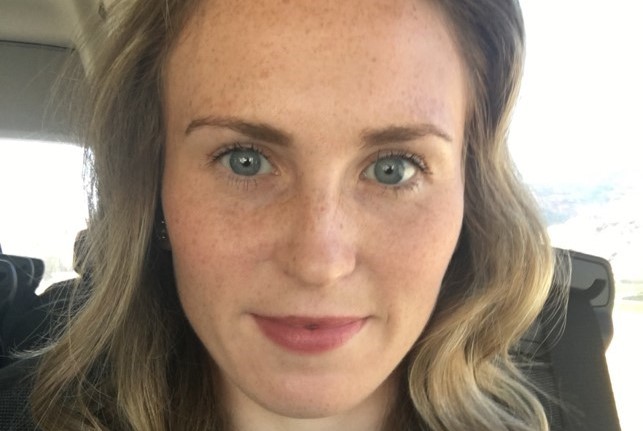
Following her first course of isotretinoin, McKertcher’s treatment regimen transitioned back to birth control pills, with the addition of spironolactone, an anti-androgen medication often used off-label for hormonal acne in women. This combination proved to be "the most helpful treatments that I experienced," suggesting the strong hormonal component of her acne.
The Adult Burden: When Acne Persists Beyond Expectation
Acne, often perceived as a teenage affliction, frequently persists into adulthood, affecting a significant portion of the adult population, particularly women. Studies indicate that adult acne can impact up to 50% of women in their 20s and 30s. McKertcher’s experience aligns with this trend, as her acne continued throughout her twenties and university years. A significant setback occurred post-university when she discontinued oral contraceptives and switched to an intrauterine device (IUD). "That was the worst thing. It caused me to break out and I had to return to regular birth control," she recounts. This illustrates the delicate balance of hormonal regulation for acne management and the potential for certain contraceptive methods to exacerbate the condition in susceptible individuals.
The emotional toll of acne, McKertcher notes, intensified in adulthood. "As a teen, everything seems like the end of the world and I felt self-conscious. But you’re kind of expected to have acne and you hope to grow out of it into adulthood." The stark reality of still battling severe acne while her peers enjoyed clear skin was profoundly isolating. "The acne has taken a bigger toll on me as an adult. All my friends do not struggle with acne at all and I still feel like it affects me – that is so hard. When I look in the mirror, that is all I see." This sentiment resonates deeply with adults who continue to face acne, as the societal expectation of "growing out of it" can lead to increased feelings of shame, frustration, and inadequacy.
Approximately a year prior to this account, McKertcher undertook another round of isotretinoin, this time a new formulation, for about eight months. "The results were really good. I occasionally broke out during certain times of the month but I had good coverage after that," she reported, indicating a period of relative success. However, life events can sometimes trigger unexpected flares. Her wedding, with a different type of makeup application, led to a widespread breakout, including on her eyelids, and the emergence of body acne. Currently, her treatments are on hold as she and her partner hope to start a family, a common dilemma for women of childbearing age, given the teratogenic risks associated with isotretinoin and the potential contraindications for other medications during pregnancy.
The Economic and Psychological Burden of Self-Treatment
Throughout her protracted struggle, McKertcher invested considerable "money, time and effort" into various over-the-counter acne treatments and skincare products, often with disappointing results. "Looking back now, I know those products are not going to help with cystic acne," she reflects. This common experience highlights a significant public health issue: the vast market of unregulated or minimally effective over-the-counter products that can drain resources and delay appropriate medical care for individuals with moderate to severe acne. The average consumer, lacking specialized medical knowledge, often struggles to differentiate between cosmetic solutions and clinically effective treatments, leading to wasted time and money and prolonged suffering.
Broader Context: Understanding Acne and Its Impact

Acne vulgaris is a chronic inflammatory skin disease affecting the pilosebaceous unit, characterized by various lesions including comedones (blackheads and whiteheads), papules, pustules, nodules, and cysts. Its pathogenesis is multifactorial, involving increased sebum production, follicular hyperkeratinization, bacterial proliferation (primarily Cutibacterium acnes), and inflammation. Hormonal fluctuations, particularly androgens, play a crucial role, explaining its prevalence during puberty and its persistence or onset in adult women.
The impact of acne extends far beyond the physical. Numerous studies have documented its profound psychological sequelae, including anxiety, depression, social phobia, body dysmorphia, and reduced quality of life. The visible nature of acne often makes it a target for social stigma and judgment, contributing to feelings of self-consciousness and isolation. The economic burden is also substantial, encompassing direct costs of medical consultations, prescriptions, and over-the-counter products, as well as indirect costs related to productivity loss and psychological distress requiring therapeutic intervention. For individuals like McKertcher, the emotional weight of acne in adulthood can be even heavier, as it defies societal expectations of "clear skin" and contrasts sharply with the experiences of peers.
Expert Perspectives and Recommendations
Dermatologists universally emphasize the importance of early and aggressive treatment for moderate to severe acne to prevent permanent scarring, which can be both physically disfiguring and psychologically distressing. A personalized approach is crucial, considering the type of acne, its severity, patient age, gender, previous treatments, and individual preferences or contraindications (e.g., pregnancy).
- Early Intervention: General practitioners (GPs) play a vital role in initial assessment and management, but timely referral to a dermatologist is critical when initial treatments fail or for severe cases. As McKertcher advises, "Try to see your GP sooner and get a referral to a dermatologist if you need that."
- Combination Therapy: Often, a combination of topical and systemic treatments is most effective. For hormonal acne in women, oral contraceptives and anti-androgens like spironolactone are frequently used.
- Isotretinoin: Despite its side effect profile, isotretinoin remains the most effective treatment for severe, nodulocystic acne and is the only treatment that offers the potential for long-term remission. Its use requires strict monitoring, especially for women of childbearing potential, due to its teratogenicity.
- Scar Prevention: Preventing acne scars is paramount. McKertcher is "really thankful that I did not end up with acne scars," a testament to her diligent treatment journey. She also reiterates the critical advice against picking or squeezing lesions, which can worsen inflammation and increase the risk of scarring.
- Holistic Approach: Recognizing the significant mental health impact, a holistic approach that includes psychological support or counseling can be beneficial for many patients. Patient advocacy groups, such as Acne Action Canada (from which this narrative originates), play a crucial role in raising awareness, providing educational resources, and fostering a supportive community for individuals living with acne. They often advocate for increased research funding and improved access to specialized care.
Looking Ahead: The Quest for Clear Skin and Future Research
Brittany McKertcher’s aspiration is clear: "My ultimate goal is to have clear skin. It’s tough where I am." Her journey, spanning two decades and involving numerous treatments, highlights the chronic and often relapsing nature of acne for many individuals. Her hope extends beyond her personal experience, calling for "more research into treatments for acne," particularly those that might be safer or more effective for individuals navigating specific life stages, such as family planning.
The challenges faced by McKertcher are not isolated incidents but reflect systemic issues within dermatological care. These include the financial burden of long-term treatments, the limited access to specialized dermatological care in some regions (leading to long wait times), and the ongoing need for research into novel, targeted therapies with fewer side effects. As medical science advances, there is hope for more refined and personalized treatments that can effectively manage acne without imposing significant lifestyle limitations or health risks, particularly for those who, like Brittany, continue to grapple with this pervasive condition well into adulthood. Her story serves as a powerful reminder that acne is a serious medical condition demanding comprehensive, empathetic, and continuous care.
