
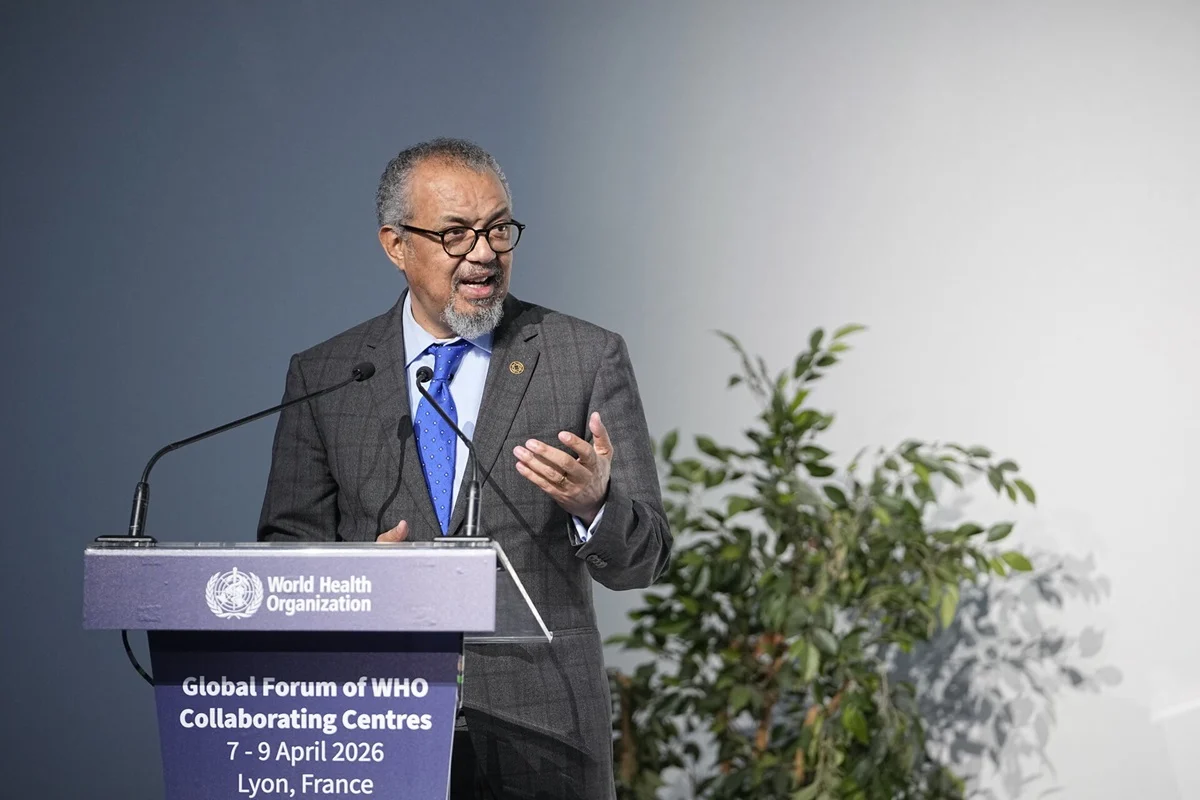
The World Health Organization (WHO) has officially inaugurated the first Global Forum of Collaborating Centres, marking a milestone in international scientific cooperation by convening one of the most expansive and diverse public health networks ever assembled. This landmark event brought together representatives from more than 800 institutions designated as WHO Collaborating Centres (CCs) across more than 80 countries, signaling a new era of integrated health strategy. As the global community faces an increasingly fragmented geopolitical and economic landscape, the Forum served as a critical platform for scientists to highlight emerging health threats that demand not only immediate intervention but also a fundamental shift in how the world mobilizes health resources. The meeting concluded with a collective commitment to transform the network from a collection of independent scientific projects into a dynamic, integrated partnership capable of responding to the complexities of modern public health.
A Legacy of Scientific Cooperation: From 1949 to the Present
The roots of the WHO Collaborating Centres network are embedded in the very foundation of the World Health Organization. In 1949, during the Second World Health Assembly, a foundational policy was established that would define the organization’s technical operations for decades to come. The Assembly determined that the WHO should not focus on building its own independent research laboratories or institutions. Instead, it was decided that the organization would fulfill its constitutional mandate by coordinating, supporting, and leveraging the existing expertise of established institutions worldwide. This decentralized approach was designed to ensure that the WHO remained a lean, coordinating body that drew upon the best scientific minds across all continents.
Over the past 77 years, this vision has evolved into a powerhouse of global expertise. What began as a small group of technical partners has expanded into a network of over 800 leading academic, research, and technical institutions. These centers provide the scientific evidence that underpins the WHO’s global norms and standards. They play a vital role in everything from setting international biological standards and classifying diseases to conducting cutting-edge research on neglected tropical diseases and mental health. The Global Forum represents the first time this entire breadth of expertise has been brought together in a single, unified consultative body, reflecting the urgent need for cross-disciplinary collaboration in the 21st century.
Strategic Objectives and the "Together for Health" Campaign
The Global Forum was strategically timed to align with the international One Health Summit, a high-level gathering of leaders from human, animal, and environmental health sectors. This alignment underscores the growing consensus that human health cannot be viewed in isolation from the health of the planet and its ecosystems. The Forum also serves as the cornerstone of the World Health Day 2026 campaign, which operates under the rallying cry: “Together for health. Stand with science.”
By positioning the Forum within these broader international frameworks, the WHO aims to elevate the profile of its collaborating centres from technical back-offices to visible leaders in global health policy. The "Stand with Science" theme is particularly poignant in an era characterized by the rapid spread of misinformation and the erosion of public trust in institutional expertise. The Forum emphasized that the Collaborating Centres are not merely technical advisors but are the frontline defenders of scientific integrity.
Addressing the Threat of Disease X through the CORC Initiative
A primary focus of the Forum was the proactive preparation for future pandemics, specifically the threat posed by "Disease X"—a placeholder name used by the WHO to describe an unknown pathogen that could cause a serious international epidemic. To confront this uncertainty, the WHO announced the expansion of its global community through the creation of the Collaborative Open Research Consortia (CORC).
The CORC initiative is designed to be a network of networks, bringing together thousands of scientists from the world’s leading research institutions to focus on the rapid development of medical countermeasures. The mission of CORC is threefold:
- Accelerated Diagnostics: Creating platforms that can quickly identify novel pathogens within days of an outbreak.
- Vaccine Readiness: Developing "plug-and-play" vaccine technologies, such as mRNA and viral vector platforms, that can be adapted to new viruses with minimal delay.
- Therapeutic Innovation: Establishing a library of antiviral and antibacterial treatments that can be repurposed or modified to treat emerging infections.
By building this scientific readiness now, the WHO intends to ensure that when the next pandemic strikes, the global response will be measured in weeks rather than years. The Forum participants stressed that this level of preparedness is only possible through "open research"—the transparent sharing of data, protocols, and preliminary findings across borders.
Leadership Insights: Science as an Indispensable Asset
The leadership of the WHO utilized the Forum to issue a clarion call for greater investment in and utilization of the CC network. Dr. Tedros Adhanom Ghebreyesus, WHO Director-General, highlighted the paradox of the network’s current status, describing it as an "immensely valuable but under-utilized resource."
"It brings together the world’s leading institutions to translate evidence into action to support countries, strengthen health systems, and protect populations," Dr. Tedros stated. He emphasized that the Collaborating Centres are the ultimate demonstration of international cooperation, proving that scientific progress is a universal good that transcends national boundaries.
Echoing these sentiments, Dr. Sylvie Briand, WHO Chief Scientist, focused on the necessity of science-driven policy. "Science is at the heart of everything we do to protect and improve health," she noted. Dr. Briand argued that the concentration of expertise within the CC network is "indispensable" for shaping a healthier future, particularly as the world faces the "triple planetary crisis" of climate change, biodiversity loss, and pollution, all of which have profound health implications.
Analysis of Global Health Financing and Geopolitical Challenges
The Forum took place against a backdrop of significant challenges in global health financing. In recent years, many traditional donor nations have reduced their contributions to international health initiatives, citing domestic economic pressures and "pandemic fatigue." Participants at the Global Forum expressed concern that these funding cuts could undermine the very scientific infrastructure required to prevent the next crisis.
The technical analysis presented at the meeting suggests that coordinated global responses are significantly more cost-effective than fragmented national ones. For every dollar invested in collaborative research and surveillance through the CC network, billions are potentially saved by preventing local health incidents from escalating into global emergencies. The Forum’s emphasis on "collective investment" serves as a rebuttal to the trend of isolationism in public health.
Furthermore, the fragmented nature of the current world—marked by trade disputes, regional conflicts, and supply chain vulnerabilities—poses a direct threat to the distribution of life-saving technologies. The Collaborating Centres, being embedded in over 80 different countries, provide a unique "scientific diplomacy" channel that can maintain technical cooperation even when political relations are strained.
Supporting Data: The Scale of the Network
The sheer scale of the WHO CC network provides a sense of its potential impact. According to data discussed during the Forum:
- Academic Prowess: Over 40% of the CCs are based within major universities, ensuring that the latest academic research is funneled directly into global policy.
- Technical Diversity: The network covers more than 50 technical areas, ranging from food safety and occupational health to traditional medicine and radiation protection.
- Global Reach: While many centers are in high-income countries, there is an ongoing effort to expand the number of CCs in the Global South to ensure that local health challenges are addressed with local expertise.
- Normative Impact: The CCs contribute to over 90% of the WHO’s technical publications and guidelines, which are used by ministries of health in all 194 Member States.
Implications for the Future of Global Health
The conclusion of the first Global Forum marks a transition from a "siloed" approach to a "networked" approach in global health. The shift toward "dynamic and integrated partnerships" means that a Collaborating Centre specializing in zoonotic diseases in Southeast Asia will now have more direct, formal links with a center specializing in genomic sequencing in Europe or vaccine manufacturing in South America.
This integration is expected to shorten the "evidence-to-action" gap—the time it takes for a scientific discovery to be translated into a clinical guideline or a public health intervention. In a world where pathogens move at the speed of air travel, this speed is the most critical factor in saving lives.
The WHO has already looked toward the horizon, announcing that the next Global Forum will be held in 2027. This biennial schedule is intended to maintain the momentum generated in Geneva and to hold the network accountable for the ambitious goals set regarding Disease X and the CORC initiative.
As the Forum participants return to their respective institutions, the message remains clear: the scientific foundations of global health are strong, but they require constant maintenance, political will, and financial support. The 2026 Forum has successfully redefined the WHO Collaborating Centres not just as support units, but as the central nervous system of global health security, ready to stand with science in the face of an uncertain future.
