
Polycystic Ovary Syndrome (PCOS) remains one of the most prevalent endocrine disorders among women of reproductive age, affecting approximately 10 percent of the global female population. While the condition is often discussed in the context of fertility and metabolic health, the debilitating period pain, medically known as dysmenorrhea, presents a significant hurdle for those managing the syndrome. Unlike the manageable discomfort experienced by many during menstruation, PCOS-related pain frequently transcends typical symptoms, often resulting in physical incapacitation, lost productivity, and a diminished quality of life. Medical experts and health advocates are increasingly calling for a more nuanced, multi-modal approach to managing this pain, moving beyond standard over-the-counter remedies to include hormonal regulation, nutritional therapy, and lifestyle interventions.
The Biological Mechanism of PCOS Pain
To understand why PCOS-related menstruation is uniquely painful, it is necessary to examine the physiological role of prostaglandins. These lipid compounds are responsible for triggering the uterine contractions required to shed the endometrial lining. While a baseline level of prostaglandin activity is a normal part of the menstrual cycle, elevated levels lead to intense, spasmodic contractions that restrict blood flow to the uterine tissue, resulting in severe pain.
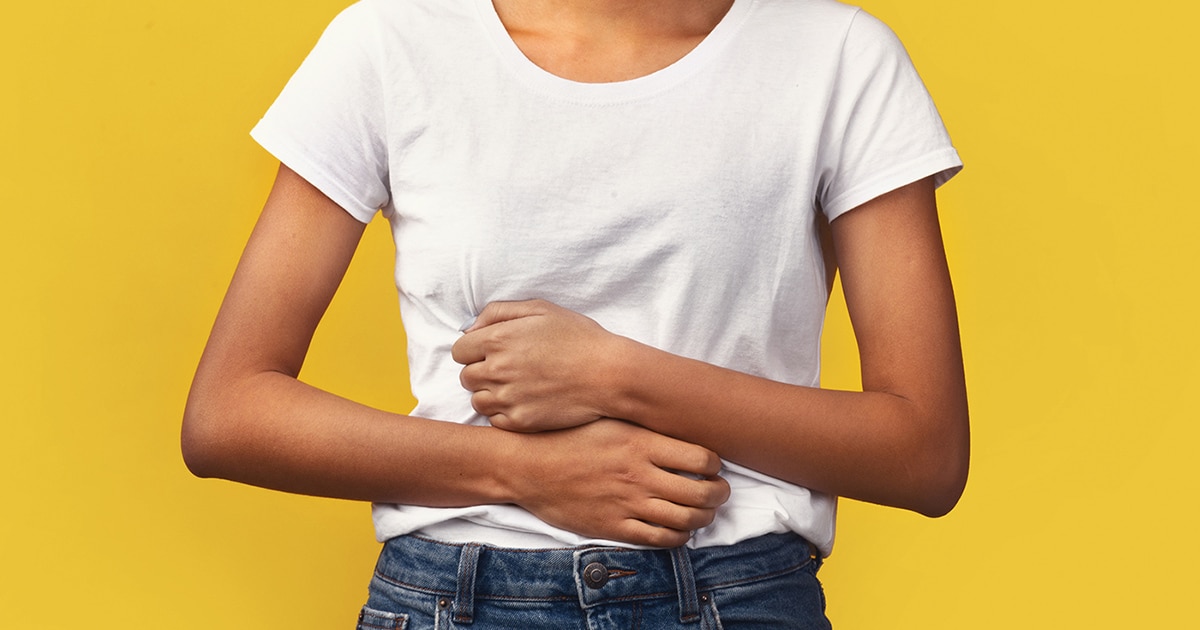
Clinical classifications distinguish between primary and secondary dysmenorrhea. Primary dysmenorrhea refers to common menstrual cramps without an underlying pelvic pathology. In contrast, secondary dysmenorrhea—which frequently affects PCOS sufferers—is associated with specific reproductive disorders. In the context of PCOS, the pain is often compounded by irregular cycles. When ovulation does not occur regularly, the uterine lining can become excessively thick. When a period finally occurs, the body may produce higher levels of prostaglandins to expel the heavier lining, leading to increased cramping, heavier bleeding, and the passage of large blood clots. This cycle often results in a "deep ache" or "stabbing sensation" that radiates from the lower abdomen to the lower back and thighs.
A Chronology of Treatment: From Immediate Relief to Long-Term Management
The management of PCOS pain is rarely a linear process. Patients typically navigate a hierarchy of interventions, beginning with immediate symptomatic relief and progressing toward systemic hormonal stabilization.
1. Pharmacological Intervention: The Role of NSAIDs
Nonsteroidal anti-inflammatory drugs (NSAIDs), such as ibuprofen and naproxen, remain the first line of defense. A 2019 study published in Obstetrics & Gynecology Science highlighted that NSAIDs do more than just mask pain; they actively inhibit the enzyme cyclooxygenase, which is responsible for prostaglandin production. By reducing the chemical triggers of uterine contractions, these medications can also reduce the volume of menstrual flow, which is often a secondary concern for PCOS patients. However, for many with severe symptoms, over-the-counter dosages are insufficient, necessitating prescription-strength alternatives and medical supervision to avoid gastrointestinal side effects.
2. Hormonal Regulation through Contraceptives
For long-term stabilization, many clinicians prescribe hormonal birth control. These medications, which typically combine estrogen and progestin, work by suppressing ovulation and thinning the endometrial lining. A thinner lining requires fewer contractions to expel, directly translating to reduced pain.
There are several delivery methods currently utilized:

- Combination Pills: Regulate the cycle and provide a predictable withdrawal bleed.
- Progestin-Only Pills (The "Mini-Pill"): An alternative for those who cannot tolerate estrogen, though they may cause more frequent spotting.
- Vaginal Rings and Patches: Provide steady hormone delivery, though they carry similar side-effect profiles, including potential headaches, nausea, and mood fluctuations.
3. The Integration of Heat Therapy and Metabolic Health
While often dismissed as a "home remedy," heat therapy has gained scientific backing. Beyond the immediate relaxation of uterine muscles, research published in the American Journal of Physiology-Endocrinology and Metabolism (2019) suggests that regular heat therapy may improve insulin signaling in adipose tissue. Given that insulin resistance is a core feature of PCOS, this suggests that heat therapy provides both acute analgesic benefits and potential long-term metabolic support.
Nutritional Science and the Anti-Inflammatory Approach
Emerging data suggests that the "PCOS Diet" is not merely about weight management but is a critical tool for pain reduction. Chronic inflammation is a hallmark of PCOS, and certain nutrients have been shown to modulate the body’s inflammatory response.
Micronutrient Deficiencies
Research indicates that up to 85 percent of women with PCOS are deficient in Vitamin D. This deficiency is significant because Vitamin D plays a role in regulating inflammation and calcium absorption, both of which affect muscle contraction. Furthermore, Magnesium and Vitamin E are frequently recommended to reduce the severity of dysmenorrhea. Magnesium acts as a natural muscle relaxant, while Vitamin E inhibits the release of arachidonic acid, a precursor to prostaglandins.
Omega-3 Fatty Acids and Testosterone
Supplementation with Omega-3 fatty acids, found in fatty fish and flaxseeds, serves a dual purpose. Not only do these healthy fats reduce systemic inflammation, but they have also been linked to lower testosterone levels in women with PCOS. Lowering androgen levels is a primary goal in managing the syndrome’s broader symptoms, including hormonal acne and hirsutism.

Lifestyle Adjustments and the Impact of Stimulants
Journalistic analysis of patient outcomes shows that small, consistent lifestyle changes often yield the most sustainable results. One of the most significant, yet difficult, adjustments involves the restriction of caffeine and refined sugars. Caffeine is a known vasoconstrictor, meaning it narrows blood vessels. In the uterus, this can intensify the pressure and pain of contractions. Similarly, high sugar intake can lead to insulin spikes, which exacerbate the hormonal imbalances at the root of PCOS.
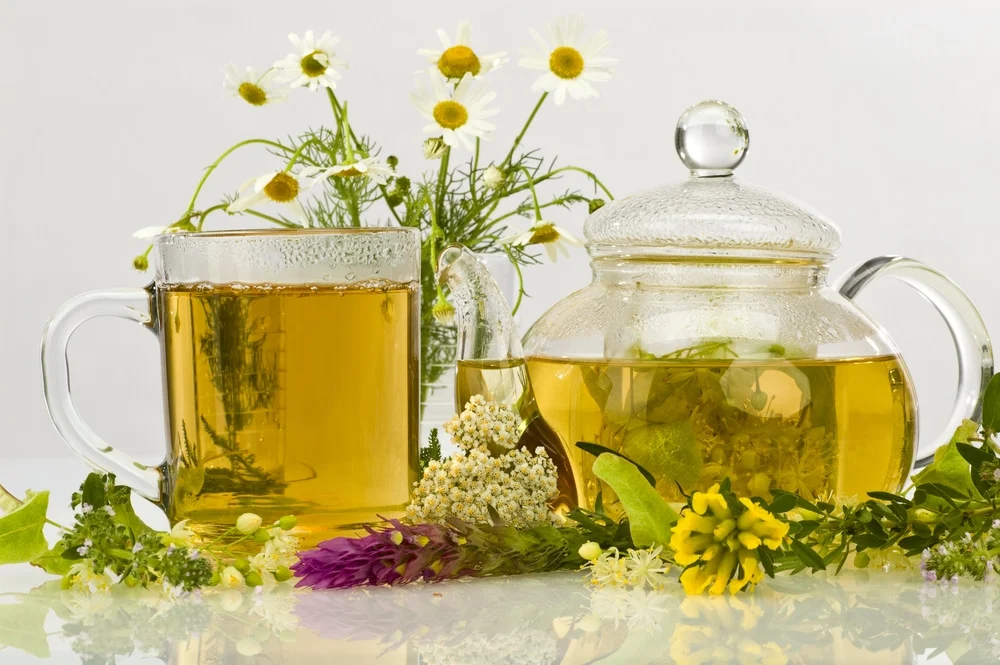
In contrast, hydration and herbal interventions have shown promise. Specific herbal teas, such as stinging nettle (Urtica dioica) and red reishi, are being studied for their adaptogenic and anti-inflammatory properties. Nettle tea, in particular, has been noted for its ability to help lower blood sugar and testosterone levels, providing a gentle, non-pharmacological adjunct to standard care.
The Role of Physical Activity
The Saudi Journal of Sports Medicine published an evidence-based review in 2017 concluding that exercise is a cornerstone of PCOS management. While the idea of exercising during a painful period is often unappealing, moderate activity releases endorphins—the body’s natural painkillers. Furthermore, regular physical activity improves insulin sensitivity and can help regulate the menstrual cycle over time. Experts recommend low-impact activities such as swimming, brisk walking, or cycling during the menstrual phase, as these provide the benefits of movement without the stress of high-intensity interval training, which can sometimes spike cortisol levels in PCOS patients.
Broader Implications: The Socio-Economic Impact of PCOS Pain
The implications of untreated or poorly managed PCOS pain extend far beyond the individual. There is a growing body of analysis regarding the economic impact of "period poverty" and menstrual health. Women with PCOS-related dysmenorrhea are more likely to report absenteeism from work or school. When they do attend, they often experience "presenteeism"—the state of being at work but unable to function at full capacity due to pain or medication side effects.
Furthermore, the psychological toll of chronic pain cannot be ignored. The unpredictability of PCOS cycles, combined with the severity of the pain, is a contributing factor to the higher rates of anxiety and depression observed in this demographic. Addressing the pain is therefore not just a matter of physical comfort but a vital component of mental health care.
Future Directions in PCOS Research
The medical community is gradually shifting toward a more personalized model of care. Recent clinical trials are investigating the use of insulin-sensitizing drugs like metformin specifically for the management of menstrual irregularities and pain in PCOS patients. There is also increasing interest in the gut-hormone axis, exploring how the microbiome influences estrogen metabolism and inflammation.
As awareness grows, the "normalization" of severe period pain is being challenged. For the one in ten women living with PCOS, the goal is no longer just to survive "that time of the month" with painkillers and chocolate, but to utilize a comprehensive, science-backed strategy to reclaim their daily lives. The integration of traditional medicine with nutritional and lifestyle interventions represents the most promising path forward for managing the complex, multi-faceted nature of PCOS-related pain.
