
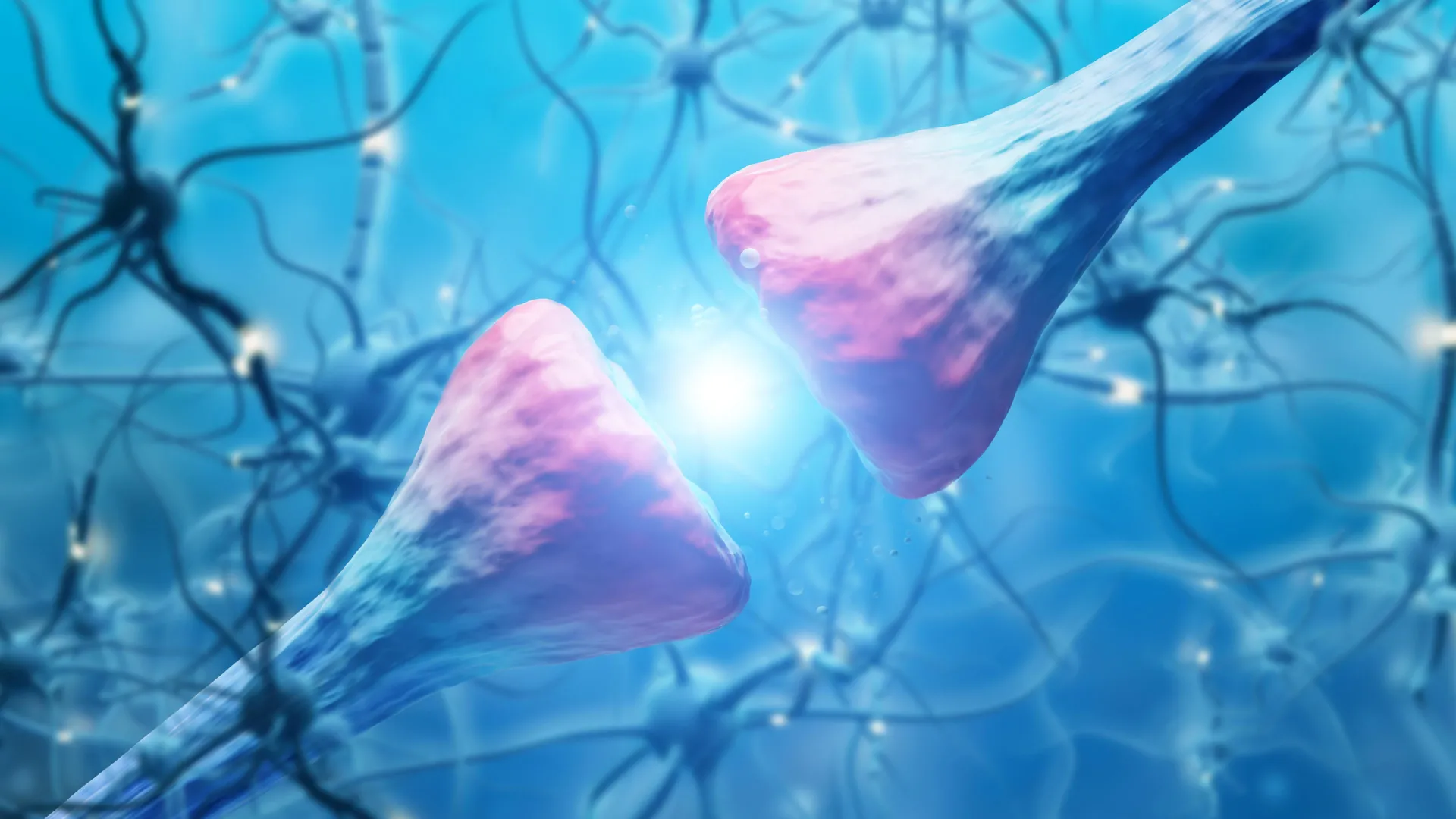
Relapsing into cocaine use is not simply a matter of weak willpower. New research from Michigan State University reveals that persistent cravings and the difficulty in overcoming addiction can stem from profound, lasting biological alterations within the brain. Scientists have identified specific changes in brain circuits, particularly involving the hippocampus and reward pathways, that are triggered by cocaine use and can make the urge to return to the drug exceptionally challenging to resist. This groundbreaking study, supported by the National Institutes of Health and published in the esteemed journal Science Advances, not only illuminates the complex neurobiological mechanisms driving cocaine addiction but also points toward promising avenues for the development of novel therapeutic interventions.
"Addiction is a disease in the same sense as cancer," stated senior author A.J. Robison, a distinguished professor of neuroscience and physiology at Michigan State University. "We need to find better treatments and help people who are addicted in the same sense that we need to find cures for cancer." This analogy underscores the critical need to view addiction not as a moral failing but as a chronic, complex health condition requiring scientific investigation and compassionate care.
The Enduring Challenge of Cocaine Addiction
Cocaine addiction remains a significant public health crisis, impacting an estimated one million individuals across the United States. Despite its widespread prevalence, there is currently no medication specifically approved by the Food and Drug Administration (FDA) for the treatment of cocaine addiction. This stands in contrast to other substance use disorders, such as opioid addiction, where pharmacological treatments are available. While cocaine use cessation does not typically induce the severe physical withdrawal symptoms characteristic of some other drugs, the psychological craving and the propensity for relapse are remarkably high.
The neurobiological basis for this persistent drive lies in cocaine’s potent effects on the brain’s reward system. The drug rapidly floods these central pathways with dopamine, a neurotransmitter intrinsically linked to pleasure, motivation, and reinforcement. This intense surge creates a powerful positive reinforcement loop, leading the brain to misinterpret cocaine use as a highly beneficial activity, overriding its inherent harmful consequences. Consequently, even after periods of abstinence, the learned associations and biological adaptations can trigger overwhelming urges, contributing to a relapse rate that remains a significant hurdle in recovery. Statistics indicate that approximately 24% of individuals who attempt to quit cocaine return to weekly use, and an additional 18% seek treatment again within a year, highlighting the persistent nature of this addiction.
Unraveling the Role of DeltaFosB: A Genetic Switch for Cravings
At the heart of this enduring drive, a critical molecular player has been identified: a protein known as DeltaFosB. Andrew Eagle, the study’s lead author and a former postdoctoral researcher in Dr. Robison’s laboratory, spearheaded the investigation into this protein’s pivotal role in mediating cocaine-induced behavioral changes. To precisely elucidate its influence, Eagle employed a sophisticated form of CRISPR technology, a revolutionary gene-editing tool, to examine how DeltaFosB impacts specific neural circuits in mouse models exposed to cocaine.
The experiments conducted with these mouse models yielded a significant revelation: DeltaFosB acts as a molecular rheostat, essentially functioning as a genetic switch. This protein exerts its influence by activating or suppressing the expression of genes within the intricate circuit that connects the brain’s reward center to the hippocampus, a region crucial for memory formation and retrieval. With chronic cocaine exposure, DeltaFosB demonstrably accumulates within this circuit. As its levels progressively rise, it fundamentally alters the functioning of neurons and recalibrates the circuit’s responsiveness to the drug.
"This protein isn’t just associated with these changes, it is necessary for them," emphasized Eagle, underscoring the protein’s indispensable role. "Without it, cocaine does not produce the same changes in brain activity or the same strong drive to seek out the drug." This finding is critical, as it suggests that DeltaFosB is not merely a marker of addiction but a fundamental driver of the persistent behavioral changes that characterize it.
Genes That Intensify Cocaine Seeking Behavior
Beyond the overarching influence of DeltaFosB, the researchers also pinpointed additional genes that are meticulously regulated by this protein following prolonged cocaine exposure. Among these identified genes is calreticulin, a protein that plays a crucial role in modulating neuronal communication. The study’s findings indicate that calreticulin’s activity is significantly amplified in brain pathways associated with the compulsive seeking of cocaine. By increasing the efficiency of these pathways, calreticulin effectively accelerates the neurobiological processes that entrench addiction, making the drive to obtain and use the drug increasingly powerful.
Implications for Future Therapeutic Strategies
While the current research was conducted using animal models, the findings hold substantial promise for human applications. This is due to the significant conservation of genes and neural circuits across species, suggesting that similar biological mechanisms are at play in human cocaine addiction. Dr. Robison’s team is actively pursuing the translation of these discoveries into tangible therapeutic solutions. They are currently engaged in a collaborative effort with researchers at the University of Texas Medical Branch in Galveston. This collaboration, bolstered by a grant from the National Institute on Drug Abuse (NIDA), is focused on the development of novel compounds designed to specifically target DeltaFosB. The primary objective is to create and rigorously test molecules that can modulate how DeltaFosB interacts with DNA, thereby potentially disrupting the cascade of genetic changes that fuel addiction.
"If we could find the right kind of compound that works in the right way, that could potentially be a treatment for cocaine addiction," Dr. Robison articulated, outlining the long-term vision. "That’s years away, but that’s the long-term goal." This research represents a paradigm shift in how cocaine addiction might be treated, moving beyond symptom management to address the underlying biological drivers of the disease.
Examining Sex Differences in Addiction Vulnerability
The next crucial phase of this ongoing research aims to delve into the complex interplay between hormones and these identified brain circuits. A significant area of focus will be investigating whether cocaine affects the brains of males and females differently. Understanding these potential sex-based distinctions in the neurobiological response to cocaine is vital. Such knowledge could shed crucial light on why addiction risks and patterns sometimes vary between genders. Ultimately, this deeper understanding may pave the way for the development of more personalized and effective treatment approaches tailored to the unique biological profiles of individuals struggling with cocaine addiction.
The meticulous work of Dr. Robison and his team offers a beacon of hope for millions affected by cocaine addiction. By uncovering the intricate biological mechanisms that perpetuate this disease, their research is laying the groundwork for a future where more effective, targeted treatments can be developed, offering a pathway to lasting recovery and improved public health outcomes. This scientific endeavor underscores the importance of continued investment in neurobiological research to combat complex diseases that have long been misunderstood and inadequately treated.
