
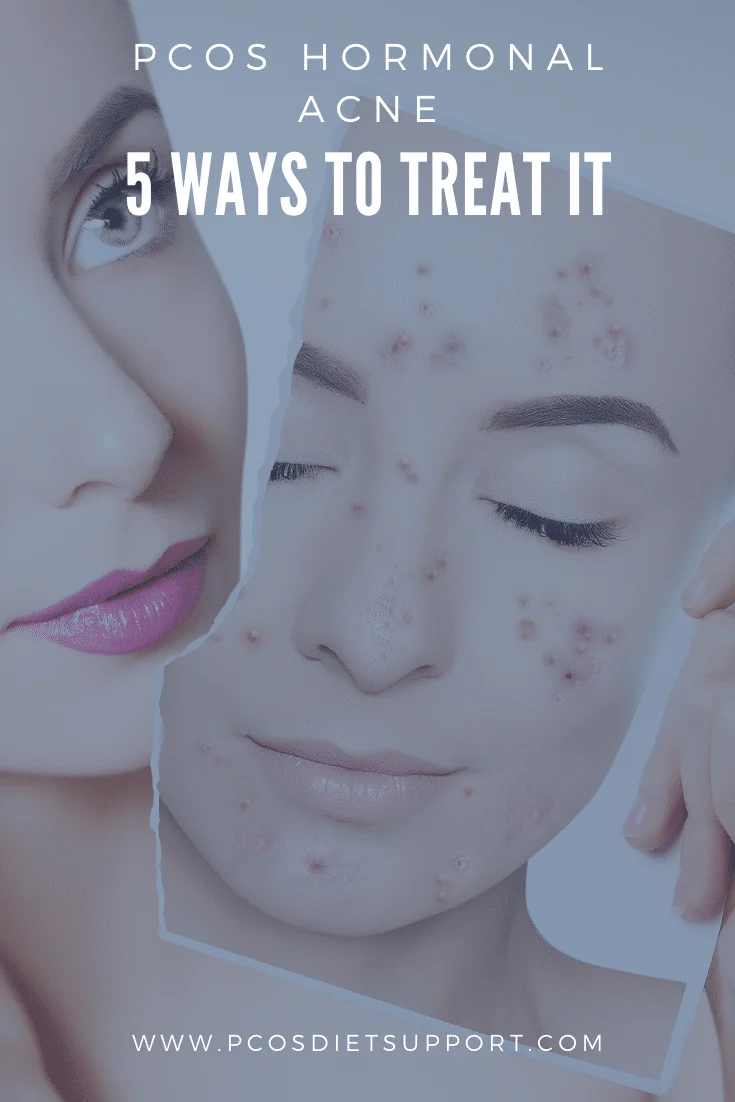
Polycystic Ovary Syndrome (PCOS) represents one of the most common endocrine disorders affecting women of reproductive age, with global prevalence estimates ranging between 8% and 13%. While the condition is primarily characterized by ovular dysfunction and polycystic ovarian morphology, its cutaneous manifestations—specifically hormonal acne—often serve as the most visible and psychologically distressing symptoms. Unlike the transient breakouts associated with the menstrual cycle in the general population, PCOS-related acne is frequently persistent, severe, and resistant to conventional over-the-counter treatments. This clinical challenge necessitates a multi-faceted approach that addresses the underlying hormonal imbalances rather than merely treating the skin’s surface.
The Pathophysiology of PCOS-Induced Acne
The genesis of acne in PCOS patients is deeply rooted in a complex disruption of the endocrine system, primarily involving the hypothalamic-pituitary-ovarian axis. In a healthy physiological state, the pituitary gland regulates the production of estrogen, progesterone, and androgens through a delicate feedback loop. However, in women with PCOS, this signaling process is often compromised. The pituitary gland may produce elevated levels of luteinizing hormone (LH), which stimulates the ovaries to produce an excess of androgens, particularly testosterone.
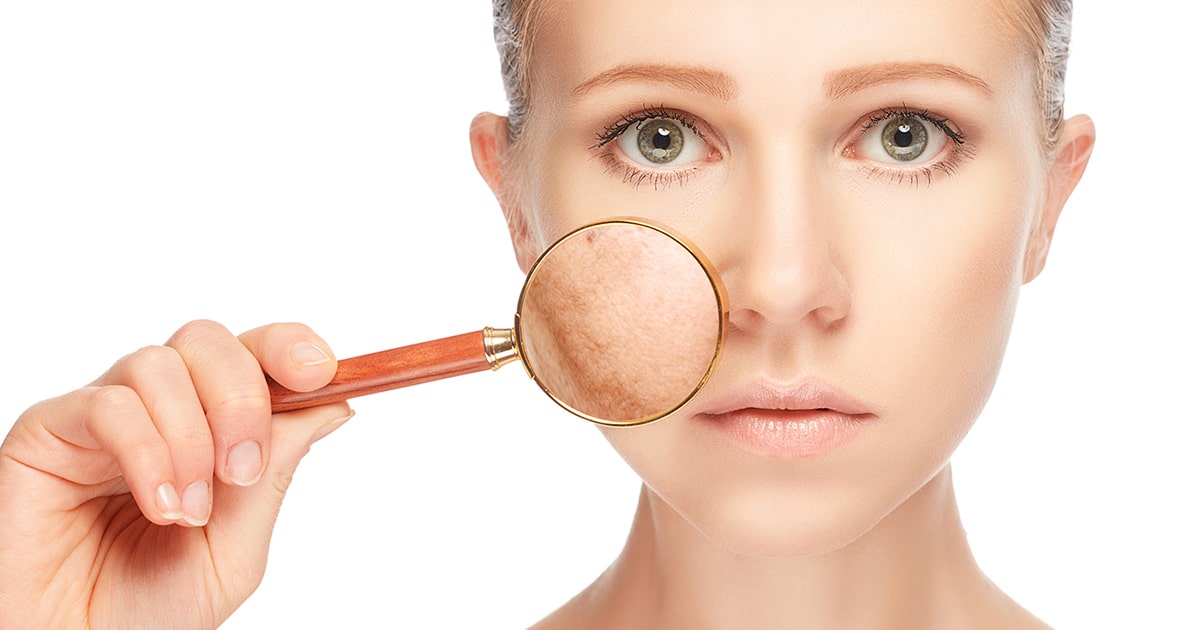
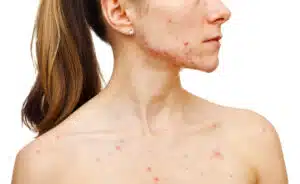
While androgens are essential for maintaining bone density and reproductive tissue health in women, their overproduction has a direct impact on the pilosebaceous unit—the structure consisting of a hair follicle and its associated sebaceous gland. High levels of circulating androgens increase the size of the sebaceous glands and stimulate the production of sebum. This oily substance, when produced in excess, becomes trapped within the pores along with dead skin cells, creating an anaerobic environment conducive to the proliferation of Cutibacterium acnes (formerly Propionibacterium acnes). This progression leads to the deep, painful cystic lesions characteristic of hormonal acne, typically localized along the jawline, chin, and neck.
The Role of Insulin Resistance and Metabolic Drivers
A critical component of PCOS-related acne that is often overlooked is the role of insulin. It is estimated that up to 70% of women with PCOS exhibit some degree of insulin resistance, regardless of their body mass index. When the body becomes less responsive to insulin, the pancreas compensates by producing more of the hormone. Hyperinsulinemia (high insulin levels) acts as a co-gonadotropin, further stimulating the ovaries to produce testosterone. Additionally, high insulin levels suppress the production of Sex Hormone-Binding Globulin (SHBG) in the liver. SHBG is a protein that binds to testosterone in the blood; when SHBG levels are low, there is more "free" or active testosterone available to trigger acne flare-ups.
This metabolic link explains why dietary interventions are often the first line of defense in managing PCOS symptoms. Clinical observations suggest that the consumption of high-glycemic-index foods and certain dairy products can exacerbate insulin spikes. Dairy, in particular, contains insulin-like growth factor 1 (IGF-1) and various bovine hormones that may further stimulate the androgen receptors in the skin. Many patients report a significant reduction in inflammatory lesions within two to four weeks of eliminating dairy and adopting a low-glycemic diet aimed at stabilizing blood glucose levels.
Clinical Pharmacological Interventions
When lifestyle and dietary modifications are insufficient to control moderate to severe acne, medical professionals typically turn to pharmacological strategies. These treatments are categorized into three primary groups: retinoids, antiandrogens, and oral contraceptives.
Systemic and Topical Retinoids
Retinoids, derivatives of Vitamin A, are considered a cornerstone of acne therapy. Topical retinoids, such as Tretinoin or Adapalene, work by normalizing the lifecycle of skin cells (epithelial cell growth), thereby preventing the formation of comedones (clogged pores). For the most severe cases that do not respond to other therapies, Isotretinoin (commonly known by the brand name Accutane) may be prescribed.
Isotretinoin is a potent oral medication that addresses all four major factors of acne: it shrinks sebaceous glands, reduces sebum production, prevents pore clogging, and lowers bacterial colonization. However, its use in PCOS patients requires rigorous monitoring. The medication is highly teratogenic, meaning it can cause severe birth defects if taken during pregnancy. Patients must adhere to strict contraceptive programs (such as iPLEDGE in the United States). Common side effects include extreme dryness of the skin and mucous membranes, joint pain, and potential elevations in liver enzymes and cholesterol levels.

Antiandrogen Medications
Since PCOS acne is driven by male sex hormones, antiandrogens offer a targeted therapeutic route. Spironolactone (Aldactone) is a potassium-sparing diuretic that has been used off-label for decades to treat hormonal acne and hirsutism (excessive hair growth) in women. It works by blocking androgen receptors and inhibiting the production of testosterone.
Clinical studies have shown that Spironolactone can reduce acne by 50% to 100% in women with hormonal imbalances. Another antiandrogen, Cyproterone acetate, is often used in Europe and Canada, frequently in combination with estrogen. These medications are particularly effective for women who experience "flares" before their menstrual cycle or those whose acne has persisted into adulthood.
Combined Oral Contraceptives (COCs)
Oral contraceptives are frequently the first medical intervention suggested by gynecologists for PCOS management. Combined pills containing both estrogen and progestin help regulate the menstrual cycle and, more importantly for acne, increase the production of SHBG. This effectively lowers the amount of free testosterone in the system.
The Food and Drug Administration (FDA) has specifically approved several brands for the treatment of acne, including:
- Yaz and Yasmin: Contain drospirenone, a progestin with antiandrogenic properties.
- Ortho Tri-Cyclen: Uses norgestimate to balance hormonal activity.
- Estrostep: Utilizes a graduated dose of estrogen.
While effective, COCs are not suitable for all patients. They carry an increased risk of venous thromboembolism (blood clots), especially in women who are obese, smoke, or are over the age of 35. Furthermore, some patients find that their symptoms return immediately upon discontinuing the pill, suggesting that COCs manage the symptoms rather than curing the underlying condition.
The Impact of Chronic Stress and Cortisol
The relationship between PCOS and stress creates a physiological feedback loop that can worsen skin health. Stress triggers the adrenal glands to produce cortisol and dehydroepiandrosterone sulfate (DHEA-S), an adrenal androgen. In women with PCOS, the adrenal glands are often already hypersensitive. Increased cortisol levels can lead to higher insulin levels, which in turn stimulates more testosterone production.
Furthermore, the psychological burden of living with PCOS—dealing with weight gain, infertility concerns, and visible acne—creates a state of chronic stress. Dermatologists emphasize that stress-busting activities are not merely "self-care" but are clinical necessities. Practices such as mindfulness-based stress reduction (MBSR), regular physical activity, and adequate sleep hygiene are essential for regulating the endocrine system and reducing the frequency of inflammatory breakouts.
Broader Implications and Long-Term Outlook
The management of PCOS hormonal acne is a long-term endeavor that requires a multidisciplinary approach involving dermatologists, endocrinologists, and nutritionists. Beyond the aesthetic concerns, the presence of persistent acne in adult women is often a "red flag" for underlying metabolic issues, including an increased risk for Type 2 diabetes and cardiovascular disease.
A chronological approach to treatment typically begins with a clinical diagnosis through blood work to measure free and total testosterone, DHEA-S, and fasting insulin levels. Following diagnosis, patients usually undergo a three-to-six-month period of lifestyle adjustments and topical therapies. If improvement is stagnated, systemic treatments like Spironolactone or COCs are introduced.

The broader impact of successful acne management in PCOS patients cannot be overstated. Clinical surveys indicate that clearing hormonal acne significantly improves quality-of-life (QoL) scores, reduces the incidence of clinical depression among PCOS sufferers, and increases patient adherence to other health-related aspects of PCOS management, such as weight loss and glucose monitoring.
As research continues into the genetic and environmental triggers of PCOS, the medical community is moving toward more personalized medicine. Future treatments may focus more heavily on insulin sensitizers, such as Metformin or Inositol, which have shown promise in indirectly clearing acne by addressing the root cause of androgen excess. For now, a combination of hormonal regulation, metabolic support, and targeted skincare remains the most effective strategy for reclaiming skin health in the face of Polycystic Ovary Syndrome.
