
German ingredient manufacturer Crespel & Deiters is set to revolutionize the European plant-based protein landscape through a strategic collaboration with Finnish innovator Happy Plant Protein. This partnership will see the deployment of Happy Plant Protein’s proprietary one-step dry extrusion technology at a commercial scale within Crespel & Deiters’ facility in Helmond, Netherlands. This move signifies a major step forward in producing textured vegetable protein (TVP) from locally sourced crops, offering a more sustainable, cost-effective, and versatile alternative to traditional methods.
The agreement marks the first large-scale implementation of Happy Plant Protein’s technology by a major European ingredient producer. For Crespel & Deiters, a company with over 168 years of experience, this collaboration represents a significant diversification strategy, moving beyond its traditional wheat-based portfolio to embrace a wider range of legumes, including peas and fava beans. This strategic pivot aligns with the growing global demand for plant-based protein sources and supports the European Union’s ambition to bolster its domestic protein production.
Happy Plant Protein, which emerged from the VTT Technical Research Centre of Finland in 2024, has developed a unique dry extrusion process that directly transforms legume flour into textured protein. This innovative approach bypasses the need for isolates and harsh chemicals, utilizing only heat and pressure with minimal water and energy consumption. A key advantage of this technology is its ability to overcome the common off-flavors, such as bitterness and beany notes, often associated with plant-based protein ingredients, delivering a neutral taste profile that is highly desirable for food manufacturers.
The company’s dry extrusion method offers remarkable flexibility. It can process a broad spectrum of legumes and cereals and can be integrated into existing manufacturing infrastructure with relatively low capital investment. Crucially, the texture, hydration capabilities, and overall functionality of the resulting protein ingredients can be precisely controlled during the extrusion process. This allows manufacturers to tailor the protein to meet specific product requirements, creating everything from firm, meat-like textures for plant-based meat alternatives to softer, more porous structures suitable for a variety of food applications, including ready meals, snacks, and baked goods. This adaptability is expected to unlock a new generation of plant-based and blended food products.
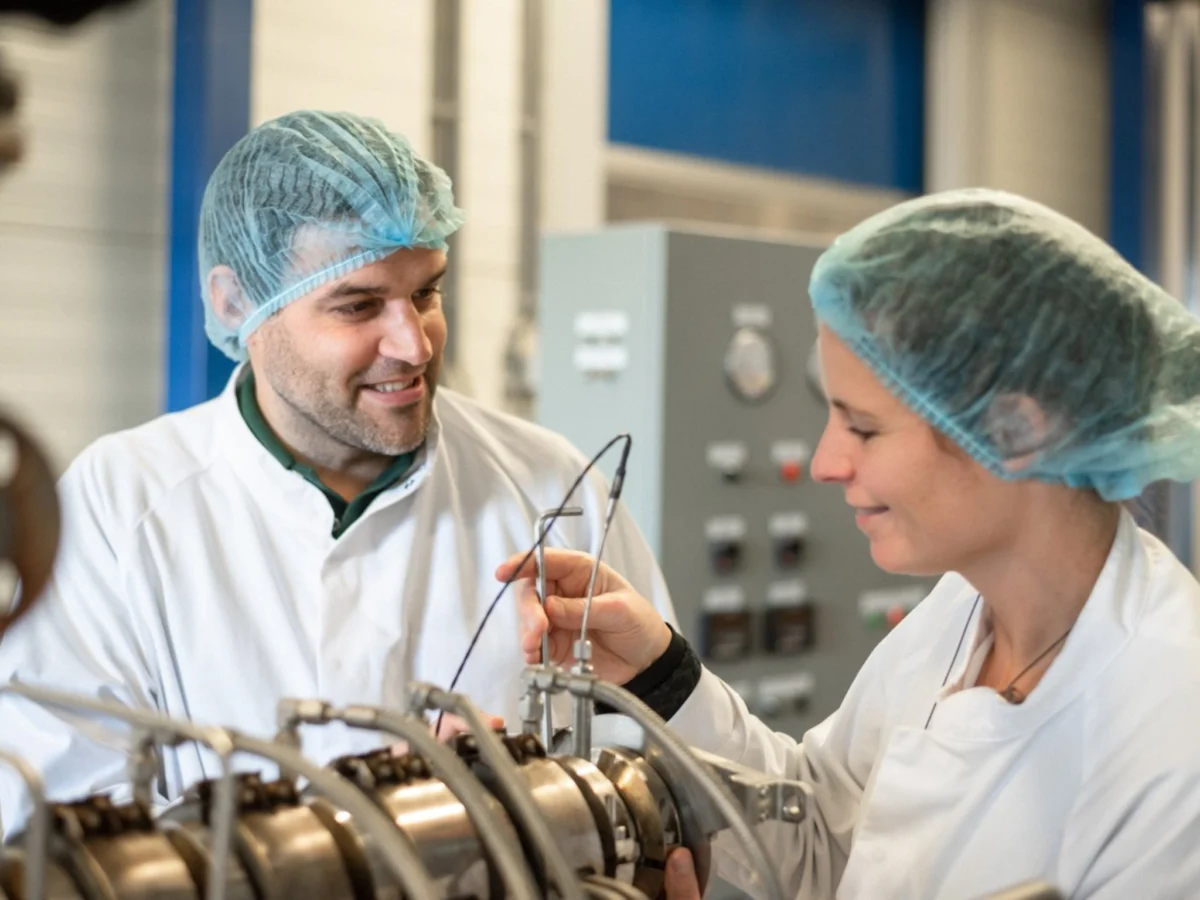
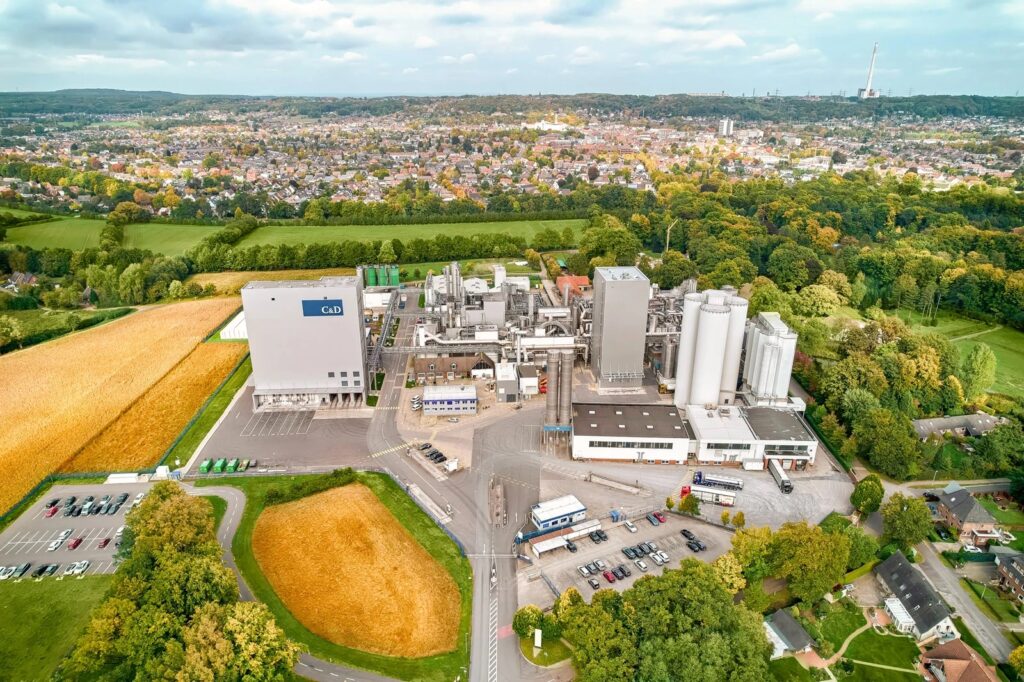
The Helmond facility, operated by extrusion specialists ECP and a long-standing site for Crespel & Deiters since 1998, is equipped with a technical center featuring a laboratory extruder and modern production lines. This established infrastructure provides an ideal environment for scaling up Happy Plant Protein’s technology. Philipp Deiters, Chief Strategy Officer (CSO) of Food at Crespel & Deiters, emphasized the strategic rationale behind the partnership. "We are adopting Happy Plant Protein’s dry extrusion because it offers a modern, responsible, and cost-efficient way to manufacture ingredients," Deiters stated. "At our Helmond site, we are scaling the technology with our extrusion expertise to produce functional, neutral-tasting TVP from European-grown legumes – faster, more sustainably, and closer to our customers’ needs."
This collaboration is not an isolated effort for Happy Plant Protein. The company has also made a substantial €6 million (approximately $7 million) greenfield investment to establish a first-of-its-kind facility in Latvia. This Latvian plant, slated for operation by local company Agrofirma Lobe, will focus on processing locally sourced crops into high-value proteins. The construction of this facility, which is expected to take a year and commence production in early 2027, has received partial funding support from the European Union. Upon completion, it is projected to have an annual capacity of around 5,000 tonnes of protein ingredients. This initiative further underscores Happy Plant Protein’s commitment to building robust, localized protein supply chains within Europe.
The strategic alignment of these scale-up efforts with the European Commission’s Protein Plan is significant. The EU Protein Plan aims to reduce the continent’s reliance on imported plant-based proteins, a critical objective for food security and sustainability. While the plan has faced some criticism for potentially prioritizing livestock feed over human food applications, it does acknowledge the importance of legumes and pulses in a balanced and sustainable diet. The Commission intends to promote these crops through various initiatives, including its promotional programs and the "Buy European" campaign. Furthermore, proposals for the next Common Agricultural Policy (CAP) are expected to introduce standards for protein crops, incentivizing their cultivation and consumption among European citizens.
The adoption of Happy Plant Protein’s technology by a major player like Crespel & Deiters validates both the innovation itself and the burgeoning market demand for advanced plant-based ingredient solutions across Europe. Jari Karlsson, co-founder and CEO of Happy Plant Protein, commented on the significance of the partnership: "This collaboration demonstrates that major ingredient manufacturers are looking for new ways to bring plant proteins to market more efficiently. For us, it validates both the technology and the growing demand for plant-based ingredient solutions in Europe."
The economic implications of this partnership are far-reaching. By enabling the processing of locally grown legumes, the technology contributes to shorter and more resilient supply chains, reducing the carbon footprint associated with long-distance transportation of raw materials. It also fosters new revenue streams for European farmers, promoting diversification of agricultural practices and enhancing local value creation. The ability to produce high-quality protein ingredients domestically can help insulate European food manufacturers from global market volatility and supply chain disruptions.
The development of Happy Plant Protein’s technology dates back to its spin-out from the VTT Technical Research Centre of Finland. The research focused on addressing the inherent challenges in processing plant proteins, particularly the undesirable organoleptic properties and the energy-intensive nature of traditional isolation methods. The one-step dry extrusion process represents a paradigm shift, offering a more integrated and efficient pathway from raw legume flour to a functional, textured protein ingredient. This direct conversion minimizes processing steps, reduces waste, and preserves more of the inherent nutritional value of the raw materials.
A key aspect of Happy Plant Protein’s offering is its ability to produce ingredients with a neutral taste profile. This is a significant differentiator in the plant-based market, where off-flavors have historically been a major barrier to consumer acceptance and product innovation. By delivering a clean taste, the technology allows food developers greater freedom to create a wider array of appealing plant-based products without being constrained by the inherent flavors of the protein source.
The texture and functionality achieved through the dry extrusion process are also highly adaptable. This means that a single technology can serve multiple market needs, from the development of plant-based burgers and sausages that mimic the bite and chew of meat, to the creation of lighter, more crumbly textures for snacks and inclusions, or even smooth, protein-enriched powders for nutritional supplements. This versatility positions Happy Plant Protein’s technology as a foundational element for innovation across the entire food industry.
Crespel & Deiters’ decision to integrate this technology is a testament to its forward-thinking approach. As a company deeply rooted in traditional ingredient manufacturing, its embrace of cutting-edge plant-based technology signals a broader industry trend. The company’s expertise in extrusion and ingredient processing, honed over decades, will be instrumental in optimizing the large-scale deployment of Happy Plant Protein’s system. This synergy between Happy Plant Protein’s disruptive technology and Crespel & Deiters’ industrial scale and market reach is a powerful combination.
The broader context of the EU Protein Plan underscores the strategic importance of this partnership. The EU currently imports a significant portion of its protein for animal feed, contributing to a substantial trade deficit. While the plan also aims to boost domestic protein production for human consumption, the focus on agricultural diversification and localized processing is a shared objective. By utilizing European-grown legumes, Crespel & Deiters and Happy Plant Protein are directly contributing to this goal, enhancing food sovereignty and reducing reliance on external suppliers.
The initiative also aligns with growing consumer demand for transparency and sustainability in food production. Consumers are increasingly interested in the origin of their food and the environmental impact of its production. Locally sourced ingredients, processed using energy-efficient methods, resonate strongly with these consumer values. The partnership between Crespel & Deiters and Happy Plant Protein is therefore well-positioned to capitalize on these evolving consumer preferences.
Looking ahead, the success of this collaboration could pave the way for further innovation and expansion. The model established in Helmond and planned for Latvia could be replicated across other European regions, further strengthening the continent’s capacity for plant-based protein production. The ability to customize protein ingredients on-demand also opens up opportunities for co-development projects with food manufacturers, accelerating the launch of new and innovative plant-based products.
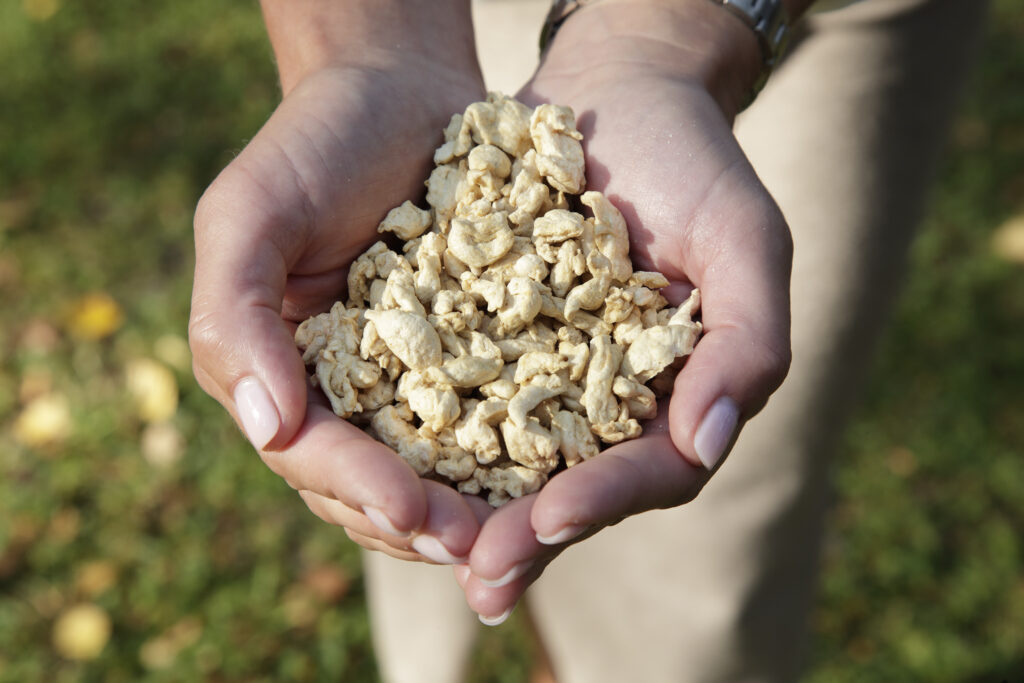
The company also unveiled a textured vegetable protein (TVP) offering made from fava beans last year, which boasts an impressive nutritional profile of 61g of protein and 9g of fiber per 100g. This specific product demonstrates the tangible output of Happy Plant Protein’s technological advancements and its potential to significantly enhance the structure and nutritional composition of plant-based and blended food items. The commercialization of such ingredients through established manufacturers like Crespel & Deiters is crucial for scaling their impact.
In conclusion, the partnership between Crespel & Deiters and Happy Plant Protein represents a pivotal moment for the European plant-based protein industry. By leveraging innovative dry extrusion technology and focusing on locally sourced ingredients, this collaboration is poised to deliver more sustainable, cost-effective, and versatile protein solutions, supporting the EU’s strategic objectives and meeting the increasing demands of a global market seeking healthier and more environmentally friendly food options. The integration of Happy Plant Protein’s technology into Crespel & Deiters’ operations is a clear signal of the future direction of ingredient manufacturing, emphasizing efficiency, sustainability, and consumer-centric product development.
