
Polycystic Ovary Syndrome (PCOS) remains one of the most prevalent endocrine disorders among women of reproductive age, affecting an estimated 5% to 15% of the global female population. Characterized by a complex interplay of hormonal imbalances, ovulatory dysfunction, and metabolic disturbances, the condition often necessitates a multi-faceted approach to management. In recent years, the medical community and patient advocacy groups have turned their attention toward the ketogenic diet—a high-fat, moderate-protein, and very-low-carbohydrate nutritional protocol—as a potential intervention for the metabolic underpinnings of the syndrome. While traditionally utilized in the treatment of pediatric epilepsy, the ketogenic diet’s ability to modulate insulin levels has positioned it as a compelling, albeit controversial, strategy for addressing the insulin resistance that plagues approximately 70% of women diagnosed with PCOS.
The Metabolic Framework of PCOS and Insulin Resistance
To understand the application of the ketogenic diet to PCOS, it is necessary to examine the physiological role of insulin. In the majority of PCOS cases, the body exhibits insulin resistance, a state where cells in the muscles, fat, and liver do not respond appropriately to insulin and cannot easily take up glucose from the blood. As a result, the pancreas produces additional insulin to compensate. This hyperinsulinemia is not merely a metabolic byproduct; it acts as a primary driver of ovarian dysfunction. High levels of circulating insulin stimulate the theca cells in the ovaries to produce excess androgens, particularly testosterone. This androgen excess is responsible for the hallmark symptoms of PCOS, including hirsutism (excess hair growth), persistent acne, and male-pattern hair thinning.
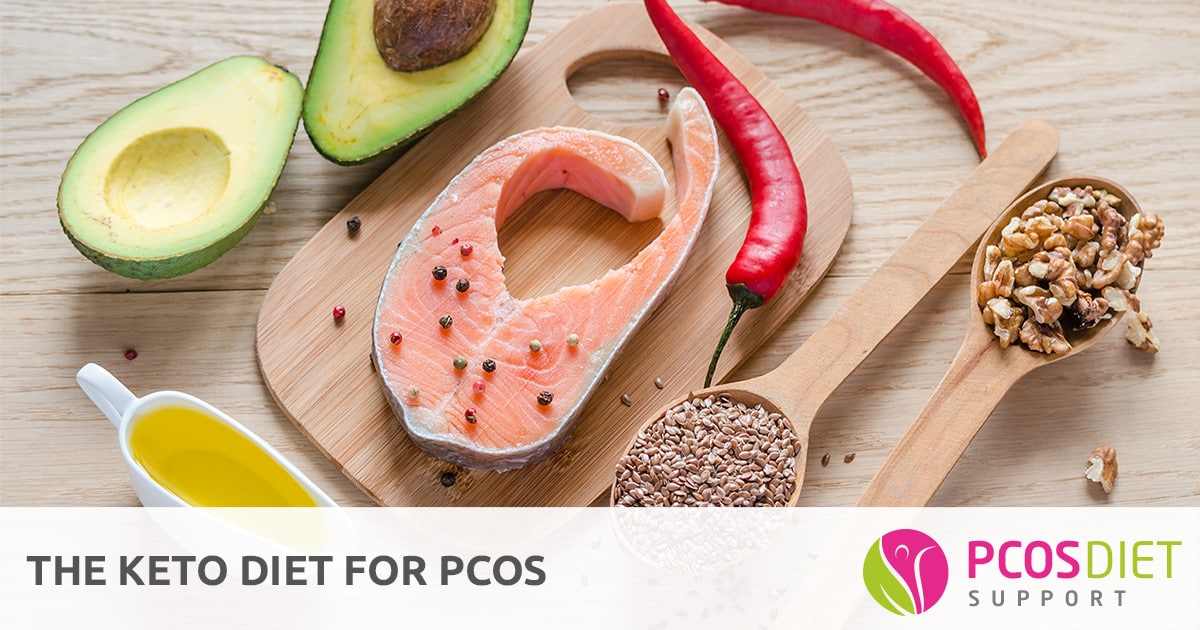
The ketogenic diet operates on the principle of nutritional ketosis. By restricting carbohydrate intake to typically fewer than 50 grams per day, the body is forced to transition from its primary fuel source, glucose, to an alternative source: ketone bodies derived from the breakdown of fats. This metabolic shift significantly reduces the demand for insulin secretion. Medical experts, including Dr. Jason Fung, author of "The Complete Guide to Fasting," frequently employ the "refrigerator and freezer" analogy to explain this process. In this model, glycogen stores (glucose) represent the kitchen refrigerator—easily accessible but limited in capacity. Body fat represents a deep freezer in the basement—a massive energy reserve that is difficult to access as long as the refrigerator is constantly being restocked with dietary carbohydrates. By "emptying the refrigerator" through carbohydrate restriction, the body is forced to "access the freezer," thereby mobilizing stored fat for energy.
Chronology of Dietary Interventions in PCOS Management
The evolution of dietary strategies for PCOS has transitioned through several distinct phases over the last three decades. In the 1990s and early 2000s, clinical focus was primarily placed on low-calorie, low-fat diets aimed at general weight loss. However, these interventions often failed to address the specific hormonal drivers of the condition.
A pivotal shift occurred in 2005 when a pilot study published in "Nutrition & Metabolism" examined the effects of a ketogenic diet on women with PCOS. Over a six-month period, participants who adhered to a diet consisting of less than 20 grams of carbohydrates per day showed significant improvements across all primary markers. The study reported an average weight loss of 12%, a 22% reduction in free testosterone levels, and a 36% reduction in fasting insulin. Furthermore, two of the eleven women in the small-scale study became pregnant despite previous infertility issues.

Since that time, the rise of the "Low Carb High Fat" (LCHF) movement and variations like the Atkins diet have brought ketogenic principles into the mainstream. The current decade has seen a surge in "metabolic psychiatry" and "metabolic endocrinology," where diets are prescribed not just for weight management, but for the systemic regulation of hormones and inflammatory markers.
Supporting Data: Clinical Benefits and Physiological Outcomes
The efficacy of the ketogenic diet in treating PCOS is supported by a growing body of data focusing on weight loss, satiety, and cardiovascular health.
1. Hormonal Stabilization and Androgen Reduction
Beyond the 2005 pilot study, subsequent research has consistently demonstrated that lowering insulin levels directly correlates with a reduction in Luteinizing Hormone (LH) and an improvement in the LH to Follicle-Stimulating Hormone (FSH) ratio. This stabilization is critical for restoring regular ovulation. Furthermore, the reduction in insulin levels increases the production of Sex Hormone-Binding Globulin (SHBG), a protein that binds to testosterone in the blood, making it inactive and thereby reducing symptoms of hyperandrogenism.

2. Satiety and Appetite Regulation
One of the primary challenges for women with PCOS is "disordered hunger," often driven by rapid fluctuations in blood sugar. High-carbohydrate meals lead to insulin spikes followed by "crashes," which trigger cravings for sugar and refined starches. Clinical reviews published in the "Journal of the Academy of Nutrition and Dietetics" suggest that ketogenic diets increase the levels of cholecystokinin (CCK), a hormone that signals fullness, while suppressing ghrelin, the "hunger hormone." This hormonal shift allows patients to maintain a caloric deficit without the psychological burden of chronic hunger.
3. Cardiovascular Health and Lipid Profiles
Women with PCOS are at a significantly higher risk for cardiovascular disease and Type 2 diabetes. While critics often express concern regarding the high fat intake associated with keto, data suggests that for many, the diet improves the lipid profile. Specifically, it often leads to an increase in High-Density Lipoprotein (HDL) or "good" cholesterol and a decrease in triglycerides. The reduction in systemic inflammation, measured by C-reactive protein (CRP) levels, also contributes to improved vascular health.
4. Dermatological Improvements
Acne in PCOS is largely driven by Insulin-like Growth Factor 1 (IGF-1). High insulin levels lower the levels of IGF-1 binding proteins, leading to an excess of free IGF-1, which stimulates sebum production and skin cell growth. By lowering insulin, the ketogenic diet increases these binding proteins, effectively clearing hormonal acne from the inside out.

Challenges, Risks, and Contraindications
Despite the documented benefits, the ketogenic diet is not a universal solution and carries specific risks that require medical supervision.
The Sustainability Gap
The most significant hurdle identified by clinicians is long-term adherence. The restrictive nature of the diet—eliminating grains, most fruits, and starchy vegetables—can lead to social isolation and "dietary fatigue." Statistics show that a high percentage of individuals who utilize highly restrictive diets regain weight once they return to a moderate carbohydrate intake.
The "Keto Flu" and Electrolyte Imbalance
During the initial transition into ketosis, the body undergoes a rapid diuresis (loss of water). This process flushes out essential electrolytes such as sodium, magnesium, and potassium. The resulting symptoms—headaches, nausea, fatigue, and muscle cramps—are collectively known as the "keto flu." While temporary, these symptoms can be severe enough to cause early abandonment of the protocol.

Thyroid Function and Hypothyroidism
A critical concern for the PCOS population is the high comorbidity rate with thyroid disorders, specifically Hashimoto’s thyroiditis. Thyroid function is sensitive to insulin and glucose levels; the conversion of the inactive thyroid hormone T4 into the active T3 requires a certain threshold of insulin. Drastically low insulin levels can, in some individuals, lead to a downregulation of thyroid activity, exacerbating fatigue and stalling weight loss. For these patients, a moderate-carbohydrate approach (approximately 100 grams per day) is often recommended over strict ketosis.
Expert Perspectives and Professional Recommendations
The medical consensus is increasingly shifting toward a "Metabolic Flexibility" model rather than a lifelong strict ketogenic requirement. Mark Sisson, a leading proponent of the "Keto Reset" approach, suggests that a 21-day period of ketosis can be used to "reboot" the metabolism, followed by a transition to a nutrient-dense, ancestral-style diet that includes a broader range of carbohydrates.
Endocrinologists often emphasize that while the ketogenic diet is a powerful tool for weight loss and insulin management, it must be customized. For instance, the inclusion of dairy is a point of contention; many women with PCOS find that dairy triggers inflammation and acne, regardless of its carbohydrate content. Consequently, a "clean" ketogenic diet—focused on leafy greens, cruciferous vegetables, healthy fats like avocado and olive oil, and high-quality proteins—is generally viewed as superior to "dirty keto," which relies heavily on processed meats and dairy.
Broader Impact and Future Implications
The integration of ketogenic principles into PCOS management reflects a broader shift in modern medicine toward "food as medicine." As the healthcare industry grapples with the rising costs of metabolic syndrome and infertility treatments, low-cost dietary interventions are gaining traction as first-line therapies.
The implications of this shift are profound. For many women, successful management of PCOS through diet reduces the need for pharmaceutical interventions such as Metformin or hormonal birth control, both of which can have significant side effects. Furthermore, the focus on insulin regulation rather than just caloric restriction empowers patients with a deeper understanding of their own biology.
In conclusion, the ketogenic diet offers a potent metabolic intervention for women struggling with the symptoms of PCOS. By targeting the root cause—hyperinsulinemia—it provides a pathway for hormonal balance, weight loss, and improved fertility. However, the diet’s restrictive nature and potential impact on thyroid health necessitate a cautious, individualized approach. As research continues to evolve, the goal for many will be to find a sustainable "middle ground" that maintains metabolic health while allowing for a diverse and nutritionally complete lifestyle. The future of PCOS care likely lies in using tools like the ketogenic diet not as a permanent cage, but as a therapeutic bridge to long-term metabolic resilience.
