
The discourse surrounding hair hydration is rife with contradictions, leaving consumers and even some industry professionals navigating a maze of conflicting advice. On one hand, the market is saturated with "hydrating" hair products, suggesting a universal benefit to increasing hair’s water content. On the other, a segment of hair experts, including scientists, caution that water can be detrimental, contributing to damage. This divergence highlights a profound misunderstanding of water’s intricate interaction with hair, a topic often obscured by marketing rhetoric and entrenched beliefs. Decades of ingrained consumer perception have led to a beauty industry consensus where "hydration" is equated with desirable hair qualities like softness and smoothness, even when scientific evidence suggests a more nuanced reality.
The pervasive notion of "hydrated hair" as an unequivocally positive state is largely a misconception, meticulously cultivated by the haircare industry. This phenomenon is not merely a result of consumer misunderstanding but is, in part, a strategic simplification. As early as the late 20th century, with the rise of sophisticated cosmetic formulations, marketers sought compelling language to differentiate products. "Moisturizing" gradually evolved into "hydrating," carrying connotations of plumpness and vitality, despite the scientific complexities involved. Industry insiders have openly acknowledged the challenge of correcting these deep-seated beliefs, often prioritizing marketability over exhaustive scientific explanation. A 2013 article in Cosmetics & Toiletries by T. Evans notably discussed the disconnect between consumer language and scientific terminology, highlighting how difficult it is to shift perceptions that have been reinforced for years. This commercial imperative has inadvertently obscured the true science, making the journey to understanding hair’s interaction with water more challenging for the average consumer.
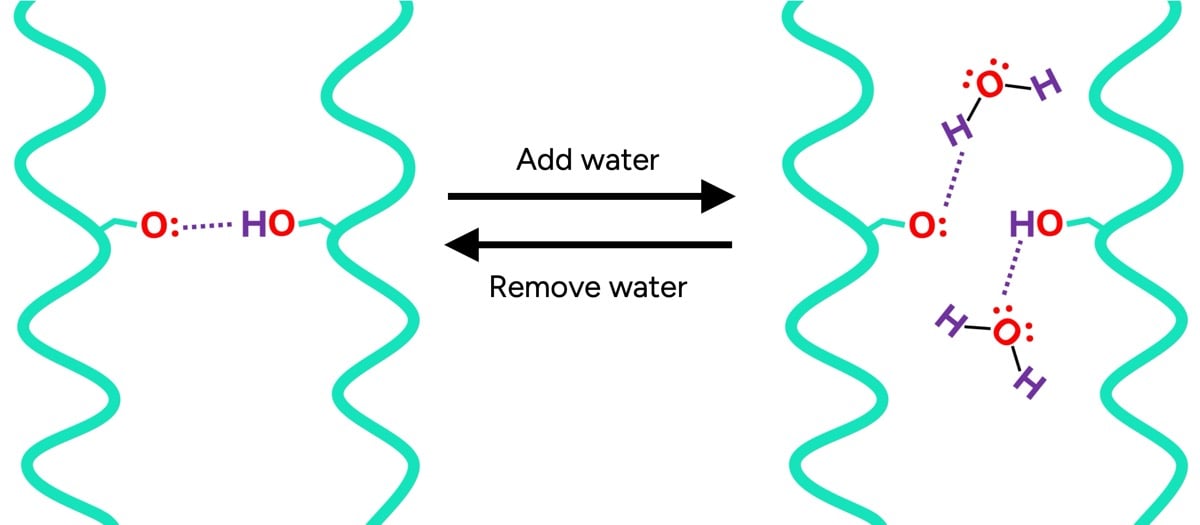
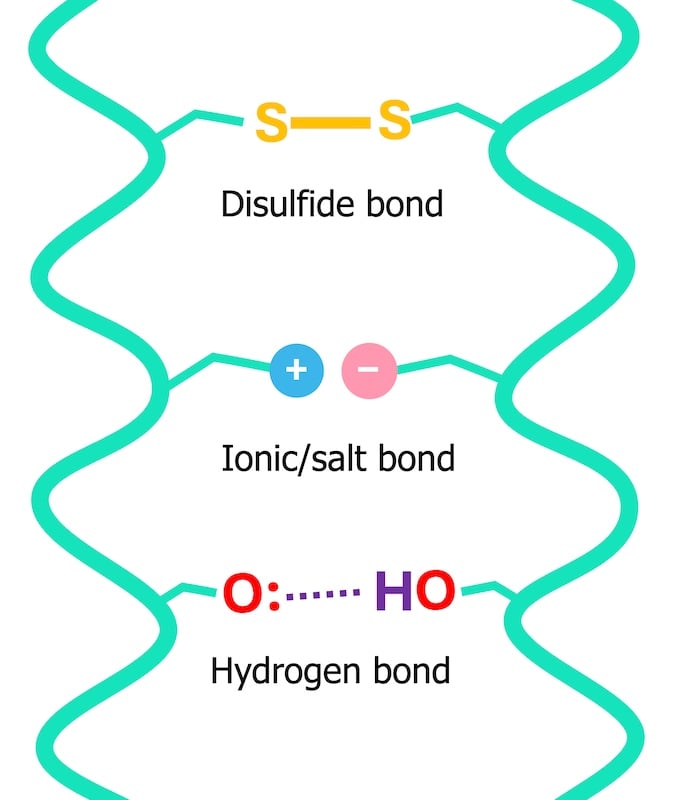
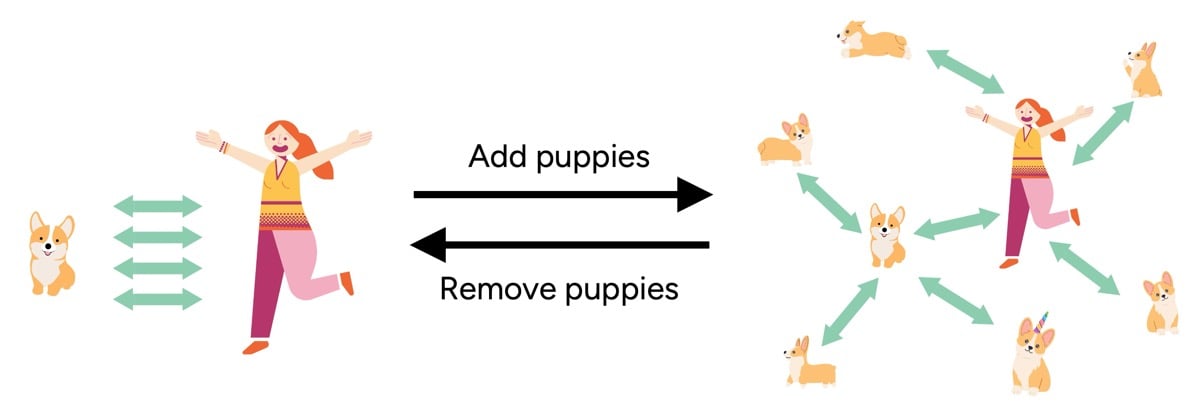
At the molecular core, hair is composed primarily of keratin proteins, held together by a complex network of bonds that dictate its strength, elasticity, and shape. These bonds fall into two main categories: permanent and temporary. Disulfide bonds are permanent, providing structural integrity, while hydrogen and ionic bonds are temporary, easily broken and reformed. It is these temporary bonds that are particularly sensitive to water. In its dry state, hair proteins form numerous temporary hydrogen bonds with each other, creating a robust, albeit stiffer, structure. When water is introduced, its polar nature allows it to effectively compete for these bonding sites. Water molecules interpose themselves between the hair proteins, forming new hydrogen bonds with the proteins, thereby disrupting the existing protein-to-protein bonds. This process effectively reduces the number of internal bonds holding the hair’s protein matrix together, leading to a significant decrease in its overall strength and an increase in its flexibility and elasticity. This molecular exchange is akin to a crowded social gathering where individuals (proteins) are initially paired up, but the introduction of new, friendly guests (water molecules) causes them to disengage from their original partners and interact with the newcomers, weakening the original pairing.
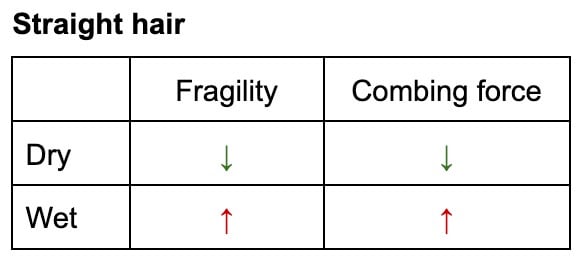
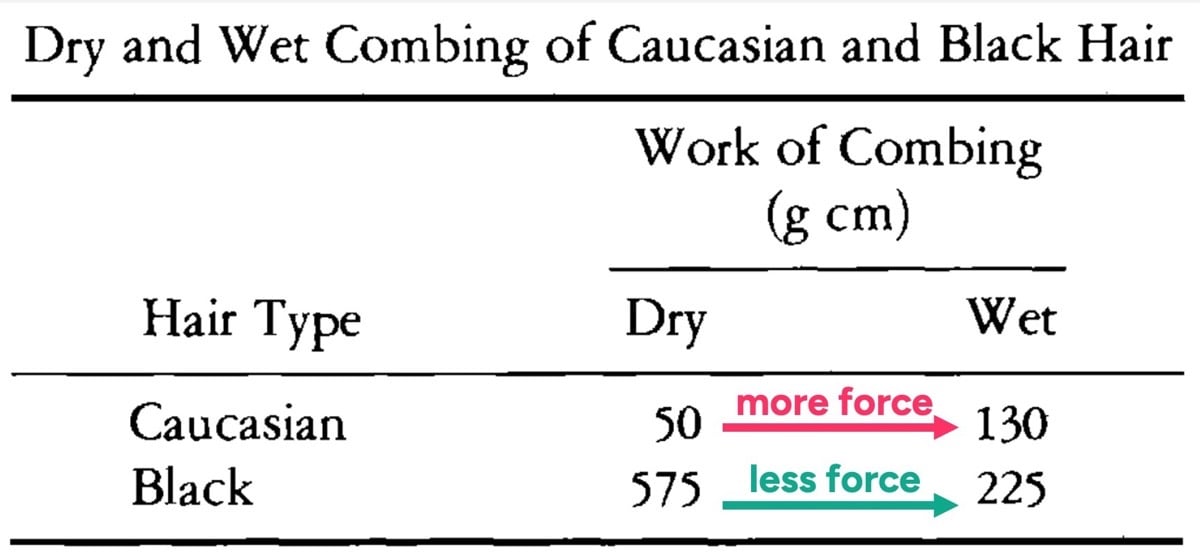
The altered bonding structure in wet hair has direct implications for haircare practices, particularly detangling. Wet hair, with its reduced internal bonds, becomes stretchier and more elastic, making it theoretically easier to manipulate. However, this increased elasticity comes at the cost of tensile strength. Numerous studies, including early work by J. Epps and L.J. Wolfram in 1983, have explored the mechanical properties of hair in different states. For straight hair, the consensus is that detangling when wet is generally more damaging. The hair is weaker, making it more susceptible to breakage under tension. Additionally, water can increase friction between individual strands, causing them to stick together and resist smooth combing, further exacerbating the potential for damage. A comprehensive review of hair mechanics, such as that detailed in C.R. Robbins’ Chemical and Physical Behavior of Human Hair, consistently notes that the wet combing of straight hair often requires more force than dry combing, leading to increased cuticle abrasion and fracture.
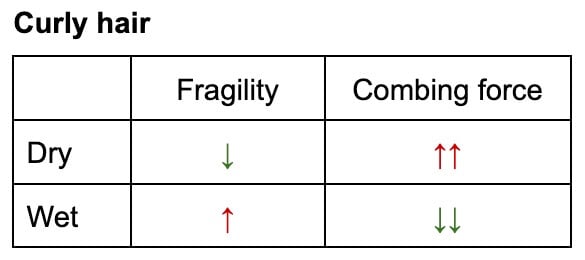
Conversely, for curly and coily hair types, wet detangling can be less damaging. While the hair is still weaker when wet, the inherent structure of curls means that strands are naturally more prone to tangling when dry. Water, especially when combined with a conditioner, provides lubrication, reducing the friction between coils and allowing for easier separation. The increased flexibility of wet curly hair also means that less force is required to navigate tangles without causing excessive stress or breakage to the delicate curl pattern. This nuanced understanding underscores that water itself is not inherently "good" or "bad" but rather a tool whose effects depend heavily on hair type and the accompanying care regimen. The application of a suitable conditioner, rich in lubricating agents like silicones or fatty alcohols, further mitigates potential damage by forming a protective film that reduces friction regardless of hair type.
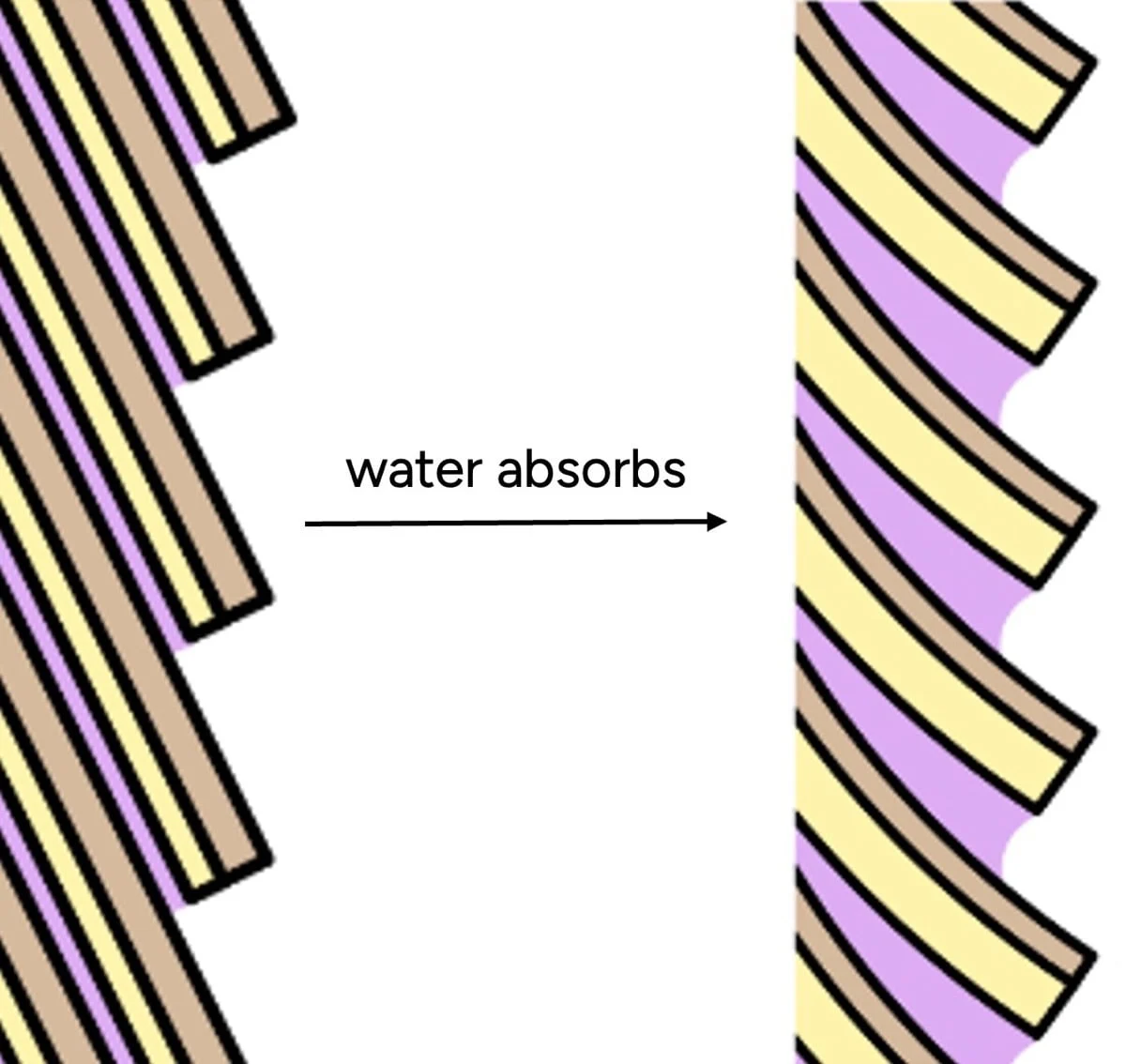
Beyond mechanical strength, water also influences the sensory perception of hair. Counterintuitively, hair that feels "soft," "smooth," and "healthy"—qualities often associated with "hydration"—actually tends to have a lower water content than hair perceived as "rough" or "dry." This phenomenon was famously illustrated in a study where participants evaluated hair samples, consistently rating those with lower water content as more "moisturized" and less damaged. The explanation lies in the hair’s outermost layer, the cuticle. The cuticle consists of overlapping scales, which lie flat and smooth when hair is dry. When hair absorbs water, these scales swell. Crucially, different parts of the cuticle—the endocuticle (underside of the scale) and the cell membrane complex (the "glue" between scales)—absorb water at different rates and to different extents. This uneven swelling causes the cuticle scales to lift and buckle, creating a microscopically rough and uneven surface. Furthermore, water itself is inherently sticky, increasing friction between hair strands and between hair and other surfaces. This microscopic roughness and increased stickiness are interpreted by our tactile senses as "dryness" or "damage," a perception often at odds with the hair’s actual water content. This sensory illusion is a critical factor in how consumers interpret product efficacy and hair health.
The products marketed as "hydrating" primarily function by conditioning the hair, rather than simply infusing it with water. Conditioners typically contain ingredients like silicones, emollients, and fatty alcohols that deposit a thin, smooth film onto the cuticle. This film acts to flatten the lifted cuticle scales, reduce friction, and create a smoother, softer surface texture. Undamaged hair naturally possesses an outer lipid layer, known as the F-layer, which provides this protective and smoothing effect. Damage, whether from heat, chemical treatments, or mechanical stress, can strip away this F-layer. "Hydrating" conditioners, therefore, largely serve to mimic and restore the functions of this natural protective layer, making hair feel smooth, soft, and appear healthy, irrespective of its internal water content.
The feeling of renewed vitality after a full hair wash and conditioning routine, often attributed to "hydration," involves several interconnected mechanisms beyond simple water absorption. Firstly, water acts as an excellent vehicle for distributing conditioning ingredients evenly across the hair shaft. A rinse-off conditioner, diluted and spread by water, can coat hair more thoroughly than a concentrated leave-in product applied to already dry or semi-dry hair. Secondly, water plays a crucial role in resetting the hair’s shape. Hair’s temporary bonds, which hold styles created by heat or mechanical manipulation, are easily broken by water. This allows the hair to return to its natural configuration, or to be restyled more effectively. Heat styling, for instance, creates new temporary bonds that hold a specific shape. Washing hair with warm water and shampoo efficiently breaks these bonds, allowing the hair to become pliable and "floppy," ready for a fresh style.
For curly and coily hair, water’s role in reshaping is even more pronounced. Surface tension causes wet hair strands to adhere to each other, a process known as self-assembly. This "zipping together" effect helps curly hair form well-defined clumps, which are essential for maintaining curl integrity and reducing frizz. These larger, more aligned clumps can also contribute to the perception of "hydration" when dry. Aligned strands present a larger, smoother surface area to the touch, feeling cooler and smoother than disarrayed hair. This tactile sensation can be subconsciously interpreted as hair being "hydrated" or healthier. Furthermore, water can rectify microscopic damage. Rapid drying, especially with high heat, can cause uneven shrinkage of cuticle scales, leading to buckling and a rough surface, as observed in studies by M. Gamez-Garcia in 2021. Soaking hair in water and allowing it to dry naturally can reset this buckling, restoring a smoother cuticle surface. These effects are less about retaining water within the hair structure and more about water’s transient ability to reorganize and smooth the hair at both macroscopic and microscopic levels.
An optimal level of water content exists for hair, much like for skin. Excessively wet hair is mechanically weaker and its cuticle rougher, making it more prone to damage, particularly for straight hair types. Conversely, hair with too little water also suffers adverse effects. In low humidity environments, such as during air travel, hair can experience increased static electricity. This occurs because dry hair readily loses electrons when rubbed against other materials, and without sufficient water molecules to dissipate these charges, static builds up, leading to flyaways. More critically, extremely dry hair becomes brittle and loses its natural shock absorbency. The overabundance of protein-to-protein bonds in very dry hair renders it inflexible, making it susceptible to microscopic cracks and eventual breakage when subjected to routine stresses like brushing or styling. This is analogous to dry fingernails, which crack and split more easily than nails softened by water. The ideal "sweet spot" for hair water content allows for sufficient flexibility without compromising structural integrity or creating a rough surface. This optimal balance typically falls within a range that is significantly lower than what "hydrating" product marketing often implies.
Achieving this balanced water content and maintaining hair health involves several strategic approaches. Regular conditioning is paramount, as conditioners create a smooth, protective layer on the hair cuticle, reducing friction and enhancing shine, thereby mimicking the feel of "hydrated" hair. Utilizing leave-in conditioners and oils can further seal the cuticle and provide ongoing lubrication. Humectants, such as glycerin or hyaluronic acid, can attract and hold moisture from the atmosphere, but their efficacy is highly dependent on environmental humidity. In very dry climates, humectants can actually draw moisture out of the hair, potentially making it drier. Conversely, in humid environments, they can help maintain a balanced moisture level. Oils, particularly those like coconut oil, have been shown to penetrate the hair shaft and reduce protein loss, offering a form of internal conditioning that helps maintain structural integrity. Studies, including work by V. Kaushik et al. in 2021, have explored how certain oils can impact hair’s physical properties. Ultimately, gentle handling of hair, especially when wet, remains crucial to prevent mechanical damage.
In conclusion, the prevailing narrative around hair hydration requires a scientific recalibration. Water is neither a universal panacea nor an inherent villain for hair; rather, it is a powerful solvent and plasticizer that profoundly influences hair’s physical properties. Its role is complex and context-dependent. True hair health, perceived as smooth, soft, and manageable, is less about saturating hair with water and more about effective conditioning, gentle handling, and strategic management of its interaction with water to achieve an optimal balance of flexibility and strength. The term "hydrating" in marketing often refers to the effect of conditioning, which creates a smooth, friction-reduced surface, rather than literally increasing water content to a point of saturation. Consumers are encouraged to focus on products that offer demonstrable conditioning benefits—reducing friction, smoothing the cuticle, and protecting the hair shaft—rather than being swayed solely by claims of "hydration." By understanding the true science, individuals can make more informed choices, moving beyond marketing myths to cultivate truly healthy and resilient hair.
