
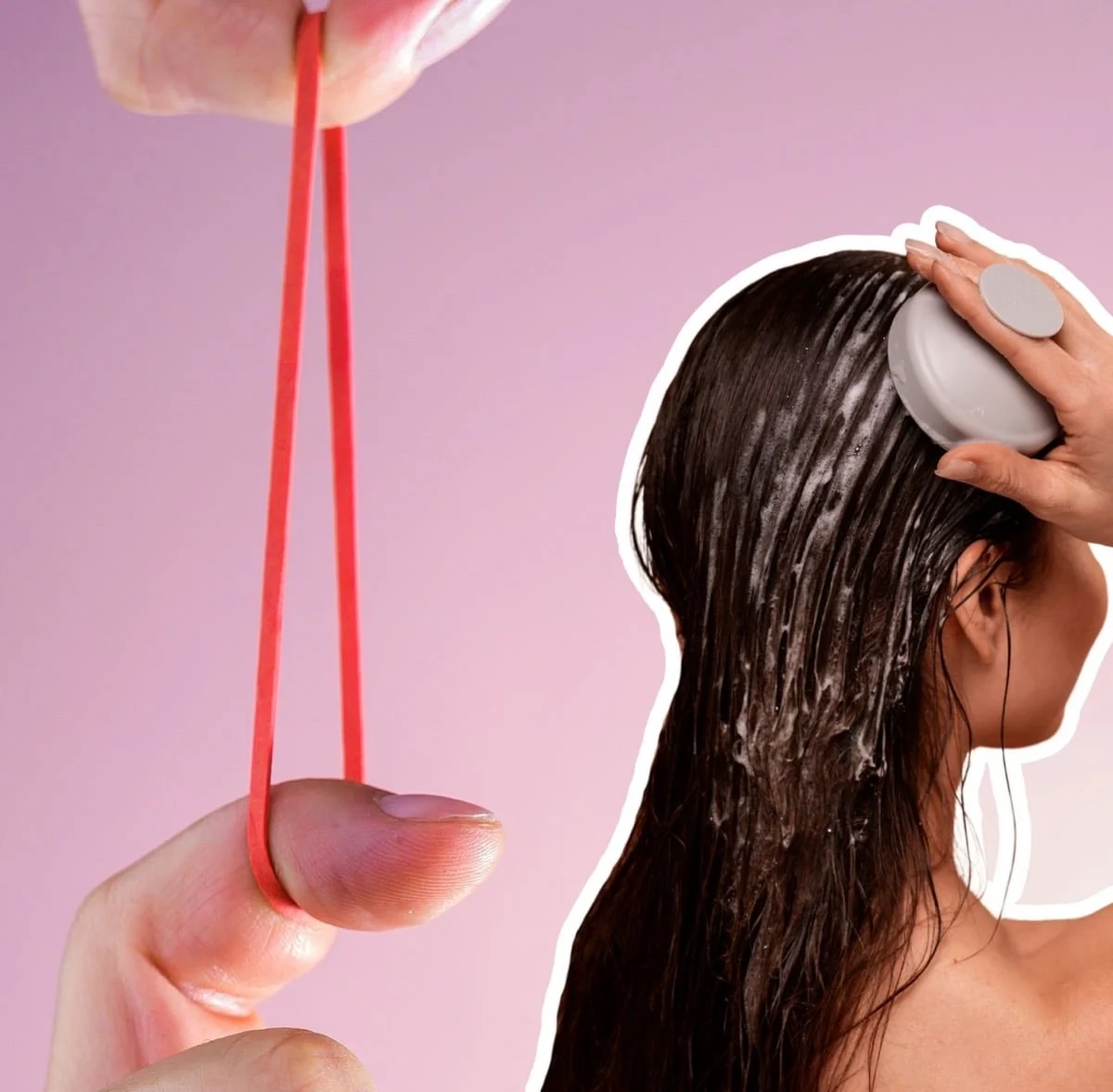
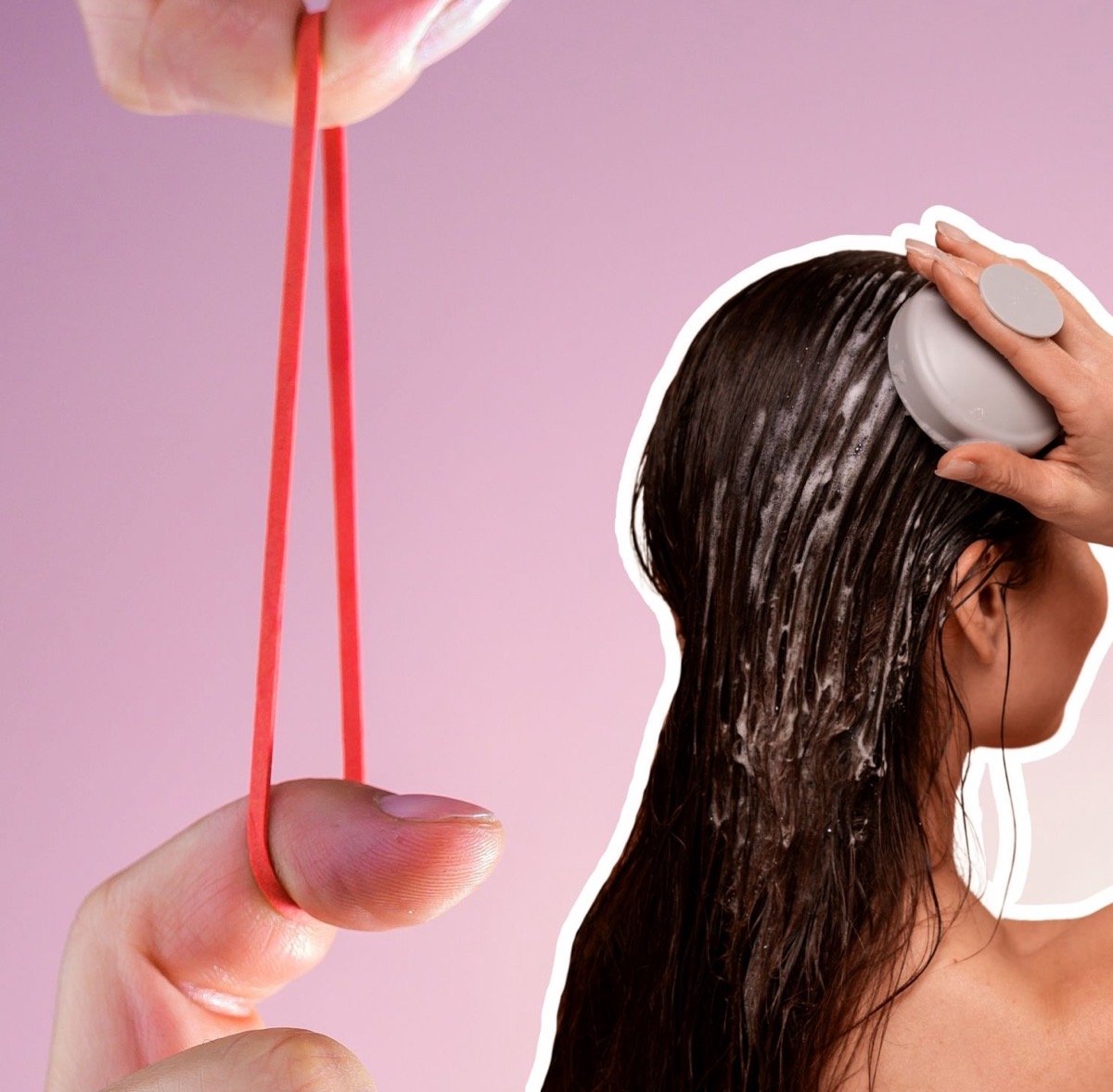
The widely circulated notion that repeatedly wetting and drying hair inherently causes damage, often termed "hygral fatigue," has been systematically debunked by scientific evidence. This persistent myth, which suggests that hair ‘fatigues’ like a stretched rubber band, misrepresents the complex molecular interactions between water and hair fibers. Far from being a destructive process, the absorption and release of water are natural and reversible phenomena for healthy hair, challenging prevalent advice against frequent hair washing and encouraging a re-evaluation of common hair care practices.
The Persistent Myth of Hygral Fatigue
For years, the concept of "hygral fatigue" has been a cornerstone of certain hair care philosophies, particularly within communities focused on natural hair or minimizing hair damage. It posits that the constant swelling and contracting of hair as it gets wet and dries weakens its structure over time, leading to breakage, dullness, and reduced elasticity. This idea has found its way into countless online forums, beauty blogs, and even some professional discourse, often cited as a primary reason to limit hair washing frequency.
The analogy frequently used to illustrate hygral fatigue involves a rubber band: repeatedly stretching and relaxing a rubber band eventually causes it to lose its elasticity and snap. Proponents of the hygral fatigue theory argue that hair undergoes a similar process, with water acting as the "stretching" force on the hair’s internal bonds. This intuitively appealing but scientifically flawed comparison has contributed significantly to the myth’s widespread acceptance. The notion has become so entrenched that it has even appeared in some peer-reviewed papers, albeit without robust foundational evidence to support its core premise.
Understanding Hair at the Molecular Level
To understand why the hygral fatigue myth does not hold up, it’s essential to delve into the intricate structure of human hair. Each strand is primarily composed of keratin, a tough, fibrous protein. The hair fiber consists of three main layers: the outermost cuticle, which is a protective layer of overlapping scales; the cortex, the main bulk of the hair, providing strength and elasticity; and sometimes a central medulla.
The strength and integrity of hair are maintained by various types of bonds within the keratin structure. Disulfide bonds are strong, permanent chemical cross-links that contribute significantly to hair’s overall resilience and shape. Ionic bonds (salt bonds) and hydrogen bonds, however, are temporary. Hydrogen bonds are particularly relevant to water interaction, as they form between the hydrogen atoms of one molecule and the oxygen or nitrogen atoms of another.
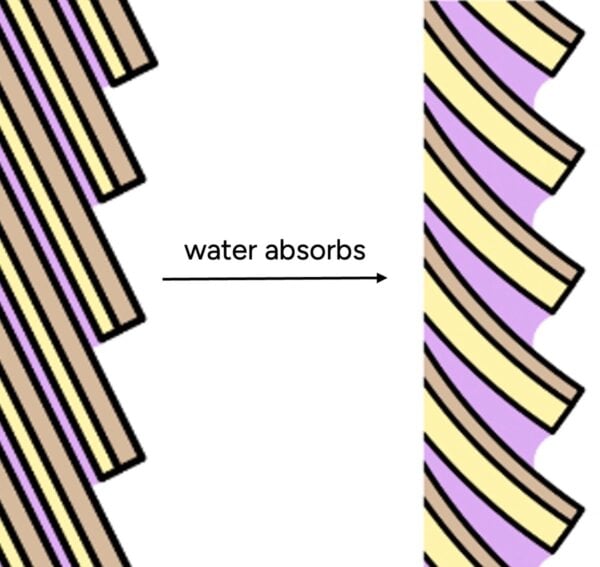
When hair gets wet, water molecules penetrate the cortex, disrupting these temporary hydrogen bonds. This causes the hair shaft to swell and become more pliable. As the hair dries, the water molecules evaporate, and the hydrogen bonds reform, returning the hair to its original, dry state. This process of hydration and dehydration, swelling and deswelling, is a fundamental and natural characteristic of hair fibers. Unlike the irreversible damage inflicted on a rubber band when its permanent chemical bonds are broken by excessive stretching, the changes occurring in hair due to water are largely reversible. The electrons and protons involved in hydrogen bonds do not "wear down" or become permanently damaged by this cyclical formation and reformation. Therefore, the very basis of the "fatigue" analogy is fundamentally incorrect when applied to the molecular dynamics of hair.
Critiquing the Scientific Basis for Hygral Fatigue
Despite its prevalence, the scientific community has increasingly challenged the evidence presented in support of hygral fatigue. Several studies have been cited, but upon closer examination, their conclusions appear to be based on questionable interpretations or methodological flaws.
One frequently referenced study, "Hair shaft damage from heat and drying time of hair dryer" by Lee et al., published in Annals of Dermatology in 2011, investigated the effects of different drying methods. The researchers observed "bulges" in air-dried hair samples and attributed this to prolonged water swelling, thereby suggesting damage from water. However, this interpretation has faced significant scrutiny. Air drying is a standard and widely accepted practice in numerous hair experiments and daily life, yet similar bulges are not commonly reported in other studies or observed as a widespread phenomenon. It is far more plausible that these observed bulges were anomalies specific to that experiment, potentially arising from pre-existing damage to the hair samples (e.g., extensive sun exposure prior to collection), or experimental artifacts that were not adequately controlled or replicated. Without further validation and replication, drawing definitive conclusions about inherent water damage from such an observation is premature and misleading.
Another area where "hygral fatigue" has been invoked is in studies concerning the protective effects of certain oils, particularly coconut oil. A few papers, such as those by Rele and Mohile (1999, 2003) and Gode et al. (2012), explicitly use the term "hygral fatigue" when discussing how coconut oil might prevent hair damage by supposedly blocking water absorption. However, these studies often fail to provide robust citations or direct evidence for hygral fatigue occurring in the first place, instead assuming its existence as a given.
Furthermore, the methodology used to claim that coconut oil "blocks" water absorption has been questioned. Experiments often involve coating hair with oil, then measuring its weight increase at different humidities using a dynamic vapor sorption (DVS) apparatus. If coconut-oiled hair showed a smaller percentage weight increase, it was concluded that the oil prevented water absorption. However, as noted by hair scientist Trefor Evans in Cosmetics & Toiletries in 2014, this interpretation might be an experimental error. The initial addition of coconut oil increases the hair’s total weight. Consequently, the same absolute amount of absorbed water would represent a smaller percentage of the total weight (hair + oil), making it appear as if less water was absorbed. This critical re-evaluation highlights the importance of rigorous methodology and interpretation in scientific research.
Structurally, the idea that any oil could completely "seal" hair against tiny water molecules is highly improbable. Hair cuticles, with their overlapping, pinecone-like structure, inherently present numerous microscopic gaps. It is extremely difficult for any topical treatment to create an impermeable barrier that would significantly alter the hair’s natural water content, which largely depends on ambient humidity. While oils, including coconut oil, certainly offer benefits to hair, their primary mode of action is not through water blockage to prevent a non-existent "hygral fatigue."
The True Vulnerability of Wet Hair: Mechanical Damage
Debunking hygral fatigue does not imply that wet hair is invincible. On the contrary, while water itself doesn’t damage hair through repetitive swelling and deswelling, hair is indeed more fragile when wet. When hair is saturated with water, the hydrogen bonds that contribute to its structural integrity are temporarily broken, making the keratin proteins more pliable. This increased pliability also translates to reduced tensile strength and increased elasticity, meaning wet hair can stretch further before breaking but is also more susceptible to mechanical stress.
Therefore, the risk of damage associated with washing hair frequently stems not from the water itself, but from the mechanical handling of wet hair. Aggressive brushing, vigorous towel drying, or tight styling of wet hair can lead to cuticle damage, breakage, and split ends. This is why gentle care practices, such as using a wide-tooth comb, blotting hair dry with a microfibre towel, and applying leave-in conditioners or detanglers, are crucial for maintaining hair health, especially for those who wash their hair daily. Conditioners, in particular, play a vital role by lubricating the hair surface, reducing friction, and smoothing the cuticle, thereby offering protection against mechanical damage during washing and styling.
Implications for Daily Hair Care and Consumer Understanding
The scientific debunking of hygral fatigue carries significant implications for everyday hair care routines and consumer understanding. For individuals who have been limiting their hair washing frequency out of fear of water damage, this new understanding provides reassurance: washing hair daily, if desired, is not inherently detrimental to hair health. The focus should shift from avoiding water to adopting gentle practices when hair is wet.
This scientific clarity empowers consumers to make informed choices about their hair care regimen, dispelling myths that can lead to unnecessary restrictions or anxiety. It underscores the importance of distinguishing between scientifically validated facts and anecdotal claims or misinterpretations that often circulate in the beauty industry. Cosmetic chemists and dermatologists, like Dr. Michelle Wong of Lab Muffin Beauty Science, play a critical role in translating complex scientific research into accessible, actionable advice for the public, ensuring that hair care recommendations are grounded in evidence.
The emphasis should now be placed on:
- Gentle handling: Especially when hair is wet and most vulnerable.
- Proper conditioning: To lubricate and protect the hair cuticle.
- Appropriate drying methods: Minimizing harsh heat and aggressive friction.
- Understanding product benefits: Recognizing that oils like coconut oil provide lubrication and internal filling benefits, rather than acting as water-blocking agents.
The Broader Landscape of Hair Science and Misinformation
The persistence and eventual debunking of the "hygral fatigue" myth serve as a microcosm of a larger challenge within the beauty industry: the proliferation of misinformation. In an age of abundant digital content, distinguishing between credible scientific information and unfounded claims can be difficult for consumers. Myths, once established, can be remarkably resilient, often reinforced by personal anecdotes and a lack of readily available, clear scientific counter-arguments.
The ongoing work of science communicators and researchers is vital in fostering a more evidence-based approach to beauty and personal care. By critically examining popular theories, scrutinizing research methodologies, and communicating findings clearly, these experts help elevate the standard of information available to the public. This process encourages consumers to adopt a more discerning perspective, questioning claims and seeking information from reliable, scientific sources.
In conclusion, the notion of "hygral fatigue" as an inherent damage mechanism from water interacting with hair is a myth. Water’s effect on hair—the breaking and reforming of temporary hydrogen bonds—is a natural, reversible process. While wet hair is indeed more fragile and susceptible to mechanical damage, the water itself is not the enemy. Understanding the true science of hair allows for more effective, less restrictive, and ultimately healthier hair care practices, liberating individuals from unfounded fears and promoting informed choices.
