

The intersection of endocrine health and gastrointestinal function has become a focal point of modern gynecological research, particularly regarding the high prevalence of Irritable Bowel Syndrome (IBS) among women diagnosed with Polycystic Ovary Syndrome (PCOS). Recent clinical data suggests that these two conditions, while seemingly distinct, frequently co-occur due to shared underlying mechanisms including chronic systemic inflammation, gut dysbiosis, and hormonal imbalances. Understanding this link is essential for the millions of women worldwide who navigate the complexities of reproductive health and digestive wellness simultaneously.
Defining the Scope of the Comorbidity
Polycystic Ovary Syndrome is one of the most common endocrine disorders, affecting an estimated 8% to 13% of reproductive-aged women. It is characterized by a combination of hyperandrogenism (elevated male hormones), ovulatory dysfunction, and polycystic ovarian morphology. Conversely, Irritable Bowel Syndrome is a functional gastrointestinal disorder characterized by chronic abdominal pain, bloating, and altered bowel habits, such as diarrhea, constipation, or a combination of both.
Clinical studies indicate a significant overlap between these two populations. While the general population experiences IBS at a rate of approximately 11%, research published in "Health and Quality of Life Outcomes" indicates that the prevalence rises to nearly 20% in women with PCOS. Some specialized clinical observations, such as those noted in "PCOS SOS" by Dr. Felice Gersh, suggest that as many as 40% of PCOS patients may suffer from IBS symptoms. This disparity underscores a physiological connection that extends beyond mere coincidence.
The Pathophysiological Connection: Hormones and the Gut
The biological link between PCOS and IBS is multifaceted, involving the endocrine system, the immune system, and the gut-brain axis. Researchers have identified several key drivers that contribute to the development of gastrointestinal distress in PCOS patients.
Hormonal Influence on Gut Motility
A primary factor in the PCOS-IBS link is the elevation of Luteinizing Hormone (LH) and Follicle-Stimulating Hormone (FSH). These hormones do not function in isolation; they influence the speed at which food moves through the digestive tract. Specifically, elevated levels of these hormones are often associated with IBS-C, the subtype of the syndrome characterized by constipation. When hormonal signals are imbalanced, the transit time in the large intestine can slow significantly, leading to the discomfort and regularity issues common in PCOS patients.
Chronic Inflammation and Gut Dysbiosis
Both PCOS and IBS are rooted in chronic, low-grade inflammation. In PCOS, insulin resistance—a condition where the body’s cells do not respond properly to insulin—often leads to increased oxidative stress and inflammation. This systemic inflammation can irritate the lining of the gastrointestinal tract.
Furthermore, the gut microbiome of women with PCOS tends to be less diverse than that of women without the condition. This state, known as gut dysbiosis, creates a feedback loop. An imbalance in gut bacteria can worsen insulin resistance, increase androgen production, and exacerbate the intestinal permeability often referred to as "leaky gut." When the intestinal barrier is compromised, inflammatory markers can enter the bloodstream, further aggravating PCOS symptoms and triggering IBS flare-ups.

Clinical Distinctions: IBS vs. IBD
It is critical for patients and practitioners to distinguish between Irritable Bowel Syndrome (IBS) and Inflammatory Bowel Disease (IBD), as the management protocols differ substantially. IBS is a functional disorder, meaning the "hardware" of the gut appears normal under traditional imaging, but the "software"—the way the gut functions and communicates with the brain—is impaired.
IBD, which includes conditions like Crohn’s disease and ulcerative colitis, involves visible, structural damage and chronic inflammation of the bowel wall. Because the symptoms of bloating and abdominal pain can overlap, a formal diagnosis from a gastroenterologist is necessary to rule out autoimmune-related inflammation before beginning a PCOS-specific gut health protocol.
Strategic Management through Dietary Intervention
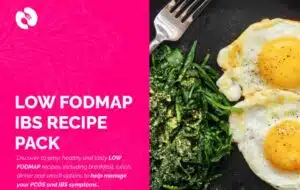
For women managing both syndromes, the Low FODMAP diet has emerged as a gold-standard intervention. FODMAP is an acronym for Fermentable Oligosaccharides, Disaccharides, Monosaccharides, and Polyols. These are short-chain carbohydrates and sugar alcohols that are poorly absorbed in the small intestine.
The Mechanism of FODMAPs
When these carbohydrates are not properly digested, they travel to the large intestine where they are fermented by gut bacteria. This fermentation process produces gas, leading to the distension, bloating, and pain characteristic of IBS. In the context of PCOS, where the gut may already be sensitized by hormonal fluctuations, these foods can be particularly disruptive.
Implementation and Reintroduction
The Low FODMAP approach is typically divided into three phases:
- Elimination: Removing high-FODMAP foods such as garlic, onions, wheat, certain legumes, and high-fructose fruits for 3 to 6 weeks.
- Reintroduction: Systematically reintroducing food groups to identify specific triggers.
- Personalization: Creating a long-term eating plan that avoids triggers while maintaining nutritional variety.
While restrictive, this diet has shown a high success rate in reducing gastrointestinal symptoms, which in turn reduces systemic stress and helps stabilize the hormonal environment necessary for managing PCOS.
The Role of Probiotics in Restoring Balance
Given the prevalence of gut dysbiosis in PCOS, targeted probiotic supplementation is a vital component of recovery. Research suggests that specific strains of live bacteria can help regulate the gut microbiome, which may lead to:
- Improved insulin sensitivity.
- Reduced levels of circulating androgens.
- Lowered systemic inflammation.
- Enhanced intestinal barrier function.
Clinical trials have indicated that probiotics can improve the "Estrobolome"—the collection of bacteria in the gut which is dedicated to metabolizing and eliminating estrogen. For women with PCOS, ensuring that hormones are properly metabolized and excreted is essential for preventing the hormonal "recycling" that can worsen symptoms.
Exercise as a Dual-Purpose Therapy
Physical activity is a cornerstone of PCOS management due to its ability to improve insulin sensitivity and support weight management. However, the type of exercise matters significantly when IBS is also present. High-Intensity Interval Training (HIIT) and heavy resistance training, while beneficial for metabolism, can sometimes trigger a stress response that exacerbates IBS symptoms or increases cortisol levels.
The Efficacy of Low-Impact Movement
Walking and yoga have demonstrated remarkable results for this specific patient profile. A study published in the "Journal of Osteopathic Medicine" found that a regular, mindful yoga practice (one hour, three times a week) helped lower testosterone levels in women with PCOS by approximately 29%.
From a gastrointestinal perspective, moderate exercise like walking stimulates natural contractions of the intestinal muscles and helps reduce the "transit time" of waste. This can be particularly effective for the IBS-C subtype common in PCOS. Furthermore, the stress-reduction benefits of yoga help calm the sympathetic nervous system, reducing the "fight or flight" response that often triggers gut sensitivity.
Chronology of Management and Tracking
The path to managing comorbid PCOS and IBS is rarely linear. Medical professionals recommend a structured chronology for those seeking relief:
- Diagnosis: Confirm both PCOS (via Rotterdam Criteria) and IBS (via Rome IV Criteria) with healthcare providers.
- Stabilization: Begin a food and symptom journal to establish a baseline of triggers.
- Intervention: Implement a Low FODMAP phase alongside low-impact exercise for a period of one month.
- Evaluation: Assess hormonal markers (testosterone, insulin, LH/FSH) and digestive comfort to determine the efficacy of the interventions.
Broader Impact and Healthcare Implications
The link between PCOS and IBS highlights the necessity of an integrative approach to women’s healthcare. Traditionally, gynecology and gastroenterology have operated in silos. However, the data suggests that a woman’s reproductive health is inextricably linked to her digestive health.
The implications of this connection are significant for long-term health outcomes. Chronic gut issues can lead to nutrient malabsorption, affecting the production of hormones and the health of eggs (oocytes). By addressing gut health through diet, probiotics, and stress management, women can not only alleviate the daily discomfort of IBS but also improve their fertility outcomes and metabolic health.
In conclusion, while the presence of both PCOS and IBS presents a complex clinical challenge, the shared pathways of inflammation and hormonal signaling provide a roadmap for treatment. Through the strategic use of the Low FODMAP diet, targeted probiotics, and mindful movement, it is possible to achieve a state of equilibrium that addresses the root causes of both syndromes, leading to a higher quality of life and improved long-term health prospects for women.
