
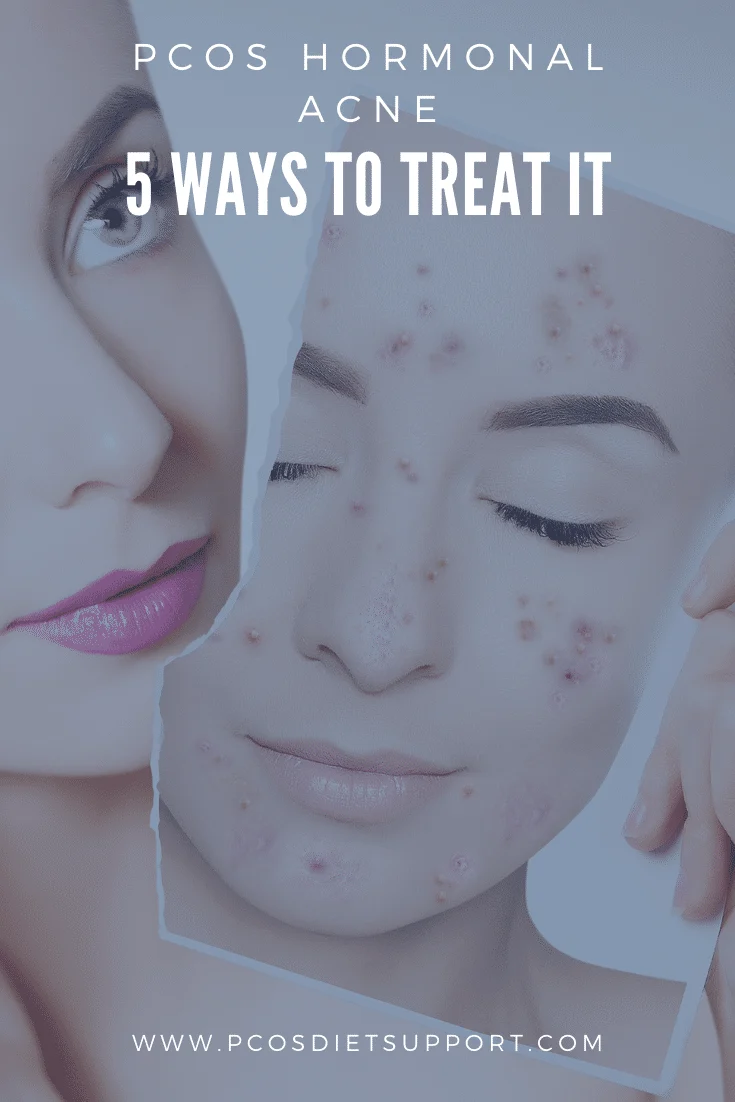
Polycystic Ovary Syndrome (PCOS) remains one of the most prevalent endocrine disorders among women of reproductive age, affecting approximately 8% to 13% of the global female population. While the condition is characterized by a spectrum of symptoms including irregular menstrual cycles, weight gain, and infertility, hormonal acne serves as one of its most visible and psychologically distressing manifestations. Unlike the transient breakouts associated with standard menstrual cycles, PCOS-related acne is often persistent, inflammatory, and resistant to conventional over-the-counter treatments. Medical experts emphasize that addressing this symptom requires a multifaceted approach that targets the underlying endocrine imbalances rather than focusing solely on topical skincare.
The Physiological Mechanism of PCOS-Induced Acne
To understand the persistence of acne in PCOS patients, it is necessary to examine the endocrine signaling pathways originating in the brain. The pituitary gland, located at the base of the brain, serves as the master regulator for the production of testosterone, progesterone, and estrogen. In a healthy hormonal environment, the pituitary gland maintains a delicate balance between these hormones to facilitate regular ovulation and secondary sexual characteristics.
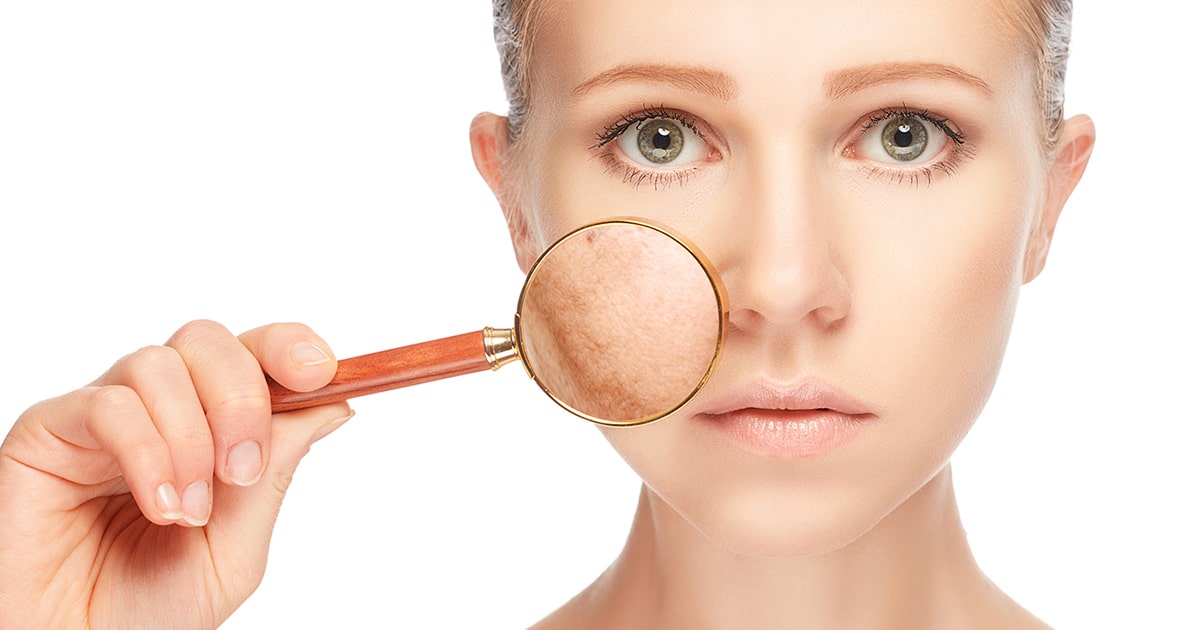
However, in individuals with PCOS, the signals that govern hormone production become disrupted. This disruption frequently manifests as an overproduction of luteinizing hormone (LH) and a relative deficiency in follicle-stimulating hormone (FSH). This imbalance triggers the ovaries to produce excessive amounts of androgens, specifically testosterone. While all women produce androgens to maintain bone mass and reproductive tissue health, the hyperandrogenism found in PCOS leads to a cascade of dermatological issues.
Excessive androgens stimulate the sebaceous glands to produce an overabundance of sebum, an oily substance that lubricates the skin. When combined with dead skin cells, this excess oil clogs pores, creating an anaerobic environment where Cutibacterium acnes bacteria can thrive. This biological sequence results in the deep, painful cystic lesions commonly found along the jawline, chin, and neck—areas often referred to as the "hormonal pattern" of acne.
Clinical Treatment Pathways: Retinoids and Antiandrogens
Medical professionals typically categorize PCOS acne as a systemic issue that necessitates internal intervention. Clinical data suggests that while topical treatments may provide temporary relief, they rarely address the root cause of the androgen surge.
The Role of Retinoids
Retinoids, derivatives of Vitamin A, have been a cornerstone of acne treatment since their regulatory approval in the early 1970s. These compounds work by accelerating cell turnover and preventing the accumulation of dead epithelial cells within the pores. For PCOS patients, prescription-strength retinoids such as Tretinoin or Adapalene are often preferred over commercial versions due to their higher efficacy in treating moderate to severe inflammatory lesions.
In extreme cases, dermatologists may prescribe Isotretinoin, commonly known by the brand name Accutane. This oral medication is highly effective but carries significant systemic considerations. The standard protocol involves a 15-to-20-week course, with dosages calculated based on the patient’s body weight. However, medical guidelines strictly prohibit the use of Isotretinoin during pregnancy due to the high risk of severe birth defects and miscarriage. Consequently, patients are often required to participate in monitoring programs, such as iPLEDGE in the United States, to ensure dual forms of contraception are utilized during treatment.
Antiandrogen Medications
Since the primary driver of PCOS acne is hyperandrogenism, antiandrogen medications—also known as androgen antagonists—are frequently utilized to block the effects of testosterone on the skin. Spironolactone, originally developed as a potassium-sparing diuretic, has been used off-label for over 30 years to treat hormonal acne and hirsutism (excessive hair growth) in women. It functions by binding to androgen receptors, thereby preventing testosterone from stimulating the sebaceous glands.

Cyproterone acetate is another potent antiandrogen frequently used in international markets. It not only blocks androgen receptors but also reduces the overall production of testosterone by the ovaries. While these medications are highly effective for dermatological symptoms, they do not cure the underlying PCOS and must often be taken long-term to maintain results.
Oral Contraceptives as Endocrine Stabilizers
Hormonal birth control remains a primary line of defense for managing PCOS symptoms. Combined oral contraceptives, which contain both estrogen and progestin, work to suppress the ovaries’ production of androgens and increase the levels of sex hormone-binding globulin (SHBG). Increased SHBG levels help to "mop up" free testosterone in the bloodstream, preventing it from reaching the skin’s receptors.
Clinical studies have identified several formulations, such as those containing drospirenone (e.g., Yaz or Yasmin), as being particularly effective for acne due to their anti-androgenic properties. However, the use of oral contraceptives is not without risk. For patients with obesity—a common co-morbidity of PCOS—or those who smoke and are over the age of 35, the risk of deep vein thrombosis (DVT) and pulmonary embolism increases. Medical providers must conduct thorough screenings for high blood pressure and cardiovascular history before initiating this treatment path.

The Intersection of Insulin Resistance and Nutrition
A critical component of PCOS management that is often overlooked in traditional dermatology is the role of insulin. Research indicates that up to 70% of women with PCOS exhibit some degree of insulin resistance, regardless of their Body Mass Index (BMI). High levels of circulating insulin can stimulate the ovaries to produce even more testosterone, further exacerbating acne.
The Impact of Dairy and Glycemic Load
Epidemiological data has frequently linked dairy consumption to increased acne severity. This is largely attributed to the presence of growth hormones and the stimulation of insulin-like growth factor 1 (IGF-1) found in milk products. For many women with PCOS, eliminating or significantly reducing dairy intake has been shown to produce visible improvements in skin clarity within as little as two to four weeks.
Furthermore, a low-glycemic diet—focusing on complex carbohydrates, high fiber, and lean proteins—helps to stabilize blood sugar levels and reduce insulin spikes. By managing insulin, patients can effectively lower their systemic androgen levels, addressing the acne at its metabolic source.
Psychological Implications and Stress Management
The relationship between PCOS and mental health is cyclical. The physical symptoms of the condition, particularly visible acne and weight gain, frequently lead to diminished self-esteem, anxiety, and depression. These psychological stressors, in turn, trigger the adrenal glands to produce cortisol.
High cortisol levels can worsen hormonal imbalances and increase inflammation throughout the body, creating a feedback loop that sustains acne flare-ups. Clinical experts recommend that PCOS treatment plans include "stress-busting" activities as a legitimate therapeutic intervention. Techniques such as mindfulness meditation, regular low-impact exercise (like yoga or walking), and cognitive-behavioral therapy (CBT) have been shown to lower systemic inflammation and improve hormonal regulation.
Chronology of Treatment and Long-Term Outlook
The management of PCOS hormonal acne is a marathon rather than a sprint. A typical timeline for treatment results often follows this trajectory:

- Weeks 2–4: Initial adjustments in diet (such as dairy elimination) may begin to reduce the frequency of new inflammatory lesions.
- Months 3–6: The full effects of oral contraceptives or antiandrogen medications like Spironolactone typically become visible as the hormonal cycle stabilizes.
- Month 6 and Beyond: Post-inflammatory hyperpigmentation (acne scarring) begins to fade, and maintenance protocols are established.
It is important to note that many of these treatments, particularly hormonal ones, act as "masks" for the symptoms. If a patient ceases medication without having addressed underlying lifestyle factors such as diet and stress, the symptoms are likely to return.
Broader Health Implications
Beyond the aesthetic concerns, the presence of severe hormonal acne in women should be viewed as a clinical marker for broader systemic health risks. Women with PCOS are at a significantly higher risk for developing Type 2 diabetes, cardiovascular disease, and endometrial cancer later in life. Therefore, the dermatological treatment of PCOS should be integrated into a comprehensive healthcare strategy involving dermatologists, endocrinologists, and primary care physicians.
In summary, the resolution of PCOS-related acne requires moving beyond the "quick fix" mentality of topical creams. By combining prescription interventions like retinoids and antiandrogens with targeted nutritional changes and stress management, individuals can regain control over their endocrine health. While the journey to clear skin with PCOS is complex, modern medical insights provide a clear roadmap for proactive and effective management.
