

Polycystic Ovary Syndrome (PCOS) remains one of the most prevalent endocrine disorders among women of reproductive age, affecting an estimated 8% to 13% of the global population. Characterized by a complex interplay of hormonal imbalances, ovulatory dysfunction, and metabolic disturbances, the condition presents a significant barrier to weight management. Clinical data suggests that approximately 40% to 80% of women diagnosed with PCOS are classified as overweight or obese, a statistic that underscores the metabolic nature of the syndrome. While lifestyle modifications such as diet and exercise remain the cornerstone of treatment, a growing body of clinical research highlights the efficacy of specific nutraceuticals in addressing the underlying mechanisms of PCOS-related weight gain, particularly insulin resistance and chronic low-grade inflammation.
The Pathophysiology of PCOS-Related Weight Gain
To understand the role of supplementation, it is necessary to examine the biological drivers of weight gain in the PCOS population. The primary culprit is often hyperinsulinemia, a condition where the body produces excess insulin to compensate for insulin resistance. Insulin, frequently referred to as the "fat-storage hormone," promotes the uptake of glucose into fat cells and inhibits the breakdown of stored fat. In women with PCOS, this process is frequently localized in the abdominal region, leading to increased visceral adiposity.
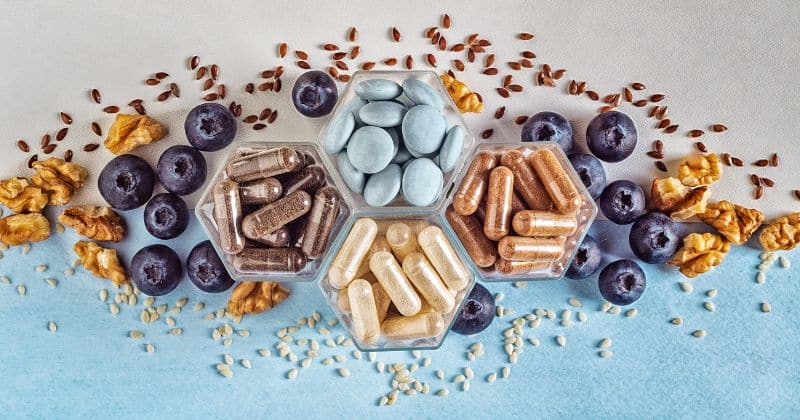
Furthermore, the "Insulin-Androgen Axis" creates a self-perpetuating cycle. High insulin levels stimulate the theca cells in the ovaries to produce excess androgens, such as testosterone. These elevated male hormones further exacerbate insulin resistance and alter fat distribution. Additionally, many women with PCOS experience dysregulated hunger hormones, including ghrelin and leptin, which can lead to increased appetite and reduced satiety. Addressing these multifaceted metabolic hurdles requires more than caloric restriction; it necessitates a targeted approach to hormonal stabilization.
1. Inositol: The Insulin Sensitizer
Inositol, historically categorized as Vitamin B8, is a carbocyclic sugar that plays a fundamental role as a second messenger in insulin signaling. In the context of PCOS, two specific isomers—Myo-inositol (MI) and D-chiro-inositol (DCI)—have emerged as critical therapeutic agents. Research indicates that women with PCOS often possess a deficiency in inositol or an imbalance in the conversion rate between these two isomers.
Clinical trials have demonstrated that supplementing with a combination of MI and DCI, ideally in the physiological ratio of 40:1, can significantly improve insulin sensitivity. By enhancing the body’s response to insulin, inositol reduces the need for the pancreas to overproduce the hormone. This reduction in circulating insulin levels subsequently lowers ovarian androgen production. Data published in various endocrine journals suggest that inositol supplementation can lead to a measurable reduction in Body Mass Index (BMI), improved ovulatory frequency, and a decrease in hyperandrogenism symptoms such as hirsutism and cystic acne. Because inositol is naturally occurring and generally well-tolerated, it is often recommended as a first-line supplemental intervention.

2. N-acetylcysteine (NAC): Antioxidant and Metabolic Support
N-acetylcysteine (NAC) is a derivative of the amino acid L-cysteine and serves as a precursor to glutathione, the body’s most potent endogenous antioxidant. While NAC has long been utilized in clinical settings for liver detoxification and respiratory health, its application in PCOS management is gaining traction due to its impact on oxidative stress and insulin receptor activity.
Chronic inflammation is a hallmark of PCOS, contributing to the "metabolic inflexibility" that makes weight loss difficult. NAC works by neutralizing free radicals and reducing inflammatory markers. More importantly, clinical studies comparing NAC to Metformin—a standard pharmaceutical treatment for insulin resistance—have found that NAC can achieve similar improvements in glucose tolerance and insulin sensitivity with fewer gastrointestinal side effects. For women struggling with weight loss, NAC’s ability to improve the intracellular insulin signaling pathway helps the body utilize carbohydrates for energy rather than diverting them to adipose tissue storage. Furthermore, NAC has shown promise in improving live birth rates and ovulation quality in patients undergoing fertility treatments.
3. Omega-3 Fatty Acids: Combating Metabolic Inflammation
Omega-3 fatty acids, primarily Eicosapentaenoic acid (EPA) and Docosahexaenoic acid (DHA), are essential fats that must be obtained through diet or supplementation. In the PCOS phenotype, Omega-3s are vital for their anti-inflammatory properties and their role in lipid metabolism. Women with PCOS often present with "dyslipidemia," characterized by high triglycerides and low levels of High-Density Lipoprotein (HDL) cholesterol.

A systematic review and meta-analysis of randomized controlled trials indicate that Omega-3 supplementation can significantly reduce serum androgen levels and improve the LH/FSH ratio in women with PCOS. Regarding weight management, Omega-3s have been shown to increase levels of adiponectin, a protein hormone that modulates glucose regulation and fatty acid oxidation. By reducing systemic inflammation, Omega-3s help "cool" the metabolic environment, making the body more responsive to exercise and dietary changes. Additionally, these fatty acids may assist in appetite regulation by influencing the brain’s hunger signaling centers, thereby reducing the prevalence of binge eating or sugar cravings often reported by those with hormonal imbalances.
4. Berberine: The Plant-Based Metabolic Powerhouse
Berberine is a bioactive compound extracted from several different plants, including goldenseal and barberry. In the realm of metabolic medicine, berberine is frequently cited for its ability to activate AMP-activated protein kinase (AMPK), often described as the body’s "metabolic master switch." AMPK activation increases glucose uptake in the muscles and improves fatty acid oxidation.
For women with PCOS, berberine offers a dual benefit: it mimics the glucose-lowering effects of Metformin while also providing lipid-lowering and anti-inflammatory effects. Clinical data suggests that berberine may be particularly effective at reducing visceral fat (waist circumference) and improving the gut microbiome. Emerging research highlights that the gut-ovary axis plays a role in PCOS; an imbalanced microbiome can contribute to insulin resistance. Berberine’s antimicrobial properties help foster a healthier gut environment, which in turn supports systemic metabolic health. However, due to its high potency, medical professionals advise monitoring for potential interactions with other medications, particularly those used for blood pressure or blood sugar regulation.
5. Vitamin D: The Pro-Hormonal Regulator
Despite its name, Vitamin D functions more like a pro-hormone than a traditional vitamin. It is estimated that 67% to 85% of women with PCOS are deficient in Vitamin D, a deficiency that is strongly correlated with the severity of insulin resistance and obesity. The Vitamin D receptor (VDR) is present in the pancreas and the ovaries, suggesting that this nutrient is directly involved in both glucose metabolism and follicular development.
Adequate levels of Vitamin D are essential for the proper release of insulin from the pancreatic beta cells. When levels are low, insulin secretion becomes sluggish, leading to higher blood sugar spikes and subsequent fat storage. Furthermore, Vitamin D is linked to the production of serotonin, the "feel-good" neurotransmitter. Since women with PCOS are at a higher risk for depression and anxiety—both of which can lead to emotional eating and weight gain—optimizing Vitamin D levels provides a psychological as well as a physiological benefit. Clinical guidelines suggest that while 600-800 IU is the standard RDA, women with PCOS often require significantly higher doses to reach optimal serum levels (typically above 30 ng/mL).
Clinical Context and Expert Analysis
The integration of these supplements into a PCOS management plan should not be viewed as a "magic pill" solution but rather as a strategic component of a holistic lifestyle intervention. Medical experts emphasize that the efficacy of nutraceuticals is significantly enhanced when paired with a low-glycemic diet and resistance training.
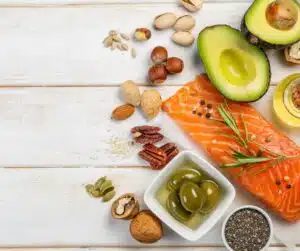
From a journalistic and analytical perspective, the shift toward supplemental support reflects a growing dissatisfaction with "one-size-fits-all" pharmaceutical approaches. Many patients report significant side effects from traditional medications like Metformin or hormonal contraceptives. Consequently, the move toward evidence-based natural alternatives like Inositol and Berberine represents a significant trend in functional endocrinology. However, the regulatory landscape for supplements remains less stringent than for pharmaceuticals, leading experts to recommend that consumers seek third-party tested products to ensure purity and potency.
Broader Impact and Long-term Implications
The inability to manage weight effectively in PCOS has implications far beyond aesthetics. Chronic hyperinsulinemia and obesity in this population significantly increase the lifetime risk of developing Type 2 Diabetes, non-alcoholic fatty liver disease (NAFLD), and cardiovascular disease. By utilizing supplements to address the root causes of metabolic dysfunction early, healthcare providers can potentially mitigate these long-term health risks.
Furthermore, the economic impact of PCOS is substantial, with healthcare costs related to the condition estimated in the billions of dollars annually, primarily driven by the treatment of long-term complications and infertility. Targeted supplemental interventions offer a cost-effective way to improve patient outcomes and quality of life. As clinical research continues to evolve, it is likely that personalized "nutrient-therapy" will become a standard pillar of PCOS care, allowing women to reclaim control over their metabolic and reproductive health through a combination of science-backed natural interventions and sustainable lifestyle choices.
