
Polycystic Ovary Syndrome (PCOS) remains one of the most prevalent endocrine disorders among women of reproductive age, affecting an estimated 8% to 13% of the global population. While the condition is characterized by a complex array of symptoms including irregular menstrual cycles, hirsutism, and infertility, its metabolic underpinnings—specifically insulin resistance and chronic low-grade inflammation—are increasingly managed through targeted nutritional interventions. The mid-day meal, or lunch, serves as a critical juncture in the daily metabolic cycle for women with PCOS, offering an opportunity to stabilize blood glucose levels and mitigate the "afternoon slump" often exacerbated by hormonal fluctuations.
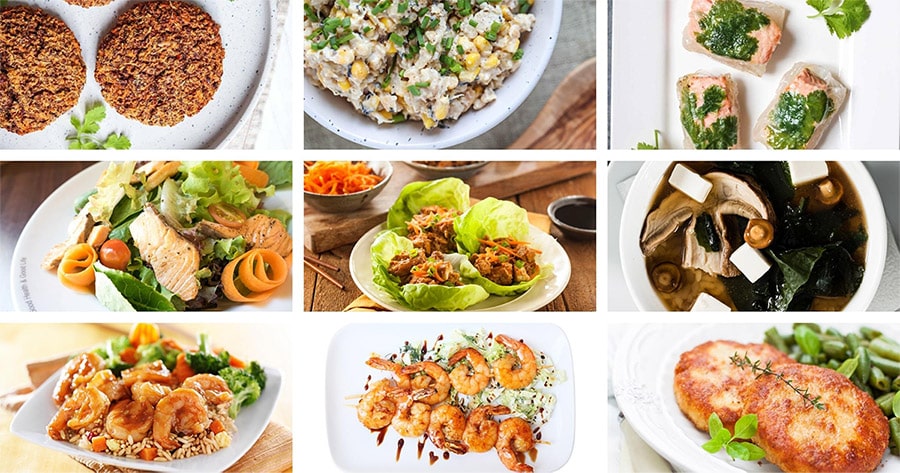
Scientific research indicates that dietary modifications are the first line of defense in managing PCOS symptoms. A 2013 study published in the Iranian Journal of Reproductive Medicine highlighted that Omega-3 supplementation can significantly lower testosterone levels and regulate menstrual cycles in women with the condition. Consequently, incorporating whole foods rich in healthy fats, lean proteins, and complex carbohydrates is not merely a lifestyle choice but a therapeutic necessity. The following 12 lunch concepts are designed to provide sustained satiety while addressing the specific physiological needs of the PCOS profile.
The Role of Omega-3s and Anti-Inflammatory Proteins
Seafood, particularly fatty fish like salmon, is a cornerstone of the PCOS-friendly diet due to its high concentration of EPA and DHA. These fatty acids are instrumental in reducing systemic inflammation and improving insulin sensitivity.
1. Grilled Salmon Caesar Salad with Avocado and Micro-Veggies
Traditional Caesar salads often present a hidden pitfall for those with PCOS due to store-bought dressings containing refined soybean oils and added sugars. A modified version utilizes a homemade dressing based on avocado oil and fresh lemon juice. By adding grilled salmon, the meal provides a potent dose of Omega-3s. The inclusion of mushrooms, tomatoes, and avocado adds essential fiber and potassium, which help regulate blood pressure and fluid retention—common concerns for those with hormonal imbalances.
The preparation involves a two-stage process: first, the emulsification of the dressing using garlic, anchovies, and avocado oil; second, the gentle steaming or grilling of the salmon to preserve its nutritional integrity. This combination ensures a low-glycemic load while providing the high-quality fats necessary for hormone synthesis.
2. Salmon Spring Rolls with Ginger-Soy Dipping Sauce
Spring rolls offer a gluten-free alternative to traditional sandwiches when prepared with rice paper. This lunch idea focuses on portability and texture. By wrapping fresh salmon in hydrated rice paper alongside coriander and crisp vegetables, the meal remains light yet nutrient-dense. Pan-searing the rolls for a brief period provides a satisfying crunch without the need for deep-frying in inflammatory vegetable oils. This dish is particularly effective for those struggling with cravings for processed takeout, providing a similar sensory experience with significantly improved macronutrient ratios.
3. Cilantro Lime Shrimp Skewers with Cauliflower Rice
Shrimp is a lean protein source rich in selenium and zinc, minerals vital for thyroid function and reproductive health. When paired with cauliflower rice—a cruciferous vegetable known for supporting estrogen detoxification—the meal becomes a metabolic powerhouse. The use of cilantro and lime zest provides antioxidant support without adding calories or refined sugars. Cauliflower rice, grated and lightly sautéed in olive oil, mimics the texture of traditional grains while keeping the carbohydrate count low, preventing the insulin spikes that can trigger androgen production.
Plant-Based Solutions and Gut Health Optimization
The relationship between the gut microbiome and the endocrine system is a burgeoning field of study in PCOS research. Fermented foods and high-fiber plant proteins are essential for maintaining the intestinal barrier and reducing the absorption of environmental toxins.
4. Tempeh-Based BLT on Gluten-Free Grains
Tempeh, a fermented soy product, serves as an excellent probiotic source. For women with PCOS, the fiber in tempeh aids in the excretion of excess hormones. A plant-based "BLT" utilizes marinated tempeh strips instead of processed bacon, which is often high in nitrates and sodium. When served on high-quality gluten-free bread with avocado and greens, the meal provides a balanced ratio of protein, healthy fats, and complex carbohydrates. This combination is specifically designed to lower the overall glycemic load of the meal, ensuring that energy levels remain consistent throughout the afternoon.

5. Pomegranate, Chickpea, and Broccoli Medley
This salad is a study in antioxidant density. Pomegranates provide anthocyanins, which have been shown to improve insulin signaling. Chickpeas offer a dual benefit of plant-based protein and soluble fiber, which slows the digestion of glucose. The inclusion of raw or lightly blanched broccoli provides sulforaphane, a compound that supports the liver’s phase II detoxification pathways. A tahini and yogurt-based dressing adds a creamy texture and healthy fats, ensuring that the fat-soluble vitamins in the vegetables are properly absorbed.
6. Vegan Chickpea "Tuna" Salad
For those seeking a plant-based alternative to fish, mashed chickpeas combined with dulse flakes (for a sea-like flavor) and vegan mayonnaise can mimic the profile of tuna salad. This dish is exceptionally high in fiber and folate. Served over a bed of dark leafy greens or inside large romaine lettuce leaves, it avoids the inflammation sometimes associated with processed wheat products.

Strategic Carbohydrates and Lean Meat Options
While low-carbohydrate diets are often recommended for PCOS, the complete elimination of carbs can lead to adrenal fatigue and increased cortisol. The key is the selection of "slow" carbohydrates that provide a gradual release of energy.
7. Turkey Burger with Garden Side Salad
Turkey is a source of tryptophan, which is a precursor to serotonin, helping to stabilize the mood swings often associated with PCOS. To keep this meal hormone-friendly, it is recommended to serve the patty either "bunless" or on a gluten-free roll. The addition of toppings like red onion, tomato, and sprouts increases the micronutrient profile. Pairing the burger with a side salad instead of fries ensures that the meal remains nutrient-dense rather than calorie-dense.
8. Sweet Potato, Quinoa, and Black Bean Burgers
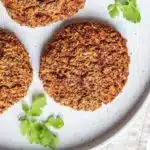
This burger is a comprehensive source of plant protein and complex carbohydrates. Quinoa is one of the few plant foods that contain all nine essential amino acids, making it a complete protein. Sweet potatoes provide beta-carotene and have a lower glycemic index than white potatoes. When combined with black beans and baked, these patties can be prepared in bulk for a week of convenient, hormone-balancing lunches.
9. Grilled Chicken Lettuce Wraps with Tzatziki
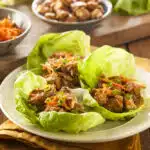
Lettuce wraps are a staple for managing insulin resistance. By using butter lettuce as a vessel for seasoned grilled chicken, the meal eliminates refined flours entirely. Tzatziki, made from Greek yogurt, adds probiotics and protein, while cucumbers provide hydration. This lunch is particularly beneficial for women who experience digestive bloating, as it is naturally low in fermentable oligosaccharides (FODMAPs) depending on the garlic content.
Refined Takes on Global Favorites
Managing PCOS does not require the abandonment of diverse culinary traditions; rather, it requires the substitution of refined ingredients with whole-food alternatives.
10. Shrimp Fried Brown Rice
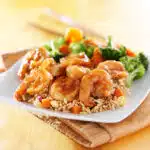
Traditional fried rice is typically high in refined white rice and sodium-heavy sauces. A PCOS-friendly version utilizes short-grain brown rice, which contains the bran and germ, providing essential B vitamins and fiber. By incorporating peas, carrots, and scrambled eggs, the meal becomes a balanced "one-pot" solution. Using liquid aminos or low-sodium tamari instead of traditional soy sauce reduces the risk of water retention and bloating.
11. Avocado and Brown Rice Salmon Sushi with Miso Soup
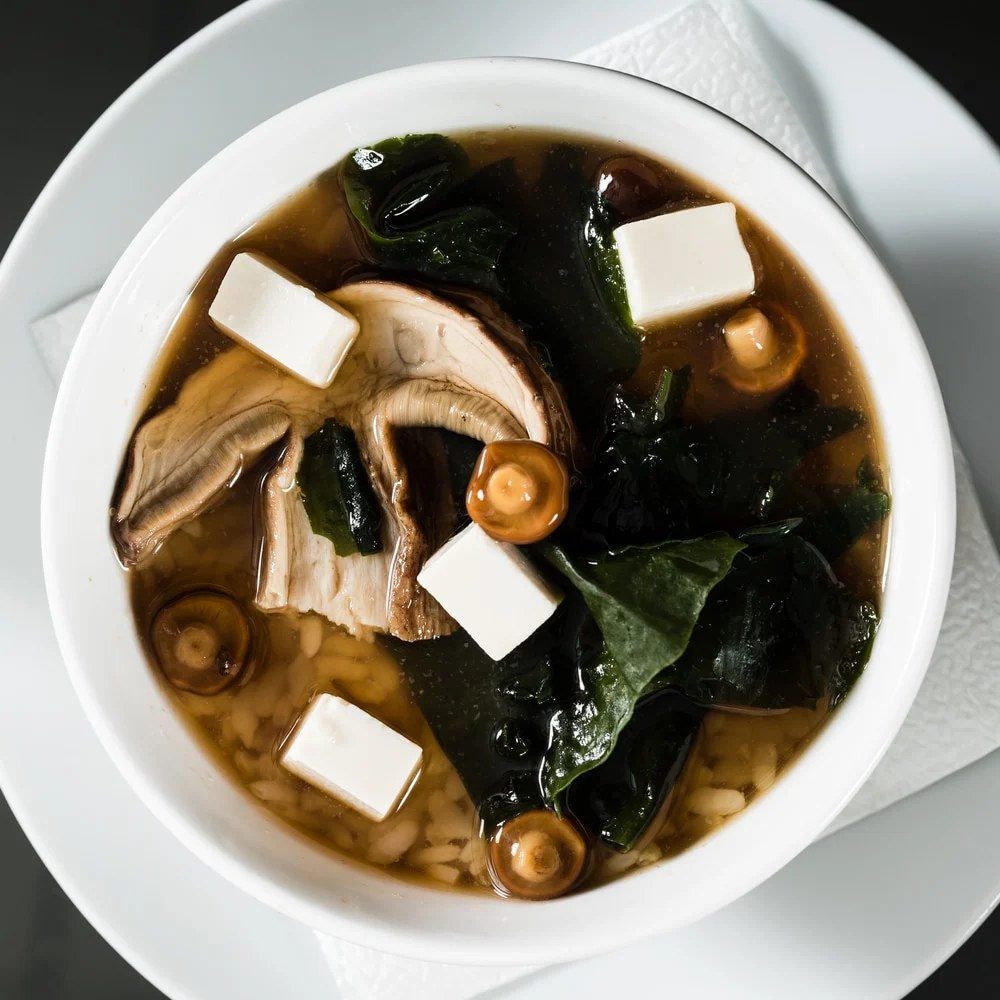
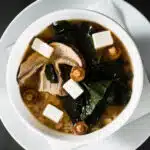
Home-prepared sushi allows for the control of sugar levels in the rice vinegar and the quality of the fish. Brown rice sushi provides a slower glucose release than white rice. When paired with miso soup, the meal includes fermented soy, which supports gut health. Miso is rich in enzymes that aid digestion, making this a restorative lunch for those with sensitive metabolic systems.
12. Baked Salmon with Rosemary Sweet Potato Wedges
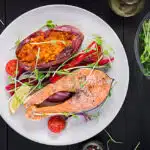
This simple, rustic meal focuses on the synergy between lean protein and root vegetables. Baking salmon with rosemary and lemon preserves its moisture and flavor without adding unnecessary fats. Sweet potato wedges, tossed in coconut oil and sea salt, provide a satisfying alternative to processed snacks. This meal is particularly high in Vitamin A and Vitamin C, both of which support skin health and immune function, often compromised in those with PCOS-related hormonal acne.
Broader Impact and Clinical Implications
The transition toward a whole-food, nutrient-dense diet has implications that extend far beyond weight management. For women with PCOS, consistent blood sugar regulation is the primary mechanism for reducing the production of luteinizing hormone (LH) and insulin, which in turn reduces the ovaries’ production of excess testosterone.
Clinical analysis suggests that patients who adhere to a diet rich in anti-inflammatory fats and low-glycemic carbohydrates experience a reduction in the "brain fog" and fatigue that characterize the condition. Furthermore, the high fiber content of these 12 lunch ideas supports the elimination of endocrine-disrupting chemicals and excess estrogen through the biliary pathway.
In conclusion, managing PCOS through nutrition is a process of cumulative benefits. By selecting lunch options that prioritize hormone balance, women can reclaim their energy levels and mitigate the long-term risks associated with the syndrome, such as Type 2 diabetes and cardiovascular disease. These recipes represent a shift from restrictive dieting to "functional eating," where every ingredient is chosen for its ability to support the body’s complex endocrine landscape. For those seeking to deepen their management of the condition, integrating these meals with regular physical activity and stress-reduction techniques remains the gold standard for holistic PCOS care.
