

When it comes to iconic style, few accessories possess the enduring appeal and cultural resonance of the Ray-Ban Wayfarer. From the silver screen to the streets, these sunglasses have graced the faces of rebels, artists, musicians, and trendsetters for over six decades. Their ubiquitous presence in popular culture is not accidental; it’s a testament to a design that transcends fleeting fashion trends and solidifies its status as a true classic in eyewear. The Wayfarer’s journey from a functional piece of eyewear to a symbol of cool is a narrative woven through design innovation, strategic marketing, and an undeniable aesthetic that appeals across generations and genders.
A Legacy Forged in Design and Pop Culture
The story of the Ray-Ban Wayfarer begins in 1956, a period of significant innovation in eyewear design. Raymond Stegeman, a designer at Bausch & Lomb (the then-parent company of Ray-Ban), sought to move away from the predominantly metal frames of the era. He envisioned a new silhouette crafted from acetate, a durable and moldable plastic, which would offer both comfort and a distinctive look. The result was the Wayfarer, characterized by its trapezoidal shape, robust arms, and a design that was both utilitarian and remarkably stylish. This mid-century modern aesthetic quickly found favor, with influential figures like Bob Dylan and Andy Warhol embracing the style in the 1960s, further cementing its cool factor.

The 1970s saw a period of relative quiet for the Wayfarer, as other styles vied for attention. However, the 1980s marked a dramatic resurgence, largely fueled by strategic product placement and cinematic appearances. The iconic pairing of Wayfarers with the anarchic spirit of The Blues Brothers (1980) introduced the style to a new, wider audience. This was further amplified by its presence in hit television shows like Miami Vice and, perhaps most memorably, Tom Cruise’s unforgettable portrayal in Risky Business (1983). These high-profile placements imbued the Wayfarer with an aura of energy, rebelliousness, and aspirational coolness that resonated deeply with the youth culture of the decade.
The 1990s presented a shift in the sunglass landscape, with the rise of wraparound styles and brands like Oakley dominating the market for more performance-oriented eyewear. Despite this, the Wayfarer’s foundational appeal remained. In 1999, Bausch & Lomb sold the Ray-Ban brand to the Luxottica Group for $640 million, a significant transaction that signaled the brand’s enduring value. Luxottica relaunched the Wayfarer in 2001, a move that proved prescient. The subsequent years saw the Wayfarer adopted by diverse subcultures, from the vibrant nu-rave scene to the impeccably dressed attendees of Pitti Uomo, a testament to its adaptability and continued relevance in contemporary fashion.

The Enduring Appeal of Timeless Design
What makes the Wayfarer so enduring? Its design is remarkably democratic. Unlike some eyewear styles that are highly specific to certain facial structures, the Wayfarer is celebrated for its ability to complement a wide range of face shapes. Style advisors often note that the angularity of the Wayfarer frame provides a pleasing contrast to rounder or oval faces, softening features and creating a balanced aesthetic. For those with more angular bone structures, the key lies in finding the right size and subtle variations within the Wayfarer family.
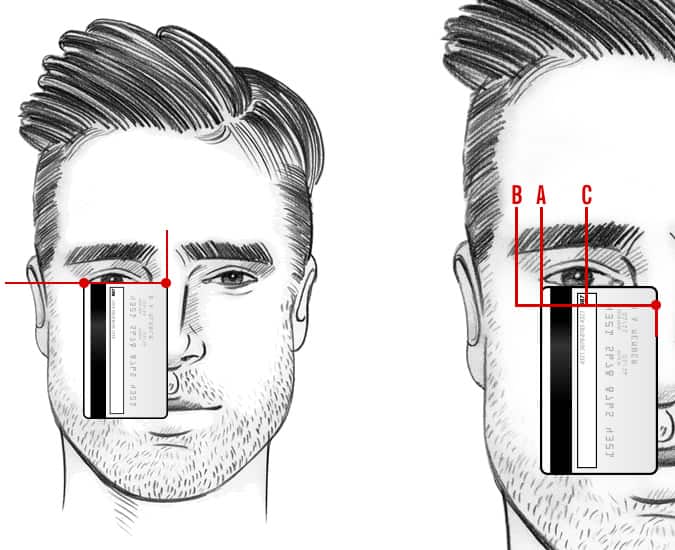
Ray-Ban itself acknowledges this by offering various sizes and customization options. The brand estimates that its standard size correctly fits approximately 90% of individuals. To assist consumers in finding their perfect fit, a simple yet effective method involves using a credit card. By placing one edge of a credit card at the center of the nose, the alignment of the other edge with the corner of the eye can indicate the appropriate size: if it aligns with the eye’s corner, the standard size is likely suitable; if it extends beyond, a smaller size may be needed; and if it doesn’t reach the eye’s corner, a larger size is recommended.
Understanding Ray-Ban Sizing for the Perfect Fit
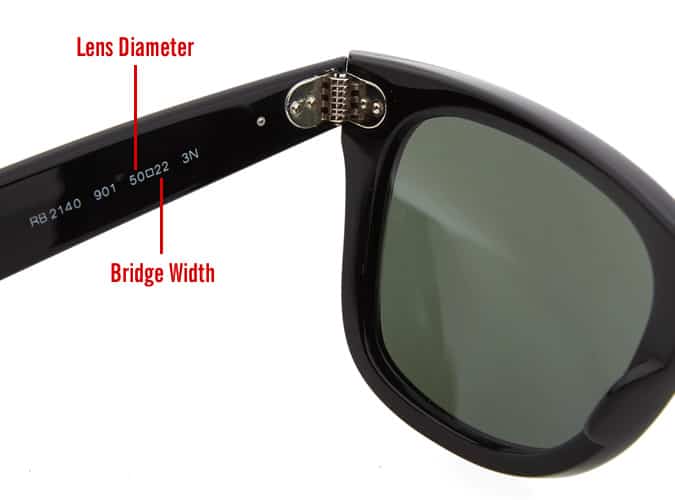
Achieving the correct fit for sunglasses is akin to tailoring a suit – it significantly impacts both comfort and appearance. Ray-Ban employs a clear sizing system, typically indicated by three numbers printed on the inside of the left temple arm. These numbers, such as 50-20-150, represent key dimensions in millimeters:
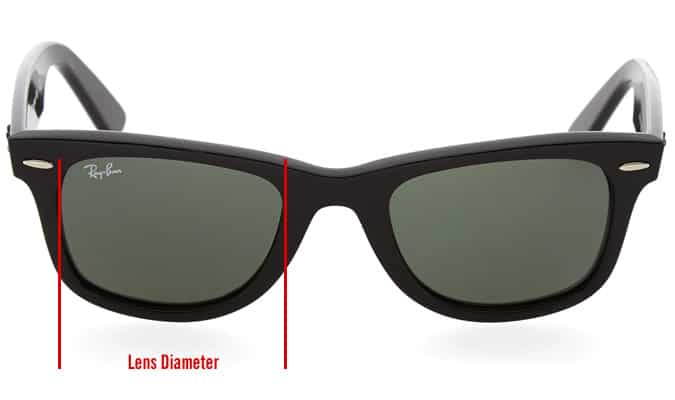
- Lens Diameter: The first number indicates the width of the lens from the bridge. This measurement is crucial not only for aesthetic proportion to the face but also for preventing light and harmful UV rays from entering at the sides. Some models may also display the vertical length of the lenses.
- Bridge Width: The second number denotes the width of the bridge, the section of the frame that sits across the nose. This dimension is critical for ensuring the glasses sit comfortably without being too tight or too loose. Typical bridge widths range from 12 to 26 millimeters.
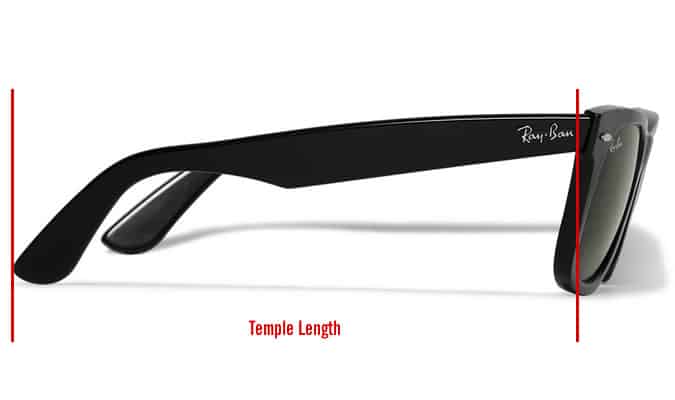
- Temple Length: The third number, if present, specifies the length of the temples, or arms, of the glasses. While not always printed, temple length influences how securely and comfortably the glasses rest on the ears.
Understanding these measurements allows for a more informed purchase, whether buying online or in-store, ensuring the Wayfarers chosen will provide optimal comfort and protection.
Versatility in Style: From Suits to Shorts
The Wayfarer’s remarkable versatility is perhaps its most significant strength. While often categorized as a casual style, its adaptability has seen it transcend traditional dress codes. Callan Smith-Sheerin, a style writer at Vision Direct, notes, "The Wayfarer has quickly become a flexible option. The bold frames make them ideal for eyeglasses around the office, as well as for sunglasses on bright days."
-
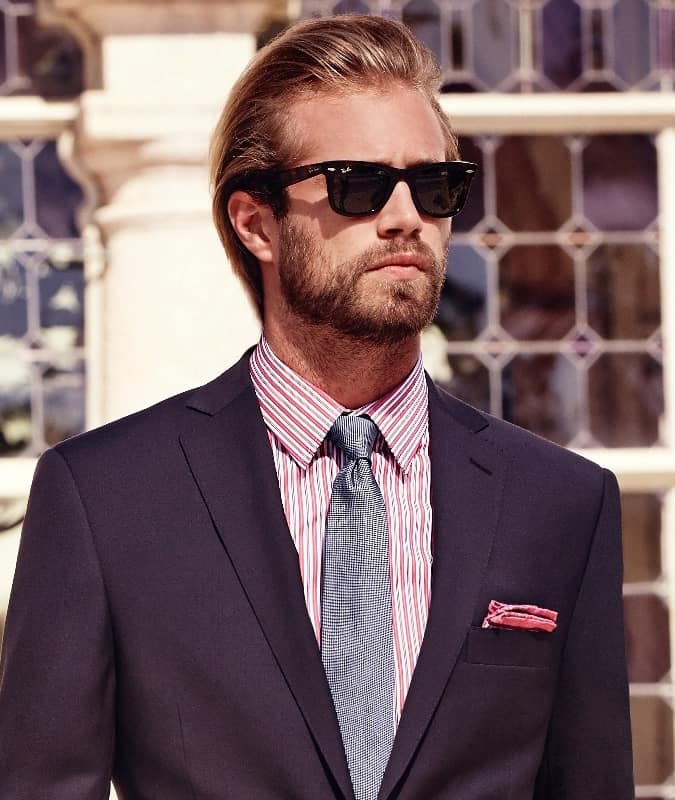
With a Suit: The image of Jake and Elwood Blues famously pairing Wayfarers with their suits cemented this look in popular culture. When combining Wayfarers with formal attire, the key is to maintain a relaxed approach. Opting for tortoiseshell frames with non-black tailoring can soften the ensemble. Crucially, as with any sunglasses, they should be removed when moving indoors.
-
Smart Casual: This is arguably the Wayfarer’s natural domain. Whether paired with tailored separates, a crisp Oxford button-down shirt, or a smart polo shirt as exemplified by scenes in The Wolf of Wall Street, Wayfarers effortlessly elevate a smart casual look.
-
Casual Wear: For a relaxed aesthetic, the Wayfarer remains an excellent choice. It’s advisable to avoid overly flamboyant frames or lenses that can detract from the classic appeal. Instead, stick to darker colors and pair them with off-duty staples such as a leather biker jacket or a well-fitting crew neck T-shirt.

Exploring the Wayfarer Pantheon
Ray-Ban has continually evolved the Wayfarer design, offering variations that cater to different preferences and needs:
-
Original Wayfarer (RB2140): This is the authentic, foundational design that started it all. Featuring the classic, slightly angled frame, it’s favored by purists and those who appreciate its historical significance. Available in a range of classic and modern colors, including polished black, Havana, and tortoise.
-
New Wayfarer (RB2132): A subtle evolution of the original, the New Wayfarer features a slightly less pronounced tilt to the frame, offering a lighter feel and enhanced comfort. It often has a wider lens diameter than the original, which can provide a less cumbersome fit for some wearers.
-
Justin (RB4165): Inspired by the iconic Wayfarer silhouette, the Justin model boasts a larger frame and a more rectangular lens shape. This design leans into a more casual, beach-ready aesthetic, and is often available in a wider array of colors and finishes, including matte and transparent options.
-
Wayfarer Eyeglasses (RX series): Recognizing the enduring appeal of the Wayfarer shape, Ray-Ban has adapted it for prescription eyewear. These frames offer a sophisticated yet approachable look, making them popular among city professionals and creatives seeking a blend of vintage charm and modern functionality.
The Challenge of Counterfeits
In the world of desirable fashion items, the proliferation of counterfeits is an unfortunate reality. Ray-Ban Wayfarers are no exception. Consumers are urged to exercise caution, particularly when purchasing online or from unofficial vendors. The allure of a significantly lower price point can be tempting, but it often comes at the cost of quality and authenticity. Genuine Ray-Ban sunglasses are engineered with high-quality acetate and lenses that provide full UV protection, safeguarding vision. Investing in authentic eyewear is not just about brand prestige; it’s about ensuring the product’s performance and durability. Authentic Ray-Bans typically feature precise branding, high-quality hinges, and clear, well-etched sizing information on the frame. A thorough inspection and purchase from authorized retailers are the best defenses against counterfeit products.

The Ray-Ban Wayfarer is more than just a pair of sunglasses; it’s a cultural artifact, a design masterpiece, and a symbol of enduring style. Its ability to adapt and remain relevant across decades speaks volumes about its timeless appeal and the power of intelligent design. Whether gracing the face of a rock star, a movie icon, or an everyday individual seeking a touch of classic cool, the Wayfarer continues to define what it means to be effortlessly stylish.
