
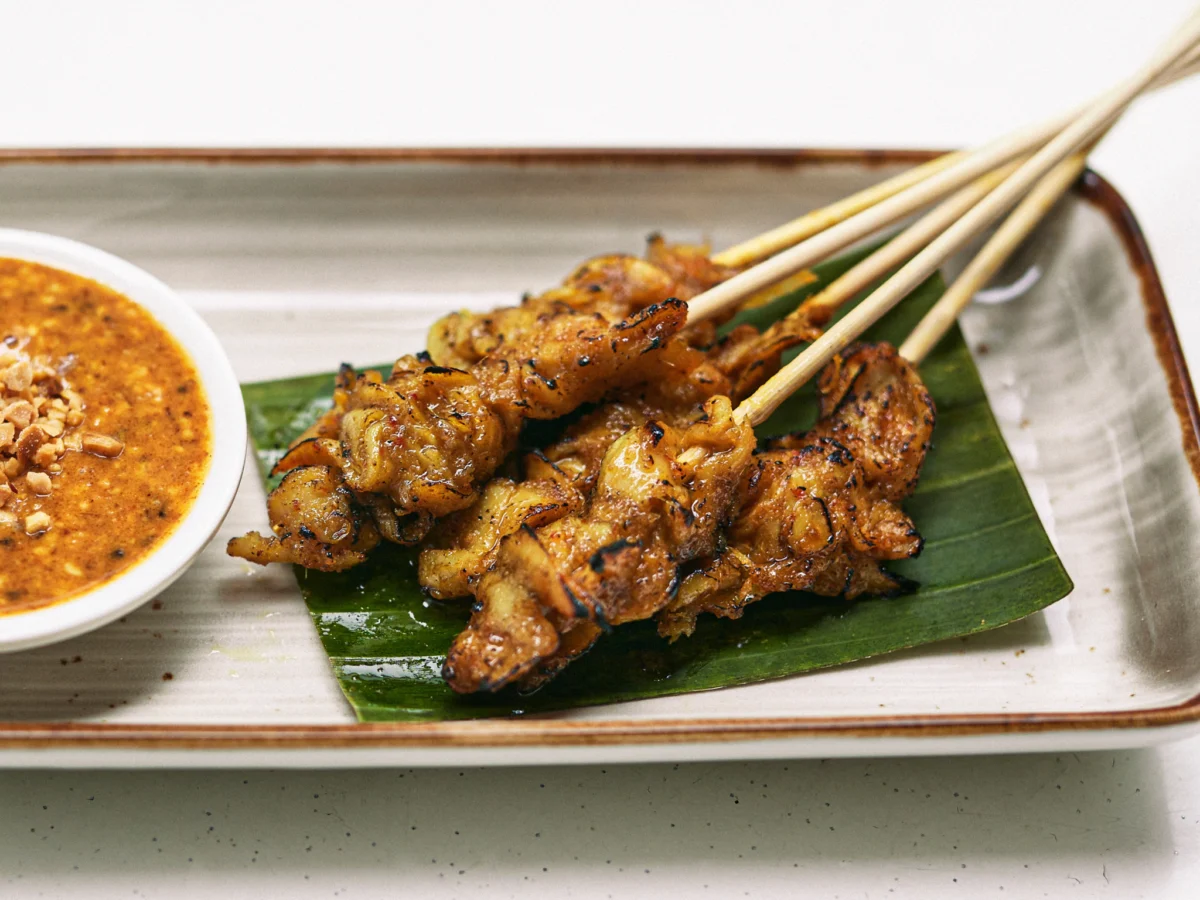
Malaysia is actively investigating the potential of cultivated meat and other novel protein sources as critical strategies to bolster its food security in the face of escalating climate change impacts and the impending severe El Niño phenomenon. This proactive governmental approach underscores a growing global recognition of the vulnerability of traditional food systems to environmental disruptions and economic pressures. The nation’s leadership is prioritizing the development of resilient food supply chains, recognizing that existing agricultural models may struggle to withstand the projected challenges.
The current El Niño event, which commenced this month, is anticipated to drive global temperatures to extreme levels. Climate scientists express significant concern that this iteration of El Niño could be among the most powerful on record. This is compounded by the overarching reality of a planet already grappling with the climate emergency, leading to a more volatile and unpredictable weather landscape. The confluence of these two environmental crises – a potent El Niño and a warming globe – presents a formidable threat to public health, economic stability, and, critically, food security. The potential consequences include extended periods of extreme heat, increased occurrences of devastating floods, and prolonged droughts, all of which can decimate agricultural output.
The global food supply is already under considerable strain. Factors such as persistent climate change impacts and ongoing geopolitical tensions have contributed to a precarious balance. Consumers worldwide are contending with rising inflation, with food prices being a significant driver of these economic hardships. The onset of El Niño is poised to exacerbate these existing vulnerabilities, placing further pressure on food availability and affordability. In this challenging environment, governments are compelled to explore and implement innovative solutions that can fortify already fragile food supply chains.
Malaysia, a nation whose agricultural sector is particularly susceptible to climatic shifts, is now at the forefront of this strategic re-evaluation. Projections indicate that El Niño could lead to a substantial reduction in crop yields, with estimates suggesting a decline of 8% to 10% for the current year. This stark warning, issued by government officials, has galvanized the nation to assess the viability of advanced food technologies, including cell-cultured meat, as a crucial defense against potential food shortages. The government’s engagement with these alternative protein sources signifies a commitment to diversifying its food production methods and enhancing its self-sufficiency.
Cultivated Meat: A Shield Against El Niño’s Impact
The Malaysian government’s commitment to addressing food security challenges was evident in its recent executive committee meeting on the National Food Security Policy. A key agenda item was the exploration of how cultivated meat could contribute to strengthening the nation’s food sovereignty. Mohamad Sabu, Malaysia’s Minister of Agriculture and Food Security, stated that the meeting focused on the "commercial potential of cultured meat and other cell-based food products as alternative sources of meat in Malaysia." This indicates a serious consideration of these innovative food technologies not as niche products, but as integral components of the national food strategy.

The comprehensive examination of cultivated meat extends beyond its production potential. The minister elaborated that the initiative is being scrutinized from a multitude of perspectives: technical feasibility, economic viability, regulatory frameworks, socio-psychological acceptance, environmental impact, and religious considerations, with a particular emphasis on the requirements for halal certification. This holistic approach is crucial for ensuring that any new food technology is not only practical and sustainable but also aligns with the cultural and religious values of the Malaysian populace.
During the meeting, government officials were also provided with updates on ongoing research and development efforts in the broader field of alternative protein products. These discussions were framed within the context of the immediate and long-term implications of El Niño and climate change on the food industry. The heightened risk of prolonged droughts, a characteristic impact of El Niño, poses a significant threat to local food production, underscoring the urgency of exploring less weather-dependent food sources.
Cultivated meat, also known as lab-grown or cell-based meat, is produced by cultivating animal cells in controlled laboratory environments, typically in bioreactors. These cells are nurtured under conditions that mimic those found within an animal’s body, allowing them to grow and differentiate into muscle and fat tissues. A significant advantage of this technology is its relative independence from traditional agricultural inputs such as vast tracts of farmland and fluctuating weather patterns. Instead, it relies on inputs like sugars, amino acids, and other nutrients to feed the cultured cells. This inherent resilience makes cultivated meat a far more robust option in the face of climate shocks that can devastate conventional livestock farming and crop production.
The minister further emphasized the critical need for a robust legislative framework, stating, "The meeting stressed the urgent need for a National Food Security Act to strengthen the country’s food security framework through early warning systems, preparedness plans and targeted support for food producers." This proposed legislation aims to create a more proactive and resilient national food system, capable of anticipating and mitigating potential crises.
This current government initiative builds upon earlier efforts. Approximately two years prior, the Malaysian government had already recognized the imperative to explore novel food solutions. It commissioned universities to conduct in-depth feasibility studies on cultivated meat and other alternative proteins, seeking sustainable answers to the persistent challenges plaguing conventional crop production. This earlier research laid the groundwork for the current, more comprehensive governmental review.
Halal Certification: A Pivotal Step for Cultivated Meat in Malaysia
A significant development in Malaysia’s pursuit of food security through alternative proteins is the progress made in establishing a regulatory framework and addressing religious considerations, particularly halal certification. For a Muslim-majority nation, securing halal certification for any new food product is paramount for widespread consumer acceptance and market penetration.
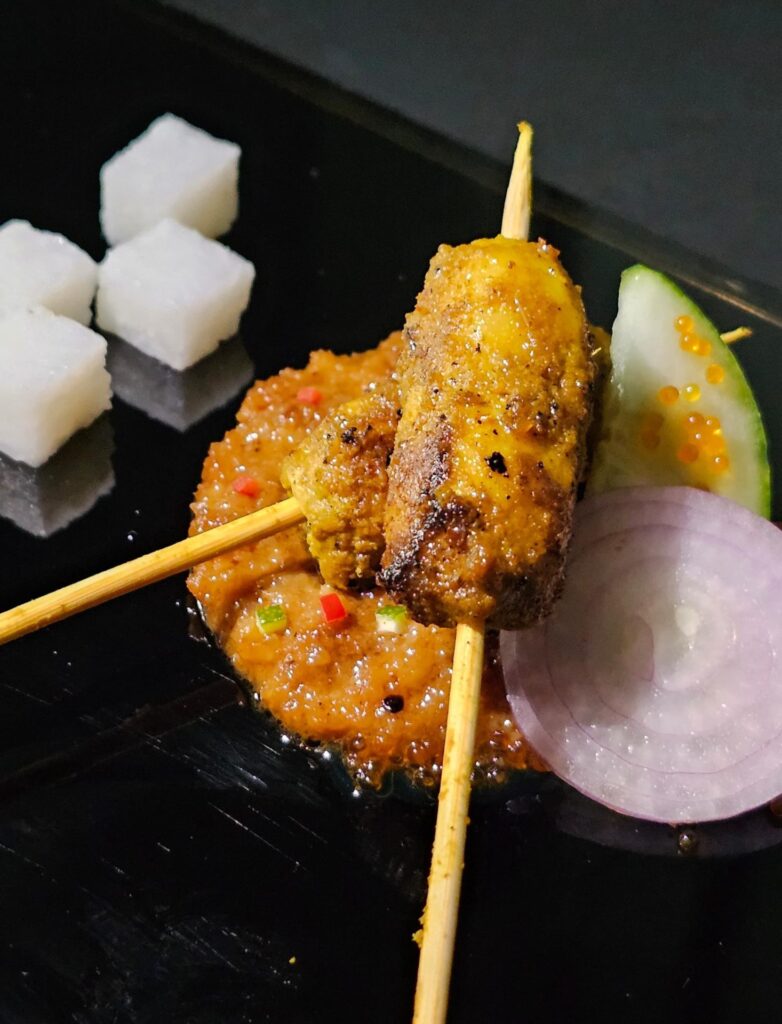
Jason Ng Chin Aik, founder and manufacturing Vice President of Cell AgriTech, a local contract manufacturer specializing in cultivated meat, expressed optimism about the government’s direction. He stated, "I am glad to see our government’s initiative to study cultivated meat as part of the nation’s long-term food security strategy." This sentiment reflects the growing interest and investment in the cellular agriculture sector within Malaysia.
Ng Chin Aik also indicated that the cultivated meat agenda is slated for presentation to Prime Minister Anwar Ibrahim in the near future, suggesting that further clarity and potential policy decisions regarding the government’s next steps are anticipated. This high-level engagement signifies the strategic importance the government is placing on this emerging food technology. He further emphasized the need for foresight and preparation, noting, "While there is no need to rush, it is important that Malaysia starts preparing today by building the right ecosystem, expertise, and regulatory framework for sustainable alternative proteins. We look forward to seeing more positive developments and outcomes in the near future." This call for proactive development highlights the long-term vision required to establish a thriving cellular agriculture industry.
The development of a robust domestic cultivated meat industry is explicitly identified as a core strategy within Malaysia’s National Biotechnology Policy 2.0, which spans the period from 2022 to 2030. This policy outlines a multi-faceted approach, including initiatives to:
- Develop University Curricula: To cultivate a specialized talent pool equipped with the necessary scientific and technical expertise for cellular agriculture.
- Form a Cellular Agriculture Association: To foster collaboration, knowledge sharing, and industry best practices among researchers, developers, and manufacturers.
- Establish Cell Repositories and Seed Repositories: To ensure the availability of critical biological materials and genetic resources for research and production.
- Create a Supply Chain: To develop a comprehensive infrastructure for the cultivated meat and seafood industries, from raw material sourcing to final product distribution.
- Develop Affordable Contract Research Services: To enable smaller companies and research institutions to access cutting-edge R&D capabilities.
- Establish a Regulatory Framework: To provide clear guidelines and standards for the safe and responsible production and sale of cultivated meat.
- Develop a Halal Food Standard for Cultivated Proteins: To ensure that these novel products meet the stringent halal requirements of Muslim consumers.
A significant breakthrough in achieving the goal of halal certification for cultivated meat occurred last year. The Department of Islamic Development Malaysia (JAKIM), the country’s highest Islamic authority, issued a landmark fatwa (religious ruling) declaring that cultivated meat products can be considered halal. This decision, a first of its kind for a Muslim-majority nation, is a pivotal moment for the acceptance and integration of cultivated meat into the Malaysian food landscape. It removes a major cultural and religious barrier that could have impeded the widespread adoption of this technology.
Mirte Gosker, CEO of the Good Food Institute APAC, commented on the significance of JAKIM’s ruling, stating, "With JAKIM’s historic fatwa affirming the halal permissibility of cultivated meat, companies, policymakers, and scientists now have a window of opportunity to meet soaring food demand by partnering with global startups to rapidly scale cellular agriculture manufacturing capacity." Gosker’s statement underscores the catalytic effect of this religious endorsement, opening doors for investment, innovation, and scaling of production.
Furthermore, Gosker highlighted Malaysia’s strategic position in the global food market: "As one of the world’s largest halal markets and an influential voice in multilateral standard-setting, Malaysia is well-positioned to collaborate with Singapore and other forward-looking countries as we work to build a more secure and sustainable protein supply for Asia and beyond." This suggests that Malaysia’s actions could serve as a model and catalyst for other nations, particularly within the significant halal consumer markets of Asia and the broader global Muslim community. The nation’s leadership in establishing clear halal guidelines for cultivated meat could significantly influence international standards and foster a more unified approach to the regulation and acceptance of this emerging food technology.
Broader Implications and Future Outlook
The Malaysian government’s proactive stance on cultivated meat and alternative proteins reflects a broader global trend. As climate change intensifies and the frequency of extreme weather events increases, nations are increasingly recognizing the need to diversify their food sources and reduce reliance on conventional agriculture, which is highly susceptible to environmental volatility. The economic pressures of inflation and the geopolitical instability impacting global supply chains further amplify the urgency of these efforts.
The implications of Malaysia’s strategic exploration are far-reaching. By investing in and developing a framework for cultivated meat, the nation aims to achieve several key objectives:
- Enhanced Food Security: Reducing dependence on imports and mitigating the impact of domestic climate-related crop failures.
- Economic Diversification: Creating new industries and high-skilled jobs in the biotechnology and food technology sectors.
- Environmental Sustainability: Potentially reducing the environmental footprint associated with traditional animal agriculture, such as land use, water consumption, and greenhouse gas emissions, although the precise environmental benefits of cultivated meat are still under active research and depend on energy sources used in production.
- Technological Advancement: Positioning Malaysia as a leader in innovative food production technologies within the ASEAN region and beyond.
The journey from governmental study to widespread consumer adoption is often complex and requires sustained effort. Factors such as production costs, scalability, consumer education, and market acceptance will play crucial roles in the success of cultivated meat in Malaysia. However, the government’s commitment, coupled with the landmark halal ruling, provides a strong foundation for future growth. The coming months and years will be critical in observing how these strategic initiatives translate into tangible actions and ultimately contribute to a more resilient and secure food future for Malaysia and potentially for the wider region. The collaboration between government, research institutions, and private industry will be paramount in navigating the challenges and realizing the full potential of these transformative food technologies.
