
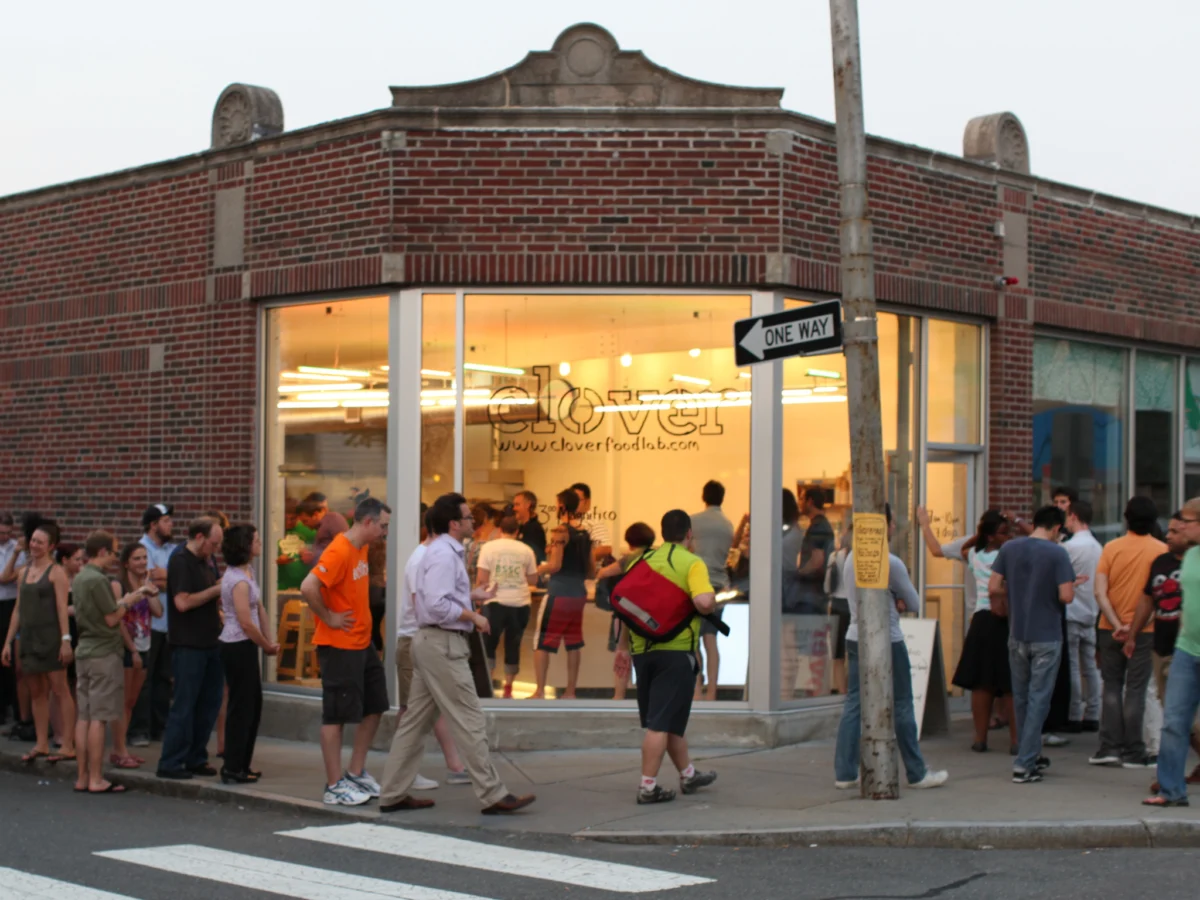
The shutdown of Clover Food Lab’s 11 remaining sites signifies a challenging period for the plant-based dining sector, occurring just two-and-a-half years after the company emerged from bankruptcy and two months after it first signaled potential financial distress. In late March, the company formally notified the state of Massachusetts of impending layoffs by filing a Worker Adjustment and Retraining Notification (WARN) Act letter. This legal filing indicated that all 182 employees would be impacted if a new buyer was not secured by the end of May. Under the WARN Act, companies with 50 or more employees are mandated to provide 60 days’ notice for mass layoffs or closures. The company confirmed that a portion of its staff would continue to work for a limited duration to manage the winding down of the chain.
Julia Wrin Piper, CEO of Clover Food Lab, expressed deep regret in a statement to customers, acknowledging the company’s 17-year commitment to supporting local farms and serving the Greater Boston community. "We’re deeply saddened to share this news – for our employees, New England farmers, and you, our guests and supporters," Piper stated, highlighting the broad impact of the closure.
The Trajectory of Clover Food Lab: From Food Truck to Financial Straits
Clover Food Lab’s journey began as a single food truck, founded by Ayr Muir, an alumnus of the Massachusetts Institute of Technology (MIT) and Harvard University. From its inception, the venture was deeply rooted in a philosophy of sustainability. Beyond its commitment to meat-free offerings, the food trucks were notably designed to run partly on recycled vegetable oil, and the company exclusively used compostable cutlery.
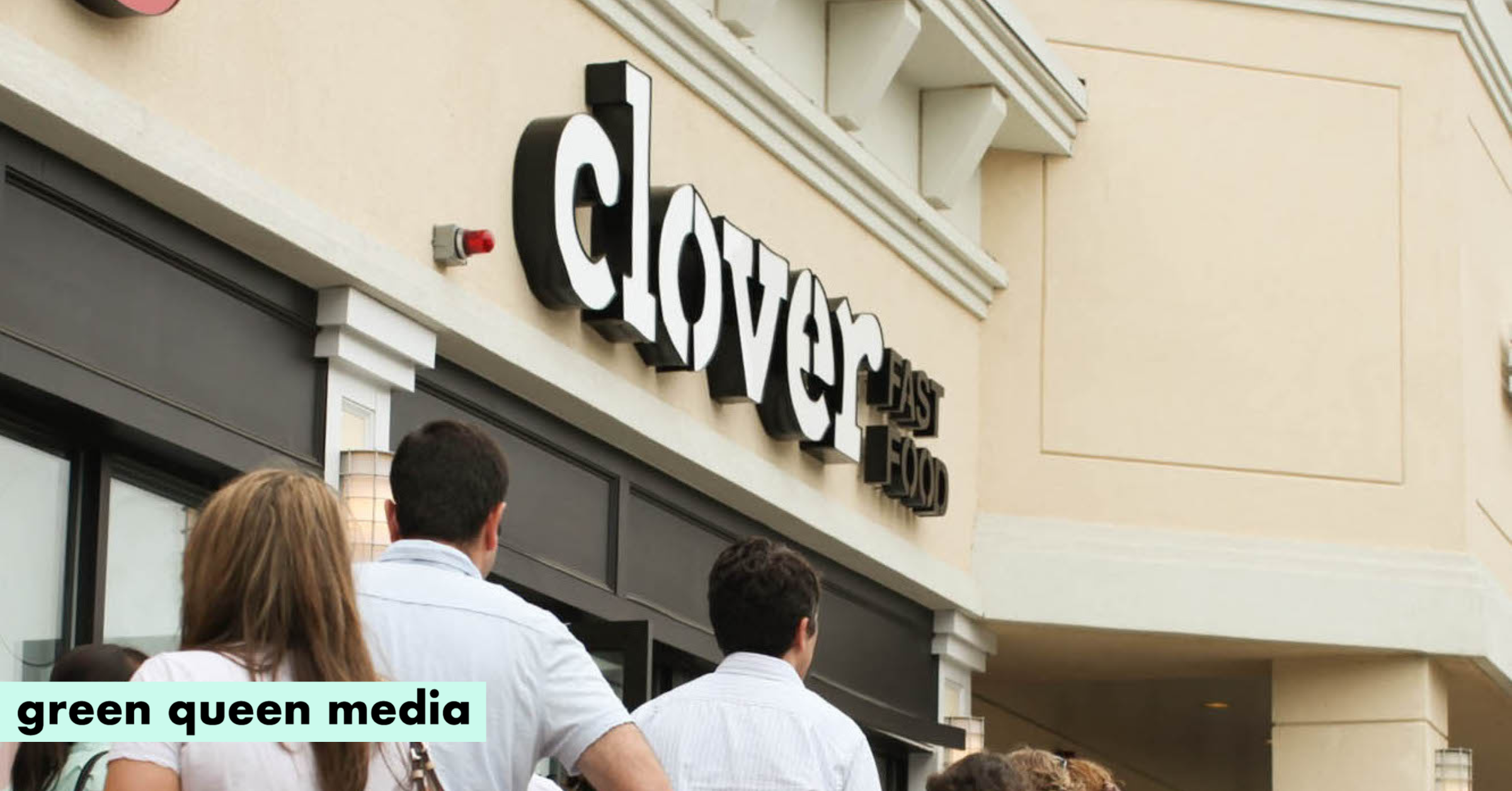
This initial concept gradually expanded, evolving into a network of brick-and-mortar restaurants, a meal box delivery service, and a catering business. At its zenith, Clover Food Lab employed over 400 individuals across 15 restaurants in the Greater Boston area. During this period, the company reported impressive financial metrics, with average unit volumes of $1.7 million and EBITDA margins reaching 18% of revenues, indicative of a robust and expanding business model.
However, the company, like many in the hospitality industry, faced significant headwinds exacerbated by the COVID-19 pandemic and the subsequent economic downturn. A confluence of factors, including declining sales, escalating operating costs, and difficulties in securing additional funding, led Clover Food Lab to file for Chapter 11 bankruptcy protection in November 2023.
The bankruptcy filing revealed that the company was unable to meet its lease obligations for a new commissary facility. This commissary was intended to serve as a central hub for an ambitious expansion plan that aimed to extend the chain’s reach across New England and into New York City. The restructuring process under bankruptcy protection resulted in the closure of two locations and a leadership change, with COO Julia Wrin Piper assuming the role of CEO from founder Ayr Muir. The company emerged from bankruptcy in April 2024, having reduced its workforce by 20 employees.
Following its emergence from bankruptcy, the new leadership announced an aggressive growth strategy, outlining plans to open an additional 50 locations throughout New England within the next five years. However, this expansion did not materialize. In the months following the announcement, two more locations were shuttered, and the increasingly challenging restaurant landscape proved insurmountable for the company’s ambitious revival.
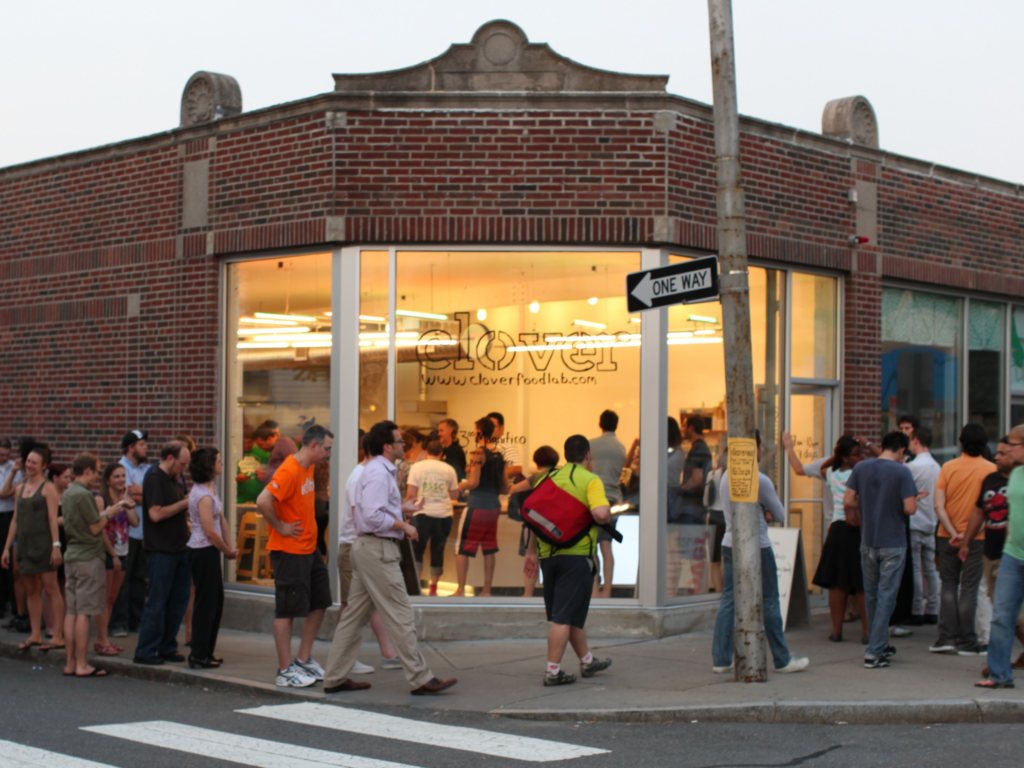
Inflationary Pressures and the Broader Restaurant Market Decline
A significant factor contributing to Clover Food Lab’s downfall, mirroring challenges faced by numerous restaurants globally, has been the substantial increase in ingredient costs. CEO Julia Wrin Piper noted that food prices had inflated by an estimated 30-50% over the preceding two years.
"In the best of times, margins are thin, building new restaurants is expensive, and our industry is the most exposed to macroeconomic forces," Piper explained. "Today, everyone is getting hit with rising costs. Food prices are up. Delivery prices are up. And a hundred other costs are moving in the same direction."
While Clover Food Lab attempted to mitigate these rising costs by increasing its menu prices, the company faced limitations on how much or how frequently it could adjust its pricing. Piper acknowledged the difficult economic climate for consumers: "Every one of you is likely thinking about how you save and spend right now, too." This delicate balance between absorbing costs and alienating price-sensitive customers proved to be a persistent challenge.
Clover Food Lab is not an isolated case within the plant-based dining sector. Several other notable vegan and vegetarian eateries have also recently ceased operations. These include Kevin Hart’s fast-food chain Hart House, the plant-based venture Neat, backed by investors like Leonardo DiCaprio and Lewis Hamilton, Matthew Kenney’s restaurant concepts, and the pioneering fast-food chain Amy’s Drive Thru.
The vegan sushi chain Planta entered liquidation proceedings, though a new entity subsequently emerged from its bankruptcy to continue operating seven locations. Other establishments, such as the acclaimed three-Michelin-starred Eleven Madison Park, have experimented with reintroducing meat and seafood to their menus in an attempt to bolster business. However, this strategy has yielded mixed results, with Sage Regenerative Kitchen closing shortly after implementing such a menu change.
These financial difficulties are not confined to plant-based establishments. Data from the U.S. indicates a widespread struggle within the restaurant industry. In 2025, three out of five restaurant operators reported a decline in customer traffic, and 45% were unable to achieve profitability. While a higher percentage of non-vegan restaurants closed in 2025 compared to plant-based eateries, the overall financial health of the sector remains precarious.
Despite some specific product category declines, the broader market for plant-based foods in the U.S. foodservice sector saw significant sales figures in 2025. Total sales for plant-based proteins, encompassing meat alternatives, tofu, tempeh, and veggie burgers, reached $291 million, representing a 7% decrease in dollar sales compared to previous periods. However, certain plant-based meat formats experienced growth. Milk alternatives also demonstrated strength, with sales reaching $288 million, a 14% increase, and creamers saw a 4% rise to $189 million in sales. These figures suggest a nuanced market where certain segments within the plant-based category continue to exhibit resilience, even as the overall restaurant landscape faces considerable economic pressures. The closure of Clover Food Lab serves as a stark reminder of the multifaceted challenges confronting businesses in the current economic climate, particularly within the competitive and cost-sensitive food service industry.
