
The global landscape of sustainable food innovation continues to expand, with recent developments showcasing significant strides in plant-based alternatives, resource circularity, and a growing consumer demand for environmentally conscious choices. This week’s "Future Food Quick Bites" delves into a range of groundbreaking initiatives, from a remarkably protein-dense soy milk launch to pioneering projects in waste valorization and widespread adoption of non-dairy options in the food service sector.
Silk Elevates Plant-Based Protein with Ultra-High Protein Soy Milk Launch
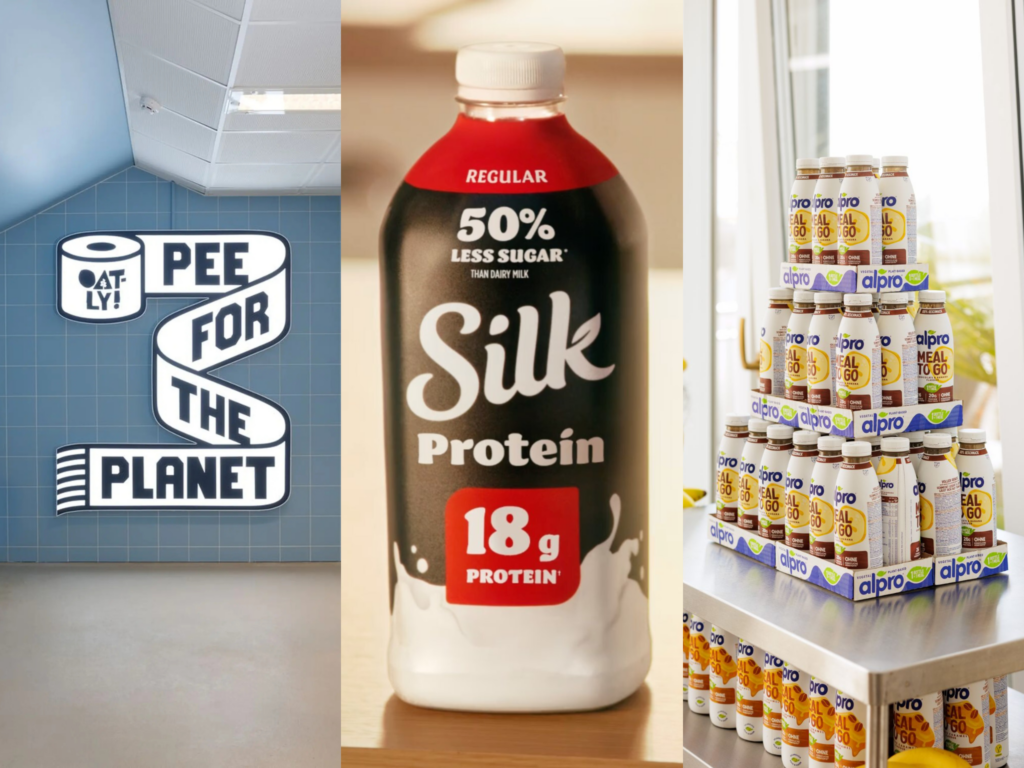
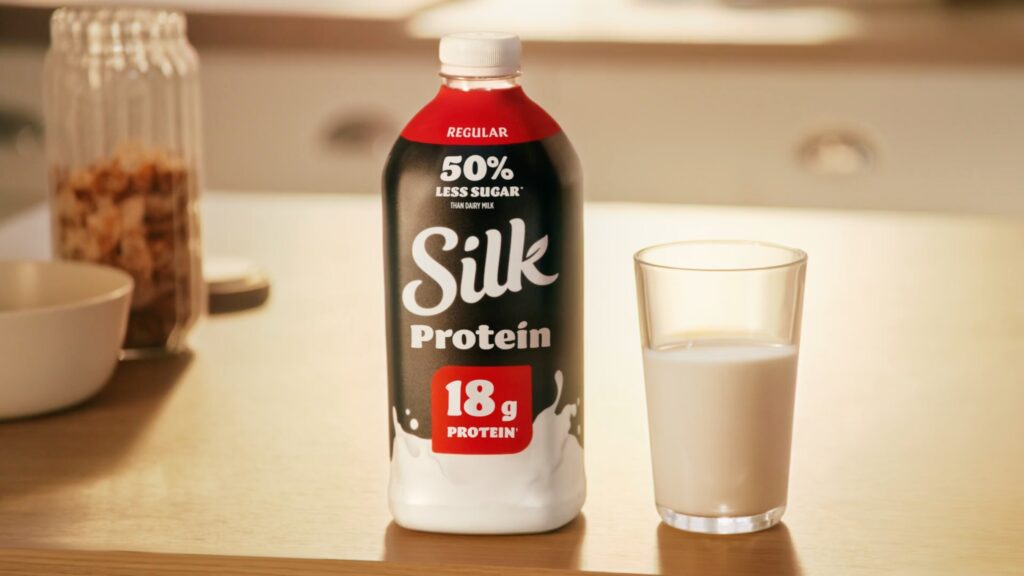
Danone-owned dairy-free brand Silk has taken a significant step forward in the plant-based beverage market with the introduction of an ultra-high protein soy milk in Canada. This new offering boasts an impressive 18 grams of complete protein per 250-milliliter serving, translating to 7.2 grams of protein per 100 milliliters. This formulation more than doubles the protein content typically found in conventional cow’s milk and surpasses the protein levels of Silk’s existing offerings in the United States. The launch, which has been met with keen interest from health-conscious consumers and the broader plant-based community, is positioned to cater to individuals seeking robust protein intake from plant-based sources to support their active lifestyles and dietary goals.
The strategic release in Canada signifies a growing recognition of the market’s demand for plant-based products that not only meet but exceed the nutritional benchmarks of their dairy counterparts. The availability of this high-protein soy milk in major Canadian retailers, offered in 1.42-liter bottles in both plain and chocolate varieties, underscores Silk’s commitment to making advanced plant-based nutrition accessible to a wider audience. This development aligns with a broader trend where plant-based beverages are evolving beyond simple dairy replacements to become functional foods offering distinct health benefits. The emphasis on "complete protein" is particularly noteworthy, as it indicates the presence of all nine essential amino acids, which are crucial for muscle repair, growth, and overall bodily function, often a key consideration for athletes and those with higher protein requirements.
Daring Expands Plant-Based Meat Offerings
In parallel, US-based plant-based meat innovator Daring has also announced new product expansions. The company has launched diced and shredded versions of its microwaveable vegan chicken at Sprouts Farmers Market across the United States. This move aims to provide consumers with convenient and versatile plant-based protein options for everyday cooking. Daring’s focus on replicating the texture and culinary utility of traditional chicken products continues to address a significant segment of the alternative protein market, offering a compelling choice for consumers looking to reduce their meat consumption without compromising on taste or convenience. The expansion into diced and shredded formats allows for greater flexibility in meal preparation, from stir-fries and salads to pasta dishes and tacos.
Alpro Promotes On-the-Go Plant Protein Solutions in Europe
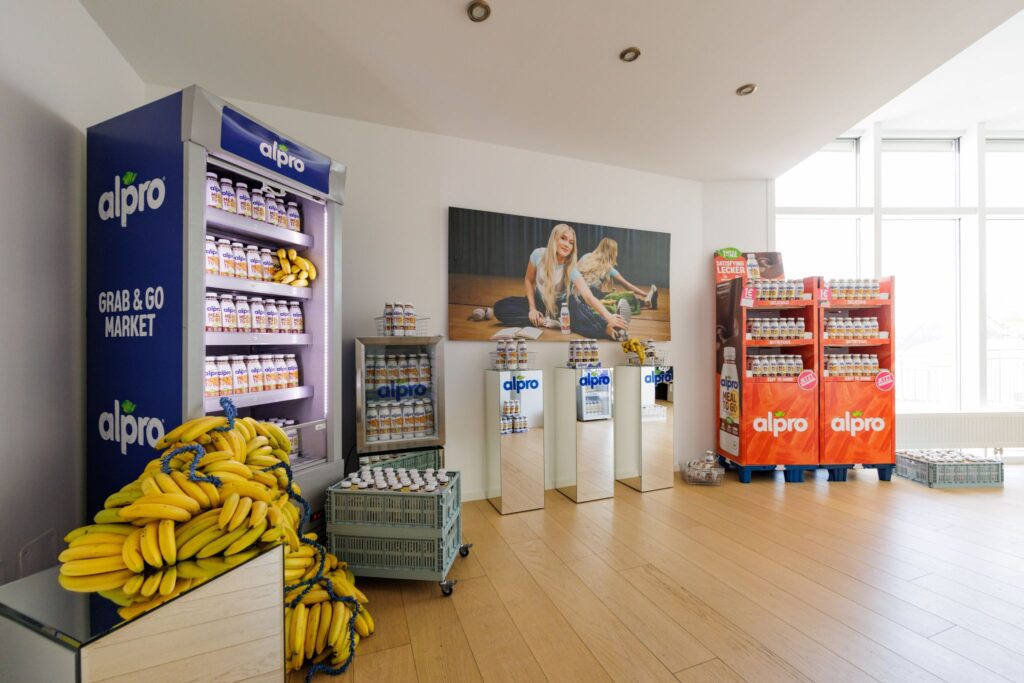
Further demonstrating the global momentum in plant-based innovation, Danone’s European dairy-free leader, Alpro, has initiated a series of targeted promotions. The brand recently hosted a pop-up Grab & Go market at the Vienna office of public relations agency NetworkPR. This initiative served to highlight Alpro’s new "Meal to Go" range, which features protein-packed plant-based shake options designed for busy professionals seeking convenient and nutritious meal replacements. The pop-up format allowed for direct consumer engagement, providing an opportunity for sampling and education about the benefits of Alpro’s plant-based protein offerings. This approach reflects a strategic effort to integrate plant-based options into daily routines, particularly within professional environments where time efficiency is a key consideration. The "Meal to Go" range is formulated to provide a balanced nutritional profile, catering to the demand for quick yet wholesome food choices.
ADM Bolsters Plant-Based Protein Ingredient Portfolio
Global food ingredient giant Archer Daniels Midland (ADM) is significantly expanding its footprint in the plant-based sector with the unveiling of eight new plant-based protein ingredients. These additions, part of its ProFam and Arcon product lines, are now available in Europe and North America. The portfolio includes a diverse range of soy protein isolates, concentrates, and pea-based ingredients, engineered for optimal performance in various applications such as beverages, dairy alternatives, meat products, and baked goods. ADM’s strategic investment in diversifying its protein ingredient offerings underscores the company’s commitment to supporting the rapid growth of the global plant-based food market. The availability of these advanced ingredients empowers food manufacturers to develop innovative and high-quality plant-based products that meet evolving consumer preferences for taste, texture, and nutritional value. The development of specialized protein isolates and concentrates is critical for achieving desired sensory attributes and functional properties in finished products, ranging from smooth beverages to texturized meat analogues.
T Hasegawa Introduces Hasemilk for Enhanced Dairy-Free Experience
In a move designed to elevate the sensory experience of dairy-free products, Californian flavor powerhouse T Hasegawa has introduced Hasemilk. This powdered dairy-free flavor ingredient is engineered to help brands meticulously replicate the authentic taste and satisfying mouthfeel of cow’s milk in their plant-based formulations. The innovation addresses a long-standing challenge in the dairy-free sector, where achieving parity with the sensory characteristics of traditional dairy has been a key area of focus for product developers. By providing a sophisticated flavor solution, T Hasegawa aims to enable a more seamless transition for consumers seeking dairy alternatives without compromising on their sensory expectations. This technology is poised to enhance the appeal of a wide array of plant-based products, from coffee creamers and yogurts to cheeses and baked goods, by bringing them closer to the familiar and desired dairy profile.
"Climate Extremes: Agriculture" Documentary Highlights Food System’s Environmental Impact
Beyond product innovation, there is a growing emphasis on raising awareness about the broader environmental implications of our food systems. Production house OoS Pictures has released "Climate Extremes: Agriculture," a new documentary that critically examines the intricate link between the global food system and climate change. The film aims to educate audiences on the environmental pressures exerted by current agricultural practices and to spark conversations about more sustainable food production methods. Such documentaries play a crucial role in shaping public opinion and driving demand for more environmentally responsible food choices. By highlighting the challenges, the film implicitly advocates for the adoption of innovative solutions like those being developed across the sustainable food sector. The narrative likely delves into issues such as greenhouse gas emissions from livestock, deforestation for agricultural expansion, water usage, and the impact of climate change on food security.
Urine-to-Fertilizer Project: A Circular Economy Initiative in Sweden
A significant development in resource circularity is emerging from Sweden, where the national research council Formas has partnered with a consortium of prominent organizations to explore the potential of human urine as a sustainable fertilizer. This ambitious project involves Oatly, Malmö FF football club, Sanitation 360, the Swedish University of Agricultural Sciences, VA SYD, and the City of Malmö. The collaboration aims to rigorously test the collection, treatment, and reuse of human urine as a viable and scalable alternative to fossil-based fertilizers. This initiative represents a bold step towards a circular economy within the food system, addressing the environmental burden associated with conventional fertilizer production, which is energy-intensive and reliant on finite resources.
The project’s methodology will likely involve advanced treatment processes to ensure the safety and efficacy of the reclaimed nutrients. By converting a waste product into a valuable resource, the initiative seeks to reduce reliance on synthetic fertilizers, mitigate greenhouse gas emissions associated with their production, and create a more closed-loop nutrient cycle. The involvement of diverse stakeholders, from a leading oat milk company like Oatly to a major sports club and municipal entities, highlights the broad applicability and collaborative spirit required for such transformative projects. The success of this pilot could pave the way for widespread adoption, offering a tangible solution to reduce agricultural waste and enhance soil health sustainably. The potential implications extend beyond agriculture, touching on public health, water management, and resource independence.
Biospringer Acquires Key Technology from PTX Foods
In the realm of fermentation technology, Biospringer, a subsidiary of French yeast manufacturer Lesaffre, has acquired select intellectual property and technology from bacteria fermentation specialist PTX Foods’ Bioenhance line. This acquisition is expected to bolster Biospringer’s capabilities in developing advanced fermentation-based solutions for the food industry. The integration of PTX Foods’ expertise and technology is anticipated to accelerate the development of novel ingredients and enhance the company’s product portfolio, particularly in areas requiring sophisticated fermentation processes. This strategic move signals Biospringer’s commitment to expanding its innovation pipeline and strengthening its position in the rapidly growing bio-based ingredients market.
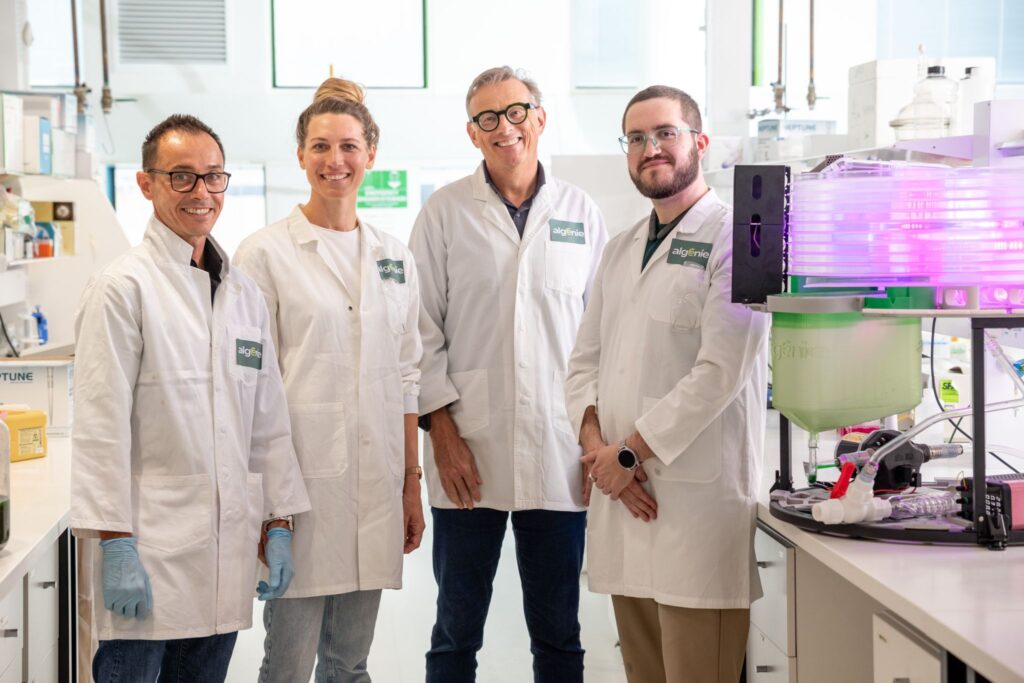
Algenie Secures Government Funding for Algae-Based Technology Scale-Up
Australian startup Algenie, which leverages algae to produce sustainable fuels, plastics, and animal feed, has received a significant boost with A$1.4 million (approximately $1 million USD) in funding from the federal government’s Industry Growth Program. This investment is earmarked to advance Algenie’s photobioreactor technology from laboratory-scale units to industrial-scale proof-of-concept. The funding recognizes Algenie’s potential to contribute to a more sustainable and carbon-positive future by harnessing the power of algae. The company’s innovative approach to algae cultivation and utilization positions it at the forefront of developing bio-based alternatives to conventional petroleum-derived products. The successful scale-up of their photobioreactors is crucial for making these sustainable solutions economically viable and widely accessible. This development is particularly significant given the growing global imperative to decarbonize industries and reduce reliance on fossil fuels.
NoPalm Ingredients Wins Sustainable Innovation Award for Palm Oil Alternatives
Dutch fermentation firm NoPalm Ingredients has been recognized for its groundbreaking work in developing sustainable alternatives to palm oil, winning the 2026 Feike Sijbesma Sustainable Innovation Award in the late-stage category at F&A Next. The company received a €12,500 prize for its innovative palm oil substitute solutions. This award highlights the increasing market demand for ingredients that can replace environmentally contentious commodities like palm oil, which is often associated with deforestation and habitat loss. NoPalm Ingredients’ success underscores the potential of fermentation technology to create high-performing, sustainable ingredients that meet the needs of food manufacturers while aligning with environmental stewardship. The company’s focus on creating scalable and functional alternatives positions it to play a key role in the transition away from unsustainable sourcing practices.
Curve and Digital Tvilling Partner for AI-Driven Precision Fermentation
Swedish biotech startup Curve has announced a strategic partnership with Digital Tvilling, a specialist in AI and digital twin technologies. This collaboration aims to develop an integrated biomanufacturing platform designed to reduce the production costs of precision-fermented proteins, ingredients, and additives. By combining Curve’s expertise in biomanufacturing with Digital Tvilling’s advanced AI and digital twin capabilities, the partnership seeks to optimize fermentation processes, enhance efficiency, and ultimately lower the cost of producing these novel food components. Precision fermentation is a rapidly evolving field with the potential to revolutionize the production of a wide range of ingredients, and this collaboration signifies a commitment to leveraging cutting-edge digital technologies to accelerate its development and adoption. The integration of AI and digital twins can enable more precise control over fermentation parameters, predict outcomes, and identify areas for improvement, leading to more consistent and cost-effective production.
Plant Ahead Named Official Dairy-Free Cheese of the US Pizza Team
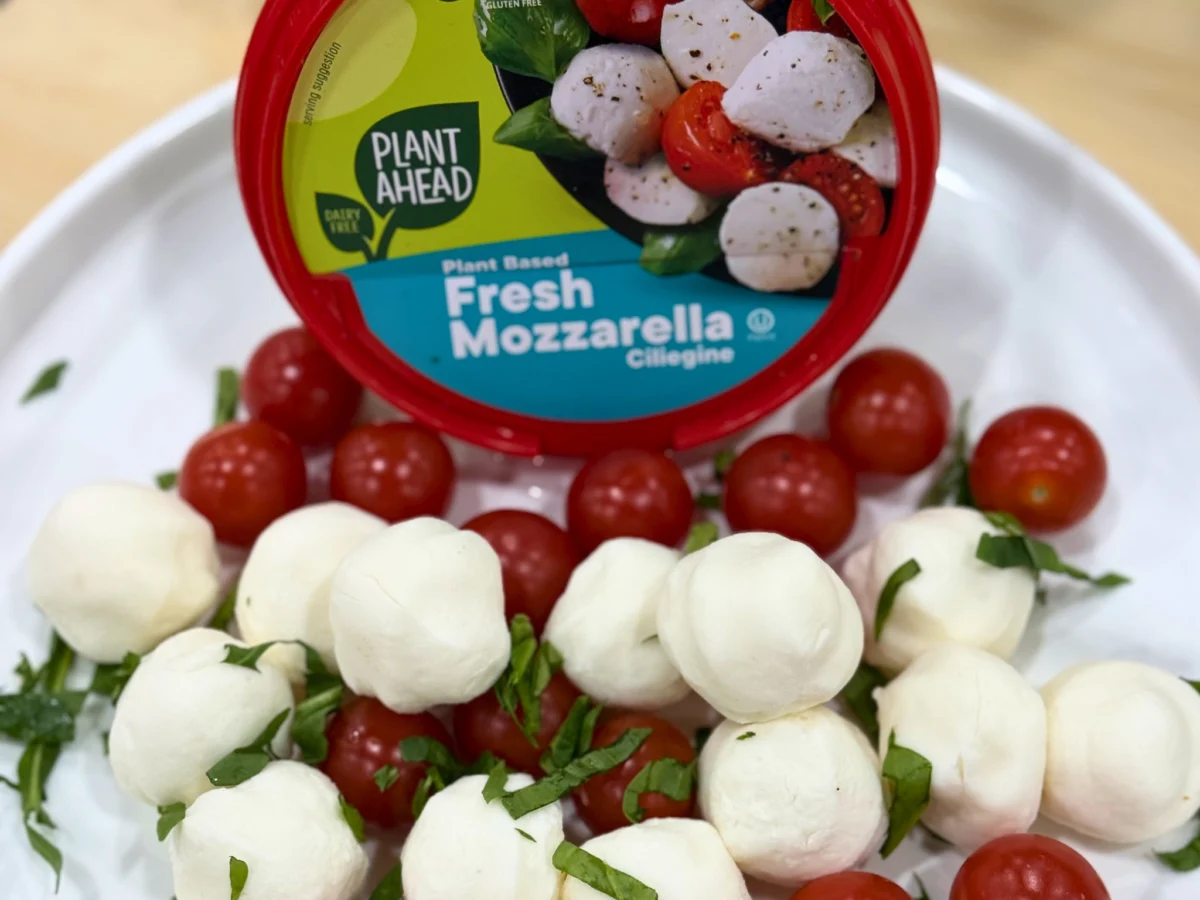
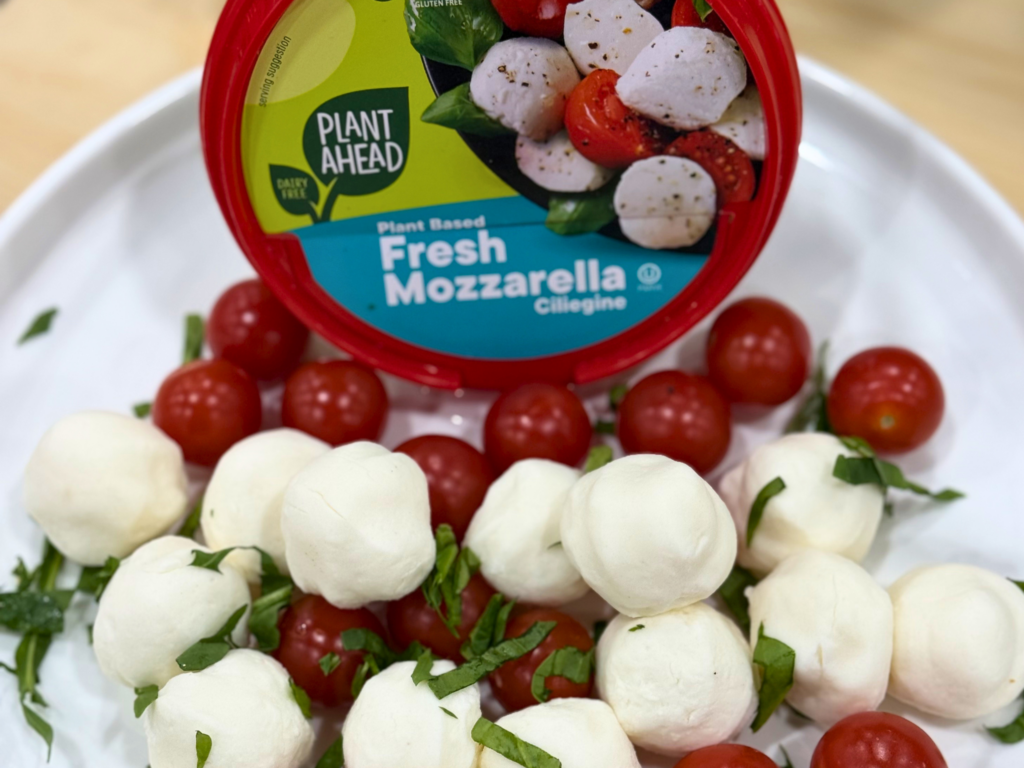
In a move that celebrates the growing acceptance of plant-based alternatives in traditional food categories, vegan mozzarella maker Plant Ahead, a subsidiary of Canada’s Wein Foods, has been named the Official Dairy-Free Cheese of the US Pizza Team. This designation signifies a growing endorsement of plant-based cheese alternatives within the professional culinary community and highlights the increasing quality and performance of these products. The partnership is expected to raise the profile of Plant Ahead’s vegan mozzarella and promote its use in pizza applications, potentially influencing consumer perceptions and further driving demand for dairy-free cheese options in the foodservice sector. This partnership is a testament to the advancements in vegan cheese technology, which now offer a compelling alternative for both professional chefs and home cooks.
Actual Veggies Achieves Significant Revenue Growth
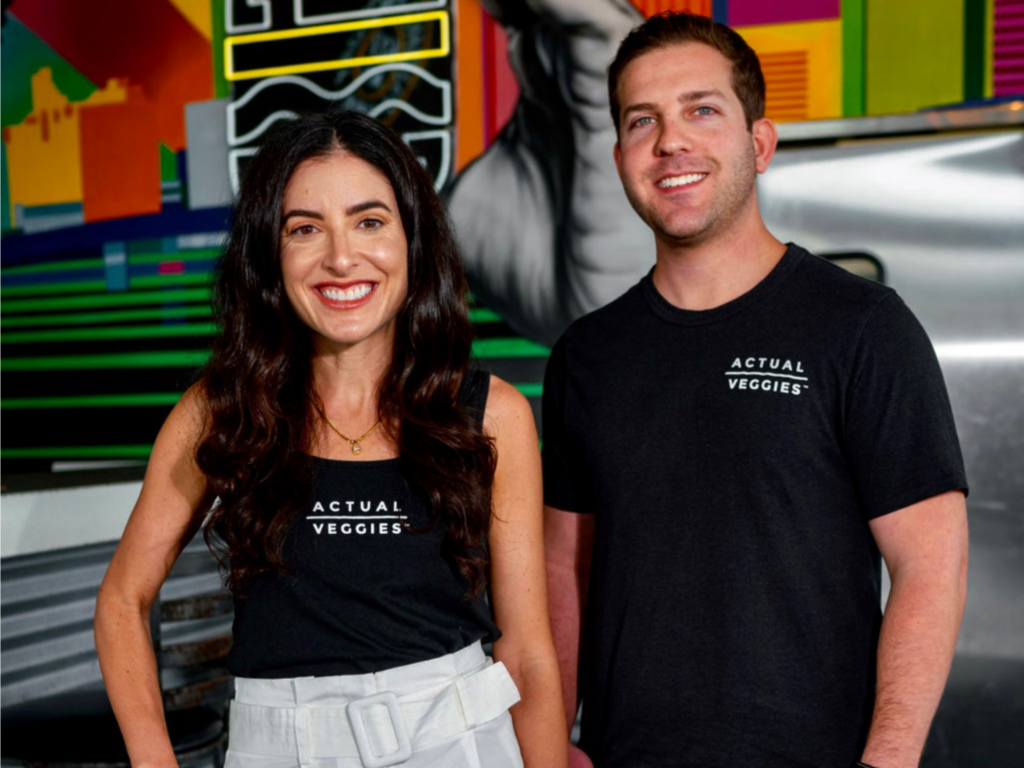
US whole-food-forward startup Actual Veggies has reported impressive financial performance, achieving $20 million in revenue in 2025 and forecasting a total of $30 million for the current year. Sales of its flagship black bean burger have seen a substantial 15% year-on-year increase, while its mushroom-quinoa patties have experienced a remarkable 53% spike. This sustained growth indicates a strong consumer preference for plant-based burgers made with whole food ingredients and minimal processing, differentiating them from many highly processed meat alternatives. The company’s commitment to clean labels and recognizable ingredients appears to resonate strongly with a growing segment of consumers seeking healthier and more transparent food options. The substantial sales growth for both product lines demonstrates a broadening appeal and reinforces the viability of the whole-food plant-based category.
Cosaic Appoints New Chief Commercial Officer and Strengthens Leadership
Following its recent successful funding round of $6 million for its yeast-based emulsifiers, Swiss startup Cosaic has appointed Juan Benítez-García as its new Chief Commercial Officer. Benítez-García brings a wealth of experience from previous executive roles at major food industry players, including ADM, Novozymes, and Solar Foods. He takes over from Lucie Rein. This strategic appointment signals Cosaic’s intent to accelerate its commercial expansion and market penetration. The company’s focus on developing innovative, sustainable emulsifiers derived from yeast addresses a critical need for alternatives to traditional, often less sustainable, ingredients. The addition of experienced leadership is crucial for navigating the complexities of scaling a food tech startup and capturing market share in a competitive landscape.
Standing Ovation President Re-elected to Lead Food Fermentation Europe
Sebastien Louvion, Chief Regulatory Officer at precision-fermented dairy firm Standing Ovation, has been re-elected as president of the trade association Food Fermentation Europe. This re-election reflects Louvion’s continued leadership and the association’s commitment to advancing the interests of the precision fermentation sector. Food Fermentation Europe plays a vital role in advocating for regulatory clarity, promoting innovation, and fostering collaboration within this rapidly growing industry. Louvion’s renewed mandate suggests a continued focus on shaping the policy landscape and driving the responsible growth of fermentation-based food technologies. The precision fermentation industry is at a critical juncture, and strong industry leadership is essential for navigating regulatory hurdles and public perception.
Mosa Meat Joins APAC Society for Cellular Agriculture
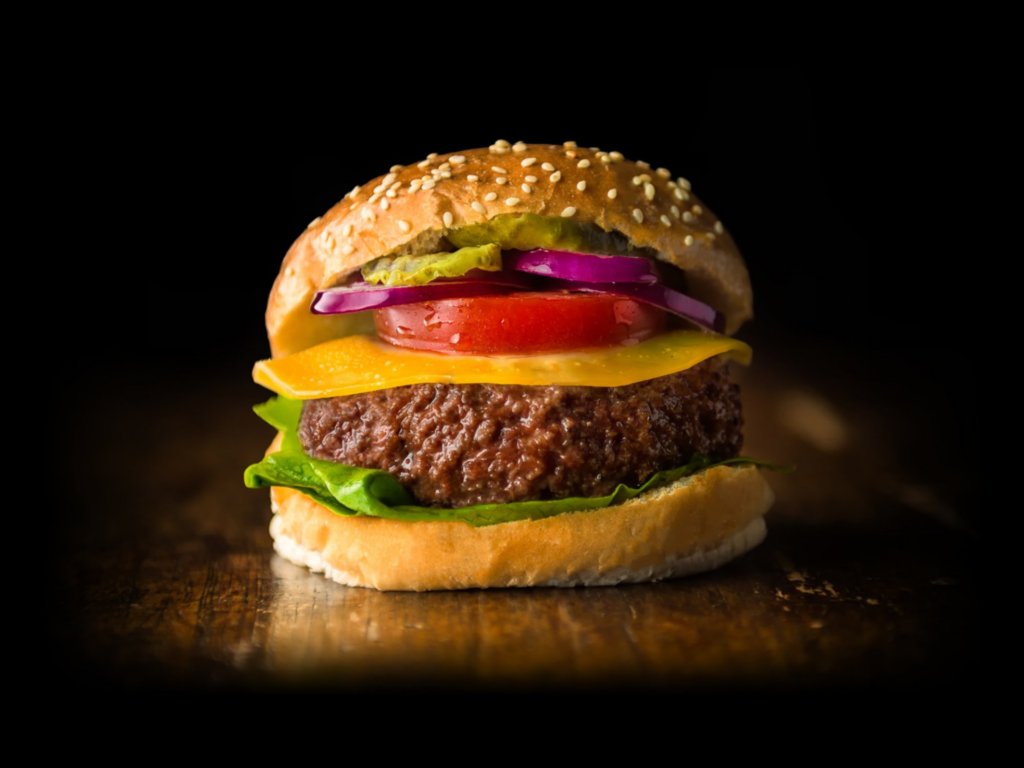
As Dutch cultivated meat pioneer Mosa Meat awaits regulatory approval in Singapore, the company has announced its membership in the APAC Society for Cellular Agriculture. This strategic move signifies Mosa Meat’s commitment to expanding its presence and influence within the burgeoning cellular agriculture market across the Asia-Pacific region. The APAC Society for Cellular Agriculture serves as a crucial platform for industry collaboration, knowledge sharing, and advocacy, aiming to accelerate the development and adoption of cultivated meat and other cellular agriculture products. Mosa Meat’s participation is expected to contribute to the society’s efforts in navigating regulatory pathways and building consumer acceptance for this transformative food technology. The inclusion of Mosa Meat, a prominent player in the field, further strengthens the society’s collective voice and expertise.
The Coffee Bean & Tea Leaf Eliminates Non-Dairy Milk Surcharge
In a consumer-friendly move that aligns with broader industry trends, The Coffee Bean & Tea Leaf has announced the elimination of surcharges for plant-based milk options in the United States. This decision follows similar initiatives by other major coffee chains and signals a growing recognition of consumer demand for dairy-free alternatives. By removing the additional cost, the company aims to make plant-based milk options more accessible and appealing to a wider customer base, further encouraging the transition away from dairy. This policy change is a significant step towards normalizing and promoting the consumption of plant-based beverages within the café environment. The increasing prevalence of plant-based milk options without added cost is a strong indicator of their mainstream acceptance and economic viability.
Vrije Universiteit Brussel Commits to 80% Plant-Based Campus Catering
Concluding the week’s updates, the student council of the Vrije Universiteit Brussel in Belgium has voted to transition its on-campus catering menus to be 80% plant-based by 2032. The initiative also includes a target of growing plant-based meal sales by 15% annually. This ambitious commitment from a major educational institution reflects a growing awareness among younger generations about the environmental and ethical implications of food choices. By integrating plant-based options more prominently into campus life, the university aims to foster a more sustainable food culture and reduce its overall environmental footprint. This move by VUB serves as a powerful example for other institutions seeking to implement impactful sustainability measures within their operations. The phased approach allows for gradual adaptation and education, ensuring a smoother transition towards a predominantly plant-based food service.
