
Deconstructing the "Hydrated Hair" Myth
The concept of "hydrated hair" as popularly advertised, promising a sensation of softness and health through increased water content, is largely a marketing construct. For decades, the haircare industry has coalesced around this narrative, often to the frustration of cosmetic scientists. Experts in industry lectures have reportedly advised against challenging these deeply ingrained consumer beliefs, prioritizing product sales over scientific accuracy. This perpetuation of a simplified, albeit misleading, concept underscores a significant communication gap between scientific understanding and consumer perception. The common expectation is that adding water will make hair feel good, but scientific studies often contradict this direct correlation.
The Molecular Dynamics: Water and Hair Bonds
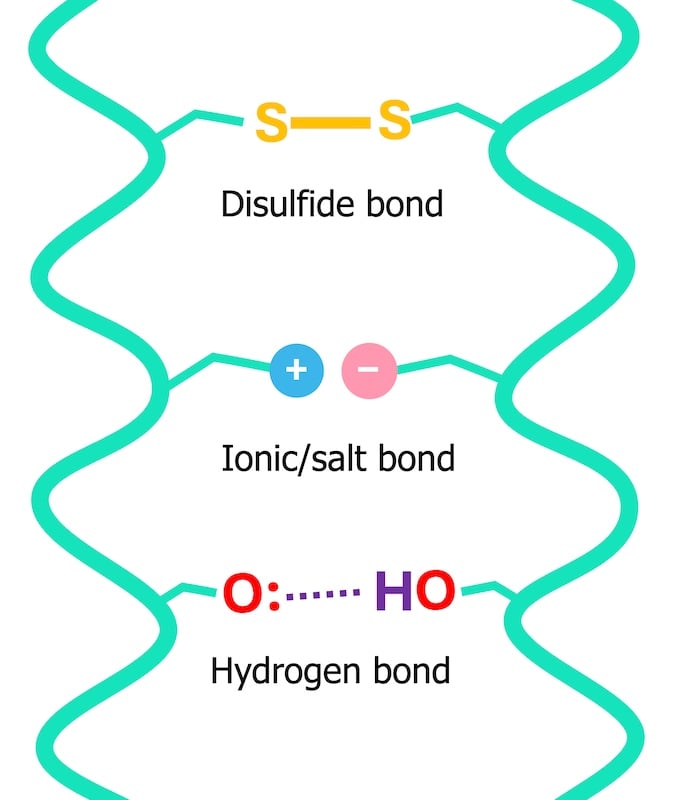
To truly grasp water’s influence, one must first understand the fundamental structure of hair. Hair fibers are primarily composed of keratin proteins, which are held together by various types of chemical bonds. These bonds dictate hair’s strength, elasticity, and shape. There are two main categories: permanent (covalent, like disulfide bonds) and temporary (non-covalent, like hydrogen bonds and ionic bonds).
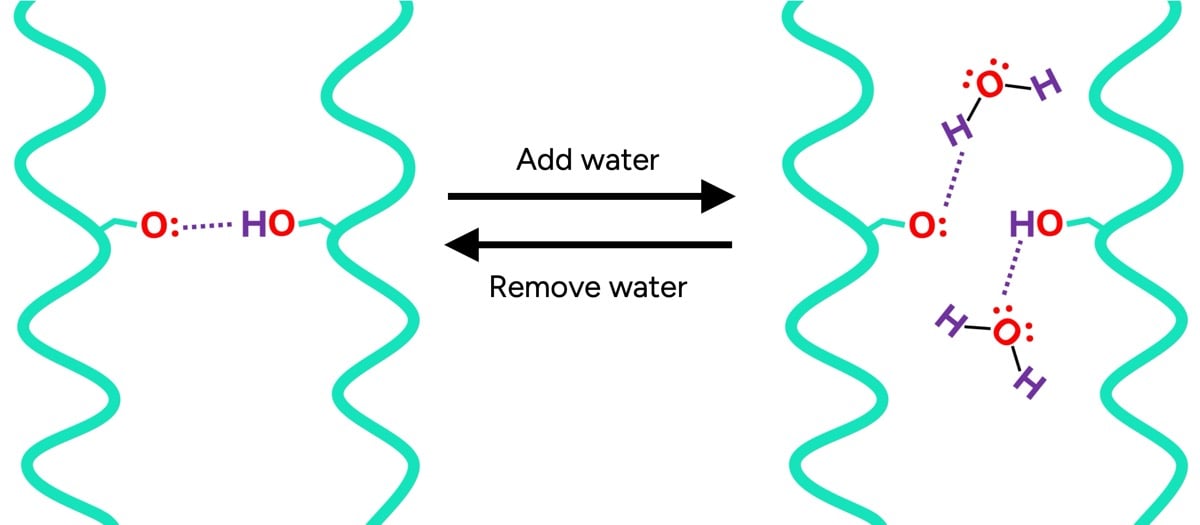
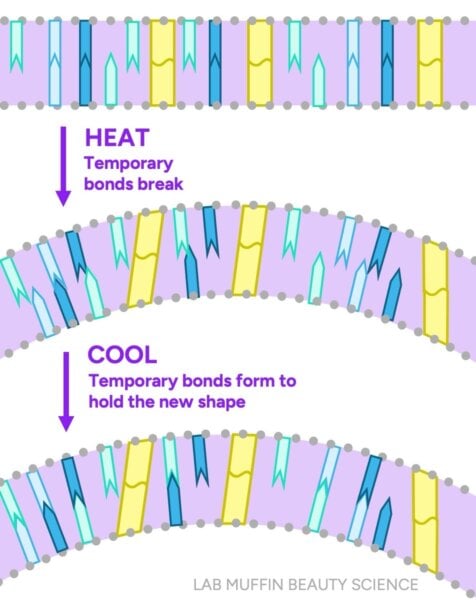
The hair’s inner core, particularly the cortex, is highly sensitive to water. In its dry state, numerous temporary hydrogen bonds form between adjacent keratin protein chains, acting like molecular "glue" that gives hair its stiffness and structural integrity. However, when water is introduced, these hydrogen bonds face competition. Water molecules, being highly polar, readily form hydrogen bonds with the keratin proteins. This competitive bonding means that proteins end up "holding hands" with water molecules rather than exclusively with each other. Consequently, wet hair possesses significantly fewer inter-protein hydrogen bonds, leading to a reduction in its overall structural cohesion. This phenomenon renders wet hair weaker and more pliable than dry hair, a critical factor often overlooked in daily haircare routines.
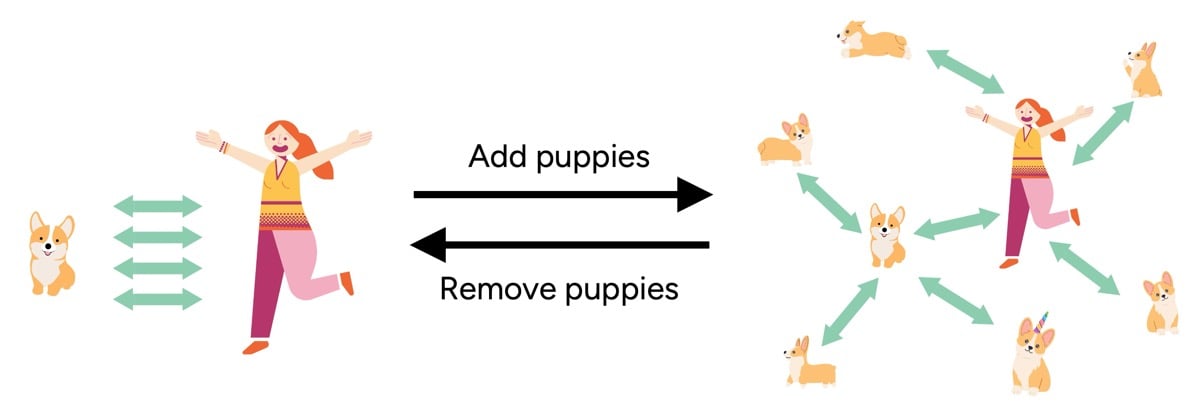
An analogy helps illustrate this: imagine a close-knit group of friends (keratin proteins) whose strong bonds define their collective strength. When a large group of new, friendly acquaintances (water molecules) arrives, the original friends start interacting with the newcomers. While individual interactions occur, the intense bonding within the original group weakens as attention is dispersed. When the new acquaintances leave, the original strong bonds between friends reform. Similarly, water acts as a plasticizer for hair, temporarily increasing its flexibility and reducing its resistance to deformation, but at the cost of its dry-state strength.
The Paradox of Wet Detangling: Straight vs. Curly Hair
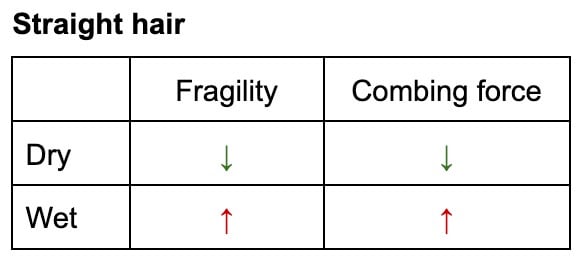
The altered bonding state in wet hair has significant implications for everyday hair management, particularly detangling. Wet hair, with its reduced inter-protein bonds, is inherently weaker and more susceptible to stretching and breakage. This weakened state means that for straight hair, combing when wet can be more damaging. The strands maintain their relatively straight alignment but are weaker, and the presence of water also increases surface friction between individual strands, making them stick together more. The combination of reduced strength and increased friction exacerbates the potential for mechanical damage, leading to higher breakage rates compared to detangling straight hair when dry.
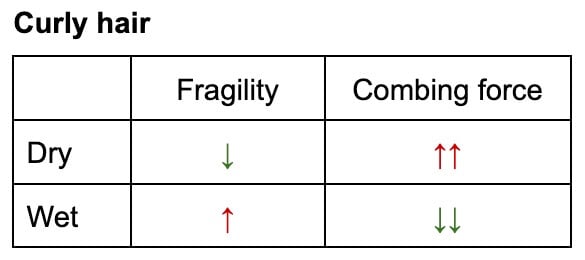
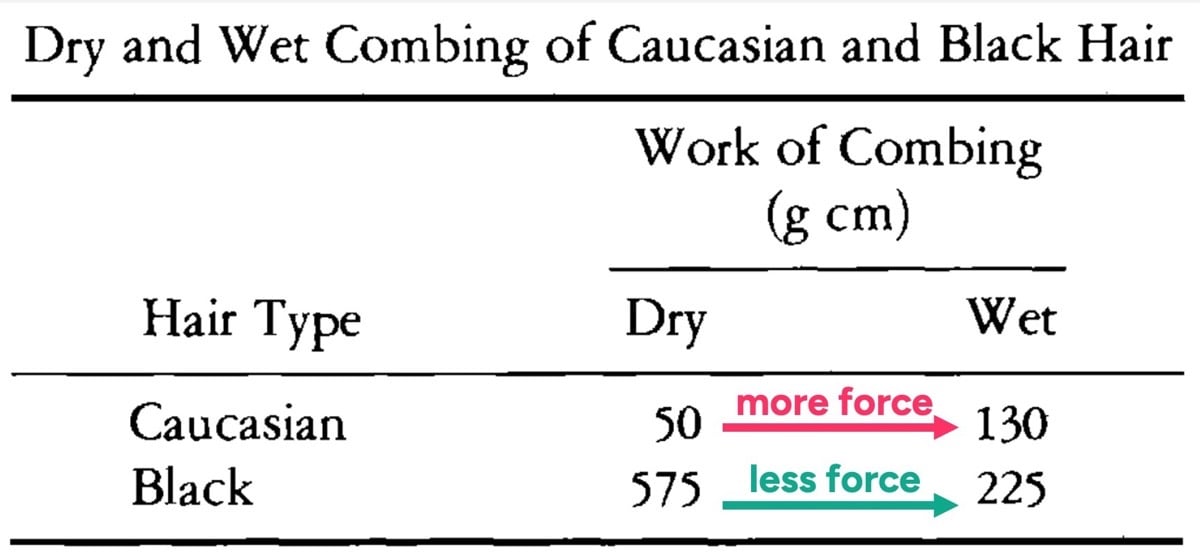
Conversely, for curly and coily hair types, detangling when wet is often less damaging. While the hair is still weaker, the presence of water allows the natural curl pattern to loosen and elongate, reducing the mechanical resistance typically encountered when detangling dry, tightly coiled hair. This looser shape means less force is required to separate tangles, mitigating overall damage despite the hair’s temporarily weakened state. This nuanced difference highlights why generalized advice on wet detangling can be misleading and why individual hair type plays a crucial role. Studies, such as those by Epps and Wolfram in 1983, have empirically demonstrated these divergent responses to combing force in wet versus dry states for different hair textures, even in humid environments. The overarching principle remains: detangle hair in the state that requires the least force, often facilitated by a good conditioner.
The Tactile Illusion: Why "Dry" Hair Feels Better
Counterintuitively, hair that feels soft, smooth, and "healthy" – what consumers typically associate with "hydration" – actually possesses a lower water content than hair perceived as rough, "dry," or damaged. A landmark study cited by Evans (2013) demonstrated this perceptual disconnect: when presented with hair samples of varying water content, most participants consistently rated hair with less water as feeling more moisturized, smoother, less tangled, and less damaged.
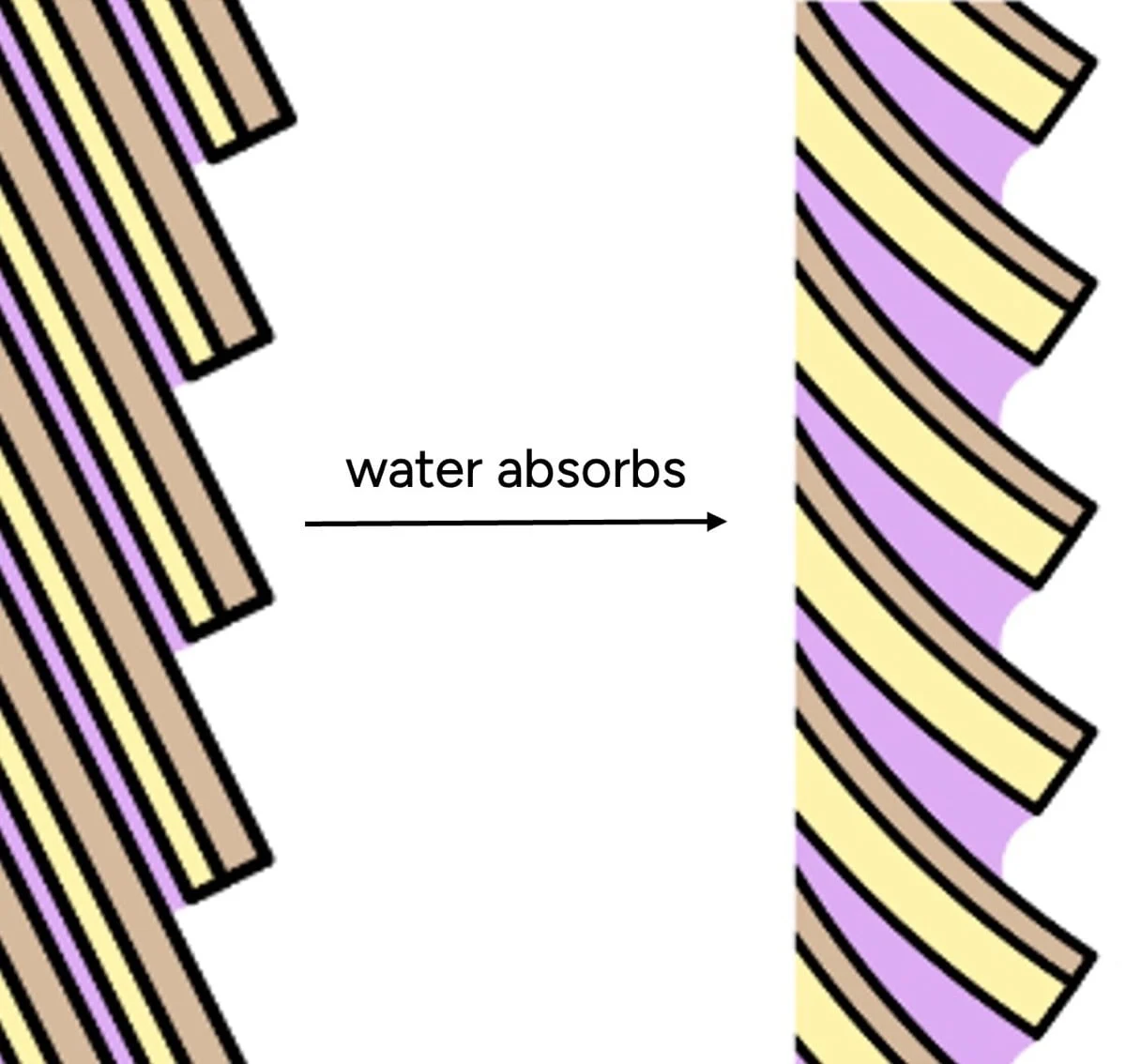
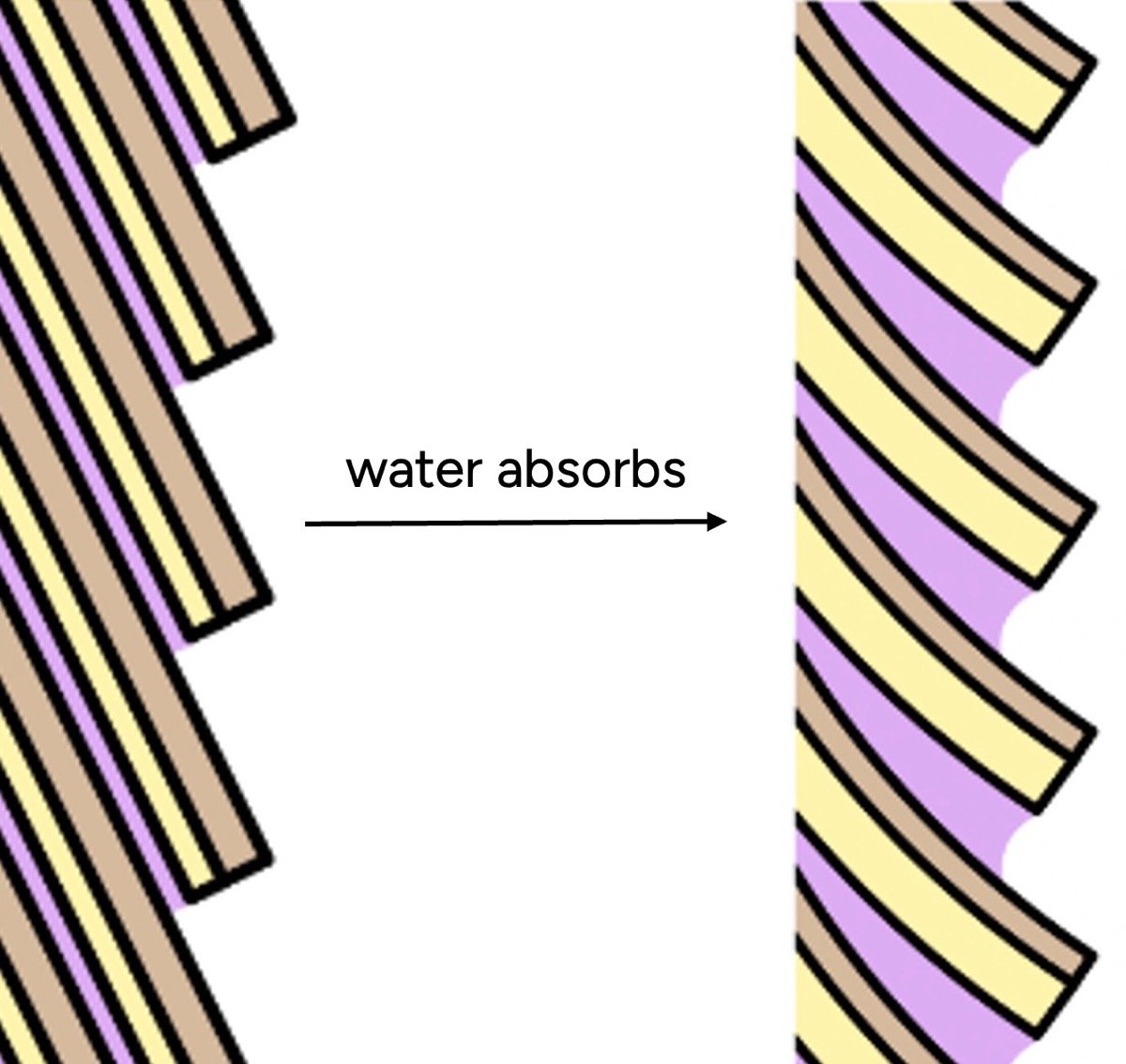
This phenomenon is explained by examining the hair’s outermost layer: the cuticle. The cuticle consists of overlapping, scale-like cells. In dry hair, these scales lie relatively flat, creating a smooth surface. When hair absorbs water, the cuticle scales swell. Crucially, different parts of the cuticle swell disproportionately. The endocuticle (the underside of each scale) and the cell membrane complex (the "glue" between scales) absorb significantly more water than the outer surface. This differential swelling causes the cuticle scales to lift and protrude, creating a microscopic surface that is bumpy and rough. Furthermore, water itself is a sticky substance, increasing friction between hair strands and between hair and other surfaces (e.g., fingers during touch). The cumulative effect of a microscopically rougher, stickier surface is perceived by our brains as "dryness" or damage, largely because most other materials we encounter tend to feel smoother when wet.
The True Mechanism of "Hydrating" Hair Products
Given the scientific understanding, how do products marketed as "hydrating" actually work? The vast majority function as conditioners. Conditioners contain oily ingredients, such as silicones, fatty alcohols, and various emollients, which deposit on the hair’s cuticle. These ingredients form a smooth, protective film that effectively "fills in" and flattens the raised cuticle scales, reducing surface roughness and friction. This results in hair that feels smooth, soft, and less tangled – precisely the tactile qualities consumers associate with "hydration."
Undamaged hair naturally possesses a protective outer lipid layer, known as the F-layer. This layer is often compromised through chemical treatments, heat styling, and daily wear and tear. Conditioners essentially aim to replicate or restore the function of this natural F-layer, providing an artificial smoothness and protection that improves the hair’s feel and manageability. While some "hydrating" products may contain humectants (like glycerin or hyaluronic acid) that attract and hold water, their primary benefit for aesthetic feel is still rooted in surface conditioning and friction reduction, rather than increasing internal water content to achieve "hydration" in the consumer-understood sense.
The Multi-faceted "Reset" of Washing Hair
The profound sense of renewal and improved texture experienced after a full wash-and-condition routine, compared to simply applying a leave-in product, is often attributed to "hydration." However, this "reset" is a result of several intricate processes:
- Enhanced Conditioning Ingredient Distribution: Water acts as an excellent vehicle for spreading conditioning agents evenly across hair strands. A thorough rinse-off conditioner, diluted and distributed by water, can coat the hair more uniformly than a concentrated leave-in product applied to dry or damp hair.
- Temporary Bond Reset and Reshaping: Water is highly effective at disrupting and resetting the temporary hydrogen bonds within the hair cortex. Styling products and heat styling create new temporary bonds that hold hair in a desired shape. Washing introduces water, which breaks these new bonds, allowing the hair’s inherent permanent bonds to pull the fiber back to its natural configuration. This "super floppy" state makes hair highly amenable to new styling and ensures a fresh canvas.
- Self-Assembly in Curly and Coily Hair: For textured hair, water plays a crucial role in curl formation. Due to surface tension, water coats individual strands, making them slightly sticky. When wet strands come into contact, water facilitates their "self-assembly" into larger, more defined clumps. These well-aligned clumps, once dry, have a greater surface area that contacts the hand, transferring heat more efficiently and feeling smoother and colder. This tactile sensation is often misinterpreted by the brain as "hydration" or superior health.
- Microscopic Cuticle Re-flattening: Rapid or uneven drying, particularly with hot tools, can cause differential shrinkage in cuticle scales, leading to buckling and a microscopically rough surface (Gamez-Garcia, 2021). Similarly, hair stretched by about 15% can exhibit this buckling. Soaking hair in water and allowing it to dry slowly and naturally can effectively reset these buckled scales, returning the cuticle to a smoother, flatter configuration. This effect contributes significantly to the improved feel post-wash, independent of internal water content.
It is critical to note that none of these "reset" effects are primarily about retaining more water within the hair fiber indefinitely. Instead, they leverage water’s transient ability to soften, reshape, and smooth the hair’s structure before it evaporates, allowing for optimal conditioning and styling.
Achieving Optimal Water Content: The "Sweet Spot"
While excessive water can lead to weakness and roughness, an optimal level of water content is indeed beneficial for hair health and performance. Hair, much like skin, thrives within a specific moisture range – typically around 10-15% water by weight. Too little water, and hair exhibits negative characteristics:
- Increased Static Electricity: In very low humidity environments (e.g., airplane cabins), hair can easily build up static charge, leading to flyaways. Water molecules act as tiny conductors, helping to dissipate electric charges that accumulate when hair rubs against other materials.
- Brittleness and Reduced Shock Absorbency: Severely dry hair, with an excess of internal protein-protein bonds and insufficient flexibility, becomes brittle. It cannot effectively absorb mechanical stress (e.g., from brushing or styling) and is prone to forming microscopic cracks that eventually lead to breakage. This phenomenon is readily observed in fingernails, which share a similar protein composition; dry nails tend to crack and split more severely than wet, flexible nails when clipped. Studies by Kamath & Hornby (1985) and Kaushik et al. (2021) have explored the impact of moisture on hair’s mechanical properties, highlighting its role in flexibility.
Strategies for Managing Hair’s Water Content and Feel
Achieving this "happy medium" of wateriness involves a holistic approach, often focusing on modulating how hair interacts with water and protecting its surface:
- Effective Conditioning: Conditioners are paramount. By coating the hair surface with emollients, they reduce friction, smooth cuticle scales, and enhance the hair’s feel, mimicking the benefits of an ideal water balance.
- Gentle Handling: Always treat wet hair with extreme care, as it is in its most vulnerable state. Using wide-tooth combs, starting from the ends, and applying ample conditioner during detangling are crucial practices.
- Strategic Drying: While air drying allows for a natural cuticle reset, controlled heat drying (with heat protectants and lower temperatures) can also be effective. The key is to avoid rapid, aggressive drying that can buckle cuticle scales.
- Environmental Control: In very humid conditions, anti-frizz products (often film-forming polymers) can help prevent excessive water absorption and subsequent frizz. In very dry conditions, leave-in conditioners or light humectant-containing products can help draw some environmental moisture to the hair surface, reducing static.
- Oil Treatments: Certain oils, particularly those that can penetrate the hair shaft like coconut oil, can reduce the amount of water absorbed by hair. This can prevent excessive swelling and subsequent damage from repeated swelling and deswelling cycles, while also providing a lubricating, smoothing effect on the surface.
Conclusion: A Nuanced Perspective for Hair Health
The relationship between water and hair is far from simplistic. Water is neither inherently good nor bad but a powerful tool that dramatically alters hair’s physical and mechanical properties. Its ability to disrupt temporary bonds, facilitate reshaping, and influence surface texture is central to how we wash, style, and perceive our hair. The notion of "hydrated hair" as a direct outcome of increased internal water content leading to superior softness is largely a marketing simplification.
True hair health and the desirable feeling of smoothness and softness are primarily achieved through effective conditioning, which smooths the cuticle and reduces friction, and through gentle handling tailored to hair type and its current state. Concerns about "hygral fatigue" – the idea that repeated wetting and drying inherently damages hair – are largely unfounded, provided hair is treated gently when wet. Understanding these scientific principles empowers consumers to look beyond marketing claims and adopt haircare practices that truly support their hair’s integrity and aesthetic appeal. The goal is not merely "hydration," but intelligent management of hair’s interaction with water to optimize its structure, feel, and overall health.
