
The widespread belief that hair requires "hydration" to be healthy, promoted by countless products, is a complex topic often misunderstood by consumers and even some industry professionals. Far from a simple "yes" or "no" answer, the interaction between water and hair is a nuanced scientific phenomenon that dictates hair’s strength, texture, and manageability. While marketing campaigns frequently equate water content with soft, smooth, and "healthy" hair, the reality is that both too much and too little water can have detrimental effects, and the sensation of "hydration" is often a result of effective conditioning, not simply increased water absorption. Understanding this intricate relationship is crucial for developing effective haircare routines and making informed product choices.
The Molecular Architecture of Hair: Bonds and Beyond
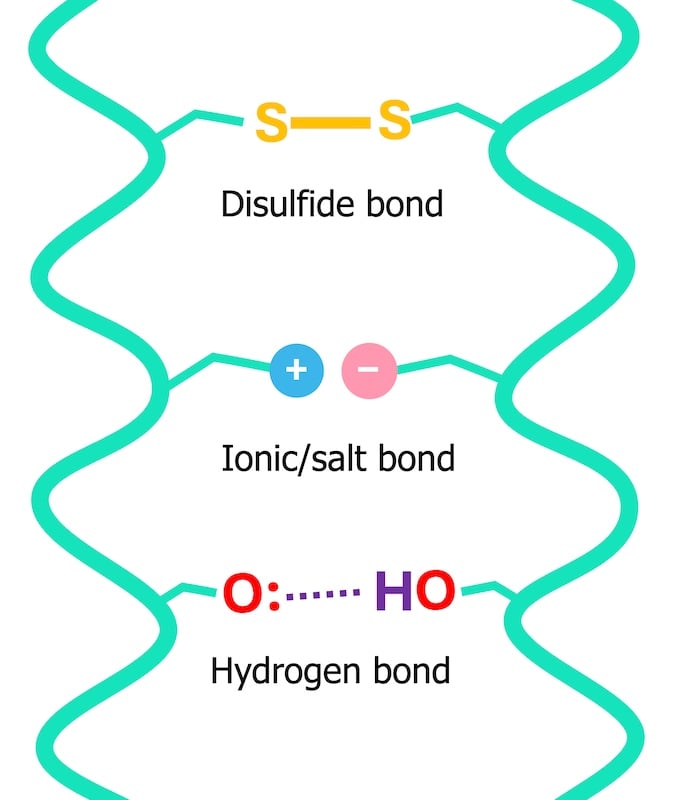
To truly grasp how water interacts with hair, one must first understand hair’s fundamental structure. Hair is primarily composed of keratin, a fibrous protein, organized into complex structures. These protein chains are held together by various chemical bonds, which are largely responsible for hair’s strength, shape, and elasticity. There are two main categories of these bonds: permanent and temporary. Permanent bonds, such such as disulfide bonds, are strong covalent linkages that determine the hair’s natural curl pattern and are only broken by chemical processes like perming or relaxing. Temporary bonds, however, are far more dynamic and play a significant role in how hair behaves daily. These include hydrogen bonds and salt bonds, which are weaker and can be easily disrupted by external factors like heat and, crucially, water.
In its dry state, the keratin proteins within the hair’s cortex (the innermost layer) form numerous temporary bonds with each other. These protein-to-protein connections act like a molecular glue, contributing to the hair’s stiffness and rigidity. This robust network of internal bonds gives dry hair its characteristic strength and ability to hold a set style. However, this strength comes at the cost of flexibility, making dry hair more prone to snapping or breaking under mechanical stress if it’s too brittle.
Water’s Dual Role: Weakener and Reshaper
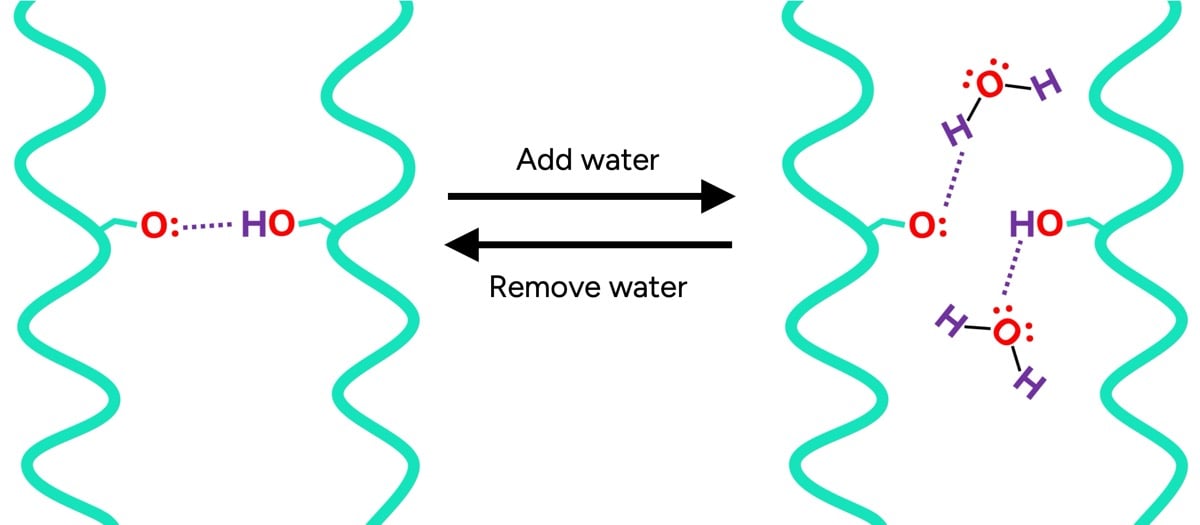
When hair encounters water, a fascinating molecular exchange occurs. Water molecules, being highly polar, are adept at forming hydrogen bonds. When water permeates the hair shaft, it competes with the existing protein-protein hydrogen bonds. The water molecules effectively interpose themselves between the keratin protein chains, forming new hydrogen bonds with the proteins. This process effectively displaces the protein-protein interactions, leading to a significant reduction in the number of temporary bonds holding the hair’s internal structure together.
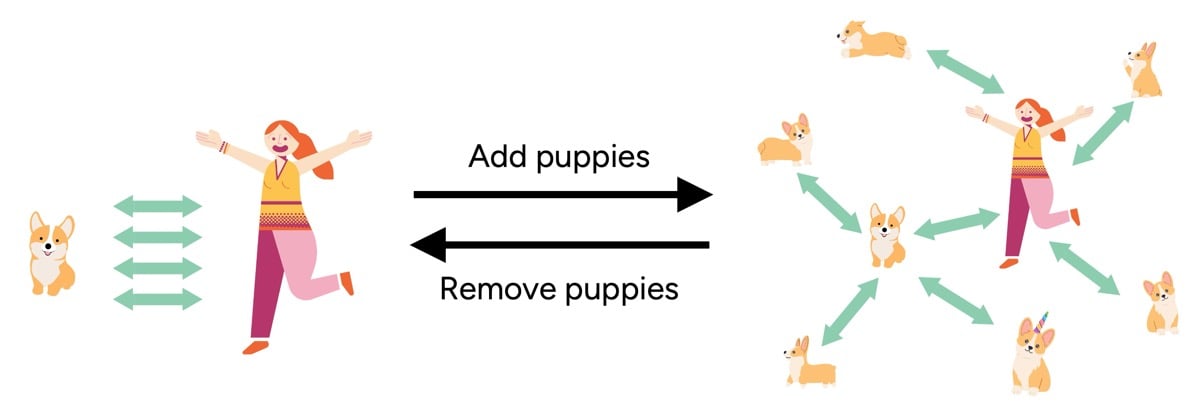
This disruption means that wet hair has considerably fewer internal bonds than dry hair. The immediate consequence is that wet hair becomes weaker and more elastic. It can stretch further before breaking, but it requires less force to break. This phenomenon can be likened to a group of friends holding hands tightly. If a crowd of new, friendly individuals (water molecules) enters the scene, the original friends might start holding hands with the newcomers instead of exclusively with each other, weakening their original bond. Once the crowd disperses (hair dries), the original friends can reconnect.
This dynamic interaction with water has profound implications for hair care. The increased elasticity of wet hair makes it more pliable and easier to manipulate, which is why styling often begins with damp hair. However, its weakened state also means it is more vulnerable to damage if handled improperly. The notion of "hygral fatigue," often cited as damage from repeated wetting and drying, is largely a misinterpretation. It’s not the water itself that causes damage, but rather the mechanical stress applied to hair when it is in its more fragile, wet state, particularly during aggressive combing or brushing. The key is gentle handling and appropriate products to mitigate this temporary weakness.
The "Hydrated" Hair Myth: Consumer Perception vs. Microscopic Reality
The haircare industry has long championed the concept of "hydrated hair," promising softness and shine through water-rich formulations. Yet, scientific studies and expert opinions often reveal a counterintuitive truth: hair that feels soft, smooth, and "healthy" to the touch often has lower water content than hair that feels rough, "dry," or damaged. This discrepancy highlights a fundamental disconnect between consumer perception and scientific reality, a gap often exploited by marketing.
A notable study, referenced in Cosmetics & Toiletries, involved asking 50 individuals to evaluate hair samples with varying water content. The overwhelming majority reported that hair with less water felt more moisturized, smoother, less tangled, and less damaged. This finding directly contradicts the popular notion that more water equals better hair feel.
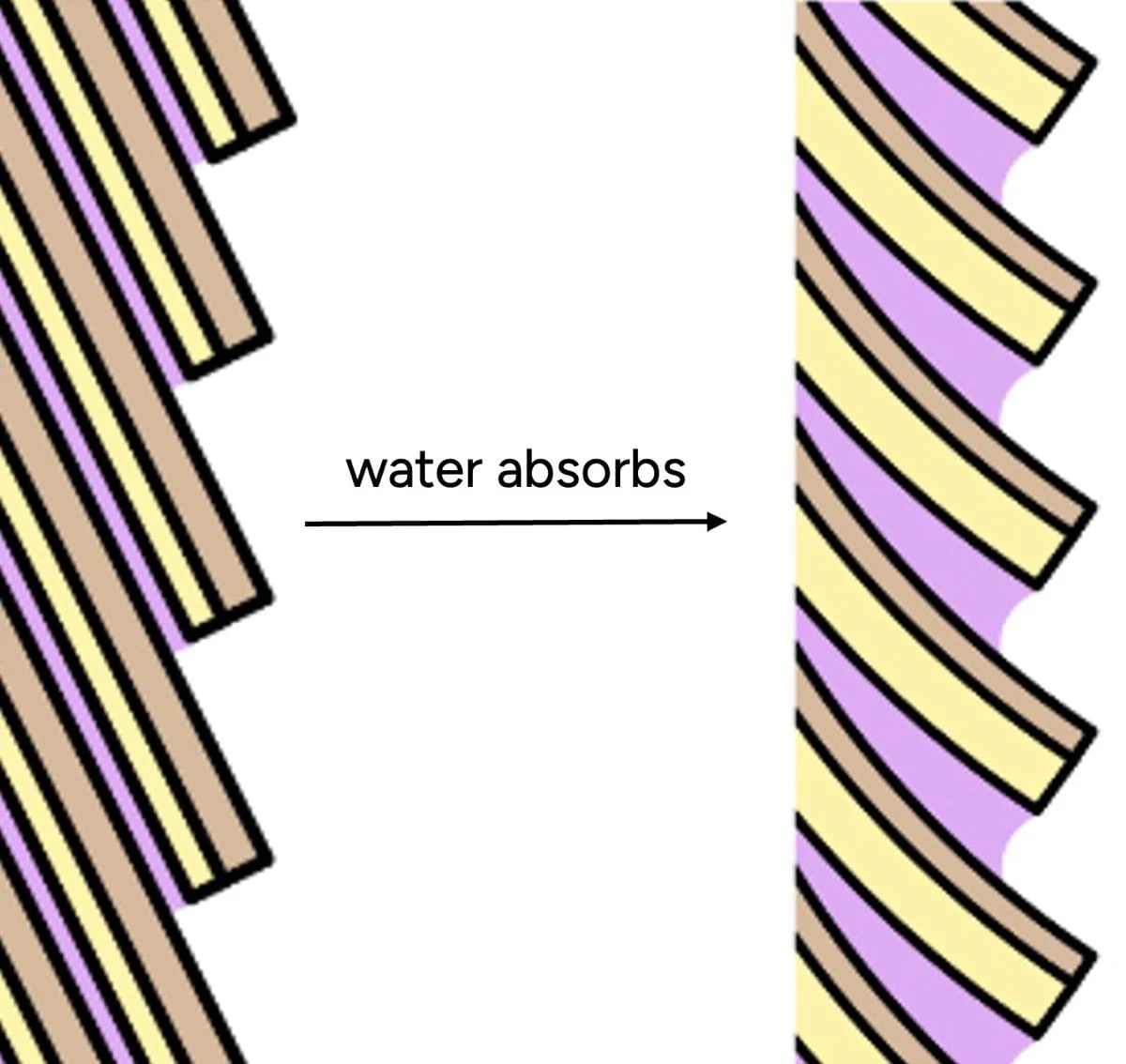
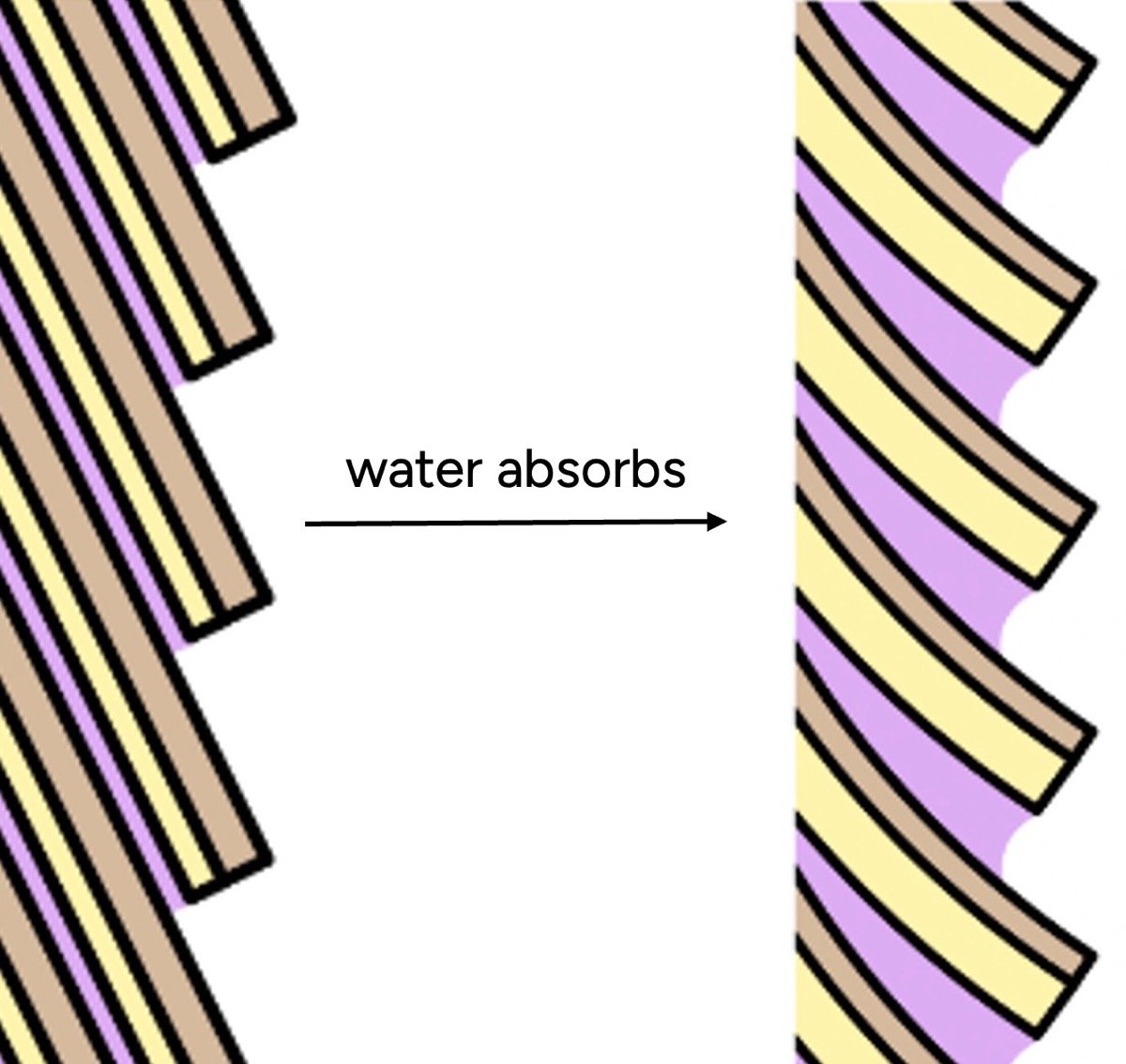
The explanation lies at the hair’s outermost layer: the cuticle. The cuticle consists of overlapping, scale-like cells that normally lie flat, creating a smooth surface that reflects light and feels soft. However, when hair absorbs water, these cuticle scales do not swell uniformly. The inner layers of each cuticle scale, known as the endocuticle, and the "glue" that binds the scales together, called the cell membrane complex, absorb significantly more water than the outer, more robust layers. This differential swelling causes the scales to lift and become more prominent, creating a surface that is microscopically bumpy and rough.
Furthermore, water itself introduces friction. Anyone who has wet their fingers to get a better grip on a slippery object understands water’s adhesive properties. On a microscopic level, this stickiness increases friction between hair strands and between hair and other surfaces. Consequently, hair with higher water content feels rougher and stickier to the touch. Our brains, accustomed to associating roughness and friction with dryness in other materials, mistakenly interpret this tactile sensation as "dryness" in hair, perpetuating the "hydration" myth. This phenomenon is supported by research such as that by Gamez-Garcia, which delves into the effects of moisture on cuticle structure and mechanical properties.
Optimizing Hair Care: Beyond Simple "Hydration"
Given these scientific insights, the focus of effective haircare shifts from merely "adding water" to strategically managing water interaction and enhancing hair’s surface properties. This is where conditioning products play a pivotal role. Most "hydrating" hair products are, in essence, conditioning treatments. Conditioners contain a blend of oily ingredients, such as silicones, fatty alcohols, and natural oils, which deposit a fine layer onto the hair cuticle. This layer performs several critical functions: it smooths down the lifted cuticle scales, reduces friction between strands, and creates a uniform, soft surface that feels "healthy" and appears shiny.
Undamaged hair naturally possesses an outer protective layer called the F-layer, a thin film of fatty acids that keeps the cuticle smooth and water-repellent. Damage from styling, chemicals, or environmental factors can strip away this F-layer. Conditioners effectively replicate this natural protective barrier, filling in gaps and providing a smoother, more resilient surface. Therefore, the "soft, smooth, moisturized" feeling commonly attributed to "hydration" is primarily a result of effective conditioning and surface modification, rather than a significant increase in internal water content.
Beyond surface effects, water serves several crucial functions in hair care:
-
Product Distribution: Water acts as an excellent solvent and spreading agent. When applied to wet hair, conditioning ingredients can be distributed more evenly across the entire hair shaft, ensuring comprehensive coverage and optimal performance. This is why rinse-off conditioners are typically more effective than leave-ins at achieving an initial smooth feel, as the water aids in their dispersion.
-
Shape Memory and Reset: Water is indispensable for resetting hair’s shape. Temporary bonds formed during heat styling (e.g., with a curling iron or straightener) or through environmental factors (e.g., humidity) are easily broken by water. When hair is washed, the influx of water molecules disrupts these bonds, allowing the hair to return to its natural configuration. This "reset" is vital for effective styling, as it provides a clean slate, allowing new styles to be set more effectively. This principle also explains why humidity can quickly ruin a carefully styled hairdo.
-
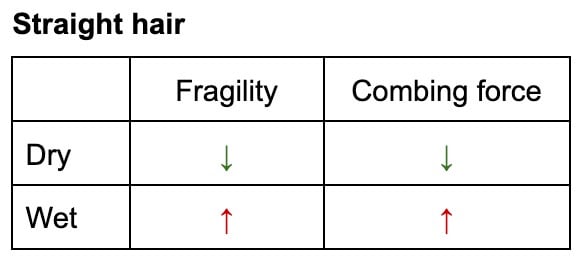
Curly and Coily Hair Dynamics: For individuals with curly or coily hair, water plays an additional, beneficial role in curl formation. Water’s surface tension encourages parallel alignment of hair strands. As water coats the hair, it creates a sticky film that helps individual strands "zip" together, a process known as self-assembly. This leads to the formation of well-defined curl clumps, which are highly desirable for enhancing natural curl patterns. These larger, aligned clumps can also contribute to the perception of "hydration" when dry. Their increased surface area in contact with the hand transfers heat more efficiently, making them feel colder and smoother than unaligned, frizzy hair, which our brains can interpret as a sign of moisture.
-
Microscopic Reshaping: Rapid or aggressive drying, particularly with high heat, can cause cuticle scales to dry unevenly and buckle, leading to a visibly rough surface. Similarly, excessive stretching (around 15% elongation) can also induce this buckling. Soaking hair in water and allowing it to dry naturally and slowly can help reset these buckled scales, restoring a smoother surface. This mechanism, highlighted in studies like Gamez-Garcia’s 2021 research, demonstrates water’s ability to facilitate microscopic structural adjustments.
Detangling Strategies: Tailoring to Hair Type
The impact of water on hair’s strength and friction also dictates optimal detangling practices, which vary significantly by hair type:
-
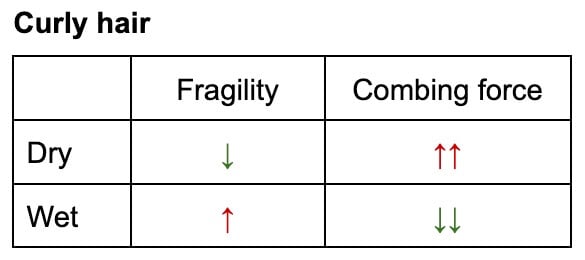
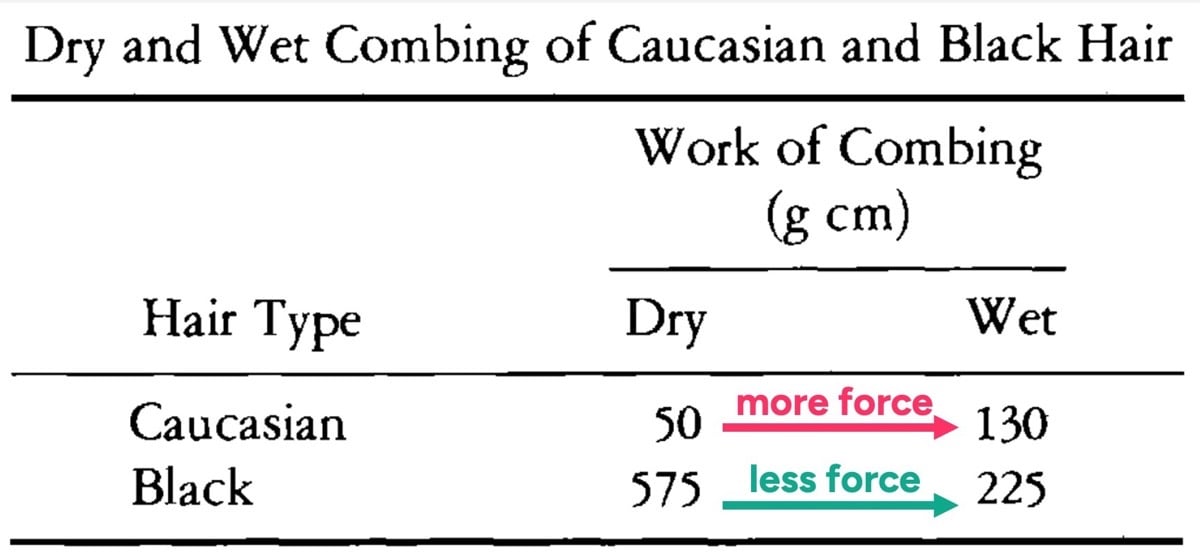
Straight Hair: For straight hair, detangling when wet is generally more damaging. As previously discussed, wet hair is weaker due to broken temporary bonds. Additionally, water increases friction between straight strands, making them more prone to tangling and resistance during combing. The combination of reduced strength and increased friction means that mechanical stress from detangling is more likely to cause breakage and cuticle damage. Studies, such as those by Epps and Wolfram in the 1980s, have shown increased combing forces and damage in humid or wet conditions for straight hair. Therefore, it is often advisable for individuals with straight hair to detangle when dry, or to use a generous amount of conditioner to reduce friction if detangling wet.
-
Curly and Coily Hair: Conversely, for curly and coily hair, detangling when wet is often less damaging. While wet hair is still weaker, the inherent structure of curls means that dry detangling can be extremely challenging, leading to significant breakage due to the interlocking nature of curls. When wet, the hair’s shape is looser, and the strands become more pliable. Water, along with a good conditioner, can significantly reduce the resistance and friction involved in separating curls, making the process smoother and causing less overall damage despite the hair’s temporary fragility. The benefits of reduced tangling and increased pliability often outweigh the temporary reduction in tensile strength.
Regardless of hair type, the consistent use of a high-quality conditioner is paramount when detangling, especially when wet. Conditioner coats the hair, providing lubrication that dramatically reduces friction and the force required to comb through knots, thereby minimizing mechanical damage.
The Ideal Water Balance: Avoiding Extremes
Just as with skin, where too much moisture can lead to fragility (think wrinkled skin after a long bath) and too little can cause stiffness and cracking, hair also has an ideal moisture content. This "sweet spot" ensures optimal strength, flexibility, and appearance.
Consequences of Too Much Water:
As elaborated, excessively wet hair is weaker, more elastic, and its cuticle scales are prone to lifting, resulting in a rougher feel and increased friction. While the concept of "hygral fatigue" (damage from repeated wetting and drying) is often cited, the primary concern is not the water itself, but the improper handling of hair in its vulnerable wet state. Aggressive brushing or towel-drying can inflict significant damage.
Consequences of Too Little Water:
Hair that is excessively dry also suffers negative effects:
-
Higher Static Build-up: In very low humidity environments (e.g., dry climates, airplanes), hair is more susceptible to static electricity. Hair loses electrons when it rubs against other materials, leading to an electrical charge imbalance that causes flyaways. Water acts as a conductor, helping to dissipate these electrical charges. Without sufficient water, static builds up more easily, making hair unruly.
-
Brittle and Less Shock Absorbent: When hair lacks adequate internal moisture, its temporary bonds become excessively strong and rigid. This makes the hair brittle and inflexible, similar to how dry nails are more prone to splitting compared to flexible wet nails. When dry hair is subjected to mechanical stress, such as brushing or styling, it lacks the flexibility to absorb the shock, leading to the formation of microscopic cracks that accumulate over time, eventually causing breakage. This lack of flexibility compromises hair’s structural integrity.
Practical Steps for Balanced Hair Moisture
Achieving the ideal water balance in hair is less about "hydrating" and more about intelligent care and protection. Several strategies can help hair maintain its optimal properties:
- Effective Conditioning: This remains the cornerstone of achieving the desired "soft, smooth" feel. Conditioners smooth the cuticle, reduce friction, and provide a protective layer, mimicking hair’s natural F-layer. Regular use is crucial, especially after shampooing.
- Leave-in Products and Oils: Leave-in conditioners and hair oils provide continuous lubrication and protection, helping to seal in moisture and prevent excessive water loss or absorption throughout the day. They can significantly improve manageability and appearance.
- Humectants: Ingredients like glycerin, hyaluronic acid, and panthenol are humectants, meaning they attract and hold water from the atmosphere into the hair shaft. Used judiciously, they can help maintain an optimal internal moisture level, preventing brittleness without causing excessive swelling.
- Occlusives and Emollients: Ingredients such as mineral oil, shea butter, and silicones act as occlusives, forming a barrier on the hair surface to prevent moisture loss. They also provide emollient benefits, softening and smoothing the hair.
- Gentle Handling: Always treat wet hair with extreme gentleness. Use a wide-tooth comb or your fingers, starting from the ends and working upwards. Avoid aggressive towel-drying; instead, gently squeeze out excess water with a microfibre towel.
- Controlled Drying Techniques: Avoid harsh, high-heat blow-drying, which can lead to rapid, uneven drying and cuticle buckling. Air drying or using a diffuser on a low-heat setting can help maintain cuticle integrity and prevent damage.
Conclusion: Empowering Consumers with Scientific Literacy
The scientific understanding of water’s interaction with hair reveals a far more complex picture than the simplified "hydration" narrative often presented. Water is neither inherently good nor bad for hair; rather, it is a powerful tool whose effects depend entirely on how hair is treated in its presence. It can weaken internal bonds, make the cuticle rough, and increase friction, yet it is also essential for flexibility, reshaping, and effective product distribution.
For consumers, the key takeaway is to shift focus from merely "hydrating" to strategically "conditioning" and "protecting" hair. The soft, smooth, and healthy feeling is primarily achieved by smoothing the hair’s cuticle and reducing friction through the use of conditioners and protective products, not by maximizing internal water content. Embracing gentle handling, especially when hair is wet, and tailoring detangling methods to specific hair types are crucial steps in preventing damage. By understanding the true science behind hair and water, individuals can make more informed choices about products and routines, leading to genuinely healthier and more resilient hair, free from the myths that often cloud the beauty industry.
