
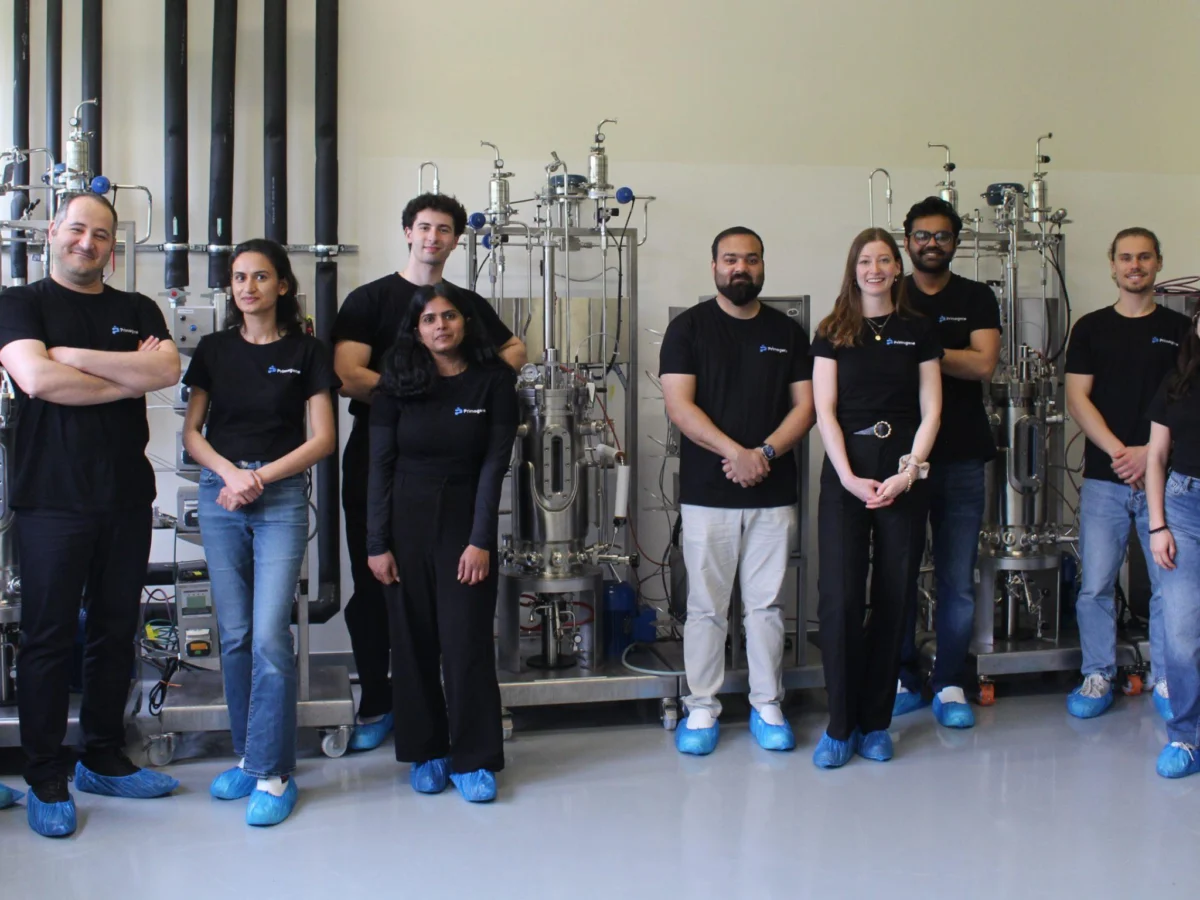
Leipzig, Germany – German biotech startup Primogene has successfully closed a seed funding round, raising €4.1 million ($4.8 million) to accelerate the commercialization of its innovative bioactive molecules. This significant investment, led by High-Tech Gründerfonds, with participation from Technologiegründerfonds Sachsen, Better Ventures, Sächsische Beteiligungsgesellschaft, Golzern Holding, FS Life Science Investment, and C-Lecta founder Marc Struhalla, will empower Primogene to scale its proprietary bioctalysis platform. This platform is designed to produce nature-identical, enzymatically synthesized biomolecules that can serve as functional replacements for ingredients in critical sectors like infant nutrition, elderly care, and personal care products.
Founded in 2023 by CEO Reza Mahour, COO Linda Karger, and Valerian Grote, Primogene emerged from a recognized need for more efficient and sustainable methods of producing complex biomolecules. The company’s core innovation lies in its bioctalysis platform, which leverages enzymes to precisely replicate the structure of naturally occurring molecules. This enzymatic approach offers a distinct advantage over traditional fermentation methods, which often face limitations in terms of cost, scalability, and the complexity of molecules they can produce.
The primary target for Primogene’s technology is the infant nutrition market, specifically the production of human milk oligosaccharides (HMOs). HMOs are a vital component of breast milk, playing a crucial role in infant development, immune system support, and gut health. Primogene’s focus includes challenging-to-produce HMOs such as 3′-sialyllactose (3′-SL), 6′-sialyllactose (6′-SL), and notably, disialyllactose N-tetraose (DSLNT), a structurally complex HMO with significant clinical benefits, particularly for premature infants.
"We are changing how biomolecules are produced and unlocking the scalable production of molecules that were previously too complex or too costly to access," stated Linda Karger, co-founder and COO of Primogene, in a LinkedIn post detailing the funding round. This sentiment underscores the company’s ambition to democratize access to these high-value biomolecules.
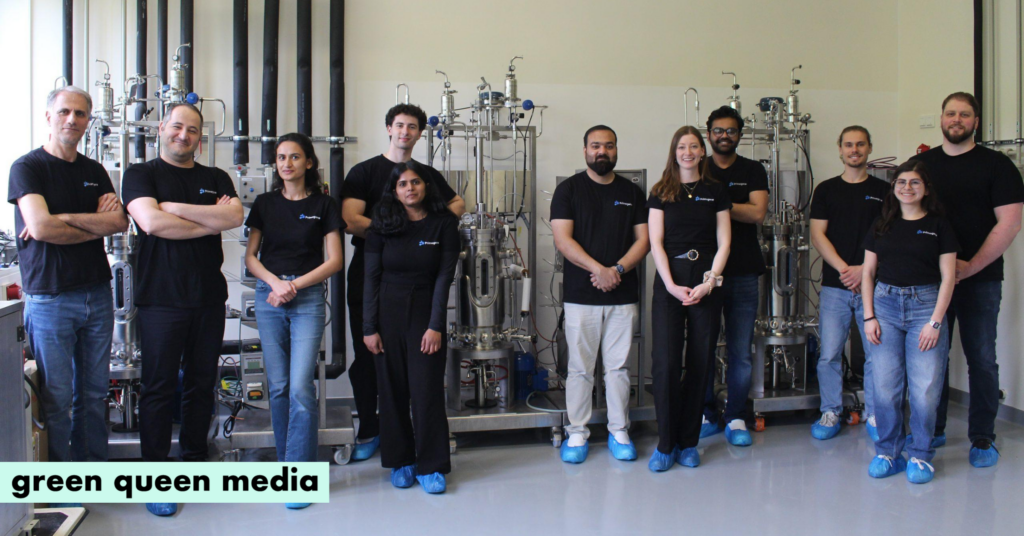
Overcoming Fermentation Bottlenecks with Enzymatic Innovation
The established methods for producing many functional ingredients, particularly complex oligosaccharides like HMOs, heavily rely on fermentation processes. While fermentation has been a cornerstone of biotechnology for decades, it presents several inherent challenges for the production of highly specific and intricate molecules. These challenges include lengthy production cycles, significant capital expenditure for bioreactors and downstream processing, susceptibility to contamination, and often, low yields for complex structures. Furthermore, fermentation can be energy-intensive and generate considerable waste streams, impacting its environmental footprint.
Primogene’s enzymatic synthesis platform circumvents these limitations. By employing tailored enzymes, the company can achieve highly specific reactions under milder conditions, leading to greater purity, higher yields, and reduced production times. This precision allows for the efficient and cost-effective manufacture of molecules that were previously economically unviable or technically prohibitive to produce at industrial scale.
"Enzymatic synthesis is the key to unlocking the next generation of complex bioactive molecules, and Primogene has developed concepts to efficiently produce several high-potential products," remarked Marc Struhalla, founder of C-Lecta and an investor in Primogene. His statement highlights the strategic importance of enzymatic biomanufacturing in advancing the field of functional ingredients.
The company has already developed scalable processes for DSLNT and a family of fucosylated lacto-N-tetraose molecules, including difucosyllacto-N-tetraose (DFLNT), the second most abundant HMO in human breast milk. The successful development of these specific HMOs is particularly timely, given the burgeoning global HMO market. Industry reports indicate that the HMO market is experiencing an annual growth rate of 18-20%. This surge is reflected in product launches, with over 65% of infant formula introductions in 2023 featuring one or more HMOs, underscoring a strong consumer and industry demand for these beneficial compounds.
Expanding Horizons: Beyond Infant Nutrition
While infant nutrition represents a significant initial focus, Primogene’s technological capabilities extend far beyond this sector. The company’s bioctalysis platform is versatile enough to produce a wide array of bioactive molecules with applications across multiple industries.
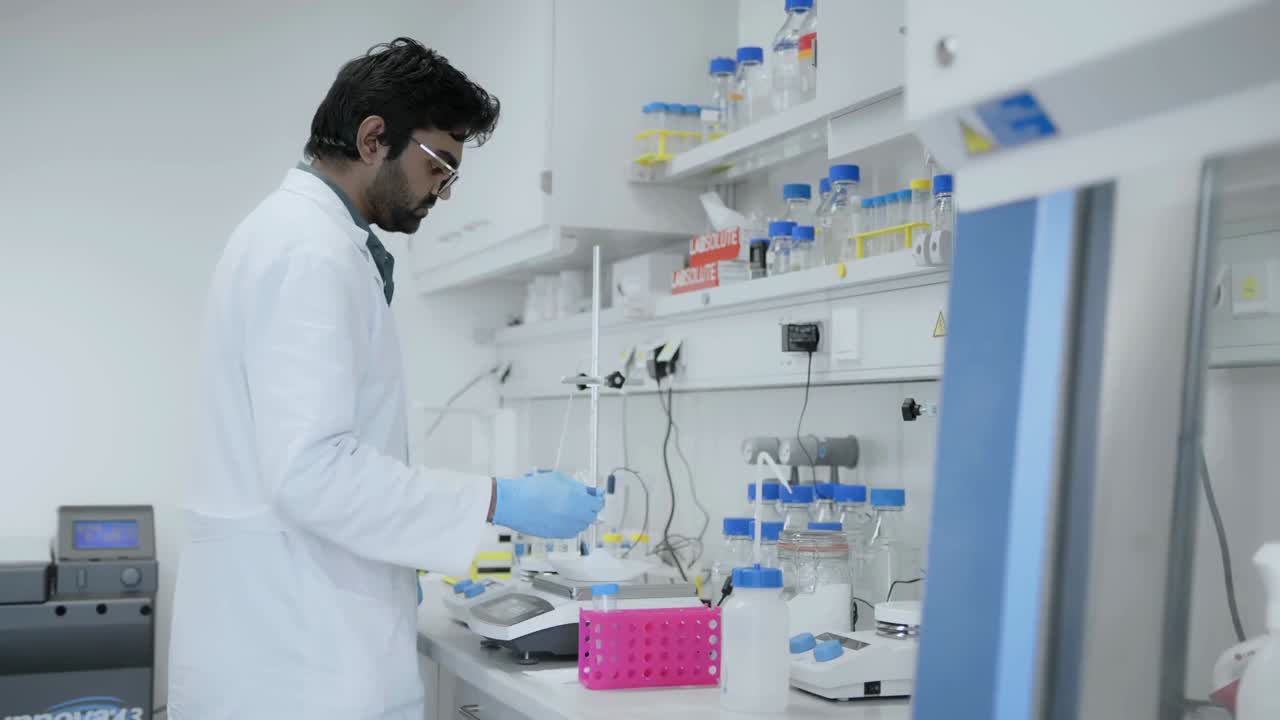
For the adult nutrition and wellness sectors, Primogene is developing biomolecules that can enhance gut health and cognitive function, catering to the growing demand for functional foods and supplements that support aging populations and proactive health management. In the personal care and cosmetics industry, these nature-identical molecules can serve as high-performance active ingredients, offering benefits such as improved skin hydration, anti-inflammatory properties, and enhanced anti-aging effects. The company has already established commercial partnerships within the personal care sector, with some active ingredients already making their way to market.
Furthermore, Primogene is contributing to the pharmaceutical and biopharma industries by supplying high-quality, precisely synthesized raw materials. This localized European production aims to bolster supply chain resilience and reduce reliance on distant manufacturing hubs. The entire value chain, from enzyme discovery and development to biotransformation and downstream purification, is meticulously managed at Primogene’s facility in Leipzig, ensuring stringent quality control and traceability.
The company’s pharmaceutical raw materials are currently undergoing evaluation by potential customers, with several collaborations reported to be in advanced stages of discussion. This indicates a strong interest from the pharmaceutical sector in the purity and consistency offered by Primogene’s enzymatic synthesis approach.
Strategic Partnerships and Future Growth
With the newly secured funding, Primogene is poised for significant expansion. A key strategic priority will be to forge joint development partnerships with leading infant formula manufacturers and functional food producers. These collaborations are crucial for bringing its portfolio of HMOs, including the high-impact DSLNT, to a wider consumer base.
Beyond commercial ventures, Primogene is actively engaged in scientific exploration and validation. A partnership with the Fraunhofer Institute for Cell Therapy and Immunology is underway to investigate the potential of its proprietary ingredients in preventing infectious diseases. Additionally, the company is working closely with neonatal intensive care units (NICUs) to monitor HMO concentrations in the breast milk of mothers who have delivered preterm infants. This research is invaluable for establishing clinically relevant dosing and optimal application strategies for HMOs in neonatal care, potentially leading to improved outcomes for vulnerable newborns.
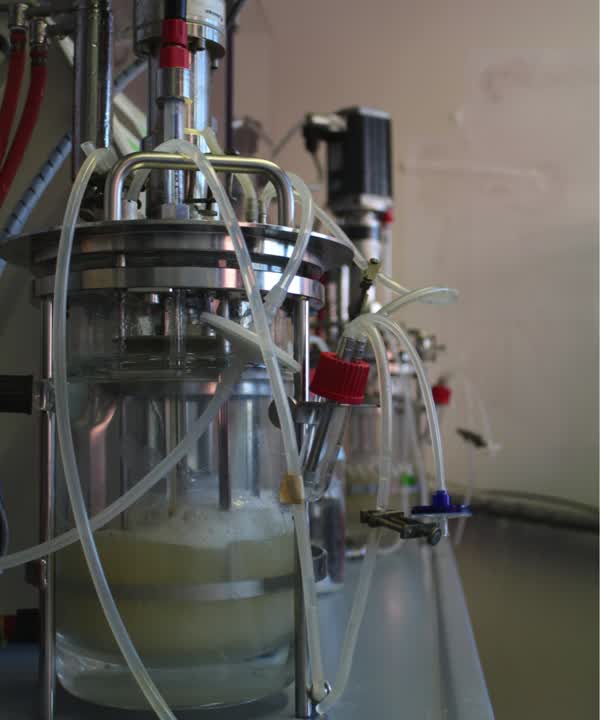
The €4.1 million infusion will be strategically allocated to several key areas. A significant portion will be dedicated to expanding production capacity at its Leipzig facility, enabling the company to meet projected market demand. Investment in strengthening its intellectual property (IP) portfolio will secure its technological advantage and provide a robust foundation for future innovation. The company also plans to grow its scientific and operational teams, bringing in top talent to drive research, development, and commercialization efforts. Finally, Primogene aims to broaden its consumer reach and accelerate strategic partnerships across its target markets, with infant nutrition remaining a primary focus for industrial product launches.
Stephan Ruck, an investment analyst at High-Tech Gründerfonds, expressed his confidence in Primogene’s potential: "Primogene combines deep scientific excellence with strong industrial relevance. They address a core challenge: the inefficient, expensive, and technically limited production of complex biomolecules using chemical or traditional fermentation methods. Their multi-enzyme platform unlocks complex biomolecules which were previously too costly or difficult to produce at scale. The team executes fast, listens to customer feedback, and already shows great traction. We are very happy about the financing round and look forward to the next steps."
This sentiment is echoed by other investors, who recognize the disruptive potential of Primogene’s technology. By offering a sustainable, efficient, and scalable method for producing high-value bioactive molecules, Primogene is well-positioned to become a significant player in the rapidly evolving landscape of functional ingredients for health, wellness, and personal care. The company’s strategic approach, combining scientific rigor with market-driven innovation, signals a promising future for its contributions to human health and well-being.
