
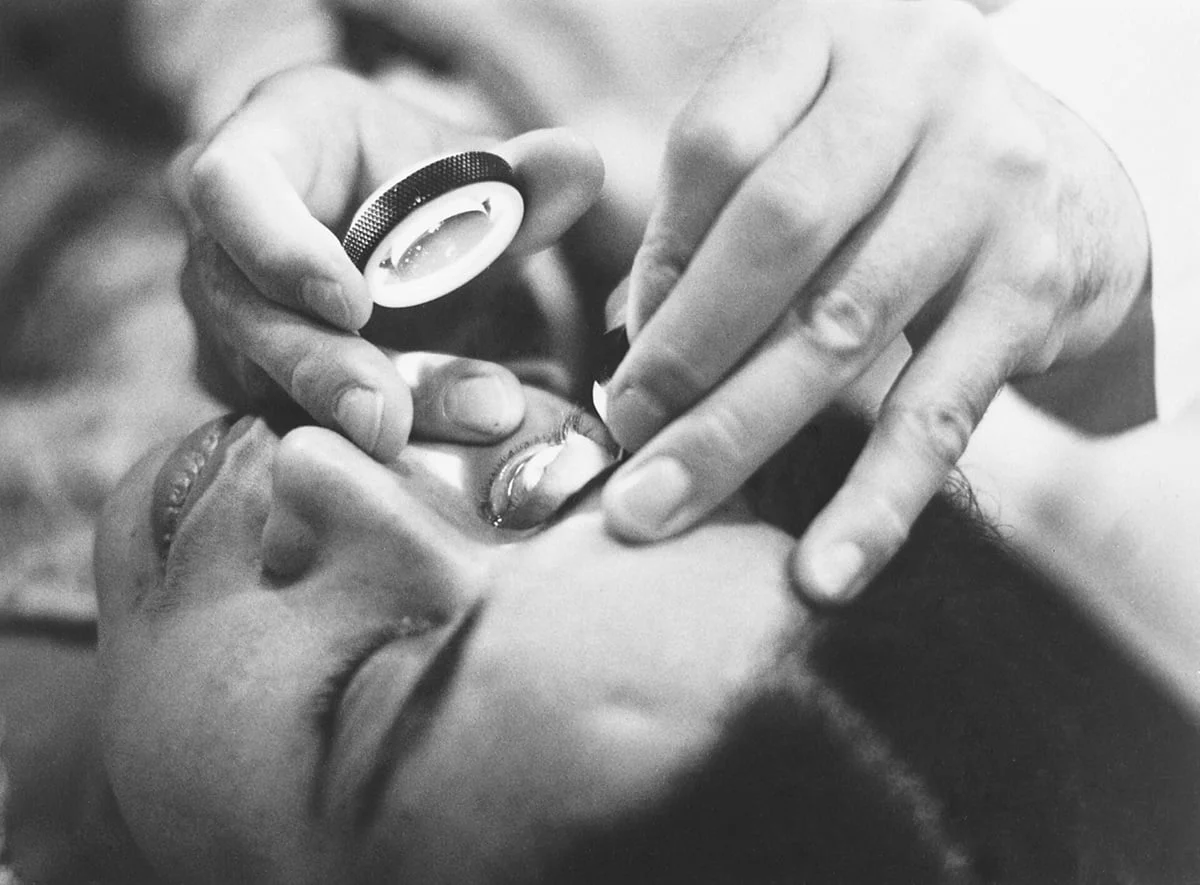
In a landmark development for global ophthalmology and infectious disease control, the World Health Organization (WHO) has officially recognized Algeria for having eliminated trachoma as a public health problem. This achievement marks a monumental step in the nation’s medical history, positioning Algeria as the 10th country within the WHO’s African Region and the 29th globally to reach this significant public health milestone. The validation serves as a testament to over a century of dedicated healthcare initiatives, ranging from colonial-era research to modern, decentralized public health strategies that have effectively neutralized the leading infectious cause of blindness on a national scale.
The Global Burden of Trachoma
Trachoma is a devastating eye disease caused by the bacterium Chlamydia trachomatis. It is categorized by the WHO as a neglected tropical disease (NTD) because it primarily affects the most impoverished and marginalized communities where access to clean water and sanitation is limited. The infection is hyper-endemic in many parts of the world, particularly in Africa, Asia, Central and South America, Australia, and the Middle East.
The transmission of the disease occurs through direct or indirect contact with discharge from the eyes and nose of infected individuals. This can happen through contaminated hands, shared clothing, or via "eye-seeking" flies (Musca sorbens) that breed in areas with inadequate waste management. If left untreated, repeated infections over several years lead to a condition called trachomatous trichiasis. In this advanced stage, the inner part of the upper eyelid becomes so severely scarred that the eyelashes turn inward, causing them to rub painfully against the eyeball with every blink. This mechanical friction results in corneal opacification, irreversible visual impairment, and eventually, total blindness.
On a global scale, the statistics remain sobering despite recent progress. Approximately 1.9 million people are currently blind or visually impaired due to trachoma. Latest figures indicate that 97 million people continue to live in endemic areas and remain at risk. The economic impact is equally profound; the loss of productivity due to blindness and visual impairment is estimated to cost the global economy billions of dollars annually, trapping entire families in a cycle of poverty and disability.
A Century-Long Journey Toward Elimination
Algeria’s victory over trachoma is not the result of a short-term campaign but the culmination of more than a hundred years of institutional commitment. The roots of this effort can be traced back to 1909 with the establishment of the Pasteur Institute of Algeria. In the early 20th century, the institute became a hub for studying infectious diseases, providing the scientific foundation for understanding the epidemiology of Chlamydia trachomatis in the North African context.
Following Algeria’s independence in 1962, the responsibility for the nation’s health shifted to a new generation of Algerian physicians. Among the most prominent figures was Professor Mohamed Aouchiche, whose leadership in ophthalmology helped modernize the country’s approach to eye care. The most significant structural shift occurred in 1974, when the Algerian government established a national public healthcare system that provided medical services free of charge to all citizens. This policy of universal health coverage was instrumental in ensuring that even the most remote Saharan populations could access screening and treatment for eye diseases.
Implementation of the SAFE Strategy
The core of Algeria’s success lies in its rigorous and sustained application of the WHO-recommended "SAFE" strategy. This multifaceted approach addresses both the immediate medical needs of infected individuals and the environmental factors that facilitate the spread of the bacteria.
- Surgery (S): Algeria focused on providing accessible surgical interventions for patients suffering from trachomatous trichiasis (TT). By training a robust network of ophthalmic surgeons and ensuring that these services were available in regional hospitals, the country was able to prevent the final progression to blindness for thousands of citizens.
- Antibiotics (A): The mass administration of antibiotics, specifically azithromycin, played a crucial role in reducing the reservoir of infection within communities. This required a massive logistical effort to reach nomadic and rural populations in the southern wilayas (provinces).
- Facial Cleanliness (F): Public health officials launched extensive awareness campaigns to promote personal hygiene. Educating families—particularly mothers and children—about the importance of regular face-washing proved to be a simple yet highly effective tool in breaking the chain of transmission.
- Environmental Improvement (E): Recognizing that trachoma is a disease of poverty, the Algerian state invested heavily in infrastructure. Improving access to potable water and implementing better sanitation and waste management systems reduced the fly population and improved overall community health.
The Final Offensive: Targeting the Southern Wilayas
While much of the country had seen a decline in cases by the turn of the millennium, trachoma remained a persistent threat in the vast desert regions of the south. In 2013, the Ministry of Health launched a targeted three-year strategy (2013–2015) to eliminate the disease in 12 specific wilayas: Adrar, Laghouat, Biskra, Béchar, Tamanrasset, Ouargla, El Bayadh, Illizi, Tindouf, El Oued, Naama, and Ghardaïa.
To manage this ambitious project, a National Expert Committee was established to oversee field operations. This period was characterized by "door-to-door" screening initiatives, ensuring that no household was left behind. In 2022, WHO-compliant surveys were conducted to verify the results. The data confirmed that the threshold for active trachoma elimination had been met across all surveyed areas. While three specific zones initially lagged behind the threshold for trachomatous trichiasis (TT) cases, a subsequent intensive screening and management program ensured that these areas also reached the required elimination standards.
In December 2025, the Algerian Ministry of Health finalized its comprehensive dossier for the WHO. The document provided exhaustive evidence of the country’s achievement, highlighting the strength of its school health systems, the reliability of its health information systems, and the widespread availability of specialized eye care.
Official Responses and Global Recognition
The validation has drawn praise from the highest levels of international public health leadership. Dr. Tedros Adhanom Ghebreyesus, the WHO Director-General, characterized the achievement as a "historic triumph." He noted that Algeria’s success "proves that with sustained political will and on-the-ground leadership from committed health professionals, we can eliminate neglected tropical diseases and build a healthier, more resilient future for all."
Dr. Mohamed Janabi, the WHO Regional Director for Africa, emphasized the human element of the victory. "Trachoma devastates individuals and communities profoundly," Dr. Janabi stated. "The milestone by Algeria is a major achievement that transforms the health and well-being of children, women, and entire families."
From the domestic perspective, Professor Mohamed Seddik Ait Messaoudene, Algeria’s Minister of Health, framed the validation as a "collective victory" resulting from nearly fifty years of national mobilization. He emphasized that the success was grounded in "equitable access to care and the improvement of living conditions," underscoring the state’s unwavering commitment to the health of its population.
Analysis of Implications and Future Outlook
The elimination of trachoma in Algeria carries significant implications for the broader North African and Sahelian regions. First, it serves as a "proof of concept" that large, geographically diverse countries with challenging desert terrains can successfully eliminate NTDs through decentralized healthcare and multisectoral coordination. Algeria’s model—combining specialized medical intervention with broad infrastructure development—offers a roadmap for other nations currently battling the disease.
Furthermore, this milestone contributes to the WHO’s "Road Map for Neglected Tropical Diseases 2021–2030," which aims to eliminate at least one NTD in 100 countries by the end of the decade. Algeria has now become the 62nd country globally to eliminate at least one NTD, and notably, trachoma is the first NTD to be officially eradicated as a public health problem within its borders.
However, the validation does not mean the work is over. The WHO recommends continued post-validation surveillance to monitor previously endemic populations. This is essential to ensure that there is no resurgence of the bacteria, particularly in border regions where migration and movement may introduce new cases. The WHO is currently collaborating with Algerian health authorities to maintain these surveillance mechanisms and integrate them into the existing national health information system.
The victory over trachoma also yields economic dividends. By preventing blindness, the Algerian government has preserved the labor capacity and independence of its citizens in the southern provinces. Children who might have previously lost their sight can now remain in school, and adults can continue to contribute to the local economy, thereby strengthening the socio-economic fabric of the Saharan wilayas.
Conclusion
Algeria’s validation for trachoma elimination is a landmark event that reflects the intersection of scientific rigor and political persistence. From the early research at the Pasteur Institute to the grueling door-to-door screenings in the Sahara, the journey has been one of endurance. As the 29th country to rid itself of this ancient scourge, Algeria provides a beacon of hope for the 30 countries where trachoma remains endemic. The achievement reinforces the global health community’s belief that through the SAFE strategy and universal health access, the "blinding plague" of trachoma can finally be consigned to the history books.
