
Wisconsin-based food technology startup Fudi Protein has successfully secured early-stage funding, marking a significant step towards commercializing its innovative alfalfa-based Rubisco protein. This novel ingredient is poised to offer a superior alternative to traditional egg whites, dairy products, and current plant-based protein offerings that are often deemed "subpar." The investment, led by global plant-based ingredient supplier Green Boy Group, will accelerate Fudi Protein’s mission to bring this highly abundant and sustainable protein source to the global market.
The core of Fudi Protein’s innovation lies in Rubisco, the most abundant protein on Earth, naturally found in the leaves of green plants. Unlike seed-based proteins that often dominate the plant-based market, Fudi Protein’s Rubisco is meticulously sourced from alfalfa. This choice is strategic, as alfalfa is a remarkably sustainable crop. It can be harvested for up to a decade, actively enriches soil through nitrogen fixation, and exhibits strong drought tolerance and climate resilience. This makes it an environmentally advantageous feedstock compared to many conventional agricultural crops.
Frederik Otten, co-founder of Green Boy Group, expressed strong confidence in Fudi Protein’s potential. "Alfalfa is a highly promising protein source," Otten stated. "Fudi Protein holds the key to unlocking its potential and bringing RuBisCO protein to market at scale." This endorsement from a key player in the plant-based ingredient supply chain underscores the perceived value and market readiness of Fudi Protein’s technology.
From Farm to Fork: A Circular Approach to Protein Production
Fudi Protein was founded in 2025 by Udi Lazimy, a seasoned professional with a background in supply chain and sustainability leadership at Eat Just, a pioneer in the plant-based egg market. Lazimy’s vision was to address the limitations of existing plant-based proteins by leveraging an underutilized, highly sustainable source. The company’s proprietary alfalfa extraction process is central to its economic viability and technological advancement.
Alfalfa boasts a remarkable protein density, offering approximately 50% more protein per acre than soy. Fudi Protein’s advanced extraction technology achieves an impressive 90% protein purity, setting a new benchmark for plant-based protein isolates. This high purity is crucial for replicating the functional properties of animal-derived proteins in food applications.
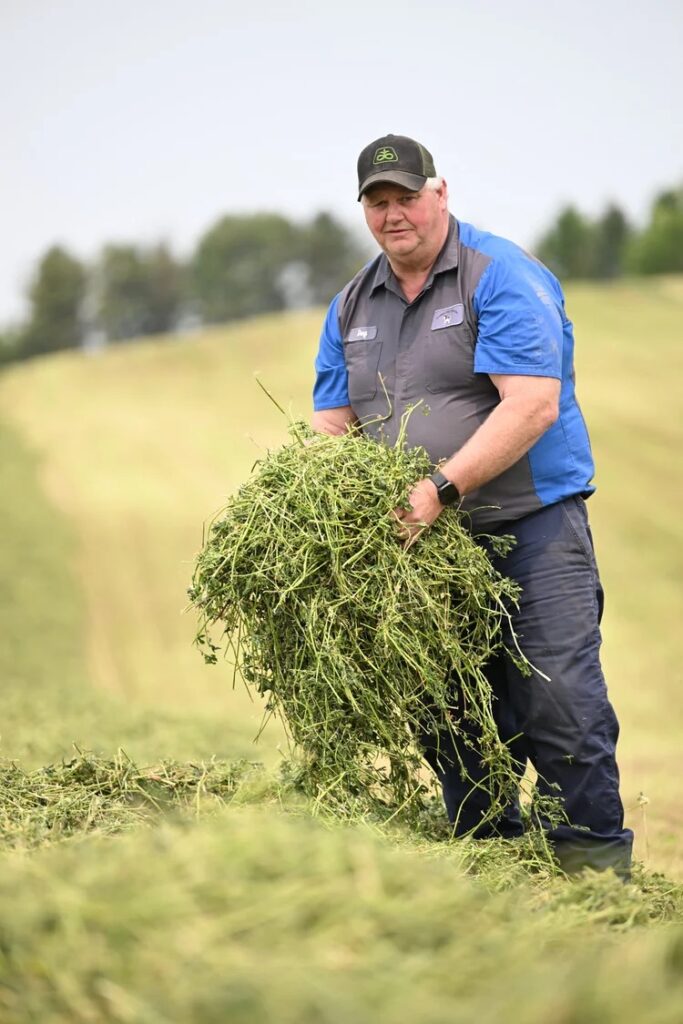
A cornerstone of Fudi Protein’s operational philosophy is its farm partnership model, designed to eliminate waste and create additional income streams for farmers. The company collaborates closely with agricultural partners, ensuring that every part of the harvested alfalfa plant is utilized. After the protein extraction process, the remaining biomass, rich in fiber, chlorophyll, and micronutrients, is not discarded. Instead, it is returned to local farmers. This nutrient-rich byproduct can be incorporated into animal feed, potentially reducing the climate footprint of livestock farming and offering farmers a new revenue source.
This localized, circular processing model distinguishes Fudi Protein from other plant-based protein producers. For instance, byproducts from yellow pea or rice protein extraction often consist of starches and fibers that must be sold at specific price points to ensure overall profitability. Fudi Protein’s integrated approach creates value from all plant components, enhancing its economic resilience and environmental credentials.
The resulting Rubisco protein is characterized by its neutral flavor and odor, and a clean white color. These attributes make it an ideal one-to-one replacement for egg whites, dairy proteins, and other plant-based proteins that may compromise taste, texture, or visual appeal in finished products. This versatility positions Fudi Protein to address a wide range of food industry needs, from bakery to dairy alternatives and beyond.
Addressing Market Disruptions and Environmental Imperatives
Fudi Protein’s launch comes at a critical juncture for the global food industry, particularly for the egg market. The world has been grappling with an escalating "egg crisis," exacerbated by recurring outbreaks of avian flu and Newcastle disease. These outbreaks have led to the culling of hundreds of millions of chickens worldwide, severely impacting global egg supply at a time when demand continues to rise.
This supply-demand imbalance has had significant economic consequences. Egg prices reached a decade-long high in Europe in the past year and shattered all-time records in the United States, with individual eggs fetching as much as $1 in some American cities. Fudi Protein’s Rubisco offers a stable, plant-based alternative that is not susceptible to such animal-borne diseases, providing much-needed supply chain security.
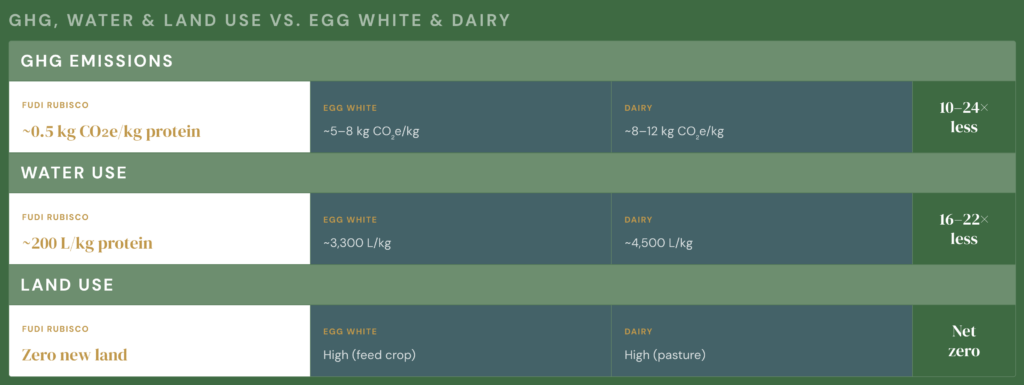
Beyond supply chain resilience, Fudi Protein’s Rubisco protein offers substantial environmental advantages. Its production boasts significantly lower environmental impact compared to conventional animal proteins. Associated emissions and water usage are reported to be up to 94% lower than eggs and an astonishing 96% lower than dairy. Furthermore, the valorization of alfalfa byproducts for cattle feed can directly contribute to reducing methane emissions from livestock, enabling dairy producers to lower their carbon footprint per liter of milk without incurring additional costs. This aligns with growing consumer and regulatory pressure for more sustainable food production practices.
The Rubisco Advantage: Nutritional Profile and Functional Versatility
Fudi Protein’s Rubisco protein is not only sustainable but also nutritionally robust. It contains all nine essential amino acids, crucial for human health, and boasts a Protein Digestibility Corrected Amino Acid Score (PDCAAS) nearing 1.0, indicating excellent bioavailability. Furthermore, it is free from common allergens such as soy, gluten, and nuts, making it a safe and inclusive ingredient for a broad spectrum of consumers.
The functional properties of Fudi Protein’s Rubisco are equally impressive, allowing for a wide range of applications:
- Bakery and Confectionery: It can enhance the texture and boost protein content in pasta and noodles. In cakes, meringues, macarons, and breads, it provides the adhesion, sheen, lift, and structure typically associated with egg whites.
- Dairy Alternatives: Its ability to form self-supporting gels at lower concentrations than whey or soy protein makes it ideal for high-protein plant-based milk, cheese, and yogurt products.
- Beverages and Nutritional Products: High solubility makes it a perfect base for ready-to-drink protein beverages and nutritional shakes.
- Snack Foods: Its protein density and neutral flavor profile are well-suited for protein bars, puffed snacks, and extruded food formats.
"We look forward to supporting Udi and his team through our resources, market knowledge, and international network," said Frederik Otten. "This innovation fits well within our long-term strategy and in our global distribution portfolio as it moves toward B2B commercialization." This indicates a clear pathway for Fudi Protein’s ingredient to reach manufacturers and consumers through Green Boy Group’s established channels.
Capitalizing on a Protein-Centric Consumer Shift
The investment in Fudi Protein aligns perfectly with a burgeoning trend in the United States: an escalating consumer focus on protein intake. A recent survey indicates that 57% of Americans are prioritizing protein in their diets in 2026. This surge in interest is being driven by several factors, including updated national dietary guidelines and the widespread adoption of GLP-1 receptor agonist medications.
The rise of GLP-1 medications, such as Ozempic and Wegovy, has had a profound impact on dietary habits. Individuals using these drugs often experience significant muscle mass loss (25-40% over 8-16 months) due to appetite suppression and altered metabolism. Consequently, many are increasing their protein and fiber intake to mitigate this effect and support overall health. Data suggests a rapid increase in the prevalence of GLP-1 users in the US, with their numbers rising from 10% in 2024 to an estimated 18% in 2025. A substantial portion of these users, around 40%, are actively consuming more protein.
Peter van Dijken, co-founder of Green Boy Group, highlighted the opportune timing of Fudi Protein’s market entry. "Rubisco protein is the holy grail amongst the proteins and enters the market at a time when consumer interest in protein is skyrocketing, driven in large part by the rise of GLP-1 users whose diets are shifting toward higher protein and fibre intake," van Dijken commented. He further emphasized the transformative potential of a complete and sustainable Rubisco protein that can compete with dairy and animal proteins in both cost and functionality.
A Competitive Landscape of Rubisco Innovation
Fudi Protein is not alone in recognizing the potential of Rubisco protein. Several other startups are actively innovating in this space, exploring various sources and applications:
- Plantible Foods: Utilizing duckweed as its source, Plantible Foods has achieved GRAS (Generally Recognized As Safe) status for its Rubi protein.
- Leaft Foods: This company also focuses on duckweed-based Rubisco, aiming for diverse food applications.
- Day 8: Operating from Israel, Day 8 is another player in the Rubisco protein market.
- Rubisco Foods: This entity is dedicated to the development and commercialization of Rubisco-based ingredients.
- Other Innovators: Companies such as Sustainable Planet, GreenOnyx, MicroTerra, DryGro, Ful Foods, Rinus & Hans, and Fyto are also contributing to the growing field of Rubisco protein innovation, exploring different plant sources and processing techniques.
The success of Fudi Protein and its competitors in bringing Rubisco to market at scale could herald a new era in plant-based nutrition, offering consumers more sustainable, nutritious, and functional protein options that can rival traditional animal-derived products. The early-stage funding secured by Fudi Protein signals strong investor confidence in this emerging protein category and its potential to reshape the future of food.
