
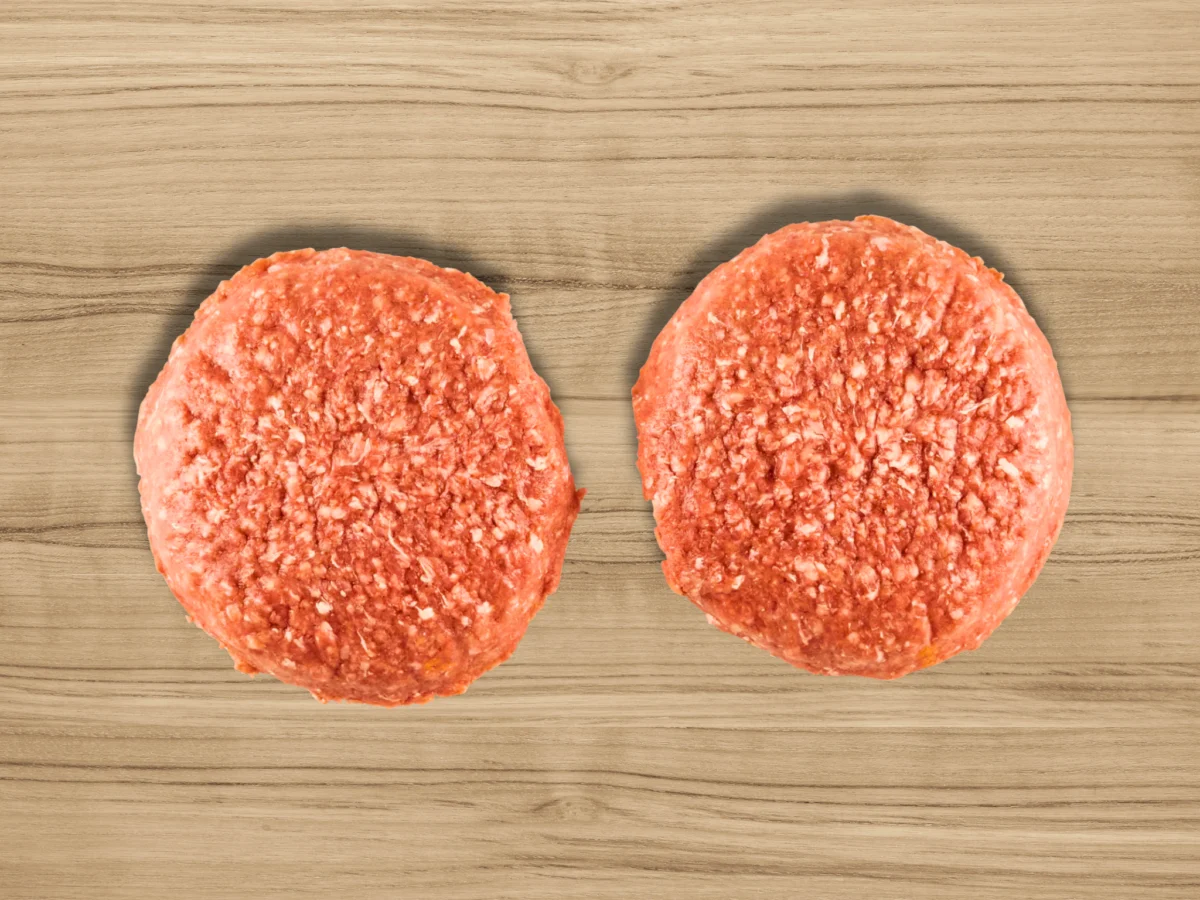
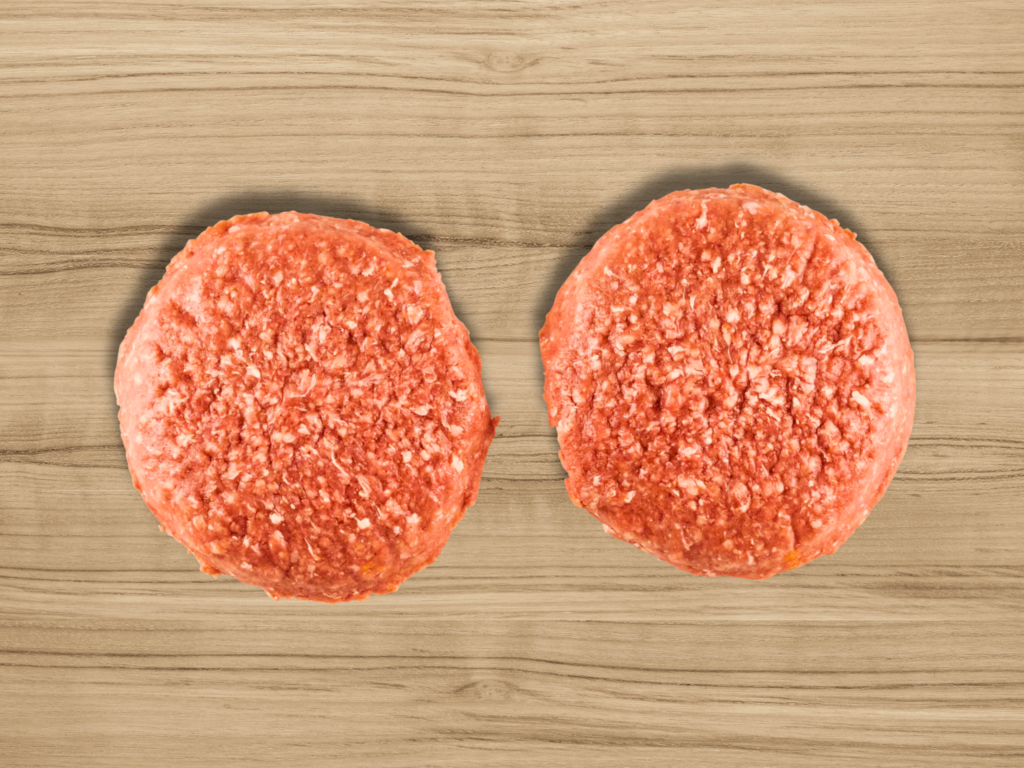
Rewe Group, a dominant force in Germany’s grocery landscape with the most extensive store network, has introduced a new blended burger, meticulously crafted with a 70% beef and 30% plant-based ingredient composition. This strategic move underscores the burgeoning trend of hybrid protein products and reflects a significant evolution in German consumer dietary habits, driven by economic, health, and taste considerations. The "Plant ‘n’ Beef" burger, produced in collaboration with meat company Willms, is now available nationwide in Rewe stores, retailing at €2.99 for a two-pack of 115g patties.
This latest offering marks Rewe’s strategic re-entry into the blended meat category, following its initial foray in 2021 with the "Better Half" burger and sausages, which featured a 50% meat and 50% vegetable blend. While those earlier products were eventually discontinued, the current market landscape for hybrid proteins has matured considerably, particularly within Europe. The "Plant ‘n’ Beef" burger, featuring textured fava bean flour as its plant-based component, represents a refined approach to blended meat, aiming to capture a wider consumer base seeking familiar taste profiles with reduced environmental and health impacts.
Nutritional analysis of the "Plant ‘n’ Beef" burger reveals a reduction in fat content, boasting nearly 30% less fat than 100% beef patties sold under Rewe’s "Butcher’s Burger" brand. The saturated fat content also sees a slight decrease, moving from 8g to 7g per serving in the blended product. While protein content is marginally lower (17% less than an all-beef patty), this is unlikely to be a concern for the German population, which is noted for its overconsumption of protein. A key selling point of the new hybrid burger is its competitive pricing. At €2.99 for two patties, it is significantly more affordable than Rewe’s own-brand organic burger, which retails for €5.69, nearly double the price of the hybrid alternative. This cost-effectiveness is poised to be a major driver for consumer adoption, especially in the current economic climate.
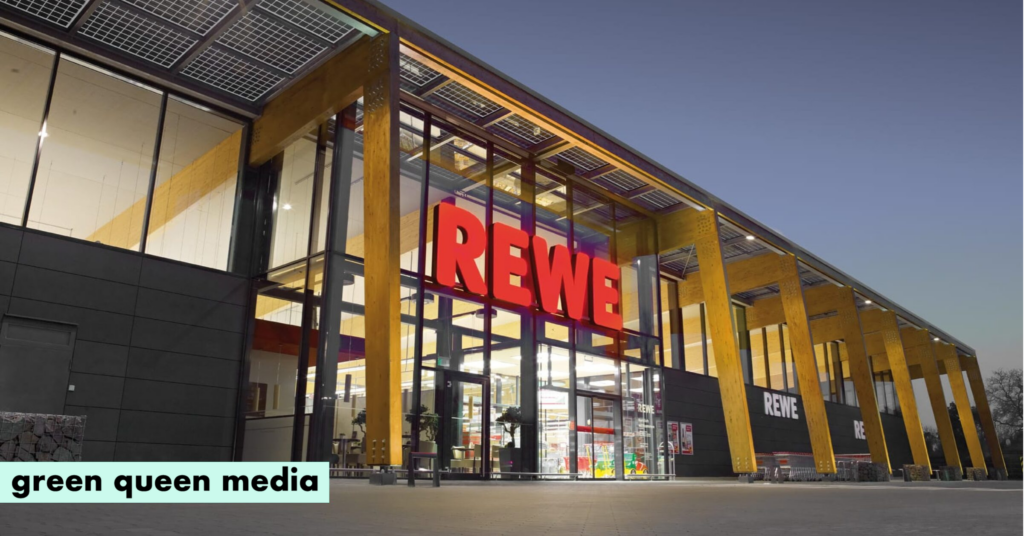
The introduction of the "Plant ‘n’ Beef" burger by Rewe aligns with broader shifts in German dietary patterns. Data from 2022 indicated that per capita annual meat consumption in Germany reached an all-time low of 52.8 kg. While this figure saw a marginal increase to 53.3 kg in 2024, it remains a substantial 13% lower than a decade prior. The decline is particularly pronounced in the consumption of red meats like pork and beef, signaling a growing disengagement with traditional meat products.
Simultaneously, there is a burgeoning demand for plant-based proteins. A recent survey revealed that half of German adults are actively seeking to modify their diets by either reducing meat intake or increasing their consumption of plant-based foods. The primary motivations cited for this dietary evolution are the high cost of meat (25%), concerns about health (24%), and evolving taste preferences (19%). Germany’s position as the second-largest market for vegan food globally, trailing only the United States, and its substantial flexitarian population—estimated at over two in five Germans—further underscore the receptiveness of the market to innovative plant-forward and hybrid protein options.
This trend is not isolated to Rewe. Last year, German startup Nosh.bio began offering a blended mince product in Berlin, combining fermented koji protein with beef at the canteen Speisemanufaktur Adlershof. Taste tests involving 800 participants showed a preference for the blended mince over pure beef, with 87% indicating they would consume it again, leading to its integration into the canteen’s regular menu. This success story highlights the growing acceptance and appeal of blended meat products, driven by taste and novelty.
Rewe’s strategic embrace of the blended meat market is also reflected in its broader plant-based protein strategy. The company aims to derive 60% of its sales from plant-based products by 2035, a target that stood at 54% in 2024. This commitment was further solidified by the opening of Rewe’s first fully vegan store in Berlin. The retailer has also actively lobbied the federal government to establish a national protein strategy, advocating for simplified regulations for novel foods, increased investment in protein diversification research, the removal of VAT on plant-based milk, and enhanced support for domestic plant protein production.
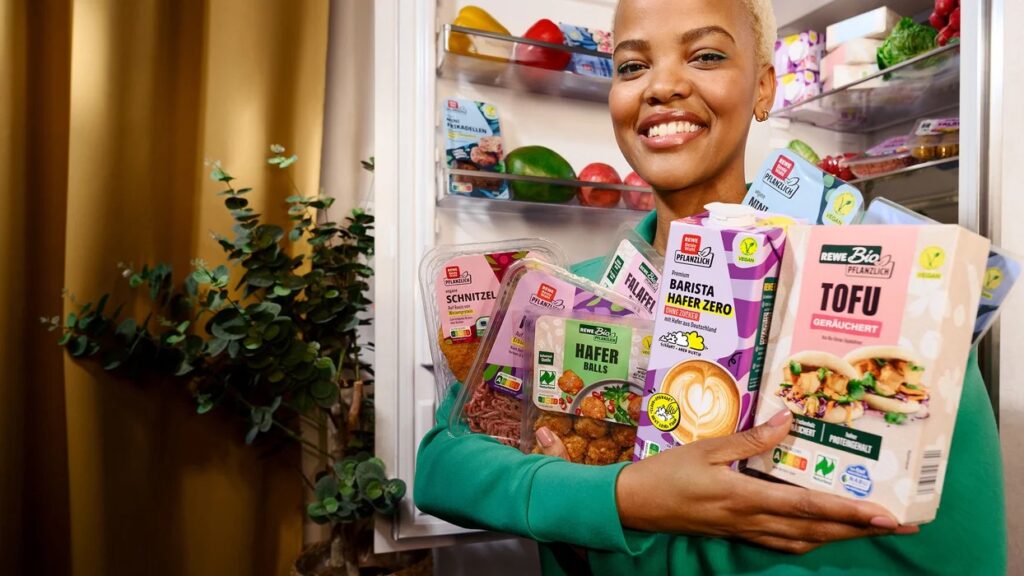
The rebranding of Rewe’s private-label vegan brands, "Rewe Bio + Vegan" and "Rewe Beste Wahl," with a prominent "Pflanzlich" (Plant-Based) tag, is another strategic move designed to enhance shelf appeal and clarity for consumers, particularly flexitarians. A company statement emphasized that the rebranding focuses on "enjoyment and quality" rather than deprivation, aiming to make the plant-based range more accessible and understandable to a broader audience.
The "Plant ‘n’ Beef" launch is consistent with a wider European trend. Major retailers across the continent have been actively incorporating hybrid protein products into their offerings. In the Netherlands and Belgium, Lidl and Aldi are both stocking hybrid proteins, alongside Albert Heijn and Colruyt Group. Sweden’s largest supermarket, ICA Gruppen, recently introduced meatballs made from a beef-mycoprotein blend by Smaqo. Even beyond Europe, Central Market in Texas offers blended meat products featuring Fable Food Co.’s shiitake mushrooms, demonstrating the global reach of this innovative food category.
The scientific and environmental rationale behind the 30% plant-based inclusion in Rewe’s burger is also noteworthy. Research suggests that replacing 30% of meat and dairy offerings with plant-based alternatives is a cost-effective strategy for German retailers to achieve climate targets without significantly impacting their bottom line. This approach offers a tangible pathway for large corporations to contribute to sustainability goals while catering to evolving consumer demands. The choice of textured fava bean flour as the plant-based component offers a familiar mouthfeel and protein source, making the transition for meat-eaters more palatable. Fava beans are also a sustainable crop, requiring less water and land compared to traditional animal agriculture, aligning with Rewe’s broader sustainability commitments.
The development of the "Plant ‘n’ Beef" burger represents a significant milestone in the maturation of the blended meat market. It signals a departure from the initial, more experimental phase of hybrid products to a more sophisticated and consumer-centric approach. By leveraging the established brand recognition of Rewe and collaborating with a reputable meat producer like Willms, the "Plant ‘n’ Beef" burger is positioned for widespread adoption. The product’s placement in the meat aisle, rather than a separate plant-based section, is a deliberate strategy to normalize hybrid proteins and appeal to consumers who are not exclusively vegetarian or vegan but are seeking to reduce their meat consumption without compromising on taste or convenience. This integrated approach acknowledges the significant portion of the population that identifies as flexitarian and actively seeks to balance their dietary choices.
The implications of Rewe’s move extend beyond immediate sales figures. It sets a precedent for other major grocery retailers in Germany and potentially across Europe. As consumer awareness of the environmental and health impacts of meat consumption grows, and as the cost of animal protein continues to be a significant factor for households, the demand for affordable, sustainable, and palatable alternatives is likely to surge. Blended meat products, like the "Plant ‘n’ Beef" burger, offer a pragmatic solution, bridging the gap between traditional meat consumption and the growing plant-based movement. They provide a familiar entry point for consumers hesitant to fully embrace plant-based diets, allowing them to gradually reduce their meat intake while still enjoying the taste and texture of a traditional burger. This incremental approach is often more sustainable in the long term than demanding abrupt dietary overhauls.
Furthermore, the success of "Plant ‘n’ Beef" could stimulate further innovation within the food industry, encouraging more companies to invest in research and development for blended proteins. This could lead to a wider variety of hybrid products, utilizing different plant-based ingredients and animal proteins, catering to diverse consumer preferences and dietary needs. The collaboration between traditional meat companies and plant-based ingredient suppliers, as exemplified by Willms and Rewe, is crucial for driving this innovation forward. It fosters a cross-pollination of expertise, leading to products that are not only nutritionally sound and environmentally responsible but also commercially viable and appealing to a broad consumer base. The future of food consumption in Germany, and increasingly worldwide, appears to be one where traditional animal products and innovative plant-based alternatives coexist and even merge, offering consumers a richer, more sustainable, and more affordable array of choices.
