
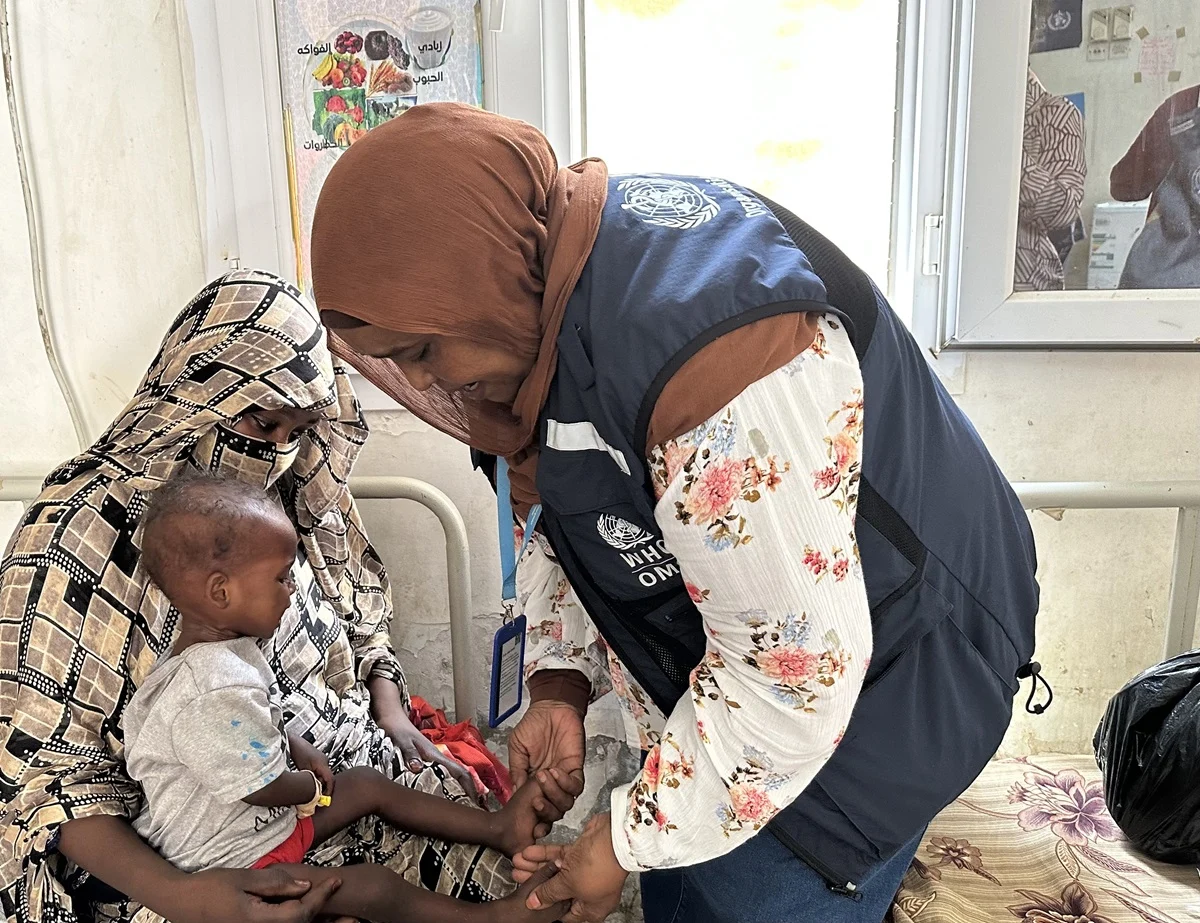
The Republic of Sudan has entered its third year of devastating internal conflict, a milestone that marks the evolution of the country into the world’s most significant humanitarian and displacement crisis. As the calendar turns to April 2026, the scale of the catastrophe has reached unprecedented levels, with the nation’s healthcare infrastructure largely in ruins and millions of citizens pushed to the brink of famine and systemic disease. While certain states have seen marginal improvements in stability, the health crisis is intensifying in active combat zones. In these regions, a lethal combination of escalating violence, rising malnutrition, and a near-total collapse of essential services has created a vacuum that international aid organizations are struggling to fill amidst a chronic shortfall in global funding.
According to the latest assessments from the World Health Organization (WHO) and partner agencies, nearly 34 million people—roughly 70% of the population—are currently in need of urgent humanitarian assistance. Of this staggering figure, 21 million individuals require immediate health interventions to survive. The situation is further exacerbated by a dire food security outlook; the Integrated Food Security Phase Classification (IPC) issued an alert in February 2026 estimating that over 4 million people are suffering from acute malnutrition. This nutritional deficit has left the population, particularly children and the elderly, highly susceptible to medical complications and a wide array of infectious diseases that the crippled health system is ill-equipped to manage.
A Chronology of Conflict and Systematic Decay
The current crisis traces its origins back to April 15, 2023, when long-simmering tensions between the Sudanese Armed Forces (SAF) and the Rapid Support Forces (RSF) erupted into open warfare in the capital city of Khartoum. What was initially characterized by many observers as a localized power struggle quickly metastasized into a nationwide conflagration, drawing in various ethnic militias and reopening old wounds in regions such as Darfur and South Kordofan.
By the end of 2023, the conflict had already displaced millions, making Sudan the home of the world’s largest internally displaced person (IDP) population. Throughout 2024 and 2025, the nature of the war shifted from concentrated urban battles to a war of attrition that targeted critical infrastructure. By 2026, the humanitarian corridor had become a patchwork of high-risk zones, where the delivery of food and medicine is frequently blocked by bureaucratic hurdles or active shelling. The three-year trajectory has seen the systematic dismantling of the middle class, the flight of medical professionals, and the destruction of the country’s manufacturing capabilities for essential pharmaceuticals.
The Collapse of Healthcare Infrastructure and Targeted Violence
The physical toll on Sudan’s healthcare system is perhaps the most visible indicator of the crisis. Data indicates that across the country’s 18 states, approximately 37% of health facilities remain non-functional. In regions directly impacted by the fighting, such as Greater Darfur and Khartoum, this figure is significantly higher, with some districts reporting a 100% loss of secondary and tertiary care capabilities.
The functionality of the remaining clinics is often precarious. Many operate without consistent electricity, running water, or basic surgical supplies. This decline is not merely a byproduct of collateral damage but is the result of what human rights organizations describe as a pattern of targeted violence. Since the outbreak of hostilities in 2023, the WHO has verified 217 separate attacks on healthcare assets. These incidents include the shelling of hospitals, the hijacking of ambulances, the looting of medical warehouses, and the detention or killing of medical personnel. These attacks have resulted in at least 2,052 documented deaths and 810 injuries, though the actual toll is believed to be significantly higher due to underreporting in remote areas.
A recent and tragic example of this trend occurred at the El Daein Teaching Hospital in East Darfur. As a critical referral center for hundreds of thousands of residents, its destruction has left a massive geographic void in medical coverage. The attack resulted in 64 confirmed deaths, including several children and healthcare workers, and rendered the facility entirely non-functional. Such losses force patients in need of life-saving interventions to undertake perilous journeys across front lines to reach the nearest functioning facilities, often resulting in death before care can be administered.
The Proliferation of Disease and the Malnutrition Crisis
As the formal healthcare system recedes, disease has filled the void. Sudan is currently grappling with widespread outbreaks of malaria, dengue fever, measles, and hepatitis E. Furthermore, the resurgence of polio (specifically circulating vaccine-derived poliovirus type 2, or cVDPV2) and diphtheria has raised alarms within the international public health community, as these diseases are typically controlled through routine immunization programs that have been severely disrupted by the war.
The geographical spread of these outbreaks is extensive, with reports emerging from Al Jazirah, Darfur, Gedaref, Khartoum, Kordofan, River Nile, and White Nile states. The situation is compounded by the malnutrition crisis. When a population is acutely malnourished—as 4 million Sudanese are projected to be throughout 2026—their immune systems are compromised, turning otherwise treatable conditions like diarrhea or respiratory infections into fatal illnesses.
The WHO worked extensively with the Federal and State Ministries of Health to manage two distinct cholera outbreaks since the war began. The most recent outbreak was only declared over in March 2026, following a grueling 12-month response effort. This campaign required the administration of oral cholera vaccines to 24.5 million people, a logistical feat achieved despite the ongoing security challenges. However, health officials warn that without improvements in water, sanitation, and hygiene (WASH) infrastructure, the risk of a third wave remains high.
Official Responses and International Advocacy
The leadership of the World Health Organization has been vocal in its condemnation of the violence and its call for a diplomatic resolution. Dr. Tedros Adhanom Ghebreyesus, WHO Director-General, emphasized the fundamental human rights at stake. "The war in Sudan is devastating lives and denying people their most basic rights, including health, water, food, and safety," Dr. Tedros stated. "The health system has been crippled, leaving millions without essential healthcare. Doctors and health workers can save lives, but they must have safe places to work and the medicines and supplies they need. Ultimately, the best medicine is peace."
Dr. Hanan Balkhy, the WHO Regional Director for the Eastern Mediterranean, echoed these sentiments, highlighting the long-term implications of the current trajectory. She noted that Sudan has become the world’s largest ongoing health crisis, characterized by a rapid decline in access to care even as the need for it skyrockets. Dr. Balkhy stressed that while immediate humanitarian support is vital, the country requires long-term solutions to prevent a total societal collapse.
On the ground, the response is led by figures like Dr. Shible Sahbani, the WHO Representative to Sudan. Dr. Sahbani pointed out that while the WHO has remained present since the conflict’s inception, the focus is now shifting toward a dual-track approach. "As access to some areas opens up, we are stepping up efforts to support early recovery and rehabilitation of the health system alongside the humanitarian response," he said. This includes not just providing emergency kits, but also attempting to restore national reference laboratories and the medical supply chain.
WHO Strategic Interventions and Operational Successes
Despite the restrictive environment, the WHO and its partners have recorded significant operational milestones. Since the conflict began in April 2023, the organization has successfully delivered over 3,300 metric tons of medicines and medical supplies. These shipments have included specialized equipment for trauma care, malaria treatments, and nutritional supplements for the treatment of severe acute malnutrition.
The scale of the WHO-supported intervention includes:
- Primary Care: Providing essential health services to more than 4.1 million people through a network of primary healthcare centers, mobile clinics, and surviving hospitals.
- Malnutrition Treatment: Supporting the clinical care of over 118,000 children suffering from complicated severe acute malnutrition, a condition that requires intensive medical supervision.
- Vaccination Campaigns: Reaching more than 46 million children and adults with vaccines for cholera, polio, diphtheria, measles, and rubella.
- Innovation in Crisis: Sudan became the first country in the region to integrate malaria vaccines into its routine immunization program during the conflict, a move aimed at curbing one of the country’s leading causes of mortality.
These efforts have been made possible through the financial contributions of international donors and development partners. However, the WHO continues to reiterate that current funding levels are insufficient to meet the growing demand, particularly as the cost of logistics rises due to the need for armored transport and complex delivery routes.
Broader Impact and the Path Forward
The implications of Sudan’s three-year war extend far beyond its borders. The mass displacement of millions into neighboring countries like Chad, Egypt, and South Sudan is straining the resources of the entire region, potentially destabilizing a broader swath of East Africa. The loss of a generation of students, the destruction of the agricultural sector, and the "brain drain" of professionals suggest that even if peace were achieved today, the recovery process would take decades.
The health crisis in Sudan serves as a grim case study in how modern warfare can systematically dismantle public health gains. The transition from a functioning state to one where 37% of hospitals are dark and 34 million people are in need is a warning of the fragility of modern infrastructure in the face of sustained civil conflict.
As the international community looks toward the remainder of 2026, the WHO’s call for action is three-fold: unrestricted and safe access for humanitarian workers to all areas of Sudan, the absolute protection of healthcare facilities and personnel under international law, and a massive increase in both emergency and long-term development funding. Without these elements, the "medicine" of peace will remain out of reach, and the death toll from preventable disease and hunger will continue to eclipse the casualties of the battlefield. The message from the ground is clear: while humanitarian aid can provide a temporary lifeline, only a cessation of hostilities can prevent the total dissolution of the Sudanese state and the continued suffering of its people.
