
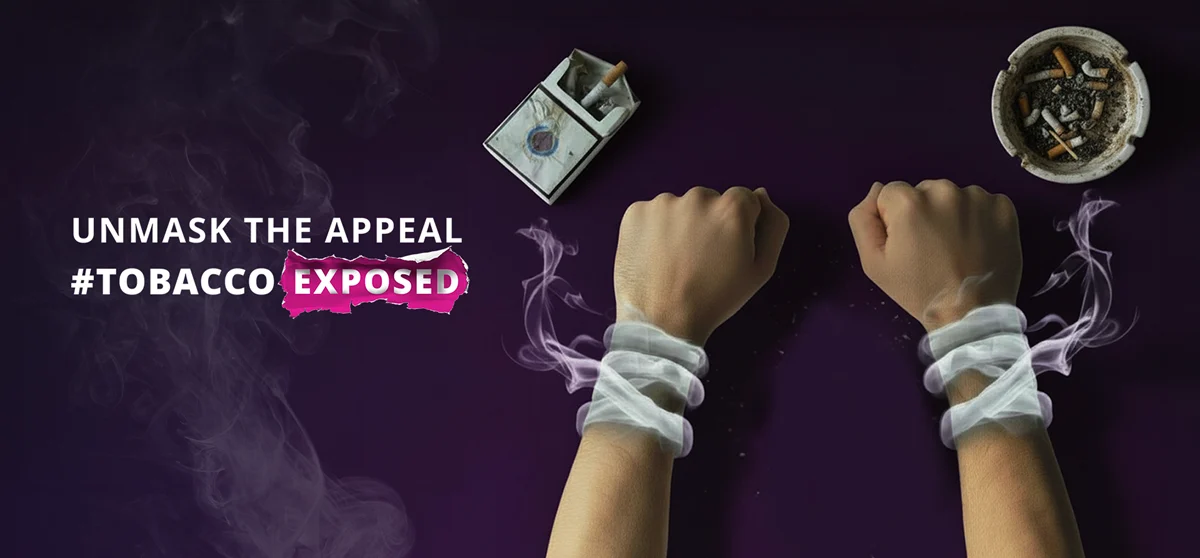
The World Health Organization (WHO) has issued an urgent call to action for governments across the globe to implement stricter regulations to protect children and adolescents from the predatory marketing tactics of the tobacco and nicotine industries. With World No Tobacco Day approaching on May 31, the international health body highlighted a disturbing trend: at least 40 million children aged 13 to 15 are currently using tobacco products. This figure, while staggering, does not fully account for the exponential rise in the use of e-cigarettes and nicotine pouches among even younger demographics, a phenomenon fueled by what the WHO describes as the deliberate engineering of products to ensure lifelong addiction.
The 2026 campaign for World No Tobacco Day focuses on the "next generation," emphasizing that while traditional cigarette consumption has seen a decline in some developed regions, the industry has successfully pivoted toward "harm reduction" narratives that mask the introduction of highly addictive alternative products. Dr. Etienne Krug, Director of the Department of Health Determinants, Promotion, and Prevention at the WHO, noted that the industry is reinventing its business model to maintain profitability at the expense of public health. According to Dr. Krug, the aggressive push for flavored e-cigarettes and nicotine pouches is a calculated strategy to hook young users whose brains are still in a critical stage of development.
The Evolution of Industry Tactics and Product Engineering
The WHO warning underscores a shift in how nicotine is delivered and marketed. Historically, the tobacco industry relied on mass media advertising and sponsorship of sporting events to build brand loyalty. In the modern era, these tactics have evolved into sophisticated digital campaigns. Nicotine pouches, one of the fastest-growing segments of the market, are frequently promoted through social media influencers who utilize lifestyle branding to make the products appear "clean," "modern," and "discreet."
Unlike traditional cigarettes, these new-generation products are often designed with "candy-like" flavors, including strawberry, watermelon, and mint, which are specifically engineered to appeal to the taste palettes of minors. Furthermore, the WHO reports that these products are often engineered to be easier to use and harder to quit. High concentrations of synthetic nicotine or nicotine salts allow for rapid absorption into the bloodstream, leading to a faster and more intense neurological "hit" than conventional tobacco. This is particularly dangerous for adolescents, as nicotine exposure during these formative years can permanently alter the development of the prefrontal cortex, the area of the brain responsible for attention, learning, mood, and impulse control.
Chronology of Tobacco Control and the Rise of New Nicotine Products
The fight against tobacco use has spanned decades, marked by significant milestones in international law and public health policy. To understand the current crisis, it is necessary to examine the timeline of global tobacco control:
- 2003: The WHO Framework Convention on Tobacco Control (FCTC) was adopted, becoming one of the most widely embraced treaties in UN history. It set the standard for tobacco taxes, advertising bans, and smoke-free environments.
- 2010–2015: The "Vaping Boom" began. E-cigarettes entered mainstream markets, initially marketed as cessation aids for adult smokers. However, a lack of regulation allowed these products to proliferate among non-smoking youth.
- 2020–2024: The emergence of nicotine pouches. These tobacco-free, white pouches are placed under the lip. Because they do not contain tobacco leaf, they frequently bypass existing tobacco legislation in many jurisdictions.
- 2025: A WHO report revealed that 160 countries lacked specific regulations for nicotine pouches, despite a global surge in sales.
- May 2026: The WHO intensifies its focus on "Protecting Children from Tobacco Industry Interference," leading up to World No Tobacco Day 2026.
This chronology illustrates a "cat-and-mouse" game between regulators and the industry. As soon as one product is regulated, the industry introduces a new variant that exists in a legal gray area. The current focus on nicotine pouches reflects the industry’s success in exploiting these legislative gaps.
Supporting Data: The Global Burden of Addiction
The human and economic toll of tobacco and nicotine remains one of the most significant challenges to global development. The WHO provides the following data to contextualize the scale of the issue:
- Mortality: Tobacco use is responsible for more than 7 million deaths annually. This includes deaths from direct tobacco use and exposure to second-hand smoke.
- Disease Linkage: Beyond lung cancer, tobacco is a primary driver of cardiovascular diseases, chronic obstructive pulmonary disease (COPD), and over 20 different subtypes of cancer.
- Economic Impact: The global economic cost of smoking is estimated at over $1.4 trillion per year, accounting for healthcare expenditures and lost productivity due to illness and premature death.
- Youth Prevalence: In some regions, the prevalence of e-cigarette use among teenagers now exceeds the rate of traditional cigarette smoking. The WHO estimates that children who use e-cigarettes are up to three times more likely to smoke cigarettes later in life.
The lack of regulation in 160 countries regarding nicotine pouches is particularly concerning. Without clear guidelines on age limits, nicotine concentration caps, or packaging requirements, these products are often sold alongside candy in convenience stores, further blurring the line between a hazardous substance and a consumer treat.
Official Responses and Global Success Stories
While the global outlook remains challenging, several jurisdictions have demonstrated that aggressive regulation can yield results. The WHO recently highlighted Rio de Janeiro, Brazil, as a model for local action. The city has implemented a comprehensive strategy to counter the rise of vaping and nicotine pouches. This included:
- Coordinated Inspections: Hundreds of inspections were carried out to ensure that retailers were not selling e-cigarettes, which are banned in Brazil.
- Legislation Expansion: The city updated its smoke-free laws to explicitly include all nicotine-delivery systems, ensuring that indoor public spaces remain truly vape-free.
- Public Awareness: Large-scale campaigns were launched to educate parents and educators about the hidden dangers of nicotine pouches, which are often difficult for adults to identify due to their discreet nature.
On May 19, 2026, the WHO recognized several global leaders with the World No Tobacco Day Awards. These awardees were honored for their roles in passing legislation that bans flavored products and restricts the ability of tobacco companies to sponsor events or use influencers for promotion. These success stories provide a blueprint for other nations currently struggling to update their legal frameworks.
Implications and Fact-Based Analysis
The current trajectory of nicotine consumption suggests a "renicotinization" of society. For decades, public health officials worked to denormalize smoking. However, the "lifestyle branding" of e-cigarettes and pouches threatens to re-normalize nicotine use by detaching it from the stigma of "smelly" smoke and stained teeth.
From a policy perspective, the primary challenge is the speed of innovation. The tobacco industry’s research and development budgets allow them to bring products to market faster than the legislative process can react. This creates a "regulatory lag" where millions of young people become addicted to a product before it is even legally defined in their country.
Furthermore, the environmental impact of these products is beginning to draw scrutiny. Disposable e-cigarettes and the plastic packaging of nicotine pouches contribute significantly to microplastic pollution and hazardous electronic waste. Analysis suggests that a comprehensive approach to tobacco control in the future will likely need to integrate environmental protection laws alongside public health mandates.
Recommendations for Future Governance
To effectively protect the next generation, the WHO recommends a multi-pronged approach for governments:
- Total Flavor Bans: Removing flavors that appeal to children is seen as the single most effective way to reduce youth initiation.
- Comprehensive Advertising Bans: This must include digital spaces, social media platforms, and the use of "brand ambassadors" or influencers.
- Universal Smoke-Free Laws: Legislation must be updated to treat e-cigarettes and nicotine pouches with the same severity as combustible tobacco.
- Taxation parity: Increasing taxes on all nicotine products to make them less affordable for minors, who are generally more price-sensitive than adults.
- Strengthened Enforcement: Laws are only effective if they are enforced. Governments must invest in the capacity of health inspectors and customs officials to track and seize illegal or non-compliant products.
As World No Tobacco Day 2026 approaches, the WHO encourages the world’s estimated 1 billion tobacco and nicotine users to utilize the date as a catalyst for quitting. The organization has provided a "Quitting Toolkit" to assist users in breaking the cycle of addiction. However, the overarching message remains clear: the responsibility for the nicotine epidemic lies not with the young users who have been targeted, but with the industries that profit from their addiction and the governments that have yet to implement the necessary protections.
The battle for the health of the next generation is at a critical juncture. Without immediate and decisive intervention, the progress made in tobacco control over the last twenty years risks being undone by a new wave of high-tech, flavored, and unregulated nicotine products. The WHO’s call to action serves as a final warning that "business as usual" is no longer an option for global public health.
