
Polycystic Ovary Syndrome (PCOS) remains one of the most prevalent endocrine disorders among women of reproductive age, affecting approximately 5% to 15% of the global female population. Characterized by hormonal imbalances, irregular menstrual cycles, and the presence of small cysts on the ovaries, the condition is frequently underpinned by a systemic metabolic dysfunction known as insulin resistance. In recent years, medical researchers and nutritional experts have increasingly turned their attention to the ketogenic diet—a high-fat, moderate-protein, and very-low-carbohydrate nutritional protocol—as a potential therapeutic intervention for managing the complex symptoms of PCOS.
The ketogenic diet, often abbreviated as the "keto" diet, is not a modern invention but a metabolic tool that has existed in various clinical forms, such as the Atkins Diet and Low Carb High Fat (LCHF) protocols. Its primary objective is to shift the body’s metabolism away from the utilization of glucose (sugar) and toward the utilization of ketones (fats). For women diagnosed with PCOS, this metabolic shift addresses the root cause of many symptoms: hyperinsulinemia. By significantly reducing the intake of dietary carbohydrates, the body’s demand for insulin drops, which in turn can mitigate the overproduction of androgens by the ovaries, leading to a stabilization of the hormonal profile.
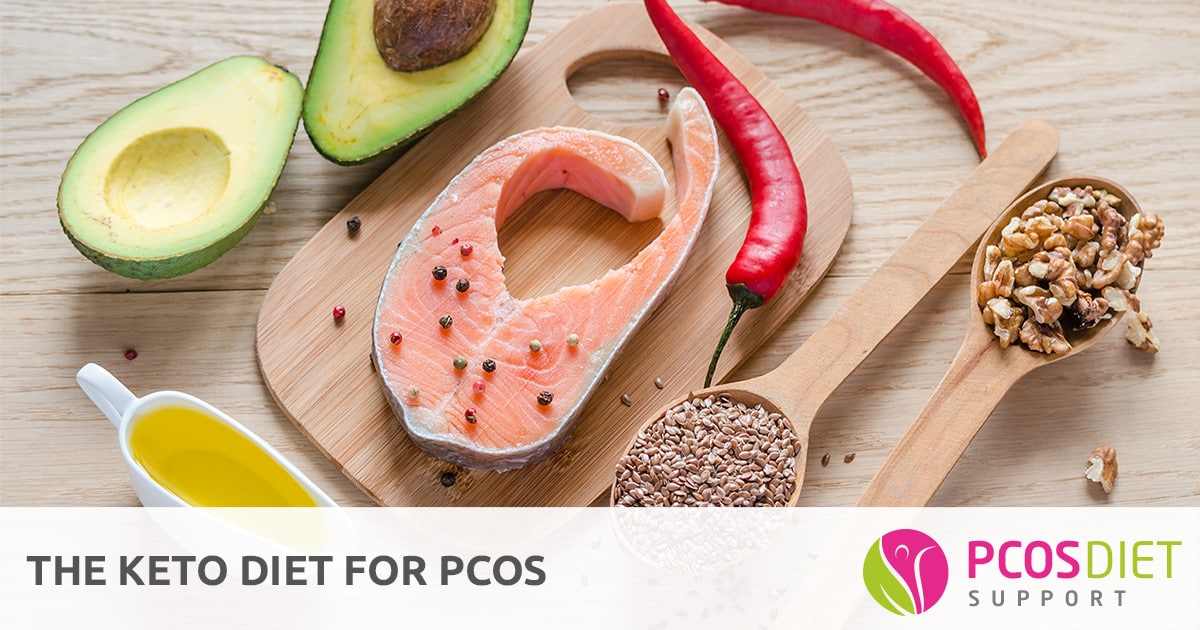
The Pathophysiology of PCOS and the Insulin Connection
To understand why the ketogenic diet is considered an effective intervention for PCOS, it is necessary to examine the physiological relationship between insulin and reproductive hormones. Most women with PCOS exhibit some degree of insulin resistance, a condition where the body’s cells become less responsive to insulin. To compensate, the pancreas produces even higher levels of the hormone.
In the female reproductive system, high levels of circulating insulin act synergistically with luteinizing hormone (LH) to stimulate the theca cells in the ovaries. This stimulation results in the excess production of testosterone. Elevated testosterone levels are responsible for the clinical manifestations of PCOS, including hirsutism (excess hair growth), male-pattern baldness, and persistent acne. Furthermore, high insulin levels inhibit the production of Sex Hormone-Binding Globulin (SHBG) in the liver, which further increases the amount of free, active testosterone in the bloodstream.
The ketogenic diet operates on the principle of metabolic flexibility. Dr. Jason Fung, a prominent nephrologist and author specializing in metabolic health, often employs the "refrigerator and freezer" analogy to describe this process. In this model, glycogen (stored glucose) acts as a kitchen refrigerator—it provides easy, immediate access to energy but has limited capacity. Conversely, body fat acts as a large basement freezer—it stores vast amounts of energy but is difficult to access as long as the "refrigerator" is constantly being restocked with carbohydrates. By restricting carbs, the body is forced to "empty the refrigerator" and begin drawing energy from the "freezer," thereby burning stored body fat and lowering systemic insulin levels.

Clinical Evidence and Chronological Research
The application of low-carbohydrate diets for PCOS has been documented in clinical literature for over two decades. A landmark study published in 2005 in the journal Nutrition & Metabolism investigated the effects of a ketogenic diet on women with PCOS over a six-month period. The findings were significant: participants who adhered to a diet of less than 20 grams of carbohydrates per day experienced a 12% reduction in total body weight, a 22% reduction in fasting insulin, and a nearly 30% reduction in free testosterone levels.
Chronologically, the evolution of PCOS management has shifted from a purely reproductive focus to a metabolic one. In the 1990s, the primary treatment was often the birth control pill to regulate cycles. By the early 2000s, the use of Metformin, a diabetes medication, became common to address insulin issues. The current era of treatment now emphasizes nutritional therapy, with the ketogenic diet positioned as a high-potency intervention for those who do not respond to standard low-glycemic diets.
Therapeutic Benefits: Beyond Weight Management
While weight loss is the most visible outcome of a ketogenic protocol, the systemic benefits for PCOS patients extend into several critical areas of health:

Appetite Regulation and Satiety
One of the primary hurdles in PCOS management is "disordered hunger." High insulin levels often lead to rapid blood sugar crashes, which trigger intense cravings for sugar and refined carbohydrates. Research indicates that the ketogenic diet alters the signaling of hunger hormones such as ghrelin and cholecystokinin. The high fat content of the diet promotes satiety, allowing patients to maintain a caloric deficit without the psychological burden of constant hunger.
Dermatological Improvements
PCOS-related acne is driven by high levels of Insulin-like Growth Factor 1 (IGF-1). High insulin levels lower the concentration of IGF-1 binding proteins, leaving more free IGF-1 to stimulate sebum production and inflammation in the skin. By suppressing insulin, the ketogenic diet naturally boosts binding proteins, leading to a noticeable reduction in cystic acne and skin oiliness.
Cardiovascular Health and Lipid Profiles
Women with PCOS carry a higher lifetime risk for cardiovascular disease. Contrary to the misconception that high-fat diets damage the heart, clinical data shows that a well-formulated ketogenic diet often improves the lipid profile. Studies have observed increases in High-Density Lipoprotein (HDL) cholesterol—the "good" cholesterol—and a reduction in triglycerides, which are closely linked to heart disease and stroke.

Potential Risks and Physiological Challenges
Despite its clinical efficacy, the ketogenic diet is not without complications. The transition into ketosis involves a significant physiological shift that can produce short-term side effects, commonly referred to as the "Keto Flu." Symptoms include headaches, nausea, fatigue, and irritability, usually occurring within the first 72 hours of carbohydrate restriction. These symptoms are primarily caused by the excretion of electrolytes (sodium, magnesium, and potassium) as the body sheds excess water weight.
Furthermore, gastrointestinal issues such as constipation are frequently reported. This is typically the result of a decrease in dietary fiber as individuals eliminate grains and certain fruits. To mitigate this, clinicians recommend a high intake of non-starchy, fibrous vegetables such as kale, spinach, and broccoli.
A more significant concern involves thyroid function. The conversion of the thyroid hormone T4 into its active form, T3, requires a certain level of insulin. For women with co-existing conditions like Hypothyroidism or Hashimoto’s Thyroiditis—both of which are statistically more common in the PCOS population—an aggressive ketogenic diet may lead to a slowdown in metabolic rate. In such cases, a more moderate carbohydrate intake, ranging from 50 to 100 grams per day, is often recommended over the strict 20-gram limit required for deep ketosis.

Implementation and Sustainability
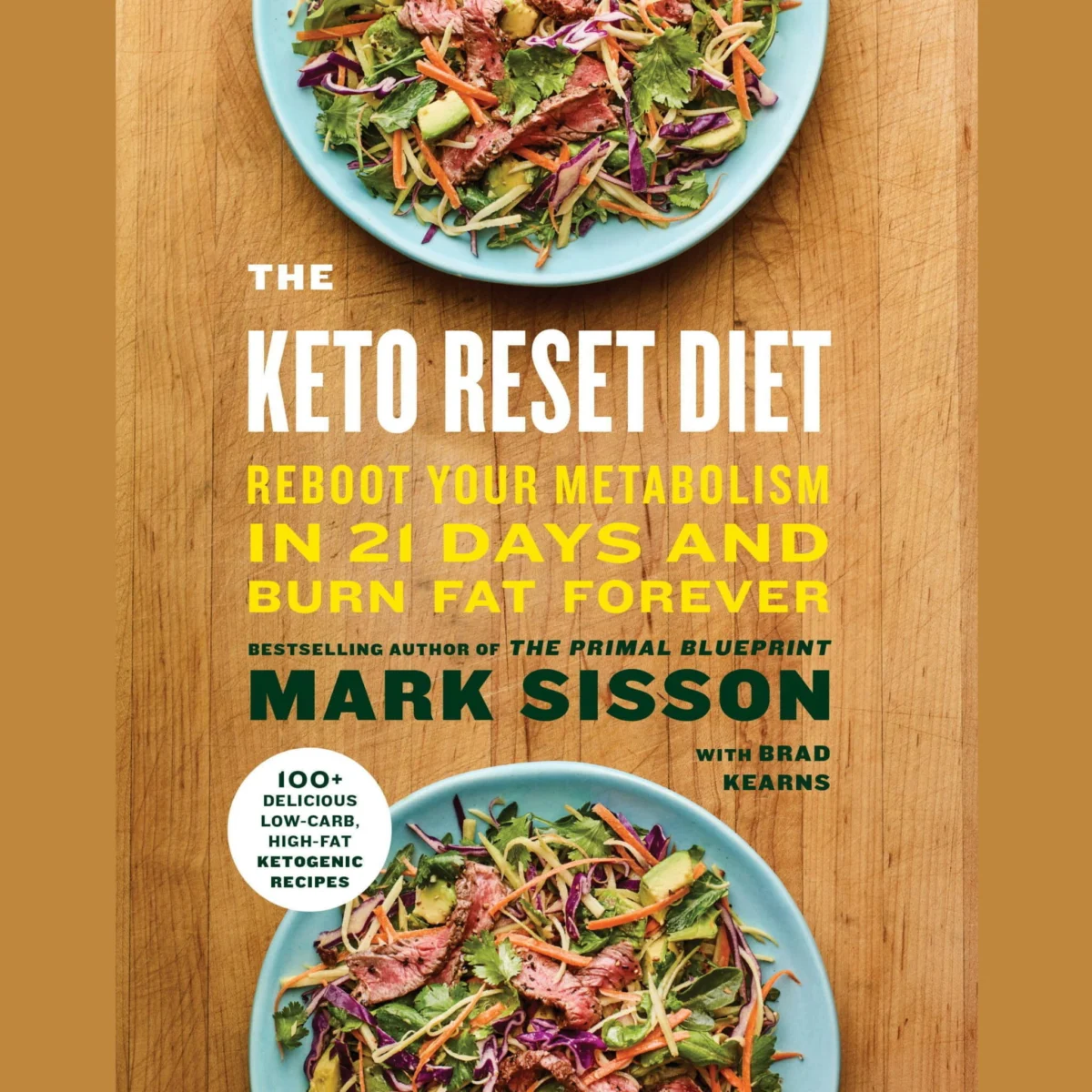
The medical community emphasizes that while the ketogenic diet is a powerful tool, it may not be necessary or sustainable for every patient. Experts like Mark Sisson, author of The Keto Reset Diet, suggest a "graded transition." This involves a 21-day period of eliminating processed sugars and grains before moving into full ketosis. This approach allows the body’s enzymatic pathways to adjust to fat-burning, reducing the severity of the "Keto Flu."
For many women, a "cyclic" or "liberalized" low-carb diet serves as a better long-term strategy. While a strict ketogenic phase (20–50g of carbs) can jumpstart weight loss and hormone stabilization, a maintenance phase of 100g of carbohydrates from whole-food sources—such as berries, sweet potatoes, and legumes—often provides the necessary balance for long-term adherence.
Broader Impact and Public Health Implications
The rising interest in the ketogenic diet for PCOS reflects a broader shift in public health toward metabolic-based medicine. As PCOS is often a precursor to Type 2 diabetes and metabolic syndrome, effective early-stage dietary intervention can significantly reduce the long-term burden on healthcare systems.

Medical professionals stress that any dietary change should be part of a holistic management plan that includes regular physical activity and, where necessary, targeted supplementation (such as Inositol or Vitamin D). Because PCOS is a lifelong condition, the goal of any nutritional intervention is not a temporary "fix" but the establishment of a sustainable lifestyle.
In conclusion, the ketogenic diet offers a scientifically backed pathway for reversing the hormonal and metabolic markers of PCOS. By addressing insulin resistance directly, it provides relief from weight gain, acne, and infertility. However, due to its restrictive nature and potential impact on thyroid health, it is best approached with a focus on nutrient density and, ideally, under the guidance of a healthcare provider familiar with metabolic therapy. As research continues to evolve, the integration of ketogenic principles into standard PCOS care protocols appears increasingly likely, offering hope to millions of women struggling with this complex disorder.
