

Polycystic Ovary Syndrome (PCOS) has emerged as one of the most prevalent endocrine disorders among women of reproductive age, affecting approximately 8% to 13% of the global female population. As medical understanding of the condition evolves, a growing body of evidence suggests that nutritional intervention and strategic lifestyle modifications serve as foundational pillars for managing the symptoms and improving fertility outcomes. This shift toward holistic management is exemplified by the work of Tarryn Poulton, a PN1 Certified Nutrition Coach and PCOS expert, whose personal and professional journey since her 2010 diagnosis highlights the complex intersection of metabolic health and reproductive success.
The Pathological Landscape of PCOS
PCOS is characterized by a combination of clinical or biochemical hyperandrogenism, ovulatory dysfunction, and the presence of polycystic ovaries. However, the underlying driver for many patients is insulin resistance, which affects between 50% and 70% of women with the syndrome, regardless of their Body Mass Index (BMI). When the body becomes resistant to insulin, the pancreas compensates by producing higher levels of the hormone. This hyperinsulinemia triggers the ovaries to produce excess testosterone, which in turn disrupts the delicate hormonal balance required for regular ovulation.

For many women, the diagnosis of PCOS is a significant psychological and physiological turning point. In 2010, after experiencing persistent difficulties in conceiving, Poulton received a formal diagnosis that categorized her symptoms within this metabolic framework. Her experience reflects a common clinical timeline: a period of uncertainty followed by a nine-month journey toward a successful pregnancy, achieved through targeted dietary adjustments. As she now navigates the challenges of conceiving a second child, her case serves as a focal point for discussing broader medical strategies for managing infertility associated with the disorder.
Nutritional Strategies: Managing Insulin and Testosterone
The primary goal of a PCOS-centric diet is the stabilization of blood glucose levels to mitigate the production of insulin. Clinical research consistently supports the implementation of a Low Glycemic Index (GI) diet. By consuming carbohydrates that break down slowly, patients can avoid the sharp insulin spikes that exacerbate androgen production.
- The Role of Macronutrient Balance: Integrating lean proteins with high-fiber carbohydrates is a critical strategy. Protein slows the absorption of glucose into the bloodstream, further stabilizing the metabolic response.
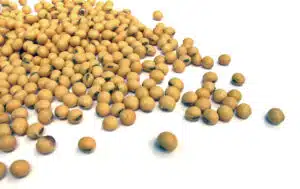
- The Phytoestrogen Debate: A significant area of discussion within nutritional science involves the role of soy and phytoestrogens. These plant-based compounds can bind to estrogen receptors, potentially blocking the body’s natural estrogen or, conversely, signaling the body to reduce its own production. Some research indicates that high soy intake may lead to delayed ovulation in certain women, prompting many experts to recommend a cautious or restrictive approach to soy during the conception window.
- Environmental and Dietary Estrogens: Beyond plant sources, "xeno-estrogens" found in plastics and cosmetics, as well as hormones present in conventionally raised animal products, can contribute to "estrogen dominance." To counteract this, many practitioners advocate for the consumption of organic, pasture-fed meats to avoid the ingestion of synthetic hormones and antibiotics that may further disrupt the endocrine system.
The Impact of Weight Management on Reproductive Function
Weight loss remains one of the most challenging yet effective interventions for PCOS management. The relationship between adipose tissue and hormonal health is cyclical; excess weight increases insulin resistance, which in turn makes weight loss more difficult. However, clinical data suggests that even modest weight loss can yield significant reproductive benefits.

According to various longitudinal studies, a reduction of just 5% to 10% of total body weight has been shown to restore regular menstrual cycles and improve ovulation rates in overweight women with PCOS. This improvement is largely attributed to the subsequent drop in insulin levels and the restoration of the hypothalamic-pituitary-ovarian axis. While the struggle to lose weight is a daily reality for many, the physiological "tipping point" for fertility is often lower than many patients anticipate, providing a clear, albeit difficult, target for clinical intervention.
Supplementation as a Foundational Support
In addition to dietary changes, targeted supplementation is often required to address specific micronutrient deficiencies common in the PCOS population. These supplements are not intended to replace a balanced diet but rather to optimize the biochemical environment for conception.
Chromium and Insulin Sensitivity
Chromium is a trace mineral that plays a vital role in the metabolism of glucose. It enhances the action of insulin and has been shown in various trials to improve insulin sensitivity. By lowering the amount of insulin required by the body, chromium indirectly helps to reduce testosterone levels, thereby improving the chances of regular ovulation. Medical professionals caution, however, that patients already on insulin-sensitizing medications, such as Metformin, should consult their physicians before adding chromium to avoid hypoglycemia.
Vitamin D and Calcium
Vitamin D deficiency is disproportionately high among women with PCOS. This vitamin functions more like a pro-hormone, influencing insulin signaling, follicle maturation, and even mood regulation. Research has demonstrated that combined supplementation of Vitamin D and Calcium can help regulate the menstrual cycle and increase the number of mature follicles, which is essential for successful fertilization.
The B-Vitamin Complex
B-vitamins, particularly B6 and B9 (Folic Acid), are essential for reproductive health. Vitamin B6 is involved in the regulation of progesterone and blood sugar levels. Folic Acid is globally recognized for its role in preventing neural tube defects, such as spina bifida, during the early stages of fetal development. For women with PCOS, a comprehensive B-complex supplement can help bridge the gap in nutrient absorption that may be caused by certain medications or metabolic imbalances.
Omega-3 Fatty Acids
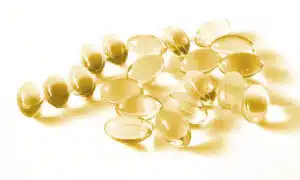
Omega-3 fatty acids, typically found in fish oil, are renowned for their anti-inflammatory properties. In the context of PCOS, they have been shown to lower testosterone levels and improve the lipid profile of patients. By reducing systemic inflammation, Omega-3s help create a more favorable environment for an embryo to implant and thrive.

Chronology of Management and Clinical Milestones
The management of PCOS and pregnancy typically follows a structured progression:
- Phase 1: Diagnosis and Stabilization (Months 1-3): Identification of the syndrome through blood tests (LH/FSH ratio, testosterone, fasting insulin) and ultrasound. Initial implementation of a Low GI diet and the introduction of foundational supplements like a multivitamin and Vitamin D.
- Phase 2: Cycle Regulation (Months 4-6): Monitoring for the return of regular menses. If weight loss is required, the focus is on achieving the 5-10% threshold. This period often sees the introduction of insulin-sensitizing agents or specific minerals like chromium.
- Phase 3: Focused Conception (Months 6-12): Tracking ovulation through basal body temperature or luteinizing hormone (LH) strips. If natural conception does not occur despite regulated cycles, clinicians may then consider further medical interventions such as Clomiphene or Letrozole.
Broader Implications and Public Health Perspectives
The rising incidence of PCOS and its associated fertility challenges have significant implications for public health and economic stability. Infertility treatments, such as In Vitro Fertilization (IVF), are often prohibitively expensive and emotionally taxing. By prioritizing nutritional and lifestyle interventions, the medical community can potentially reduce the reliance on invasive procedures.
Furthermore, the management of PCOS is not merely a matter of fertility; it is a long-term health imperative. Women with PCOS are at a higher risk for Type 2 diabetes, cardiovascular disease, and endometrial cancer later in life. Therefore, the dietary habits established during the journey to conceive serve as a protective framework for the patient’s health decades after their reproductive years have ended.
Expert Analysis and Future Outlook
The narrative of PCOS is shifting from one of "uncontrollable hormonal chaos" to one of "manageable metabolic health." Experts like Tarryn Poulton emphasize that while the loss of control is a common sentiment among patients, the power of food and supplementation provides a tangible way to influence biological outcomes. The scientific community continues to investigate the nuances of gut microbiome health and its impact on PCOS, as well as the potential for personalized nutrition based on genetic markers.
As research continues to validate the efficacy of these non-pharmacological interventions, the integration of nutritionists and lifestyle coaches into the standard care model for PCOS is becoming increasingly common. For the millions of women navigating this diagnosis, the message is clear: while the road to pregnancy with PCOS may be longer and require more deliberate planning, it is a journey that can be successfully navigated through informed, evidence-based choices.
In conclusion, the intersection of PCOS and pregnancy requires a multifaceted approach. By managing insulin through diet, addressing nutrient deficiencies through supplementation, and achieving modest weight loss, women can significantly alter their hormonal profile. These steps not only improve the likelihood of conception but also foster a healthier environment for the developing fetus, ensuring that both mother and child have the best possible start.
