
The landscape of recreational running has undergone a significant transformation, evolving from spontaneous group jogs to meticulously curated social gatherings. These modern run clubs, often amplified by platforms like Strava, now incorporate dedicated meet-ups, post-run social engagements, and a heightened awareness of personal presentation. This shift necessitates a more considered approach to athletic attire, where functionality meets a discernible aesthetic, signaling an individual’s engagement with the burgeoning fitness-social culture.
The Rise of the Social Run Club
Historically, running clubs were primarily for the serious athlete, a means to enhance performance through shared training. However, over the past decade, a cultural paradigm shift has occurred. Driven by the accessibility of GPS tracking apps like Strava, the democratization of fitness, and a broader societal emphasis on wellness and community, running has become a potent social lubricant. What began as a solitary pursuit for many has blossomed into a communal activity, fostering connections and shared experiences. These modern iterations often feature organized "Strava segments" or challenges that participants strive to conquer collectively, followed by communal gatherings at local cafes or breweries. This evolution has created a distinct subculture where attire is not merely functional but also a form of communication, conveying a runner’s commitment, taste, and understanding of the prevailing ethos.
Understanding the Vibe: A Fusion of Fitness and Social Culture
Strava meet-ups, and similar organized running events, occupy a unique space that straddles the line between dedicated athletic pursuit and casual social interaction. This is not the intense, performance-driven environment of a competitive race, nor is it the utilitarian setting of a traditional gym. Instead, it represents an athletic yet curated milieu, where what one wears communicates an immediate understanding of the group’s unspoken codes.

The visual aspect of these events begins before the first stride is taken, continues throughout the run, and often extends into the post-run social activities, such as coffee or brunch gatherings. This multi-contextual nature of the run club experience demands kit that is not only performance-oriented but also aesthetically considered. The fundamental principle remains "functional first, aesthetic second," but the "second" aspect has gained significant weight. An individual arriving in worn-out, dated athletic wear might appear as an afterthought, potentially signaling a lack of immersion in the group’s dynamics. Conversely, someone dressed in a clean, thoughtfully assembled ensemble reads as someone who is invested and takes the activity seriously, irrespective of their actual running pace or experience.
The unspoken narrative conveyed by one’s running attire is potent. A well-maintained, classic race t-shirt might be acceptable, but a faded, souvenir t-shirt from a charity 5K event from years past sends a different message entirely. The choices made in selecting running apparel communicate an individual’s background and their perceived commitment to the running community before any verbal exchange takes place. This subtle form of self-presentation has become an integral part of the modern run club experience.
The Anatomy of a Considered Running Ensemble
Navigating the expectations of contemporary run clubs doesn’t require an overly complex or expensive wardrobe. Instead, it hinges on making intentional choices for each component of the running attire, ensuring both performance and visual coherence.

The Upper Body: Technical Tees and Singlets
The ideal choice for the upper body is a technical t-shirt or singlet crafted from lightweight, moisture-wicking fabric. Neutral or muted color palettes are generally preferred, contributing to a sophisticated and understated aesthetic. The prominence of brand logos should be judiciously considered; excessive or overtly flashy branding can detract from the desired image. However, niche brands with a distinct trail-running or minimalist aesthetic, such as Satisfy Running, or clean, minimalist designs from established athletic brands like Adidas Running, tend to be well-received. These choices signal an appreciation for quality and design beyond mere brand recognition.
- Satisfy Running’s MothTech T-Shirt: This option often features a refined, trail-adjacent aesthetic, utilizing advanced technical fabrics in muted tones that convey a sense of understated luxury and performance.
- Adidas Running’s Clean Technical Tee: Adidas offers a range of performance tops with simple designs and subtle branding, providing a classic and reliable choice that aligns with the "functional first" ethos.
- Nike Running’s Miler Tee: Known for its Dri-FIT technology, the Nike Miler tee offers excellent moisture management and breathability, available in a variety of colors that can complement a curated running wardrobe.
The Lower Body: The 5-to-7-Inch Running Short
For bottoms, running shorts typically ranging from 5 to 7 inches in length are the standard. These often come with a built-in liner or compression shorts, offering a choice based on personal preference for support and comfort. The critical aspect to avoid is attire that is excessively long, baggy, or appears to be repurposed gym wear. Basketball shorts, for example, are generally perceived as incongruous with the run club environment, signaling a lack of familiarity with running-specific apparel.
- Adidas Own The Run Shorts: These shorts are designed with performance in mind, offering a lightweight feel and comfortable fit, often featuring reflective details for visibility.
- Nike Dri-FIT Stride 5-Inch Shorts: These shorts are a popular choice for their excellent balance of comfort, freedom of movement, and moisture-wicking properties, with the 5-inch inseam being a common and flattering length.
Footwear: Current, Clean, and Capable
Footwear is a critical element that communicates a runner’s seriousness and attention to detail. While carbon-plated shoes are a notable technological advancement in running, they are not a prerequisite for fitting in. The primary concern is that running shoes appear current and well-maintained. Brands like Hoka, with models such as the Clifton or Bondi, convey a sense of serious engagement with running without being ostentatious. Similarly, brands like On Running and Saucony are recognized within the running community for their performance-oriented designs and quality, signaling that the wearer is knowledgeable about running footwear.

- Hoka Clifton 10: Renowned for its exceptional cushioning and comfort, the Clifton is a versatile option suitable for various running distances and paces, projecting a sense of dedicated running practice.
- On Cloudmonster: This shoe is designed for maximum cushioning and energy return, appealing to runners who prioritize comfort and a responsive ride, often seen as a choice of the informed runner.
Essential Accessories: The Subtle Communicators
Accessories play a crucial role in completing the running ensemble, serving as the details that either elevate or detract from the overall look.
- Socks: Crew-length socks are currently the prevailing standard in running communities. White or off-white hues are generally favored, and subtle logos are acceptable, though overly loud or garish designs are typically avoided. A simple branded crew sock from Nike Running, for instance, strikes a good balance.
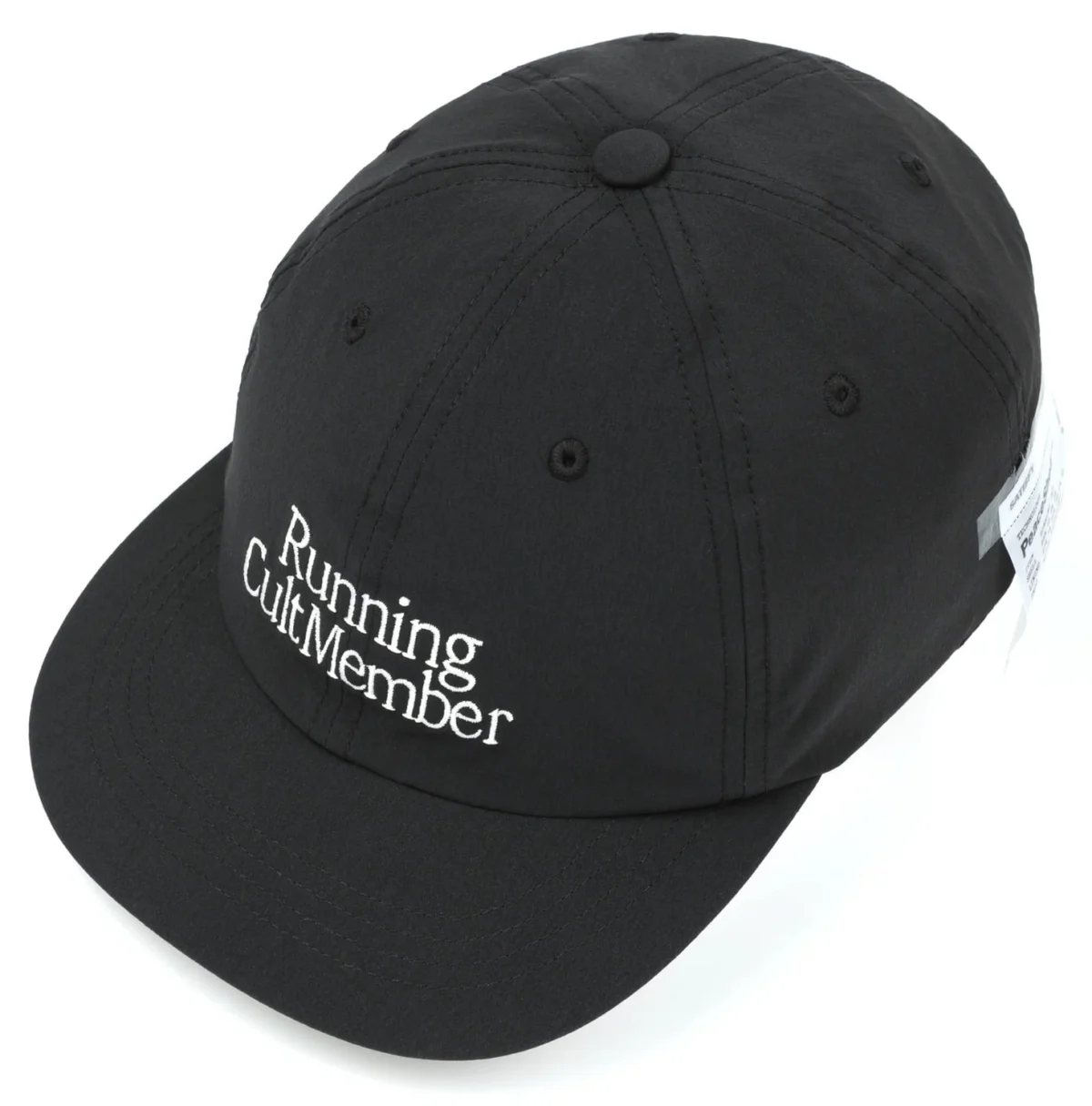
- Cap: A cap serves both functional and aesthetic purposes. A low-profile, technical cap, such as Satisfy Running’s PeaceShell model, is ideal for sun protection and subtly signals an understanding of running culture. Fashion-oriented caps, with their different brim shapes and fits, can appear out of place during a run.
- Layering Piece: For pre- and post-run activities, a lightweight layer like a zip-up jacket, a technical shell, or an overshirt is highly practical. This piece not only adds to the overall aesthetic when standing around but also provides essential warmth as body temperature naturally decreases after exertion.
The Art of Cohesion: Crafting a Personal Style
The ultimate success of a run club outfit lies in its cohesive aesthetic. The principle of "color discipline" is paramount: limiting the palette to two or three colors. Earth tones, monochromatic schemes, or subtle contrast palettes are highly effective. An individual adorned in an overwhelming array of neon colors might appear to be trying too hard, whereas someone in a predominantly black ensemble with a single, considered accent color demonstrates a more refined approach.
The Formula for Credibility:

- Top: Off-white technical tee (Satisfy Running or Adidas Running)
- Shorts: Black 5-inch lined running shorts
- Shoes: Hoka Clifton or On Cloudmonster (ensured to be clean)
- Socks: White crew socks (Nike Running or similar)
- Extras: Garmin or Coros watch, optional cap, performance sunglasses if conditions require.
Technology and Vision:
- Watches: A GPS watch from brands like Garmin, Coros, or even an Apple Watch, signals a serious approach to performance tracking and training.
- Sunglasses: Performance-oriented sunglasses are essential for functionality. Oversized fashion sunglasses, while stylish in other contexts, can appear out of place and detract from the athletic focus during a run.
Key Brands to Consider:
- Adidas Running
- Satisfy Running
- Hoka
- Nike Running
What Not to Wear: Avoiding Missteps
Just as important as understanding what to wear is recognizing what to avoid. Certain sartorial choices can inadvertently signal a lack of familiarity with the run club culture.

- Cotton T-shirts: These retain moisture, become heavy, and can lead to chafing.
- Baggy or Oversized Shorts: These are often seen as more suited for casual lounging or other sports and lack the streamlined functionality of running shorts.
- Non-Technical Fabrics: Materials that do not wick moisture or provide adequate breathability can lead to discomfort.
- Excessive or Loud Branding: Overly prominent logos can detract from a clean, considered aesthetic.
- Fashion Sneakers: While stylish, these lack the specific support and cushioning required for running.
- Denim or Casual Trousers: These are entirely unsuitable for physical activity.
The Tone Note: The goal is to project an image of competence and belonging, not one of inexperience or an overly performative social media presence. Looking like it’s your first time running, or conversely, appearing as if the primary motivation is for an Instagram photo, are both easily discernible and can create an unintended impression.
The Social Dimension: Extending the Experience
Run clubs are not confined to the duration of the run itself. The social aspect, particularly the post-run gathering for coffee or refreshments, is an integral part of the experience. A lightweight layering piece—a well-chosen hoodie, an overshirt, or a functional jacket—is an easy yet impactful addition that helps transition from pure athletic mode to a more relaxed social setting. This thoughtful addition demonstrates an understanding of the complete run club event.
Within these communities, individuals often connect through shared aesthetic preferences as much as through shared running paces. Presenting oneself in a manner that aligns with the prevailing visual language of the group fosters a sense of camaraderie and acceptance.

Adapting to Conditions: The Practicalities of Weather
While the aesthetic of run club attire is important, practicality must always be considered. Adjusting one’s kit to suit varying weather conditions is a fundamental aspect of responsible athletic engagement. This might involve incorporating lighter, more breathable fabrics for warmer weather, or adding thermal layers, windproof jackets, and gloves for colder conditions. The key is to maintain a balance between performance and presentation, ensuring comfort and safety regardless of the elements.
Confidence: The Ultimate Accessory
Ultimately, the most crucial element of any run club attire is the confidence with which it is worn. The best ensemble for a first-time attendee is one that has been tested and proven comfortable during previous runs. This familiarity translates into a relaxed demeanor, which is far more impactful than any specific brand or trend.
The pursuit of the perfect run club outfit is not about acquiring the most expensive gear. Intentional choices and a thoughtful approach consistently outweigh exorbitant costs. A well-chosen, mid-range kit from reputable brands like Hoka, Adidas Running, or Nike, worn with care, cleanliness, and a considered assembly, will always be more effective than an entire high-end ensemble that appears to have been purchased and worn for the first time that morning.

The objective is not to impress others, but to present oneself as someone who understands the activity, respects the community, and is comfortably integrated. It’s about embodying the spirit of the run club—prepared, comfortable, and self-aware. As the adage goes, "Looking like you belong isn’t about copying others. It’s about understanding the culture and showing up prepared, comfortable, and self-aware."
