
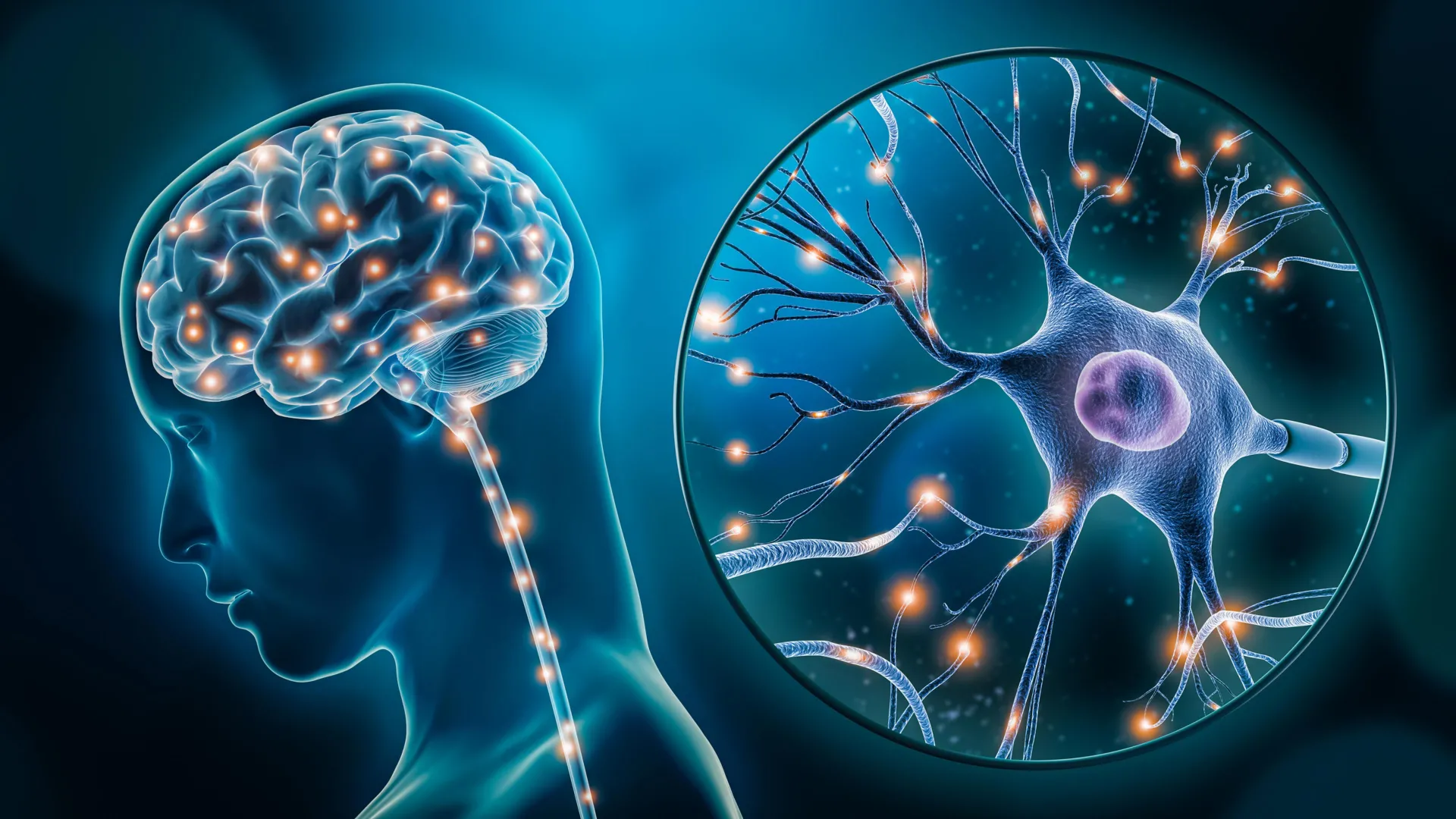
Montreal, QC – A groundbreaking study from McGill University and the Douglas Institute has unveiled critical insights into the biological underpinnings of depression, identifying distinct functional differences in two key types of brain cells in individuals diagnosed with the condition. Published in the prestigious journal Nature Genetics, these findings represent a significant leap forward in understanding a complex disorder that affects hundreds of millions globally and is a leading cause of disability. The research offers a tangible pathway toward developing more targeted and effective therapeutic interventions by illuminating the specific cellular mechanisms at play.
For decades, depression has been understood through its profound emotional and psychological manifestations. However, this latest research, spearheaded by senior author Dr. Gustavo Turecki, a distinguished professor at McGill, clinician-scientist at the Douglas Institute, and Canada Research Chair in Major Depressive Disorder and Suicide, provides compelling biological evidence that depression is not solely a matter of emotional distress but is rooted in measurable, cellular-level alterations within the brain. "This is the first time we’ve been able to identify what specific brain cell types are affected in depression by mapping gene activity together with mechanisms that regulate the DNA code," Dr. Turecki stated. "It gives us a much clearer picture of where disruptions are happening, and which cells are involved." This granular understanding of cellular dysfunction moves the scientific community closer to demystifying the biological cascade that can lead to depressive states.
A Unique Resource Fuels a Scientific Breakthrough
The pivotal nature of this discovery hinges on the researchers’ access to a rare and invaluable resource: post-mortem brain samples meticulously preserved at the Douglas-Bell Canada Brain Bank. This facility stands as one of the few globally to house donated brain tissue from individuals who experienced psychiatric conditions. Such a collection is indispensable for in-depth biological research into mental health, providing a window into the neural architecture of conditions that are notoriously challenging to study in living individuals. The availability of these samples allowed the team to move beyond generalized observations and delve into the specific cellular landscapes associated with depression.
The research team employed cutting-edge single-cell genomic techniques, a sophisticated methodology that enables scientists to analyze the genetic material of individual cells. By examining RNA and DNA from thousands of these isolated brain cells, researchers were able to discern which cells exhibited altered behavior in individuals with a diagnosis of depression compared to those without. This high-resolution analysis permitted the identification of specific genetic patterns that could potentially explain these functional differences. The study cohort comprised 59 individuals formally diagnosed with depression and a control group of 41 individuals who did not have the condition, providing a robust dataset for comparative analysis. This meticulous approach underscores the scientific rigor employed to ensure the validity and significance of the findings.
Identifying Key Cellular Players in Depression
The comprehensive analysis revealed significant alterations in gene activity within two crucial types of brain cells:
-
Excitatory Neurons: This class of neurons plays a fundamental role in neural communication, transmitting signals that drive cognitive functions, mood regulation, and the body’s response to stress. The study found that in individuals with depression, gene activity within these neurons showed notable deviations. These disruptions could directly impact the brain’s ability to process emotions, manage stress effectively, and maintain a stable mood, potentially contributing to the persistent feelings of sadness, anhedonia (loss of pleasure), and heightened stress sensitivity characteristic of depression. The precise nature of these gene expression changes is still under investigation, but initial findings suggest a disruption in the delicate balance of neuronal signaling.
-
Microglia Subtypes: Microglia are the resident immune cells of the brain, acting as the first line of defense against pathogens and playing a critical role in clearing cellular debris and maintaining brain health through inflammatory processes. The research identified a specific subtype of microglia exhibiting altered gene activity in individuals with depression. This finding suggests a potential role for neuroinflammation in the development or exacerbation of depressive symptoms. While inflammation is a necessary protective mechanism, chronic or dysregulated inflammation in the brain has been increasingly linked to various neurological and psychiatric disorders, including depression. The altered activity in these microglia could indicate an imbalance in the brain’s immune response, potentially contributing to a pro-inflammatory environment that negatively impacts neuronal function and mood regulation.
Across both these cell types, a multitude of genes displayed differing levels of activity in individuals experiencing depression. This widespread alteration in gene expression patterns strongly suggests that these critical neural systems may not be functioning within their normal parameters. These disruptions, occurring at the cellular and genetic level, offer a compelling biological explanation for how depression can manifest and persist.
Reframing Depression: A Biological Brain Disorder
The implications of this research extend far beyond the laboratory, fundamentally challenging outdated perceptions of depression. By pinpointing specific cell types and their altered genetic functions, the study reinforces the growing consensus that depression possesses a clear and significant biological foundation. This scientific evidence directly confronts and refutes historical perspectives that viewed depression as solely a character flaw, a manifestation of weakness, or a purely psychological issue that could be overcome with sheer willpower.
Dr. Turecki articulated this shift in understanding, stating, "This research reinforces what neuroscience has been telling us for years. Depression isn’t just emotional, it reflects real, measurable changes in the brain." This statement is crucial for destigmatizing mental health conditions and encouraging individuals to seek appropriate medical help without shame or self-blame. It validates the lived experiences of millions who suffer from depression, acknowledging that their struggles are rooted in complex biological processes that require professional intervention, not just emotional resilience. The findings empower clinicians and researchers to move towards more evidence-based and biologically informed treatment strategies.
The Road Ahead: Therapeutic Avenues and Future Research
The identification of specific cellular targets opens up exciting new avenues for therapeutic development. The researchers are now embarking on the next critical phase of their work: investigating how these identified cellular differences translate into broader brain function. This will involve understanding the intricate communication pathways between these affected neurons and microglia, and how their altered states collectively impact neural networks responsible for mood, cognition, and behavior.
Furthermore, a key objective is to determine whether therapies specifically designed to target these cellular mechanisms could lead to more effective treatments for depression. This could involve developing novel pharmacological agents that modulate gene activity in these specific cell types, or exploring non-pharmacological interventions that indirectly influence their function. For instance, therapies aimed at reducing neuroinflammation could potentially benefit individuals whose depression is linked to microglial dysfunction. Similarly, treatments that enhance the resilience and proper signaling of excitatory neurons might offer relief to those experiencing mood dysregulation. The potential for precision medicine in treating depression, tailored to individual biological profiles, has never been closer.
A Chronology of Discovery
The journey to these findings is a testament to sustained scientific inquiry and technological advancement:
-
Early Conceptualization and Data Collection: The foundation of this research was laid with the ongoing collection and curation of post-mortem brain samples at the Douglas-Bell Canada Brain Bank, a process that has spanned many years and involved countless donors and their families. This long-term commitment to preserving valuable biological material is essential for enabling retrospective studies of complex diseases.
-
Technological Advancements: The development and refinement of single-cell genomic techniques, particularly single-nucleus chromatin accessibility profiling (snATAC-seq), have been critical. These technologies, which have rapidly advanced over the past decade, allowed for the unprecedented resolution required to analyze individual cells and their regulatory mechanisms.
-
Study Design and Execution: The research team, led by Dr. Turecki and involving lead author Anjali Chawla, meticulously designed the study to compare samples from individuals with and without depression. The collection and processing of these sensitive biological samples, followed by complex genomic analyses, represent a significant undertaking. This phase likely spanned several years, involving intricate laboratory work and computational analysis.
-
Data Analysis and Interpretation: The process of analyzing the vast datasets generated by single-cell sequencing is complex and computationally intensive. This phase would have involved bioinformatics experts and statistical modeling to identify significant patterns of gene activity and chromatin accessibility differences. Interpretation of these findings within the broader context of neuroscience and depression research would have been a crucial step.
-
Publication and Dissemination: The culmination of this extensive research effort is the publication of the study in Nature Genetics, a highly respected peer-reviewed journal. This rigorous peer-review process ensures the scientific validity and significance of the findings. The subsequent dissemination of these results through press releases, academic conferences, and media outlets marks the beginning of their impact on the scientific community and the public.
Broader Impact and Implications
The implications of this research resonate across multiple domains:
-
Diagnostic Advancements: While not directly a diagnostic tool, this research could eventually inform the development of biomarkers that help identify individuals at higher risk of developing depression or predict their response to specific treatments. Understanding the cellular basis of depression could lead to more objective diagnostic criteria, moving beyond subjective symptom reporting.
-
Therapeutic Innovation: As mentioned, the primary impact is on the development of novel therapeutic strategies. Instead of broad-acting antidepressants, future treatments might be designed to precisely target the dysregulated gene activity in specific neuronal or microglial populations. This could lead to more effective treatments with fewer side effects.
-
Public Health and Policy: By providing robust biological evidence for depression, this study can further advocate for increased funding for mental health research and services. It supports the classification of depression as a serious medical condition requiring comprehensive healthcare approaches.
-
De-stigmatization Efforts: The research directly contributes to the ongoing efforts to de-stigmatize mental illness. By framing depression as a biological brain disorder, it encourages empathy, understanding, and a reduction in societal prejudice against those affected.
-
Foundation for Future Research: This study serves as a critical foundation for numerous future research endeavors. Scientists will build upon these findings to explore the precise molecular pathways involved, investigate the role of genetic predispositions, and examine how environmental factors interact with these cellular mechanisms.
Funding and Acknowledgements
This significant research endeavor was made possible through substantial financial support from several key organizations dedicated to advancing health and brain research. Funding was provided by the Canadian Institutes of Health Research, Brain Canada Foundation, the Fonds de recherche du Québec – Santé, and the Healthy Brains, Healthy Lives initiative at McGill University. These contributions underscore the collaborative and well-supported nature of this critical scientific advancement. The dedication of the donors whose post-mortem brain tissue was provided through the Douglas-Bell Canada Brain Bank is also deeply acknowledged, as their generosity is fundamental to such discoveries.
