
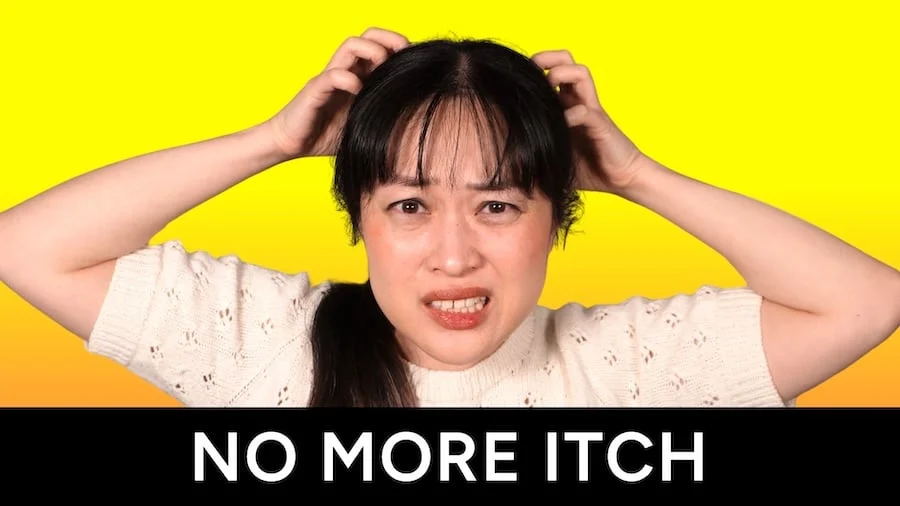
For many individuals, an itchy and inflamed scalp is more than a minor annoyance; it can be a debilitating condition that impacts daily comfort, confidence, and in some cases, even lead to hair thinning. Despite a plethora of products marketed for scalp relief, a significant number of sufferers find themselves trapped in a cycle of temporary fixes, primarily because the underlying causes are often misunderstood or misdiagnosed. This article delves into the latest scientific understanding of chronic itchy scalp, dissecting its primary triggers and offering evidence-based strategies for lasting relief.
Understanding the Multifaceted Nature of Scalp Irritation
The human scalp, an extension of our skin, is a complex ecosystem. When this delicate balance is disturbed, it can manifest as itching, redness, and inflammation. The critical insight, often overlooked by conventional approaches, is that not all itchy scalps are created equal. Effective treatment hinges on correctly identifying one or more of three major causal pathways: microbial imbalance, compromised skin barrier function (often mislabeled as "dry scalp"), and allergic reactions to common product ingredients. A failure to differentiate between these can lead to treatments that are ineffective or, paradoxically, exacerbate the problem.
Microbial Imbalance: Beyond Dandruff Flakes
The notion that microbes cause scalp issues typically conjures images of visible dandruff flakes. However, scientific research increasingly indicates that microbial imbalance, particularly an overgrowth of the yeast Malassezia, is a prevalent cause of scalp itch even in the absence of overt flaking. Malassezia species are naturally occurring inhabitants of the human scalp microbiome, generally coexisting harmoniously. They thrive on sebum, the natural oils produced by scalp glands. When conditions are favorable for their proliferation, such as increased sebum production or specific environmental factors, Malassezia can overgrow.
This overgrowth initiates a cascade of events. As Malassezia metabolizes sebum, it produces irritating byproducts, primarily free fatty acids and substances like squalene peroxide. These compounds trigger an inflammatory response in susceptible individuals, leading to the characteristic itching and irritation. A recent study published in the International Journal of Cosmetic Science demonstrated that inflammatory markers in the scalp could rise significantly after just three days of Malassezia overgrowth, with subjects reporting itching, long before visible flakes appeared, which typically took closer to three weeks. This crucial finding explains why many individuals experience persistent itch without ever associating their condition with what they perceive as "dandruff." The prevalence of Malassezia-related issues is higher in individuals with oily scalps, those who wash their hair infrequently, and those living in humid climates. Therefore, effective intervention often involves targeting this microbial overgrowth, even when flakes are absent.
Compromised Skin Barrier Function: The "Dry Scalp" Paradox
Just like the skin on our face and body, the scalp possesses a protective barrier, the stratum corneum, composed of skin cells and lipids that prevent excessive water loss and block the entry of irritants. A compromised scalp barrier can lead to a sensation of "dryness," tightness, and increased susceptibility to itching. This condition is often exacerbated by harsh cleansing practices.
Shampoos, at their core, are cleansers containing surfactants designed to lift oil and dirt. However, not all surfactants are created equal. Aggressive cleansing agents can strip the scalp of its natural lipids, disrupting the skin barrier even after rinsing. This disruption increases transepidermal water loss (TEWL), leading to dehydration, and simultaneously allows irritating substances to penetrate more easily, both contributing to persistent itch. The cosmetic chemistry community has long understood the impact of cleanser formulation on skin integrity, a principle that applies directly to scalp care.
Beyond harsh products, certain habits and environmental factors can contribute to barrier dysfunction. These include excessively hot showers, frequent use of high-heat blow dryers, and exposure to dry or cold weather. Hormonal fluctuations, such as those occurring post-menopause, can also reduce sebum production, leading to a genuinely drier scalp. It’s important to note the "dry scalp" paradox: an oily scalp can still suffer from dehydration if its barrier is compromised, similar to how oily facial skin can still lack water. This "oily-but-dry" state is particularly challenging, as traditional "dry scalp" remedies like applying oils can exacerbate microbial issues, while aggressive anti-dandruff treatments can further damage the barrier.
The Allergy Epidemic: Unidentified Allergenic Triggers
A third, often overlooked, cause of persistent scalp itch is allergic contact dermatitis triggered by common ingredients in hair care products. Shampoos, being wash-off products, are sometimes formulated with higher concentrations of certain ingredients compared to leave-on products, under the assumption that brief contact reduces risk. However, for individuals with specific allergies, even fleeting exposure can provoke a strong immune response.
A notable example involves the preservatives methylisothiazolinone (MI) and methylchloroisothiazolinone (MCI), colloquially dubbed "the itchy Ms." The chronology of their rise to prominence is a critical piece of background context. In the early 2000s, public concern, fueled by misinterpreted scientific research, led many cosmetic brands to phase out parabens, a group of preservatives previously considered safe and effective. In the search for alternatives, MI and MCI became widely adopted, often without extensive long-term dermatological study on their broad population impact.
The consequence was a significant increase in contact allergies. Dermatological journals began publishing articles using strong terminology like "epidemic" to describe the surging rates of MI/MCI allergy. Studies by the American Academy of Dermatology and European contact dermatitis groups reported that several percent of the population developed sensitivities, including individuals who had never experienced contact allergies before. This created a peculiar dilemma: many "sensitive scalp" or "anti-itch" shampoos, ironically, contained these very allergens. Furthermore, there is an observed correlation between allergy to benzisothiazolinone (a related preservative common in laundry detergents) and MI/MCI sensitivity, meaning individuals who react to certain detergents might also be allergic to these shampoo ingredients.
Other common allergens found in shampoos include certain fragrances (e.g., linalool, limonene, geraniol), dyes, and specific plant extracts. Identifying an allergy often requires careful tracking of product usage or, more reliably, patch testing administered by a dermatologist. The key distinction here, frequently emphasized by cosmetic chemists, is that an ingredient is only problematic if an individual is allergic to it; "allergen-free" is only relevant for those with diagnosed sensitivities.
Navigating the Treatment Landscape: A Science-Backed Approach
Given the complex interplay of these causes, a strategic and informed approach to scalp care is essential. The following strategies are supported by scientific consensus and clinical experience.

Targeting Microbial Imbalance with Antifungal Actives
For those whose itch stems from Malassezia overgrowth, anti-dandruff shampoos are the first line of defense, even in the absence of flakes. These products contain specific antimicrobial actives that inhibit Malassezia growth.
- Selenium Sulfide: Highly effective, this active works by slowing the growth of Malassezia and reducing cell turnover. While it can have a distinct scent and color, modern formulations are improving.
- Zinc Pyrithione: A potent broad-spectrum antimicrobial, zinc pyrithione was a long-standing staple in anti-dandruff formulations, notably pioneered by brands like Head & Shoulders. However, its regulatory status in the European Union provides an interesting case study in differing risk assessments. Despite being deemed safe at concentrations below 1% by scientific committees, the EU banned its use in cosmetics in 2021 due to its classification as a Category 1B Carcinogenic, Mutagenic, or Reprotoxic (CMR) substance. This precautionary principle, which restricts substances with potential hazards even if exposure levels are considered safe, has led to its disappearance from EU and often associated markets, highlighting the nuanced global landscape of cosmetic ingredient regulation. It remains available in other regions, including the US.
- Piroctone Olamine: Gaining popularity, this active offers effective antimicrobial action without the color or odor concerns of selenium sulfide or the particulate nature of zinc pyrithione. It is soluble and integrates seamlessly into standard shampoo formulations, making it a preferred choice for many seeking a cosmetically elegant solution. Research, including a 2024 study in the International Journal of Cosmetic Science, confirms its efficacy in modulating the scalp microbiome and improving scalp health.
- Ketoconazole and Climbazole: These azole antifungals are effective against Malassezia. Ketoconazole is typically found in stronger, sometimes prescription-strength, formulations (e.g., Nizoral), while climbazole is a milder cosmetic version. It’s worth noting that some Malassezia strains can exhibit resistance to azoles, suggesting that rotating actives or trying different options might be necessary if initial treatments are ineffective.
Best Practices for Using Antimicrobial Shampoos:
- Formulation Matters: Efficacy is not solely determined by the active ingredient concentration but by the overall formulation and delivery system. Look for products with clinical testing claims.
- Scalp Application: Focus shampoo application directly on the scalp, where microbes reside, rather than primarily on hair lengths.
- Adhere to Instructions: Contrary to popular belief, leaving anti-dandruff shampoos on for extended periods is not universally beneficial. Some formulations utilize "coacervate systems" where actives are released and deposited during rinsing, meaning prolonged contact before dilution may not enhance efficacy and could increase irritation.
- Conditioner Caution: Apply regular conditioners only to hair lengths, avoiding the scalp, to prevent washing away deposited actives. Anti-dandruff conditioners, however, are formulated to complement medicated shampoos.
- Regular Washing: Frequent shampooing helps remove sebum, microbes, and irritating byproducts. Studies suggest that increasing wash frequency can significantly improve scalp conditions.
- Adjunctive Serums: Anti-dandruff serums containing actives like piroctone olamine can provide sustained treatment between washes and are particularly useful for targeted application.
Restoring Scalp Barrier Health
Addressing "dry scalp" symptoms requires a focus on gentle care and barrier support.
- Gentle Cleansing: Opt for shampoos formulated with mild surfactants and a skin-friendly pH (typically 4-7) to minimize stripping of natural lipids and maintain barrier integrity.
- Conditioner Placement: Apply conditioner only to the hair shafts, avoiding direct contact with the scalp. The healthy, new hair near the scalp generally does not require intense conditioning, and conditioner surfactants can sometimes be more irritating than those in shampoos.
- Antioxidants: Ingredients traditionally used in facial skincare, such as niacinamide, vitamin E, and centella asiatica (madecassoside), are increasingly incorporated into scalp serums. These antioxidants help protect the scalp from oxidative stress, a known contributor to inflammation and barrier dysfunction, and have been shown to improve scalp condition.
- Water Quality: Hard water, rich in dissolved mineral ions, can irritate the scalp and leave residue. While whole-house water softeners are ideal, showerhead filters designed to soften water (not just remove chlorine) can offer localized relief.
Avoiding Allergenic Triggers
For individuals suspecting an allergy, meticulous ingredient awareness is key.
- Ingredient Review: Scrutinize ingredient lists for common allergens like MI, MCI, formaldehyde releasers (e.g., quaternium-15, DMDM hydantoin), certain fragrances, and botanical extracts.
- Patch Testing: The most definitive method for identifying specific allergens is professional patch testing by a dermatologist. This involves applying suspected allergens to the skin and monitoring for reactions over several days.
- Trial and Error: In the absence of patch testing, keeping a detailed log of products used and corresponding scalp reactions can help identify patterns and pinpoint problematic ingredients.
Debunking Common Misconceptions and Ineffective Practices
Several popular scalp care trends may be ineffective or even detrimental, depending on the underlying cause of the itch.
- Oils: For microbial-driven itch, applying plant oils (e.g., coconut, tea tree, castor oil) directly to the scalp is counterproductive. Malassezia feeds on these oils, converting them into irritating substances and accelerating their growth. While some people find pre-shampoo oil massages helpful for dislodging product buildup, this benefit is mechanical, not therapeutic for microbial issues.
- Dry Shampoo: While useful for absorbing excess oil and extending time between washes, dry shampoo cannot replace proper cleansing. Over-reliance can lead to product buildup and potentially exacerbate microbial issues by creating a favorable environment for their growth. Excessive or close-range application can also dry out the scalp.
- Scalp Scrubs and Brushes: Mechanical exfoliation can help remove flakes or product buildup for some, but for sensitive or inflamed scalps, physical scrubbing can cause further irritation and micro-abrasions, worsening the condition. Silicone scalp brushes are generally gentler than abrasive scrubs.
- Chemical Exfoliants: Ingredients like salicylic acid or glycolic acid can be beneficial for significant buildup, but for simple itch without flaking or clogged follicles, they may not offer substantial benefit and could cause irritation if the barrier is already compromised.
Conclusion: A Holistic, Evidence-Based Approach
Chronic itchy scalp is a common yet often complex dermatological concern. The journey to lasting relief requires a departure from generic solutions and an embrace of a science-informed approach. By understanding the distinct roles of microbial imbalance, compromised skin barrier function, and allergic contact dermatitis, individuals can make targeted choices in their hair care routines. Consulting with dermatologists or healthcare professionals remains paramount, especially when symptoms persist, new rashes appear, or hair thinning becomes noticeable. Empowered with scientific knowledge, consumers can navigate the vast landscape of scalp care products more effectively, moving beyond superficial fixes to address the root causes of their discomfort.
