
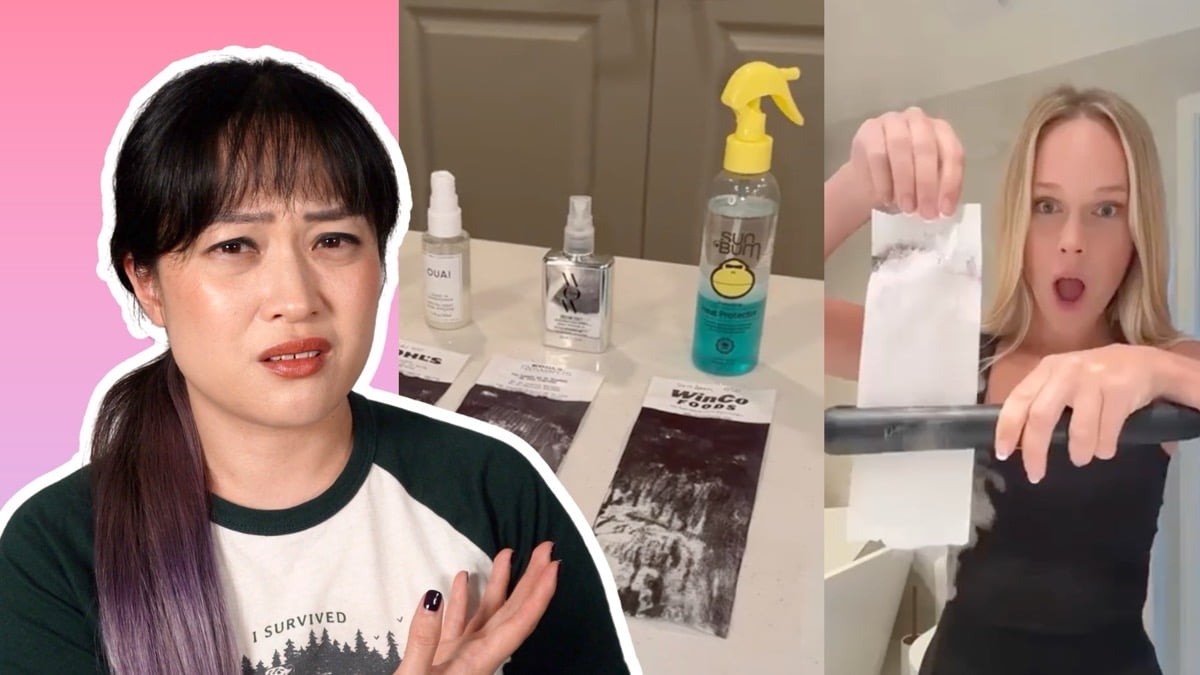
A widespread social media trend purporting to test the efficacy of hair heat protectants using thermal paper receipts has been thoroughly debunked by scientific analysis. The viral method, which involves spraying a heat protectant onto a thermal receipt and then applying a flat iron, suggests that receipts remaining white indicate superior heat protection. However, a comprehensive investigation by cosmetic chemist and science communicator Michelle Wong of Lab Muffin Beauty Science has concluded that this test is fundamentally flawed and provides no accurate insight into a product’s ability to protect hair. The results highlight the critical distinction between seemingly intuitive DIY experiments and rigorous scientific validation.
The Viral Phenomenon: A Deceptive Simplicity
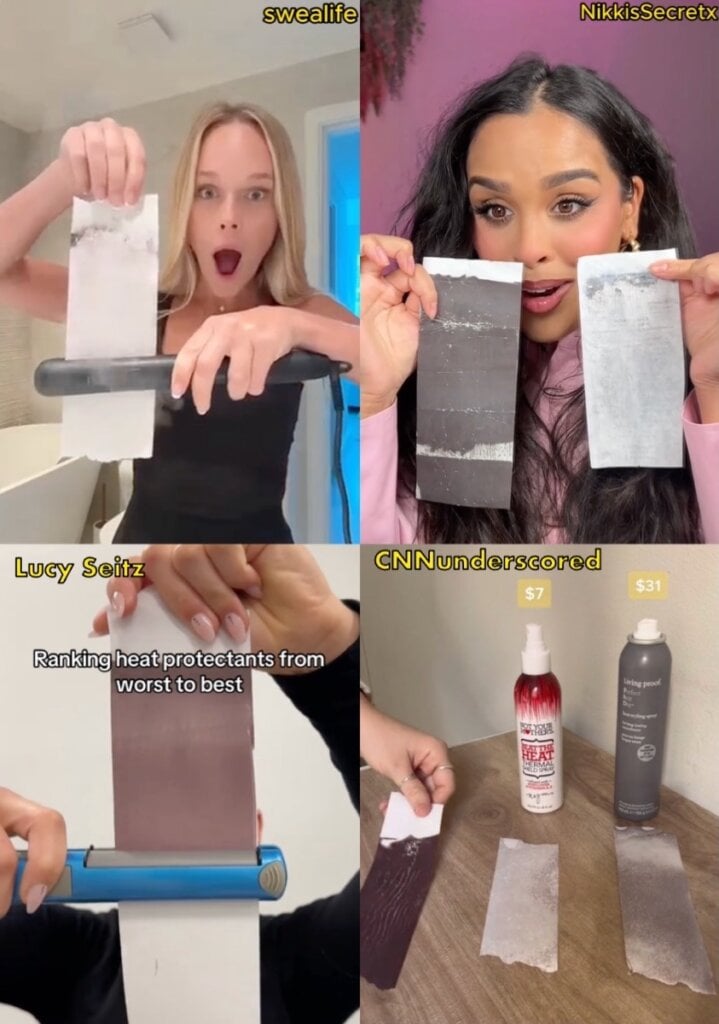
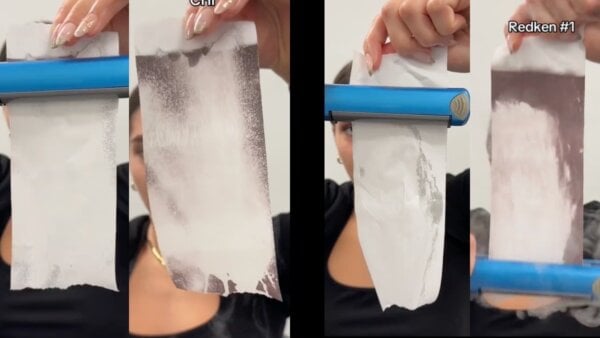
The thermal receipt test gained significant traction across platforms like TikTok, with millions of views on videos demonstrating the technique. Its appeal lay in its apparent simplicity and visual clarity: thermal paper, commonly used for store receipts, turns black when exposed to heat. The logic posited that if a heat protectant effectively shielded the paper from a hot styling tool, the receipt would remain white, implying the product would similarly protect hair. Many users, including cosmetologists like Lucy Seitz, adopted and shared the test, further amplifying its reach and perceived credibility. Seitz, for instance, systematically tested various products at 340°F (approximately 170°C) and even incorporated a drying step after a commenter noted the issue of wet receipts. Despite these attempts at standardization, the underlying scientific premise of the test proved to be unsound.
Unpacking Thermal Paper: The Science Behind the Receipt
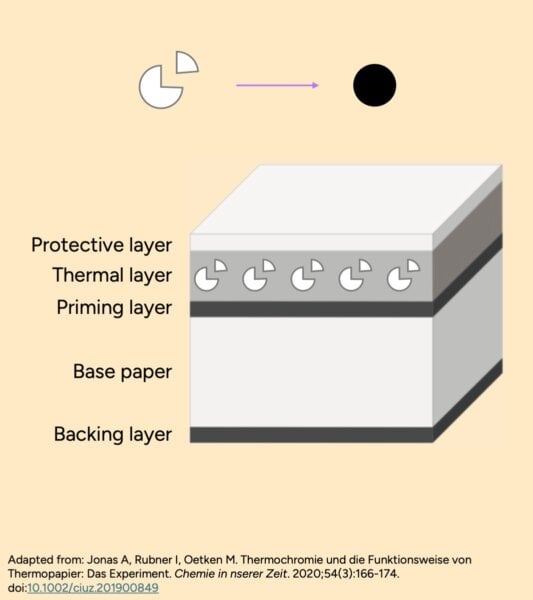
To understand why the receipt test is flawed, it is crucial to delve into the chemical composition of thermal paper. Unlike regular paper, thermal receipts are coated with a specialized layer containing a leuco dye and a developer, often bisphenol A (BPA) or bisphenol S (BPS), held within a solid matrix. When heated to a specific temperature, the solid matrix melts, allowing the dye and developer to mix and react, thereby producing a visible color (typically black). This reaction is sensitive to various external factors beyond just heat, including certain chemicals and solvents, which can interfere with the dye-developer interaction or even dissolve the ink layer itself. This inherent chemical sensitivity of thermal paper sets it apart from the complex biological structure of human hair.
A Systematic Investigation Begins: Replicating the Viral Test
Michelle Wong’s investigation commenced with an initial replication of the viral tests. Recognizing that many beauty products are frequently misrepresented in DIY experiments (e.g., testing moisturizers on apples), she approached the receipt test with a critical eye, yet acknowledged its superficial validity. Hair suffers damage from excessive heat, and thermal paper reacts to heat by darkening, creating a seemingly analogous model. Scientists often use models (like EpiSkin, a reconstructed human skin model) to test products, but the effectiveness hinges on the model’s similarity to the real subject. Wong’s core question was whether the receipt’s color change truly correlated with the temperatures harmful to hair.
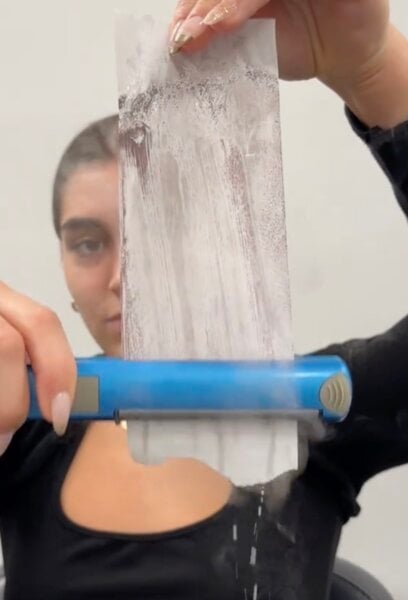
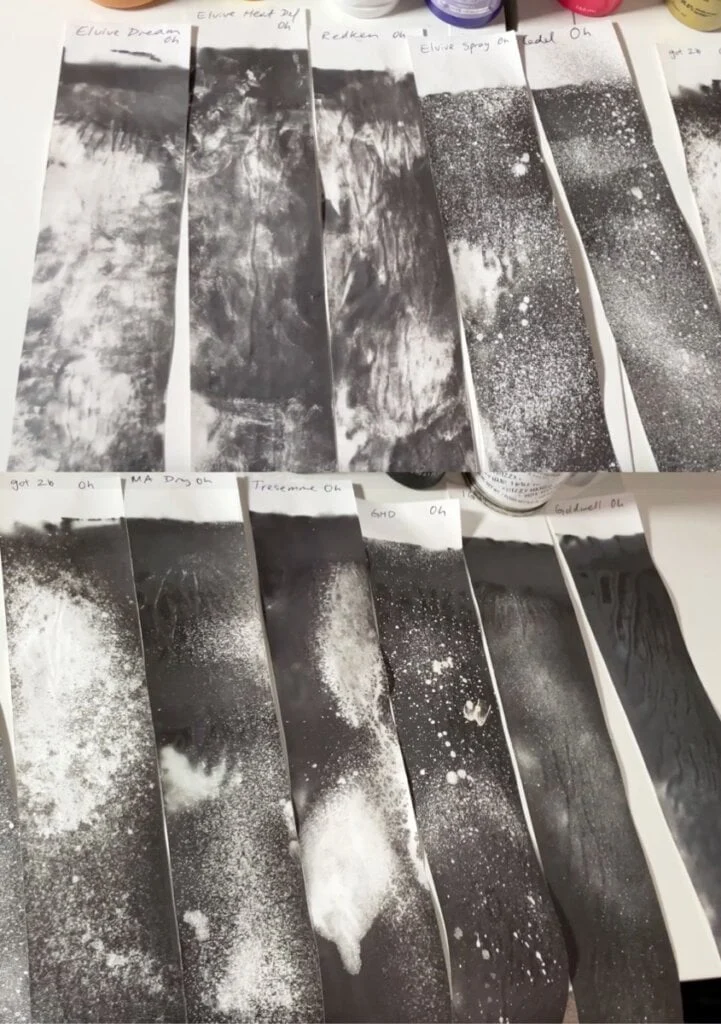
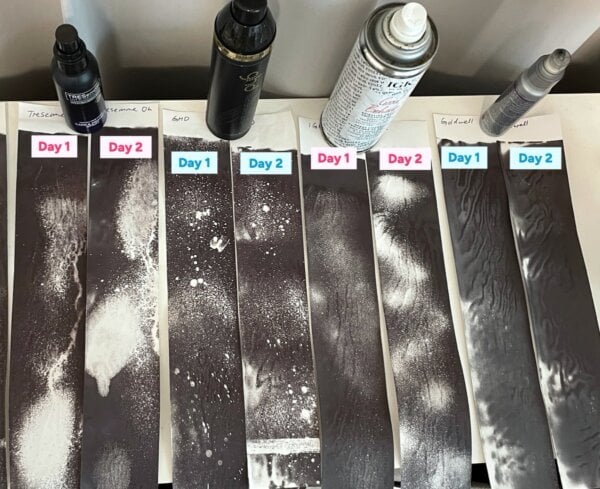
Her initial experiments involved 11 heat protectants, comprising 7 pump sprays, 1 propellant spray, and 3 cream products, chosen for their diverse formulations. She applied these products to receipts and then used a flat iron set to 170°C (338°F), similar to the temperatures used in viral videos. Immediately, she observed crackling and smoking when applying the straightener to wet products. This led to a crucial modification: allowing products to dry for approximately 15 minutes.
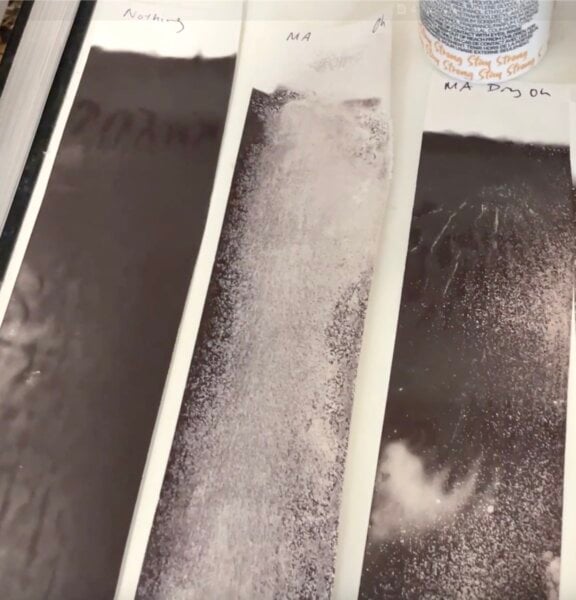
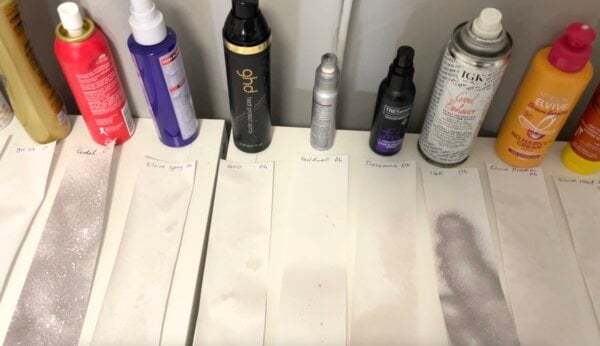
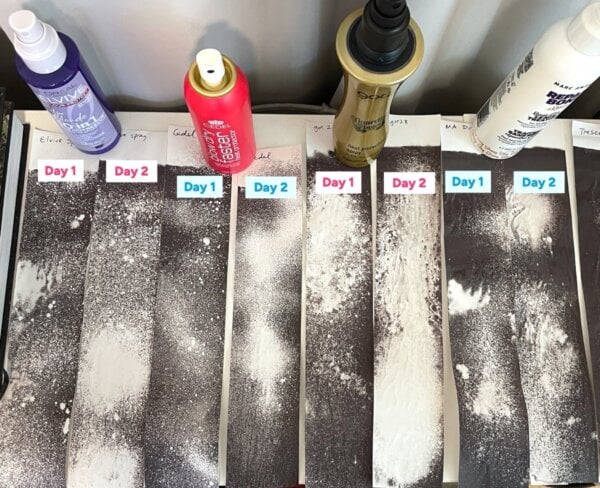
The initial results from this "Day 1" test revealed significant variations. Receipts treated with cream products generally remained lighter, which Wong hypothesized was due to their thicker application providing more insulation and slower drying times, thus retaining more water. Conversely, two sprays, Goldwell and IGK, resulted in the darkest receipts. These products were notable for having water low on their ingredient lists, suggesting less buffering from heat. However, the lack of controlled product application made it difficult to draw definitive conclusions, with variations potentially stemming from differing amounts of product or drying times.
The Role of Water: An Initial Explainer
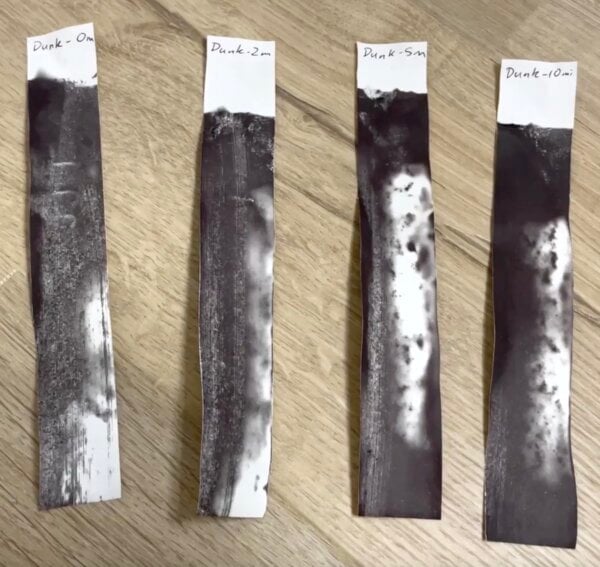
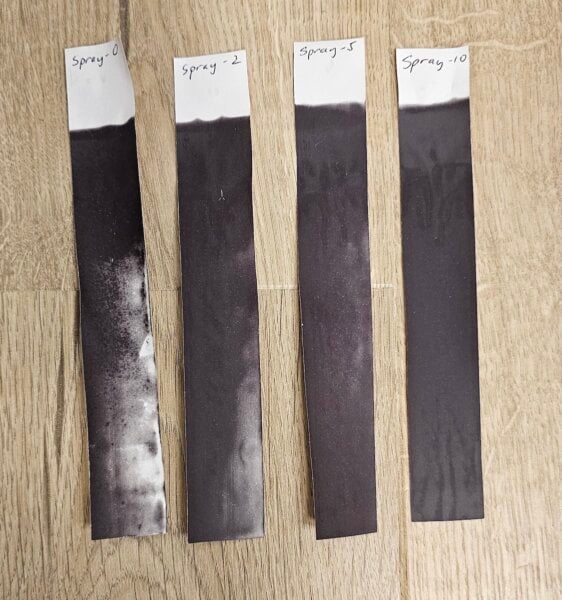
Wong then specifically investigated the role of water in the test outcomes. Water is known for its high specific heat capacity and latent heat of vaporization, meaning it can absorb a substantial amount of heat energy before its temperature rises significantly or it evaporates. This property makes water an effective cooling agent. She conducted experiments where receipts were either dunked in water or sprayed with it, then heated immediately, after 2 minutes, 5 minutes, and 10 minutes.
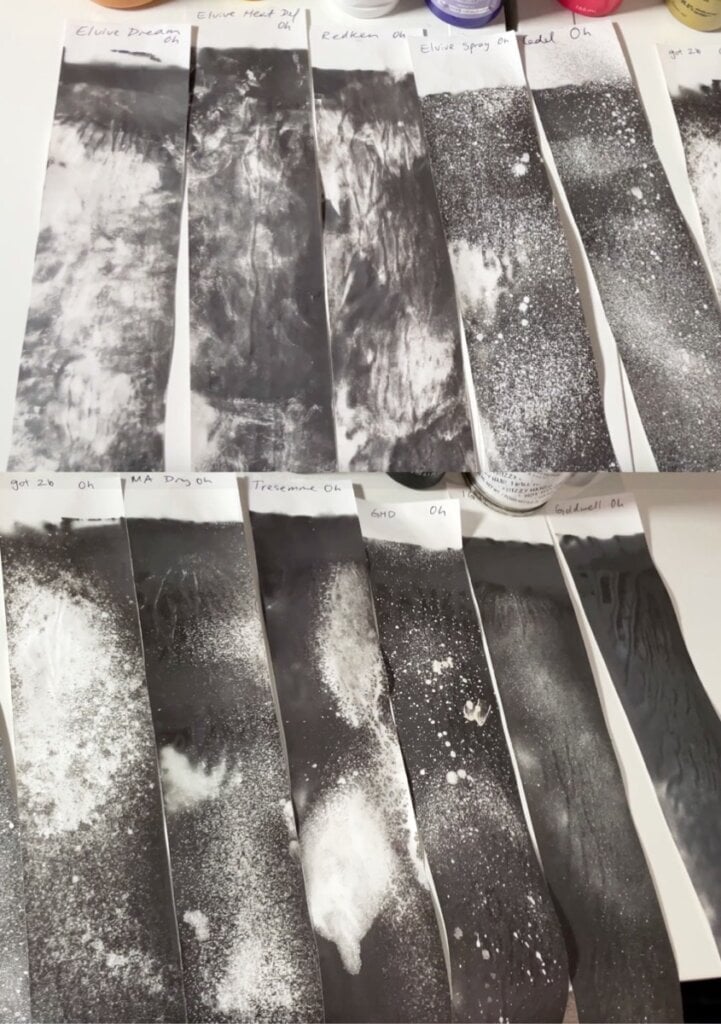
The "dunked" receipts remained largely white across all drying times, suggesting a substantial cooling effect from the saturation of water. Interestingly, the receipt tested immediately appeared slightly less white, possibly because the water had not yet fully penetrated the paper to maximize its cooling capacity. For the "sprayed" receipts, the immediate application showed some white areas, but by 2 minutes, the receipt was grey, and by 5 minutes, it was black. This clearly demonstrated that water significantly influences the receipt’s reaction to heat, with more drying time leading to darker results as the cooling effect diminished.
This observation initially supported the idea that products appearing "effective" in the viral test might simply be keeping the receipts wet, thus leveraging water’s cooling properties. However, water is a poor heat protectant for hair. When trapped within hair and exposed to extreme heat from styling tools, water can explosively evaporate, leading to "bubble hair" – a form of severe structural damage where voids are created within the hair shaft, making it brittle and prone to breakage. This highlights a critical disconnect: a cooling effect on a receipt does not equate to genuine hair protection. Furthermore, true heat protectants aim to distribute heat evenly and minimize damage, not merely block heat, as hair needs heat to be styled effectively.
The Unforeseen Complication: Revealing Thermal Paper’s True Heat Threshold
A pivotal moment in Wong’s investigation occurred when researching thermal paper specifications. Initial searches for "thermal paper temperature" yielded results ranging from 150-185°C, seemingly aligning with hair straightener temperatures. However, a deeper dive, including a German Wikipedia article and scientific papers, revealed a much lower activation range: 40-80°C for melting the internal components, and color development beginning between 60-100°C, reaching applicable density between 70-120°C.
This discovery was a significant "spanner in the works." If receipts changed color at, say, 50°C, the test would be entirely irrelevant to hair protection, as hair typically doesn’t sustain damage until around 100°C. To verify this, Wong performed a simple test: pouring boiling water (100°C) onto a receipt, which immediately turned black. This confirmed the temperature threshold was indeed below 100°C.
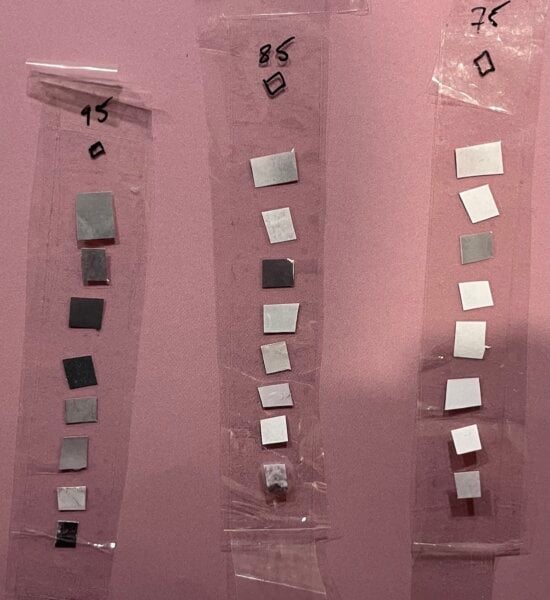
To pinpoint the exact temperature, Wong conducted "receipt temperature tests" by dipping various types of receipts into beakers of water cooled to different temperatures. After some methodological challenges (paper falling off tape, adhesive interfering), she successfully used plastic wrap to secure the receipts. Her results showed that most receipts turned black around 95°C. This finding, while initially alarming due to the lower general range, ultimately confirmed that the specific receipts she used did react at a temperature relevant to hair damage. This meant the cooling effect of water or other substances could genuinely delay the receipt’s color change by preventing it from reaching the ~95°C threshold.
Beyond Water: A Deeper Chemical Mechanism Emerges
Despite the confirmed role of water, several observations remained unexplained by simple cooling:
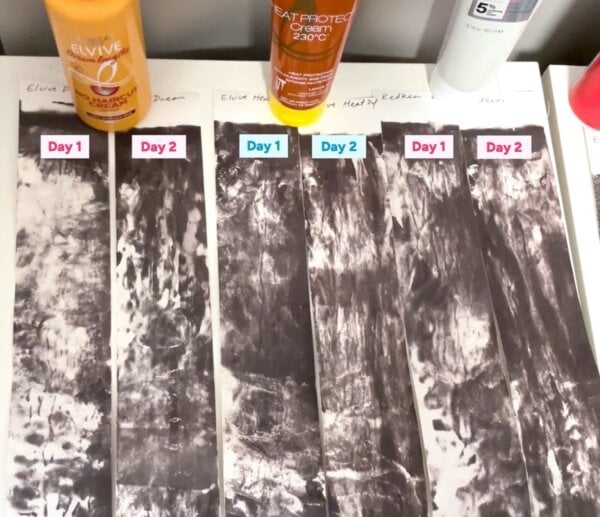
- Receipts sprayed with products sometimes turned grey before heating.
- Some spray products appeared lighter on Day 2 (after 24 hours of drying) than on Day 1 (after 15 minutes).
- Creams, despite potentially containing less volatile solvents than some sprays, often resulted in lighter receipts.
- The effects of sticky tape on receipt darkening.
These anomalies led Wong to a new, more comprehensive hypothesis: Heat protectants that "work" in this test are dissolving the ink layer on the receipt.
Thermal paper ink is a complex system where separate components (dye, developer, sensitizer) are suspended in a solid, invisible layer. Heat melts this layer, allowing the components to mix and react to form the visible black color. However, this ink layer is fragile. Solvents can disrupt its integrity. Wong observed that some receipts in Lucy Seitz’s videos also showed subtle grey discoloration, particularly where they later remained white after heating. This suggested that the products were not just preventing color formation, but erasing or preventing the ink from forming correctly in the first place.
Confirmatory Receipt Tests with Other Products
To validate her new hypothesis, Wong tested various substances known for their solvent properties:
- Alcohol, Water, Glycerin: Drops of methylated spirits (alcohol), alcohol mixed with water, and alcohol with water and glycerin all kept receipts light after heating, even after 30 minutes of drying. Diluted alcohol produced a whiter receipt than pure alcohol, as the water and glycerin, being humectants, would slow alcohol evaporation, allowing it more time to disrupt the ink layer. This explained why some sprays looked lighter on Day 2 – the solvent action continued over time. Water and water with glycerin, being less effective solvents for the oily receipt ink, did not significantly disrupt the ink.
- Other Products with Alcohol: Perfume, which is high in alcohol, immediately turned receipts grey and kept them white after heating. Dry shampoo also caused immediate greying, though it was less effective at keeping the receipt white after heating, likely due to a quicker evaporation of its alcohol content with fewer humectants to prolong its solvent action.
- Surfactants: Many heat protectants that "worked" in the viral test, but lacked high alcohol content, contained surfactants. These ingredients, commonly found in cleansers and emulsifiers in creams, are also effective solvents. Micellar water and water with detergent, both rich in surfactants, kept receipts white after 30 minutes. Similarly, moisturizers (like CeraVe Moisturising Cream) and cream sprays (Laneige Cream Skin), which contain emulsifying surfactants, also kept receipts white. Sunscreens, often combining alcohol and surfactants (e.g., La Roche-Posay Anthelios UVMune 400 Fluid, Naked Sundays spray), also yielded white results. This explained the variable results for sprays (some with high alcohol, some without, others with surfactants) and the consistent effectiveness of creams (all contain emulsifiers, and rubbing them aids ink disruption). The effect of sticky tape was also attributed to its adhesive, which often contains solvents or surfactants.
- Volatile Silicones: Testing cyclopentasiloxane, a volatile silicone, from a two-phase eye makeup remover, showed little impact on the receipt. This suggested that highly oily, quickly evaporating silicones might be too immiscible or too transient to significantly dissolve the ink layer, explaining why some silicone-based heat protectants might "fail" the receipt test despite being effective on hair.
- Propellant: Wong also tested compressed air (essentially propellant HFC-152a, found in some high-performing products in Lucy Seitz’s tests) and found it had no effect, ruling out the propellant itself as a factor in ink disruption.
Finally, to conclusively demonstrate the solvent effect, Wong applied alcohol, perfume, sunscreen, micellar water, and moisturizer directly to already-darkened receipts. These substances largely succeeded in "erasing" the black ink, further confirming that they were dissolving the ink layer rather than merely preventing heat transfer.
Expert Consensus and Industry Standards
The investigation by Lab Muffin Beauty Science unequivocally demonstrates that the viral thermal receipt test is a pseudoscientific method for evaluating heat protectants. The observed "protection" is primarily a consequence of the product’s solvent properties disrupting the thermal paper’s ink layer, compounded by the cooling effect of residual water. Neither mechanism correlates with actual hair protection.
In contrast, reputable beauty brands and scientific bodies employ rigorous, instrumental testing methods to assess heat protectant efficacy. These include:

- Tensile Strength Testing: Measuring hair strength before and after heat styling with and without protectants.
- Scanning Electron Microscopy (SEM): Visualizing cuticle damage at a microscopic level.
- Combing Force Measurements: Assessing how easily hair can be combed, indicating surface smoothness and damage.
- Differential Scanning Calorimetry (DSC): Analyzing changes in hair protein structure at different temperatures.
- Controlled Heat Exposure: Using specialized machines to apply consistent heat to hair swatches and evaluate damage.
An example cited by Wong is Amika, a brand whose product "failed" the receipt test but demonstrated its true efficacy through instrumental testing involving repeated combing of treated hair samples in a controlled machine. These methods provide quantifiable, objective data on how products genuinely mitigate thermal damage to hair.
Implications for Consumers and Future Trends
The debunking of the viral heat protectant receipt test carries significant implications for consumers and the broader landscape of beauty information. Relying on such misleading DIY tests can lead to:
- False Confidence: Consumers might believe ineffective products are protecting their hair, leading to increased damage over time.
- Misguided Product Choices: Effective heat protectants might be wrongly dismissed, while products with good solvent properties (but poor hair protection) are favored.
- Erosion of Trust: The spread of misinformation can make it harder for consumers to discern credible scientific advice from anecdotal or visually deceptive claims.
For consumers seeking genuine heat protection, Michelle Wong advises looking for products from brands that explicitly mention rigorous testing on their packaging, such as "instrumental tests," "tested against non-conditioning shampoo," or specific temperature claims. Key ingredients known for their heat-protective properties include various silicones (e.g., dimethicone, amodimethicone), polymers (which form a protective film), and hydrolyzed proteins. Crucially, if a heat protectant contains water, it is imperative to allow the hair to dry completely before applying hot styling tools to avoid the detrimental "bubble hair" effect.
In an era of ubiquitous social media, this investigation serves as a powerful reminder of the importance of scientific literacy and critical evaluation. While visually compelling, DIY experiments often lack the controlled variables and mechanistic understanding necessary to provide accurate scientific conclusions, underscoring the value of expertise from qualified scientists in the beauty industry.
