

Polycystic Ovary Syndrome (PCOS) remains one of the most prevalent endocrine disorders among women of reproductive age, affecting approximately 8% to 13% of the global female population. While the condition is primarily characterized by hormonal imbalances, irregular menstrual cycles, and metabolic challenges, its impact extends significantly into the realm of reproductive health and pregnancy. For women diagnosed with PCOS, the journey to a healthy full-term pregnancy often requires a more nuanced approach to nutrition and supplementation than the general population. Medical experts and reproductive specialists increasingly emphasize that specialized prenatal vitamins are not merely a supplement but a critical component in managing the unique physiological hurdles posed by PCOS during the gestational period.
The Clinical Landscape of PCOS and Maternal Health
The complexity of PCOS stems from its multifaceted nature, involving insulin resistance, chronic low-grade inflammation, and hyperandrogenism (elevated levels of male hormones). When a woman with PCOS conceives, these underlying factors do not disappear; rather, they can influence the environment in which the fetus develops. Research indicates that women with PCOS face a higher statistical risk for several pregnancy-related complications, including gestational diabetes mellitus (GDM), pregnancy-induced hypertension, and pre-eclampsia.
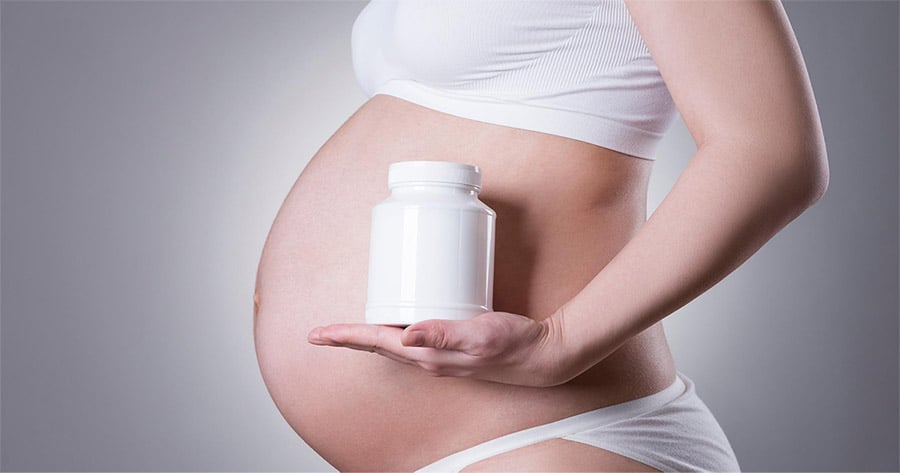
Furthermore, the metabolic environment of PCOS can affect egg quality even before conception occurs. This reality has shifted the medical discourse toward "preconception care," suggesting that the nutritional status of the mother in the months leading up to pregnancy is just as vital as the care received during the three trimesters. Consequently, the selection of a prenatal vitamin for a patient with PCOS is a strategic decision aimed at stabilizing blood sugar, reducing systemic inflammation, and ensuring that the high demand for specific micronutrients is met.
Core Nutritional Pillars for PCOS Pregnancies
While all prenatal vitamins aim to provide a baseline of health, certain nutrients carry heightened importance for those managing PCOS. The American Pregnancy Association and various reproductive endocrinologists highlight five core nutrients that serve as the foundation for a healthy PCOS pregnancy.
Folate and the Prevention of Neural Tube Defects
Folate, or Vitamin B9, is universally recognized for its role in preventing neural tube defects (NTDs) such as spina bifida. For women with PCOS, the choice between synthetic folic acid and the bioactive form, methylated folate (5-MTHF), is often a point of clinical discussion. Some studies suggest that individuals with PCOS may have a higher prevalence of the MTHFR gene mutation, which impairs the body’s ability to process synthetic folic acid.

The recommended daily intake of 400 micrograms (mcg) is essential during the first trimester when the baby’s spinal cord and brain are forming. Beyond NTD prevention, folate has been linked to a reduced risk of other congenital issues, including cleft lip and certain heart defects. Because PCOS can sometimes delay the realization of pregnancy due to irregular cycles, beginning a folate-rich regimen during the preconception phase is considered a best practice in maternal medicine.
Iron and Oxygen Transport
Pregnancy significantly increases the volume of blood in a woman’s body, creating a massive demand for iron to produce hemoglobin. Iron is the primary vehicle for carrying oxygen to both the mother’s tissues and the developing fetus. Women with PCOS, who may already struggle with fatigue related to insulin resistance, are particularly susceptible to iron-deficiency anemia. The clinical recommendation for pregnant women is 27 milligrams (mg) daily. While iron can be sourced from lean meats and legumes, the absorption rates vary, making the inclusion of iron in a prenatal supplement a necessary safeguard against gestational exhaustion and developmental delays.
Calcium and Bone Integrity
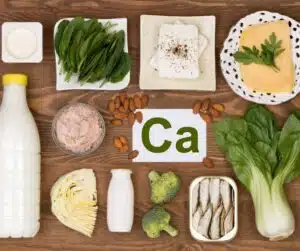
During gestation, the fetus prioritizes its own skeletal development, often drawing calcium from the mother’s own bone stores if dietary intake is insufficient. For a woman with PCOS, maintaining bone density is crucial for long-term health. The standard recommendation is 1,000 mg of calcium daily. Beyond bone health, calcium plays a role in muscle function and nerve signaling, both of which are taxed during the physical transition of pregnancy.

Vitamin D: The Metabolic Regulator
Perhaps no nutrient is more discussed in the context of PCOS than Vitamin D. Clinical data suggests that upwards of 80% of women with PCOS suffer from a Vitamin D deficiency. This is particularly concerning because Vitamin D is not just a vitamin; it acts as a pro-hormone that influences insulin sensitivity and inflammatory responses.
A deficiency in Vitamin D has been correlated with worsened insulin resistance in PCOS patients, which can increase the risk of developing gestational diabetes. The American Pregnancy Association suggests a daily intake of 4,000 IU for pregnant women, though many PCOS patients may require higher doses under medical supervision to reach optimal blood serum levels. Adequate Vitamin D also facilitates the absorption of calcium, creating a synergistic effect that supports maternal and fetal skeletal health.
Omega-3 Fatty Acids and Inflammation Control
Omega-3 fatty acids, specifically DHA (docosahexaenoic acid), are vital for the neurological and visual development of the fetus. However, for the PCOS patient, Omega-3s offer an additional benefit: they are potent anti-inflammatory agents. Chronic inflammation is a hallmark of PCOS that can exacerbate insulin resistance and androgen levels.
By supplementing with at least 300 mg of DHA daily, women with PCOS can help dampen systemic inflammation, potentially improving metabolic outcomes during pregnancy. While plant-based sources like flaxseeds exist, fish-oil-derived Omega-3s are generally considered more bioavailable and effective for reaching the necessary therapeutic levels.
Comparative Analysis of Leading Prenatal Formulations
Given the specific needs of the PCOS population, the market has seen a rise in high-quality, targeted supplements. Journalistic review of the current offerings highlights three prominent choices that vary in price point and formulation.
-
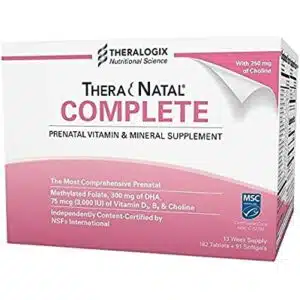
TheraNatal Complete (Theralogix): Often cited as the gold standard by fertility specialists, TheraNatal Complete is produced by the same manufacturers of Ovasitol. It is distinguished by its inclusion of methylated folate and a higher-than-average dose of Vitamin D. The product undergoes independent testing for purity, ensuring it is free from gluten and artificial dyes, which is often a priority for patients managing the sensitivities associated with PCOS.
-
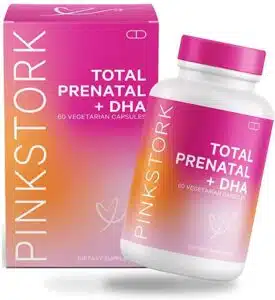
Pink Stork Total Prenatal Vitamin: This formulation is noted for its comprehensive profile, including not just the core five nutrients but also a spectrum of B-complex vitamins, zinc, and selenium. Its inclusion of Omega-3s within the same capsule makes it a convenient option for those looking to minimize the number of pills taken daily.
-
Nature Made Prenatal with Folic Acid + DHA: For patients seeking an accessible and cost-effective option, Nature Made provides a USP-verified supplement that meets the basic requirements for fetal development. While it may lack the specialized methylated forms found in premium brands, it remains a reliable choice for maintaining baseline nutritional health.
The Critical Distinction: Preconception vs. Prenatal Care
A significant development in reproductive science is the understanding that "egg quality" is a modifiable factor. For women with PCOS, hormonal imbalances often lead to poor oocyte (egg) quality, which can hinder conception or increase the risk of early pregnancy loss. This has led to the rise of preconception vitamins, which differ slightly from standard prenatals.
Preconception vitamins, such as TheraNatal OvaVite, often include antioxidants like Coenzyme Q10 (CoQ10). Clinical trials have demonstrated that CoQ10 can improve mitochondrial function in eggs, potentially leading to better fertilization rates and embryo quality. When paired with Myo-inositol—a pseudo-vitamin shown to improve insulin sensitivity and restore ovulation in PCOS patients—preconception vitamins create a robust foundation for a healthy pregnancy before the "plus sign" even appears on a test.
Broader Implications: Gestational Risks and Long-term Outcomes
The medical community’s focus on prenatal vitamins for PCOS is part of a larger effort to reduce the incidence of gestational complications. Women with PCOS are roughly three times more likely to develop gestational diabetes than those without the condition. While supplements are not a panacea, the stabilization of micronutrients like Vitamin D and Magnesium (often found in comprehensive prenatals) can play a supportive role in glucose metabolism.
Healthcare providers emphasize that while vitamins are essential, they must be part of a broader management strategy that includes a low-glycemic diet and regular physical activity. Monitoring blood pressure and glucose tolerance remains a standard of care, as the risk of pre-eclampsia—a serious blood pressure condition—is also elevated in the PCOS population.

Conclusion and Future Outlook
The management of PCOS during pregnancy has evolved from a general observation of symptoms to a proactive, nutritionally-driven discipline. As our understanding of the "PCOS phenotype" deepens, the role of targeted supplementation becomes increasingly clear. By addressing the specific deficiencies—such as Vitamin D and Omega-3s—and supporting the increased demands for folate and iron, women with PCOS can significantly narrow the gap in pregnancy outcomes compared to the general population.
The future of PCOS maternal care likely involves even more personalized nutrition, where blood panels guide specific dosages of micronutrients. For now, the integration of high-quality, independently tested prenatal vitamins remains the most effective tool for mothers-to-be to safeguard their health and the development of their children. As research continues to validate the link between maternal nutrition and long-term offspring health, the emphasis on specialized PCOS prenatal care will undoubtedly remain a cornerstone of reproductive medicine.
