
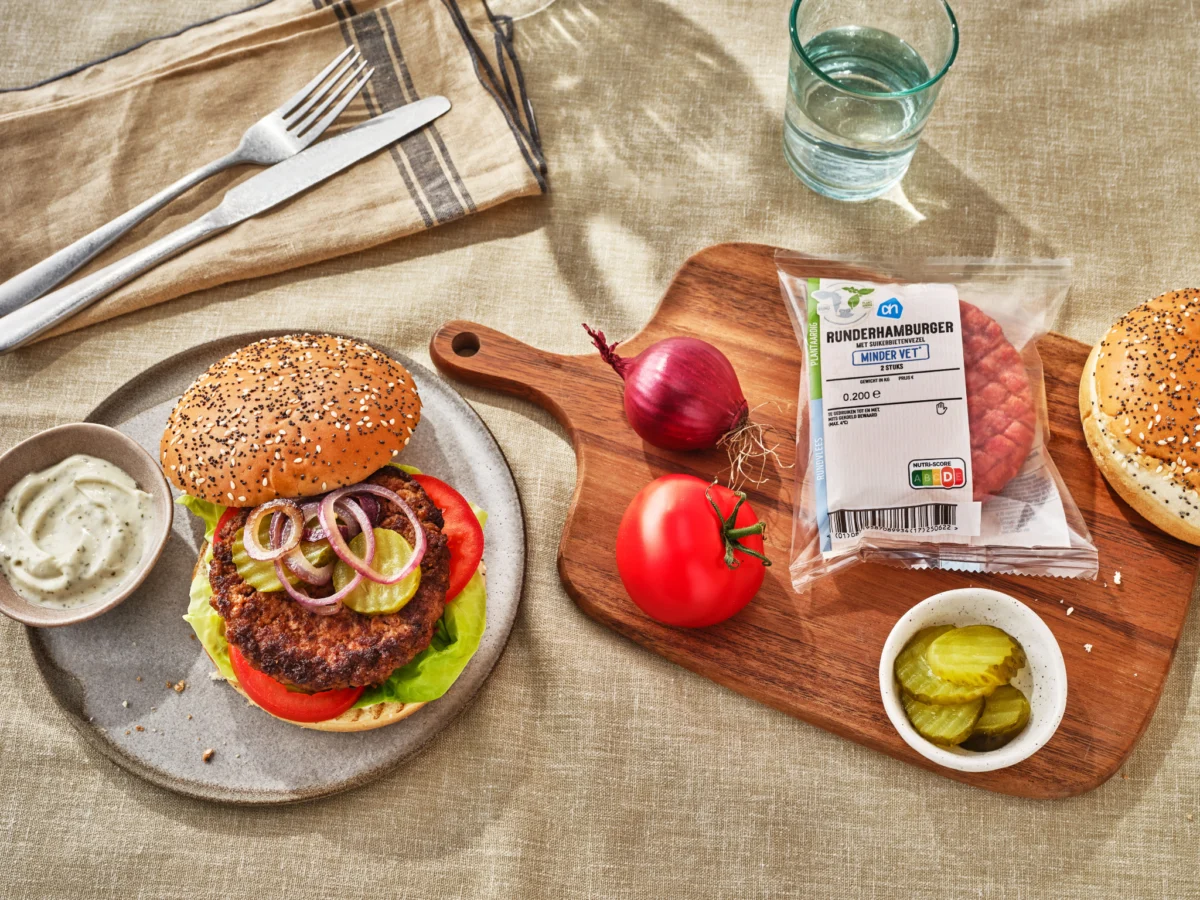
A comprehensive new analysis reveals that private-label products constitute the majority of blended protein launches in the Netherlands, offering consumers an average cost saving of 4.4% compared to traditional meat and dairy options. This trend signifies a significant shift in the Dutch food landscape, with "balanced proteins" – a category encompassing products that combine animal and plant-based ingredients – rapidly gaining traction. The report, by Wageningen-based non-profit Foodvalley, underscores the growing consumer interest in healthier, more environmentally conscious, and economically viable food choices.
The Netherlands has strategically positioned itself at the forefront of this protein revolution. The country’s robust agricultural sector, coupled with a proactive approach to food innovation and a receptive consumer base, has fostered an environment ripe for the adoption of blended protein products. This emergence is not an overnight phenomenon but rather a culmination of evolving dietary preferences, increasing awareness of the environmental impact of food production, and persistent economic considerations for households.
The Rise of Balanced Proteins: A Multifaceted Trend
Blended meat, often referred to as hybrid meat, integrates animal proteins with plant-based ingredients such as legumes, grains, and vegetables. This fusion aims to achieve a trifecta of benefits: enhanced nutritional profiles, reduced environmental footprint, and improved affordability. The Foodvalley study meticulously examined 115 such products available in the Dutch market, revealing a strong emphasis on meat-based offerings. Out of the total analyzed, 111 were meat-based innovations, including familiar formats like mince, sausages, burgers, and ready meals. While the dairy sector is also seeing burgeoning activity, with four hybrid dairy products identified (two milks, a yogurt, and a cheese snack), the meat category currently dominates the blended protein landscape.
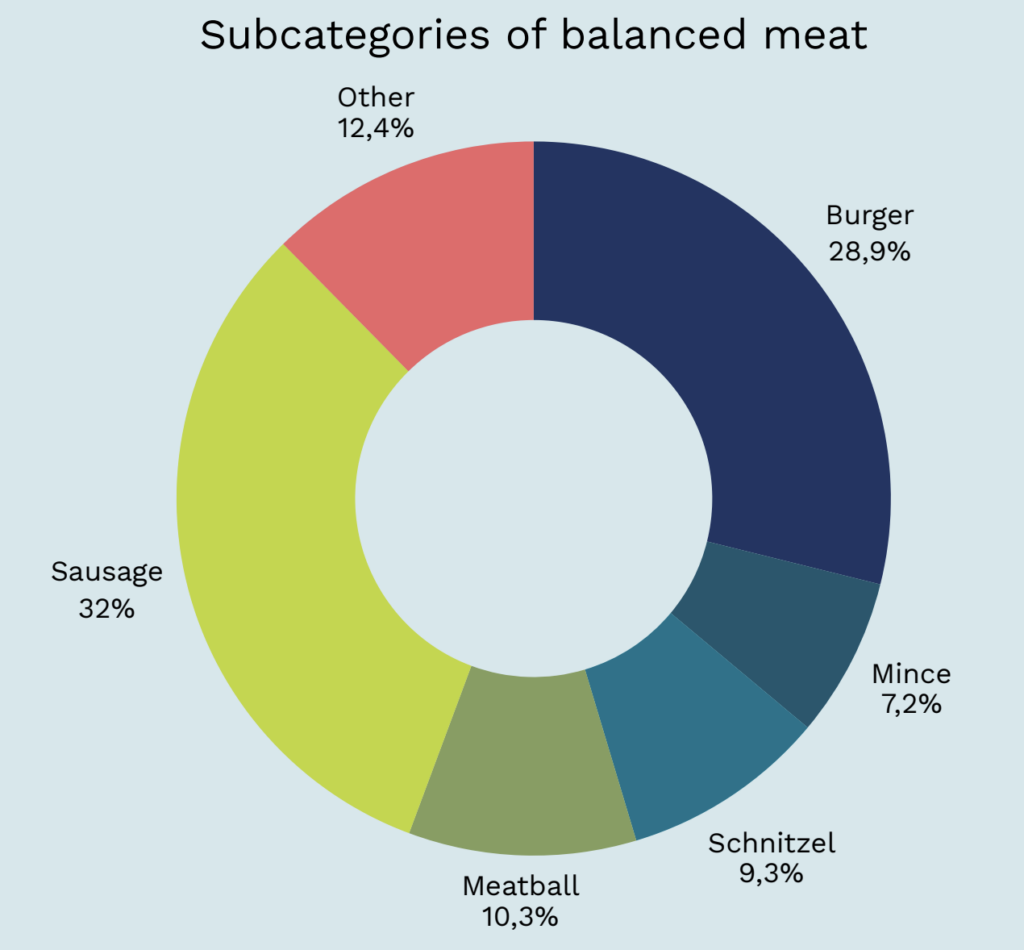
Sausages emerged as the most popular format for blended meat, accounting for a substantial 32% of all new product introductions. Burgers followed closely, representing 29% of the market. Pork and beef were identified as the most prevalent animal protein sources incorporated into these hybrid products, reflecting established consumer preferences.
The integration of plant-based ingredients in these blended products is strategically implemented, with an average inclusion rate of 10.5%. Fava beans proved to be the star player in this regard, appearing in approximately 55% of all "enriched" meat products. Sugar beet fiber also demonstrated significant popularity, featuring in over 20% of formulations. This indicates a thoughtful approach by manufacturers to leverage the functional and nutritional benefits of specific plant-based components to complement animal proteins.
Consumer Communication and Labeling Strategies
A nuanced aspect of the blended protein market, as highlighted by the Foodvalley research, lies in the communication strategies employed by manufacturers. A significant majority of products, accounting for 70% of the total analyzed, adopted a "soft" communication approach, listing plant-based ingredients only on the back of the packaging. This strategy is often associated with lower proportions of animal-free components, averaging 5.8%. In contrast, products that prominently declare their plant-based ingredients on both the front and back of the packaging tend to incorporate a higher percentage of these ingredients, averaging 19.5%. This difference in transparency suggests a varied approach to market positioning, potentially catering to different consumer segments or regulatory considerations.
The economic advantages of blended proteins are a primary driver of their increasing adoption. The study found that in 60% of instances, balanced proteins were priced lower than their 100% animal-based counterparts. An additional 20% of products were found to be priced comparably. On average, blended formats offered a cost saving of €1.27 per kilogram or liter compared to conventional meat or milk. This price differential is a compelling factor for consumers, particularly in an era of rising food costs and economic uncertainty.
Nutritional Advantages and the Role of Supermarkets
Beyond affordability, blended proteins often present an improved nutritional profile. In a comparison of 31 blended protein SKUs, 55% demonstrated nutritional parity with their conventional equivalents, while a noteworthy 35% achieved a better Nutri-Score ranking. This enhanced nutritional standing is attributed to factors such as lower saturated fat levels and increased fiber content.
The research underscored the significant role of supermarkets in driving the blended protein market in the Netherlands. A remarkable 91% of all analyzed blended protein products were found to be sold under private-label brands. This indicates a strong strategic focus by retailers to develop and promote their own-brand blended protein offerings, capitalizing on consumer trust and the ability to control pricing and product development.
Major Dutch retailers have actively embraced this category. Lidl, for instance, has been offering competitively priced blended meat options since 2024. Other prominent players, including Aldi and Albert Heijn, have also joined the bandwagon. Albert Heijn, in particular, has launched an extensive range, featuring 15 blended meat and milk products, signifying a substantial commitment to the category. Jumbo leads the market in terms of product share, commanding 44% of the blended protein offerings, followed by Albert Heijn with a 28% share.
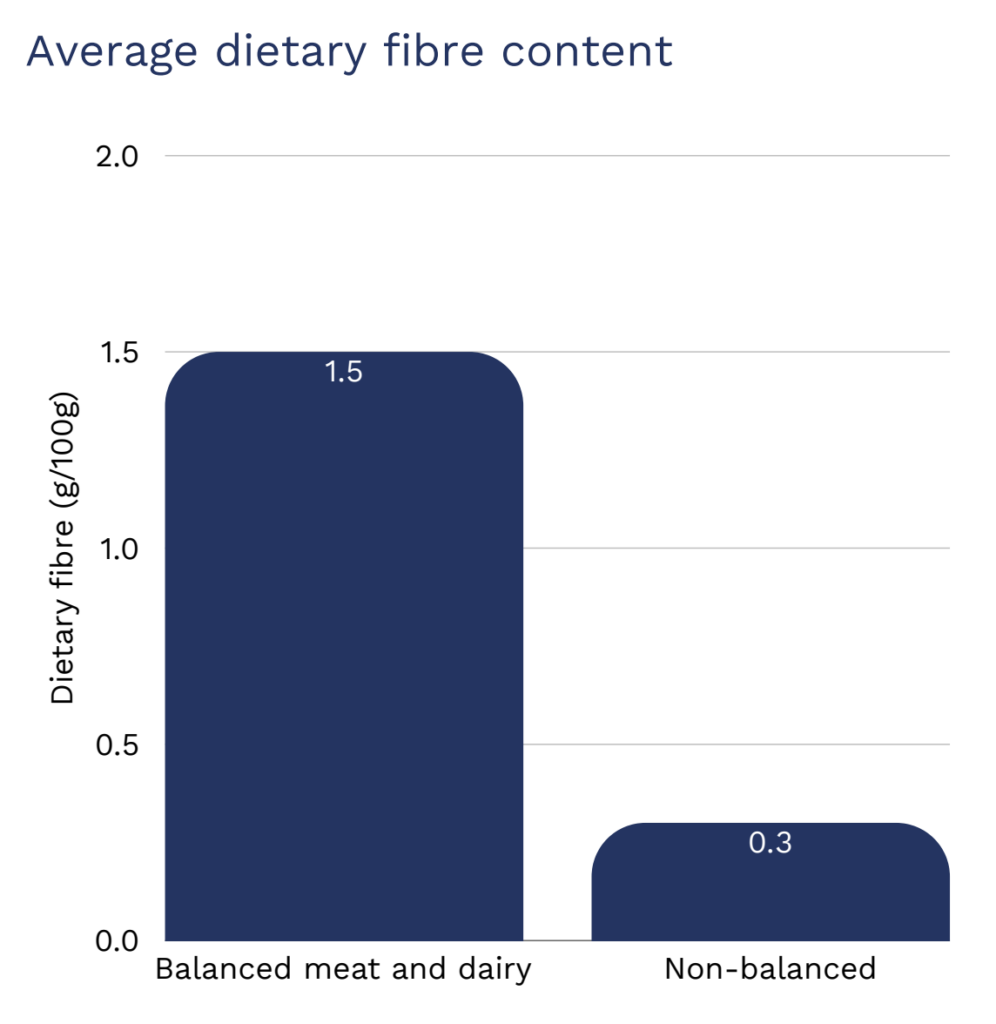
The dietary fiber content of balanced proteins is a significant nutritional benefit. In 81% of cases examined, these products exhibited higher dietary fiber content compared to their animal-based counterparts, with 12% matching them. On average, the fiber content in balanced proteins was found to be approximately five times higher. While 100% meat and dairy products generally retained a slightly higher protein content (in 70% of cases), balanced proteins emerged as superior in 20% of instances, with an average difference of 1.8g per 100g. It is worth noting that the average Dutch consumer consumes approximately 40% more protein than is physiologically necessary, suggesting that a focus on optimized protein intake, rather than simply maximizing it, is a viable nutritional strategy.
Future Outlook and Industry Collaboration
The Foodvalley report anticipates continued growth and evolution within the balanced meat sector. "In the coming years, balanced meat will keep evolving. Even more so when meat prices do not go down significantly," the report states. Projections for the next twelve months indicate a doubling of Stock Keeping Units (SKUs) for blended protein products in the Dutch retail sector.
Furthermore, the organization foresees a rise in blended protein introductions within the dairy domain, specifically targeting categories like quark, yogurt, and cheese. Acknowledging potential regulatory hurdles, the report emphasizes the need for careful consideration of naming conventions within the balanced dairy category to ensure clarity and compliance.
The resurgence of balanced products is attributed to a confluence of factors, including rising meat prices and Dutch retailers’ accelerated efforts to achieve protein transition targets. While the current percentages of non-animal ingredients in balanced products may still be relatively modest, the substantial sales volumes translate into a significant reduction in the overall demand for conventional meat.
"Over the past two years, driven by rising meat prices and Dutch retailers’ desire to achieve protein transition targets more quickly, balanced products are making a comeback," Foodvalley stated. "Even if the percentages of non-animal ingredients in balanced products are still relatively low, the amounts of meat required are significantly less, given the high sales volumes."
The success of this category moving forward will hinge on a complex interplay of factors. "Taste perception, pricing, way of communication, and availability will, amongst other characteristics, determine if there will be a full comeback of balanced meat, dairy or fish," the organization added.
To further bolster the growth of this innovative sector, Foodvalley has initiated a partnership with the US non-profit Food System Innovations. This collaboration aims to accelerate the adoption of blended proteins by disseminating the latest research, innovations, and consumer insights, drawing upon extensive taste test data already collected in the US and Singapore. This global perspective and collaborative effort are poised to drive further innovation and market penetration for balanced proteins worldwide. The strategic alignment of consumer needs for affordability and sustainability with industry innovation positions blended proteins as a key component of the future food system.
