

Recent scientific investigations are challenging the prevailing narrative that all ultra-processed foods (UPFs) are inherently detrimental to health, particularly in the context of plant-based meat alternatives. For years, these products have been lauded as healthier substitutes for traditional processed meats, offering benefits such as lower saturated fat, higher fiber content, and the absence of cholesterol. However, growing concerns surrounding the ubiquity of UPFs have cast a shadow over the plant-based sector, leading some consumers and critics to view them with suspicion, equating their processing levels with unhealthiness. This has, in turn, prompted a segment of the market to pivot towards whole-food-based alternatives, with companies like This and Juicy Marbles diversifying their product lines to cater to this demand.
Despite the broad categorization of UPFs, nutrition experts caution against a blanket condemnation based solely on the degree of processing. They emphasize that the nutritional impact of a food item is far more nuanced than a simple processing label might suggest. For instance, a highly processed biscuit like an Oreo has a demonstrably different effect on the body than a loaf of whole-grain bread, even if both fall under the UPF umbrella. This distinction is crucial when evaluating the health implications of various food categories.
In stark contrast, the health risks associated with processed animal meats are well-established and widely acknowledged. A comprehensive review conducted last year, which analyzed over 70 studies, concluded that there is no safe level of processed meat consumption. Even small intakes have been linked to increased risks of developing serious health conditions, including heart disease, colorectal cancer, and type 2 diabetes. This strong scientific consensus underscores the urgent need for dietary shifts away from these products.
It is within this context that two recent studies from the London School of Hygiene and Tropical Medicine have provided significant new evidence. These studies reinforce long-held views among nutritionists: that plant-based meat alternatives can offer substantial dietary improvements when compared to their processed animal counterparts. A primary driver of these benefits, the research highlights, is the inherent fiber content of plant-based options.

Plant-Based Meat’s Nutritional Edge Over Processed Meats
The first study, published in the journal Current Developments in Nutrition, focused on the dietary impact of substituting processed meat with popular, nutritionally balanced, or affordable plant-based meat products available in the UK market. The findings revealed that such a dietary swap can lead to a notable increase in overall fiber intake, estimated to be between 4% and 6%. Concurrently, saturated fat intake could be reduced by 6% to 7%, and salt consumption by 3% to 4%. Crucially, all the plant-based meat products evaluated in the study met the criteria for "healthy" nutritional profiles as defined by the UK Food Standards Agency’s Nutrient Profiling Model.
While prior research has indicated that vegan alternatives generally possess a superior nutritional profile compared to processed meat, this marks the first analysis to quantitatively confirm that the difference is significant enough to translate into meaningful improvements in overall dietary intake.
The increase in fiber intake is particularly noteworthy, given the widespread dietary deficiencies in the UK. Statistics reveal that a staggering 96% of Britons do not consume sufficient fiber, a vital nutrient known to lower the risk of heart disease, type 2 diabetes, and certain types of cancer. This dietary gap has spurred public health initiatives and popular movements. Platforms such as the nutrition app Zoe and documentaries like Netflix’s "Hack Your Health" have brought increased attention to the importance of gut health and fiber. Furthermore, the "30-plants-a-week" movement has inspired online trends such as "fibremaxxing" and "fibrelayering," emphasizing the drive for higher fiber consumption.
The growing prominence of GLP-1 drugs, widely used for weight management, has also inadvertently highlighted the role of dietary fiber. Fiber plays a crucial role in triggering the body’s natural GLP-1 response and promoting gut health. Recent data indicates that over 1.5 million individuals in the UK are now using weight-loss medication, a figure that has nearly doubled between 2024 and 2025, suggesting a heightened public interest in metabolic health and associated dietary strategies.
Simultaneously, a significant portion of the UK adult population, approximately 81%, exceeds the recommended daily intake of saturated fat, a primary contributor to heart disease. Processed meats, including bacon, hot dogs, and ham, are particularly high in saturated fats, making their reduction a key public health objective.
The researchers behind the study observed that, despite their classification as ultra-processed, most plant-based meat products do not exhibit the typical nutritional characteristics associated with unhealthy UPFs, which are often high in salt, sugar, and fat. "On the contrary," the study authors noted, "some products even increased the intake of beneficial dietary components such as fruits, vegetables, and hence fibre."
Sarah Nájera Espinosa, the lead author of the study, commented on the findings, stating, "Plant-based whole foods should be prioritised, but plant-based meat and dairy alternatives, when carefully selected, can serve as a key transitional bridge to transform food systems." She added a crucial point regarding accessibility: "Without policies to improve the affordability of plant-based meat alternatives, such shifts on a population level are unlikely, missing an opportunity to drive progress towards net-zero and health targets."
The study also shed light on the economic aspect of plant-based alternatives. While non-dairy milks and yogurts were found to be more affordable than their dairy counterparts, meat analogues remained more expensive. This price disparity presents a significant barrier to widespread adoption and necessitates targeted interventions to enhance their affordability.
The Case for Fortification in Plant-Based Products
Complementing the findings of the first study, a second paper, published in the Proceedings of the Nutrition Society, further investigated the nutritional composition of plant-based alternatives. This research, conducted by the same team of researchers, corroborated that plant-based meat and dairy products, on average, contain higher levels of fiber and lower levels of saturated fat than conventional animal-based products.
The study proposed that fortifying vegan meat and dairy products with essential vitamins and minerals could elevate their micronutrient content to levels comparable to, or even exceeding, those found in animal proteins. However, the researchers identified an inconsistency among manufacturers regarding fortification practices. Some companies opt against fortification to maintain shorter ingredient lists, which can inadvertently lead to variations in the nutritional quality of plant-based meat products.
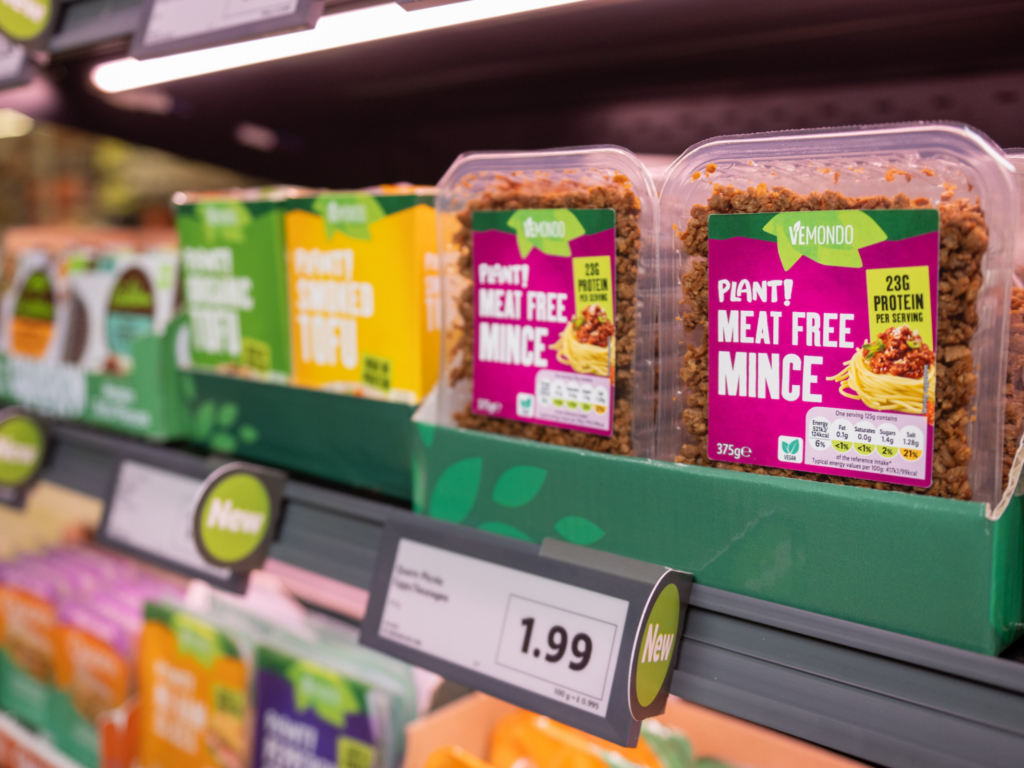
The implementation of national guidelines could foster greater consistency in product fortification. For example, the voluntary standards for meat alternatives adopted within the Dutch healthy eating guidelines have resulted in over three-quarters of locally available products being fortified with essential micronutrients.
The researchers advocate for companies to fortify their products with micronutrients commonly found in conventional meat and dairy, such as iodine, calcium, iron, and vitamin B12. Furthermore, they suggest that plant-based products have the potential to surpass animal proteins and even address common nutrient deficiencies in British diets by incorporating additional essential nutrients, with fiber being a prime example.
Espinosa, who also led this second study, emphasized the importance of enhanced fortification standards. She believes such measures would bolster the reliability of plant-based meat as a direct substitute for animal protein, stimulate further product development, inform dietary guidelines, and ultimately "guide consumer and food procurement decisions."
In response to these new studies, Amy Williams, nutrition lead at the Good Food Institute Europe, commented, "Public health bodies should introduce guidelines to ensure these foods consistently provide a reliable source of micronutrients, while retailers and manufacturers must expand efforts to ensure they are affordable and appealing." She further elaborated on the challenges consumers face, stating, "Many people want to follow healthier and more sustainable diets, but find it hard to do so long term because the available options are often more expensive or less convenient."
The industry is showing signs of progress in addressing these concerns. The sustained increase in meat prices has created a market dynamic where several vegan alternatives are now priced competitively, with some even being cheaper than their conventional counterparts. This economic shift is likely contributing to a resurgence in demand for plant-based options. Following a period of declining sales, the volume demand for chilled plant-based food in UK supermarkets saw an increase of nearly 1% in 2025, with a more pronounced rise of 1.7% in the final quarter of the year. This trend suggests a growing consumer acceptance and a market responding to both health and economic considerations.
