
UK food technology company Fermtech has successfully raised £2.5 million (approximately $3.3 million) in a funding round led by Elbow Beach, with significant participation from Carbon 13 and Empirical Ventures. This substantial investment will be instrumental in scaling up the production and commercialization of Koji Cocoa, an innovative, planet-friendly ingredient derived from cocoa shells and through a unique fermentation process. The development arrives at a critical juncture for the global chocolate industry, which is grappling with escalating climate change impacts, supply chain volatility, and growing consumer demand for sustainable and ethically sourced products.
Fermtech’s Koji Cocoa represents a novel approach to addressing the environmental and economic challenges within the cocoa sector. Unlike many emerging cocoa alternatives that focus on entirely different plant-based ingredients or lab-grown cocoa, Fermtech is looking to the existing cocoa production process itself for solutions. Based in Oxford, the company has developed a method to transform the underutilized byproducts of cocoa harvesting—specifically the shells and husks that are often discarded—into a cost-effective and lower-emission cocoa substitute. This process not only adds value to waste streams but also offers a compelling alternative for manufacturers facing the instability and rising costs associated with traditional cocoa beans.
The investment, with Elbow Beach contributing £2 million ($2.6 million), underscores investor confidence in Fermtech’s innovative technology and its potential to disrupt the multi-billion dollar chocolate market. The capital infusion is earmarked for expanding manufacturing capabilities, enhancing research and development, and broadening market penetration both within the United Kingdom and internationally. The company aims to position Koji Cocoa as a viable and attractive option for confectionery, bakery, and snacking companies seeking to mitigate supply chain risks, reduce their carbon footprint, and meet consumer demand for more sustainable food options.
Valorizing Waste Streams: The Koji Cocoa Innovation
The global cocoa industry faces significant sustainability challenges. It is estimated that up to 70% of the cacao fruit, including its outer shells, husks, and pulp, is discarded during the processing stages. This waste represents a lost opportunity to extract value and contributes to inefficient resource utilization. Fermtech’s Koji Cocoa aims to transform these "sidestreams" into a valuable ingredient.
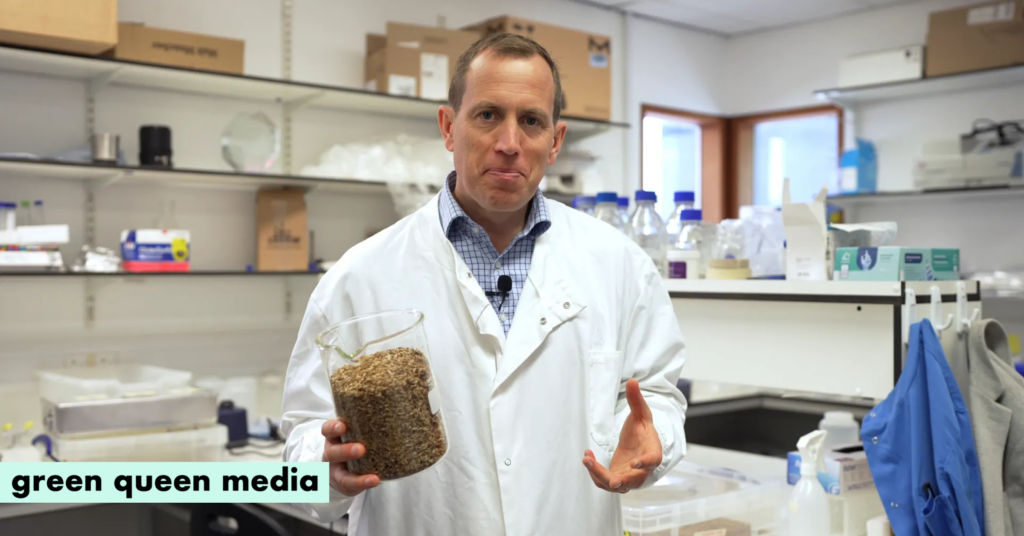
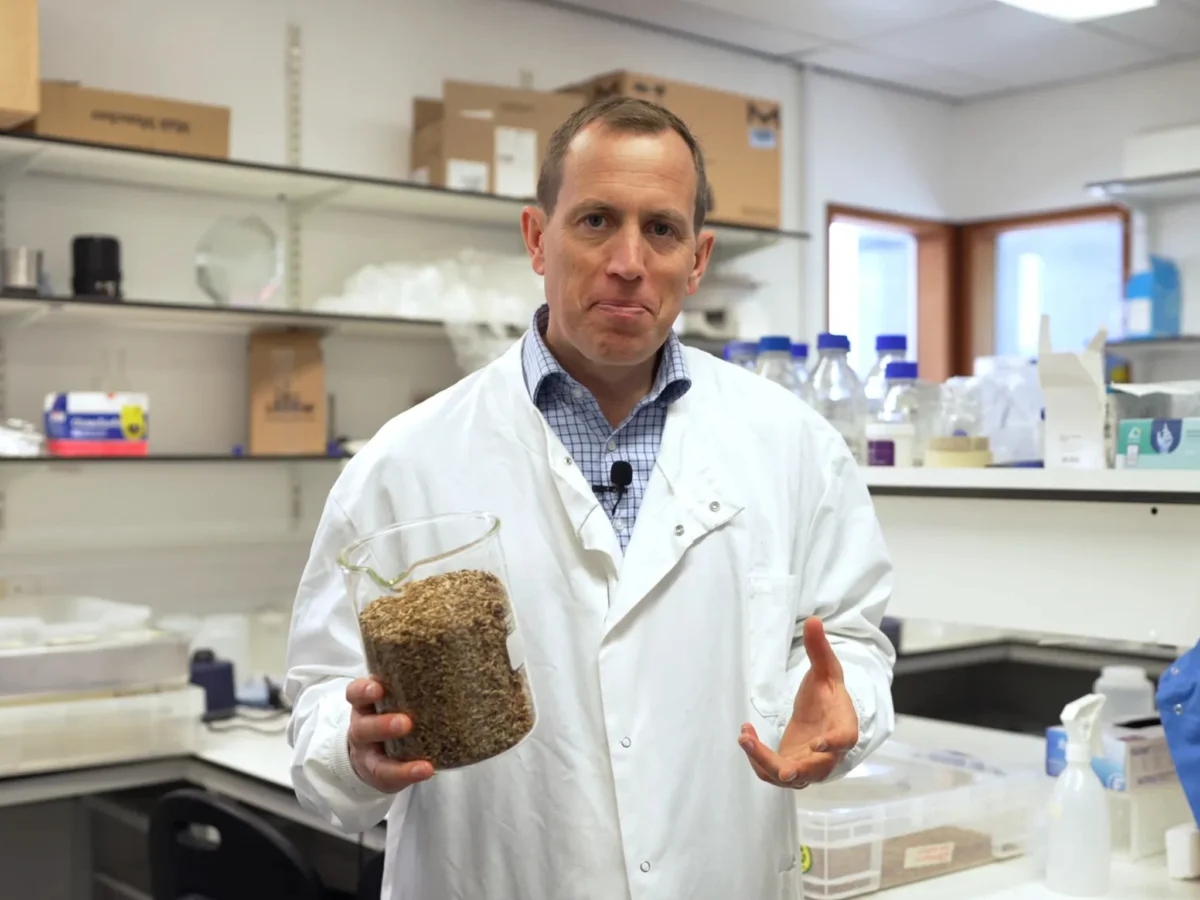
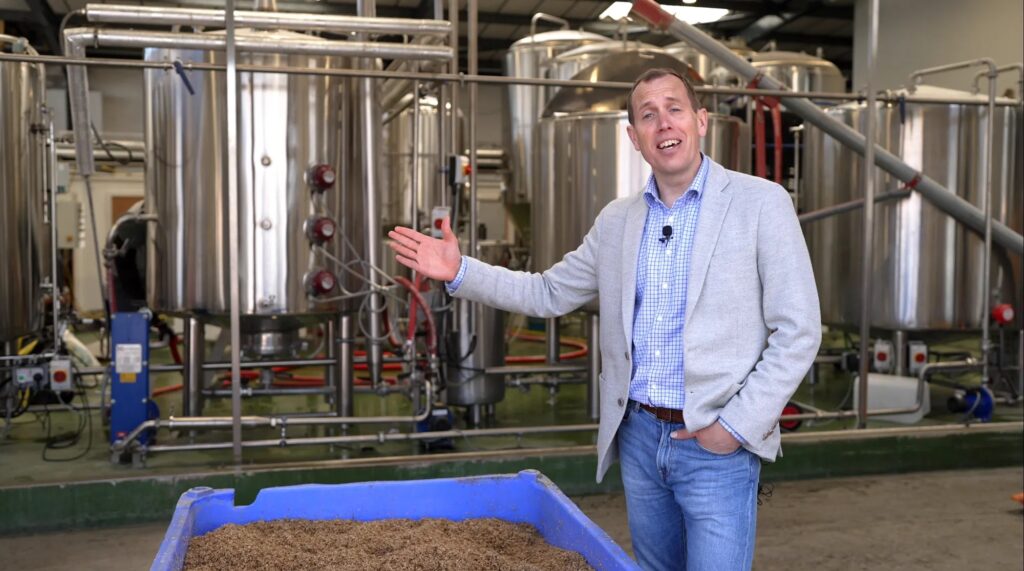
The core of Fermtech’s innovation lies in its utilization of a solid-state fermentation process powered by koji, a traditional fungal strain widely used in Asian culinary staples such as miso, soy sauce, and mirin, as well as in the production of alcoholic beverages like sake and shochu. This ancient technique is being harnessed to break down the complex components of cocoa husks and shells, converting them into a palatable and nutritious powder.
Koji Cocoa is marketed as a "true-tasting," clean-label replacer that mimics the sensory attributes of conventional cocoa, including its natural flavor, color, and texture. The fermentation process not only renders the fibrous materials more digestible but also unlocks a rich flavor profile. This allows manufacturers to seamlessly integrate Koji Cocoa into a wide array of products, from baked goods like brownies and cookies to more intricate applications such as fillings, ganaches, and ultimately, chocolate bars themselves.
The strategic advantage of Koji Cocoa extends beyond its taste and texture. By utilizing waste materials, it circumvents many of the environmental and social issues tied to conventional cocoa farming. The company emphasizes that its ingredient offers a stable and predictable supply, a stark contrast to the volatile market for cocoa beans, which has been increasingly susceptible to climate fluctuations and disease outbreaks.
Andy Clayton, founder and CEO of Fermtech, highlighted the company’s core mission: "Innovation in food has to be about great tasting, nutritious products, produced affordably. Fermtech has been committed from the start to extending the value we get from our crops, using the power of biology to unlock flavour and nutrition. This investment allows us to scale our production and get delicious foods into consumers’ hands." This statement underscores Fermtech’s dual focus on both product quality and accessibility, a critical combination for widespread adoption.
The Mounting Crisis in Cocoa Production and the Rise of Alternatives
The investment in Fermtech comes at a time when the traditional cocoa industry is under immense pressure. Cocoa production, primarily concentrated in West Africa, particularly Côte d’Ivoire and Ghana, is facing unprecedented challenges driven by climate change. Rising global temperatures, erratic rainfall patterns, and increased frequency of extreme weather events are significantly impacting crop yields and quality. These environmental stressors, compounded by agricultural practices that have led to widespread deforestation, are pushing cocoa stocks to historic lows and prices to record highs.
In 2024, cocoa futures reached unprecedented levels, signaling a critical supply shortage. This volatility directly impacts chocolate manufacturers, who are forced to contend with escalating raw material costs. The long-term outlook is equally concerning, with scientific projections suggesting that a significant portion of the world’s cocoa-producing regions could become unsuitable for cultivation by 2050 due to climate change. Furthermore, the environmental toll of conventional cocoa production is substantial, contributing to greenhouse gas emissions that rival those of beef production and driving tropical deforestation.
This confluence of factors has created a fertile ground for innovation in cocoa alternatives. Fermtech is not alone in this burgeoning market. Investors are increasingly channeling funds into companies developing novel solutions. For instance, Brazil’s Cellva recently raised $4 million for its cocoa alternative derived from coffee waste, and Italy’s Foreverland secured $7 million for its carob-based product, Choruba.
A diverse array of startups is exploring various avenues to create cocoa-free chocolate and cocoa alternatives. These include companies like Planet A Foods, Voyage Foods, Foreverland, Win-Win, and Prefer, which are developing plant-based alternatives. Simultaneously, a segment of the market is focused on cell-based or cultivated cocoa. Companies such as California Cultured, Food Brewer, Celleste Bio, and Kokomodo are pioneering the production of cocoa compounds and butter through cellular agriculture. These innovative ventures are attracting the attention and partnerships of major industry players, including Nestlé, Lindt, Barry Callebaut, Cargill, and Mondelēz International, indicating a significant industry-wide shift towards exploring and integrating alternative solutions.
Fermtech’s Strategic Position and Market Impact
Fermtech’s Koji Cocoa offers a unique value proposition by directly addressing the waste stream of cocoa production. This circular economy approach not only minimizes environmental impact but also provides a cost-effective solution for manufacturers. The company reports that its Koji Cocoa can achieve up to a 98% reduction in emissions compared to traditional cocoa and requires no additional farmland. Moreover, it can trim production costs for chocolate and baked goods by an estimated 25-33%, a significant incentive for price-sensitive industries.
Jonathan Pollock, CEO of Elbow Beach, commented on the investment, stating, "Fermtech is creating sustainable, scalable ingredients that reduce environmental and social impact and pioneer a circular economy approach benefiting food producers, consumers, and the planet. By significantly reducing input costs and improving supply chain resilience, Koji Cocoa supports adoption at scale." This endorsement highlights the dual benefits of Fermtech’s product: environmental stewardship and economic advantage.

The company is actively engaged in discussions with global players in the confectionery, bakery, and snacking sectors. These companies are actively seeking strategies to manage cost volatilities, reformulate products to reduce reliance on cocoa, or transition to lower-carbon ingredients. Fermtech’s ability to offer a direct replacement that maintains the desired sensory qualities while offering economic and environmental benefits positions it favorably to capture a significant share of this evolving market.
The successful funding round for Fermtech is more than just a financial boost; it represents a crucial step towards validating and scaling a sustainable and economically viable alternative in the global cocoa landscape. As the world grapples with the dual challenges of climate change and food security, innovations like Koji Cocoa are poised to play a pivotal role in reshaping industries and ensuring a more resilient and responsible future for beloved food products. The journey from waste product to a key ingredient in everyday treats signifies a significant advancement in food technology and a promising outlook for a more sustainable chocolate industry.
