
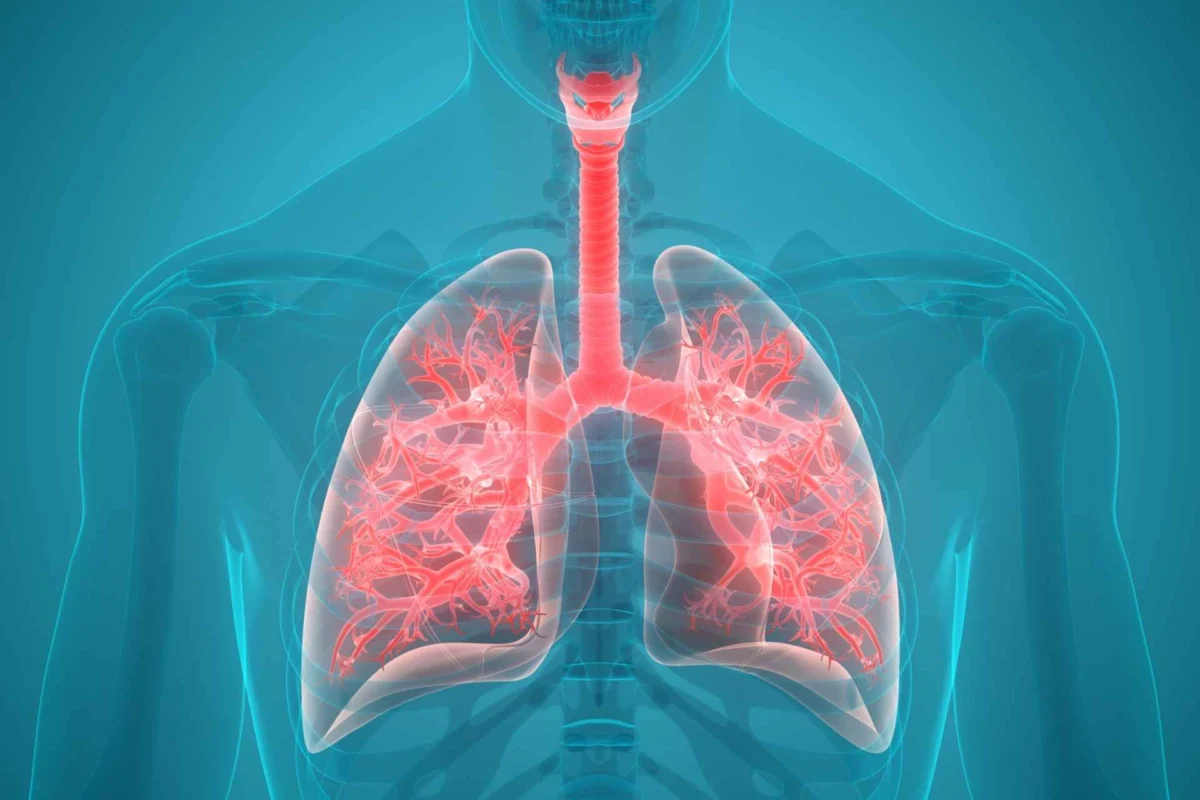
Pneumonia remains a formidable adversary in global health, consistently ranking as a leading cause of death from infectious diseases. Annually, the condition claims approximately 2.5 million lives worldwide, with a disproportionate impact on the most vulnerable populations, including children under five and adults over the age of 65. While traditional medicine has long viewed pneumonia through the lens of a single invading pathogen—typically a specific bacterium or virus—pioneering research is fundamentally altering this perspective. A landmark study published in the journal Cell Host & Microbe reveals that pneumonia is not merely an isolated infection but a complex disruption of the entire lung microbial community. This shift in the lung’s ecosystem, known as dysbiosis, interacts dynamically with the host’s immune response to dictate the severity of the illness and the likelihood of recovery.
The research, led by Jack Sumner and his colleagues at Northwestern University in Evanston, Illinois, suggests that the composition of the lung microbiota is shaped by a myriad of factors, ranging from the patient’s environment to their underlying health status. By identifying distinct "pneumotypes" or microbial fingerprints, the study provides a new framework for understanding why some patients respond well to standard treatments while others face deteriorating conditions despite aggressive antibiotic intervention.
The Evolution of Respiratory Microbiology
For decades, the prevailing medical consensus was that healthy lungs were essentially sterile environments. It was believed that the presence of any microbes in the lower respiratory tract was a sign of active infection. However, the advent of advanced genomic sequencing technologies over the last fifteen years has debunked this "sterile lung" myth. Scientists now recognize that the lungs host a diverse and resident community of microorganisms, including bacteria, fungi, and viruses, which exist in a delicate balance with the immune system.
In a healthy individual, this microbiota is primarily composed of microbes that migrate from the oral cavity in small amounts, a process known as microaspiration. When this balance is maintained, the immune system remains "educated" and vigilant without causing excessive inflammation. However, when pneumonia develops, this ecosystem collapses. The Northwestern University study highlights that rather than a single pathogen simply "arriving" and causing disease, pneumonia often involves a wholesale shift in the microbial landscape where certain species overgrow and others vanish, triggering a chaotic immune response.
Methodology and Chronology of the Northwestern Study
To unravel the complexities of these microbial shifts, the research team conducted an intensive longitudinal study between 2018 and 2020. The researchers focused on a cohort of 248 critically ill patients who required mechanical ventilation. These patients were suspected of having pneumonia, a common and dangerous complication in intensive care units (ICUs).
The timeline of the study is particularly significant, as it captured data during a period of evolving clinical practices in respiratory care. Over these two years, the researchers collected and analyzed fluid samples from the deep lung tissue of these patients using bronchoalveolar lavage, a procedure that provides a direct "snapshot" of the lower respiratory environment. This allowed the team to look beyond the surface and analyze the genetic material of the entire microbial community.
The patients were categorized into three primary clinical groups based on where their infection originated:
- Community-Acquired Pneumonia (CAP): Infections contracted outside of healthcare settings.
- Hospital-Acquired Pneumonia (HAP): Infections occurring 48 hours or more after hospital admission.
- Ventilator-Associated Pneumonia (VAP): A subtype of HAP that develops in patients who are intubated and on mechanical ventilation.
By following these patients from the onset of suspected infection through their clinical course, the researchers were able to map how changes in the microbiota correlated with the progression or resolution of the disease.
The Discovery of the Four Pneumotypes
One of the most significant contributions of the Sumner study is the classification of lung microbial states into four distinct "pneumotypes." These categories provide a roadmap for clinicians to understand the microbial "weather" inside a patient’s lungs.
1. The Oral-Like Pneumotype
This state is characterized by a high diversity of bacteria typically found in the mouth, such as Prevotella and Veillonella. Interestingly, while these are not "native" to the deep lungs in high volumes, their presence in pneumonia patients was associated with the most robust and effective immune activation. Patients with an oral-like pneumotype demonstrated the highest rates of successful treatment and recovery. This suggests that a diverse microbial community, even if shifted, may help prime the immune system to clear infections more efficiently.
2. The Staphylococcus-Dominated Pneumotype
As the name suggests, this pneumotype is defined by a massive overgrowth of Staphylococcus species. These bacteria are notorious for their ability to develop antibiotic resistance and produce toxins that damage lung tissue. This state was characterized by high bacterial loads and intense immune activation, but the immune response was often "noisy" and less effective at resolving the underlying infection compared to the oral-like group.
3. The Mixed Pneumotype
The mixed pneumotype represents a transitional or heterogeneous state, containing a variety of pathogens and commensal (neutral) bacteria without a single clear dominant species. This group often showed moderate levels of inflammation and varied clinical outcomes, representing the complexity of microbial competition within the lung.
4. The Skin-Like Pneumotype
In a surprising finding, the skin-like pneumotype—characterized by microbes typically found on human skin, such as Propionibacterium—was linked to the poorest clinical outcomes. Despite having the lowest levels of microbial disruption and the lowest "immune activation" scores, these patients fared the worst. This suggests that a "quiet" immune system in the face of a lung infection might be a sign of immune exhaustion or failure, leading to a higher risk of mortality.
Supporting Data: Microbial Genes and Antibiotic Resistance
The study’s data revealed that 36% to 46% of all pneumonia samples exhibited severely disrupted lung microbiotas. This disruption was not just about which bacteria were present, but what those bacteria were capable of doing. By using metagenomic sequencing, the researchers identified a high prevalence of microbial genes associated with antibiotic resistance within the Staphylococcus-dominated and mixed pneumotypes.
Furthermore, the researchers found that the type of pneumonia (CAP, HAP, or VAP) significantly influenced the microbial fingerprint. For instance, ventilator-associated pneumonia was more likely to be dominated by hospital-resident bacteria that had survived repeated cycles of sterilization and antibiotic exposure in the ICU environment. This environmental "selection pressure" creates a niche for highly resilient pathogens to colonize the lungs of the most vulnerable patients.
The Host-Microbe Dialogue: Immune System Reactions
The Northwestern research emphasizes that the lung microbiota and the human immune system do not exist in isolation; they are in a constant "dialogue." When the microbiota shifts to a Staphylococcus-dominated state, the body responds by flooding the lungs with neutrophils—white blood cells that act as first responders. However, an overabundance of neutrophils can lead to "friendly fire," where the chemicals intended to kill bacteria instead damage the delicate air sacs (alveoli) of the lungs, leading to acute respiratory distress syndrome (ARDS).
Conversely, the "oral-like" pneumotype seems to stimulate a more balanced immune response. The researchers observed that these patients had higher levels of specific cytokines—signaling proteins—that coordinate a targeted attack on pathogens while promoting tissue repair. This suggests that certain "friendly" bacteria from the mouth might actually play a protective role by preventing more dangerous pathogens from taking hold or by modulating the immune response to be more effective.
Expert Analysis and Potential Implications
While the study authors maintain a cautious, evidence-based tone, the implications of their findings for the future of respiratory medicine are profound. The current standard of care for pneumonia involves "empiric therapy," where doctors prescribe broad-spectrum antibiotics based on a "best guess" of the likely pathogen. However, this study suggests that a "one-size-fits-all" approach may be counterproductive.
"We show that host and microbiota landscapes change in unison with clinical phenotypes and that microbiota state dynamics reflect pneumonia progression," the authors noted in their report. This indicates that by monitoring the "pneumotype" of a patient, doctors could eventually tailor treatments to the specific microbial state. For example, a patient with a "skin-like" pneumotype might need immune-boosting therapies rather than just more antibiotics, while a patient with a "Staphylococcus-dominated" pneumotype would require immediate, targeted narrow-spectrum antibiotics to reduce the bacterial load.
Furthermore, the study opens the door for "probiotic" interventions for the lungs. If oral-like microbes are associated with better recovery, could clinicians one day use aerosolized beneficial bacteria to "re-seed" the lungs and displace dangerous pathogens? While this remains speculative, the research provides the biological foundation for such inquiries.
The Global Impact of Precision Pulmonology
The findings from Northwestern University arrive at a critical time in global health. With the rise of antimicrobial resistance (AMR), the World Health Organization has warned that common infections like pneumonia could once again become untreatable. By shifting the focus from killing a single germ to managing an entire microbial ecosystem, this research offers a path forward in the fight against AMR.
Moreover, the study’s focus on critically ill patients on breathing machines addresses one of the most expensive and lethal aspects of hospital care. Ventilator-associated pneumonia significantly extends hospital stays and increases healthcare costs by tens of thousands of dollars per patient. Understanding the microbial succession that leads to VAP could allow for earlier interventions, potentially saving thousands of lives and billions in healthcare expenditures annually.
Conclusion
The study by Jack Sumner and his colleagues represents a paradigm shift in our understanding of respiratory infection. By demonstrating that pneumonia is a dynamic process involving the entire lung microbiota, the research moves the field toward "precision pulmonology." The identification of the four pneumotypes provides a vital tool for predicting patient outcomes and underscores the necessity of considering the host’s immune response as an equal partner in the disease process. As researchers continue to map the "microbial fingerprint" of the human body, the hope is that the 2.5 million annual deaths attributed to pneumonia can be significantly reduced through smarter, more personalized, and ecologically-aware medical treatments.
